მაღალი რენესანსი · 1507
მორალური đứcმება (რაფაელ სანტი, 1507)
რაფაელ სანტი (1483–1520)-მა შექმნა მორალური đứcმება. ის შექმნილ არის 1507 წელს. ის მაღალი რენესანსი მიძღვნილ სტილს მიეკუთვნება. შესრულებულია ზეთი პანელზე-ით. ზომა არის 44 × 16 cm.
- 1507
- ზეთი პანელზე
- 44 × 16 cm

 წინასწარი ნახვა

 ხელით შესრულებული ზეთប្រეწერი
 გაგზავნა
 გაზიარება
 სპეცფიკაცია


 ჩამოტვირთვა
 მსგავსები
 რენტგენოგრაფიული კვლევა
 სლაიდშოუ
 კითხვა-პასუხი

 სტატისტიკა
მორალური đứcმება, მოკლედ
- სათაური
- მორალური đứcმება
- ავტორი
- რაფაელ სანტი (1483–1520)
- ხატვის წელი და ადგილი
- ურბინო, იტალია
- თარიღი
- 1507
- ტექნიკა
- ზეთი პანელზე
- ზომები
- 44 × 16 cm
- მოძრაობა
- მაღალი რენესანსი
- ეპოქა
- რენესანსი
- სუბიექტი
- თეოლოგია, მხსენებაჲ, đứcებაჲ, სიყვარულიჲ, ปัญญาჲ, რენესანსი
რა არის გამოსახული მორალური đứcმება-ში?
Theological Virtues: A Renaissance Masterpiece by Raphael
- Title: Theological Virtues
- Artist: Raphael (Raffaello Sanzio Da Urbino)
- Date: 1507
- Style: High Renaissance
Composition and Symbolic Representation
“Theological Virtues” is a remarkable series of four panels painted by the celebrated Italian artist Raphael. This work, created in 1507, exemplifies the artistic ideals of the High Renaissance—a period characterized by balance, harmony, and meticulous detail. Each panel embodies one of the core theological virtues: Faith, Hope, Charity, and Wisdom. Raphael masterfully populates each scene with figures that eloquently represent these abstract concepts.
The panel representing Faith features two angels alongside a depiction of Christ, symbolizing unwavering belief. The Hope panel showcases an angel holding a cross and another bearing a book, conveying the promise of salvation and knowledge. Charity is portrayed with three angelic figures, one tenderly cradling a baby—a powerful symbol of selfless love and compassion. Finally, the Wisdom panel depicts an angel holding a scroll, representing divine understanding and guidance.
Artistic Techniques and Visual Harmony
Raphael’s exceptional skill in employing light and shadow is immediately apparent. He utilizes chiaroscuro—the dramatic contrast between light and dark—to create depth and dimensionality within the composition, drawing the viewer's eye through each scene. The subtle application of sfumato softens the figures, lending them an ethereal quality and enhancing their emotional resonance.
The color palette is carefully chosen to evoke a sense of serenity and spiritual elevation. Warm tones dominate, creating a welcoming atmosphere while highlighting the divine nature of the subjects. The meticulous attention to detail in rendering fabrics, facial expressions, and anatomical forms demonstrates Raphael’s mastery of technique and his commitment to realism within an idealized framework.
Historical Context and Influence
Painted during the Cinquecento Art Movement, a period of significant cultural and artistic flourishing in Italy, "Theological Virtues" reflects the era's embrace of humanism and classical ideals. Raphael’s work embodies these values through its balanced composition, harmonious proportions, and celebration of human potential within a spiritual context.
This masterpiece has had an enduring influence on subsequent art movements. Its principles of balance and harmony inspired Neoclassicism, while his innovative use of light and shadow influenced Baroque and Impressionist artists. Raphael’s legacy continues to inspire generations of artists and art enthusiasts alike.
Emotional Impact and Enduring Appeal
“Theological Virtues” is more than just a visually stunning work; it's an emotionally resonant exploration of fundamental human values. The serene expressions on the figures’ faces, combined with Raphael’s masterful use of light and color, evoke feelings of peace, hope, and spiritual contemplation.
This painting serves as a timeless reminder of the importance of faith, hope, charity, and wisdom—qualities that remain essential to human flourishing. Its enduring appeal lies in its ability to transcend time and culture, offering viewers a glimpse into the profound beauty and meaning of the human spirit.
მორალური đứcმება-ის მაღალი გარ Auflხ resolución-ის გამოსახულებები

საჯარო საკუთრება: მხატვარი გარდაიცვალა 1520 წელს.
სხვა ზომები, კადრისრები და ციტირება →რაფაელ სანტი, მორალური đứcმება (1507). საჯარო საკუთრება
კითხვები მორალური đứcმება-ზე, პასუხები
რა თარიღში შეიქმნა რაფაელ სანტი-ის „მორალური đứcმება“?
მორალური đứcმება შექმნილია 1507 წელს. ეს თარიღი ნამუშევარს რაფაელ სანტი-ის შემოქმედებითი კარიერისა და იმ ეპოქის კონტექსტში ათავსებს.
რა მასალისგან არის შესრულებული რაფაელ სანტი-ის „მორალური đứcმება“?
"მორალური đứcმება" შესრულებულია ზეთი პანელზე-ით.
რა ზომისაა რაფაელ სანტი-ის „მორალური đứcმება“ რეალურ ცხოვრებაში?
რაფაელ სანტი-ის „მორალური đứcმება“ ნამუშევრის ზომებია 44 x 16 cm. რეკროდუქციების შეკვეთა შესაძლებელია სხვა ზომებშიც, პროპორციების სრული შენარჩუნებით.
რას ეხება "მორალური đứcმება"?
რაფაელ სანტი-ის „მორალური đứcმება“-ზე გამოსახულია: თეოლოგია, მხსენებაჲ, đứcებაჲ, სიყვარულიჲ, ปัญญาჲ, რენესანსი, პრინციპები.
არის თუ არა "მორალური đứcმება" საავტორო უფლებებისგან თავისუფალი?
ავტორული უფლებების სტატუსი ნამუშევრისთვის რაფაელ სანტი-ის „მორალური đứcმება“: ნამუშევარი არის საჯარო საკუთრებაშია — საავტორო უფლებები ამოწდა. ეს განსაზღვრავს, შესაძლებელია თუ არა გამოსახულების რეპროდუქციის თავისუფლად წარმოება.
რომელ ხელოვანს მიეწერება "მორალური đứcმება"?
"მორალური đứcმება" შექმნილია რაფაელ სანტი-ის მიერ. ამ გვერდზე მოცემული ინფორმაცია აღწერს რაფაელ სანტი-ის ორიგინალურ ნამუშევარს.
რომელ სტილს მიეკუთვნება "მორალური đứcმება"?
რაფაელ სანტი-ის „მორალური đứcმება“-თან დაკავშირებული ხელოვნების მიმდინარეობა არის მაღალი რენესანსი. ეს კლასიფიკაცია ნამუშევარს მსგავს ხელოვანთა და ქსნეულობათა წრეში ათავსებს.
რაფაელ სანტი-ის შემოქმედების რომელი პერიოდის ნაწილია "მორალური đứcმება"?
"მორალური đứcმება" წარმოადგენს რაფაელ სანტი-ის შემოქმედებით პერიოდს: წიფული პერიოდი.
რამდენი წლის იყო რაფაელ სანტი, როდესაც 1507 წელს შექმნა „მორალური đứcმება“?
რაფაელ სანტი 24 წლის იყო, როდესაც 1507 წელს შექმნა „მორალური đứcმება“. ასაკი გამოთვლილია ხელოვანის დაბადების წლის, 1483, საფუძველზე.
ხელပاتარში: რაფაელ სანტი

1483–1520, იტალია
რაფაელ სანტი
The Life and Identity of Raphael Raphael, known to history by several names including Raffaello Sanzio, Raffaello Santi, and Raffaello Sanzio da Urbino, was a central figure of the Italian High Renaissance. His life was defined by a dual mastery of painting and architecture, a versatility that allowed him to move seamlessly between the intimate scale of a portrait and the monumental demands of papal construction. He was born in Urbino, Italy, on April 6, 1483, into a world of intellectual and artistic activity. His career was marked by an immense productivity that required the management of a large workshop to meet the needs of his patrons.
რაფაელ სანტი-ის შესახებ რაფაელ სანტი-ის გამორჩეული ნამუშევრები
ასევე რაფაელ სანტი-ის მიერ
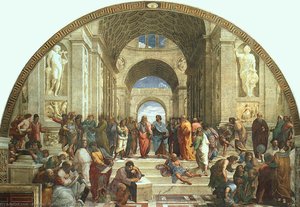 ათენის სკოლა1511
 სისტინის მადონა1513
 ღირსება (რაფაელის "ტრანსფიგურაცია")1520
 წლისთავი1504
ესეები მორალური đứcმება-ის შესახებ
 რაฟาელის 25 შედევრი: ხელოვნების ისტორია თქვენს სახლში | OriginalUniqueArt.comაღმოაჩინეთ რაฟาელის 25 უნიკალური შედევრი! რენესანსული ფერწერა, პორტრეტები და იტალიური ხელოვნების ისტორია. შეიძინეთ მუზეუმის ხარისხის ტილოებ…
 Illuminating Belief: Faith & Symbolism Across Art History's CanvasExplore the rich history of faith through art! Discover religious symbolism, Renaissance masterpieces & iconic artists. Expert analysis for…
 უზენაესი აღმადგენლობა: საუკეთესო 10 შედევრი, რომელმაც განსაზღვრა რენესანსიაღმოფრთოვანდით უზენაესი რენესანსის 10 შედევრით! ლიონარდო, მიქელანჯელო და სხვა გენიოსების საუკეთესო ნაწარმოებები. იხილეთ მათი ისტორია და მნი…