Surrealist Expressionism
The Tree (მაქს ერნსტი)
მაქს ერნსტი (1891–1976)-მა შექმნა The Tree. ის Surrealist Expressionism მიძღვნილ სტილს მიეკუთვნება. შესრულებულია Acrylic On Canvas-ით. ნახატი დაცულია Folkwang-ის მუზეუმი-ში, ესენი, გერმანია-ში.
- Acrylic On Canvas
- Folkwang-ის მუზეუმი, ესენი

 წინასწარი ნახვა

 ხელით შესრულებული ზეთប្រეწერი
 გაგზავნა
 გაზიარება
 სპეცფიკაცია


 ჩამოტვირთვა
 მსგავსები
 რენტგენოგრაფიული კვლევა
 სლაიდშოუ
 კითხვა-პასუხი

 სტატისტიკა
The Tree, მოკლედ
- სათაური
- The Tree
- ავტორი
- მაქს ერნსტი (1891–1976)
- ხატვის წელი და ადგილი
- ბრიული, გერმანია
- ტექნიკა
- Acrylic On Canvas
- სად ნახვა შეგიძლიათ
- Folkwang-ის მუზეუმი, ესენი, გერმანია
- მოძრაობა
- Surrealist Expressionism
- სუბიექტი
- tree, fruit, people, umbrellas, surrealism, ernst
რა არის გამოსახული The Tree-ში?
A Vision of Abundance and Disquiet: Unpacking “The Tree”
Max Ernst’s “The Tree,” a captivating yet enigmatic work, invites us into a world where the familiar yields to the profoundly strange. It's not merely a depiction of a tree laden with fruit; it’s a carefully constructed tableau brimming with symbolic weight and reflecting the artist’s deeply rooted fascination with the subconscious. The painting immediately arrests the eye with its vibrant palette – a riot of yellows, greens, and reds that suggest both fecundity and an underlying tension. The sheer volume of fruit—bananas and apples mingling together—creates a sense of overwhelming abundance, a visual metaphor for the potential and perils of excess. Yet, this apparent prosperity is subtly undercut by the presence of figures, some standing in quiet contemplation, others seemingly lost within the scene’s density.
The Roots of Surrealism: Ernst's Intellectual Landscape
Understanding “The Tree” requires acknowledging Max Ernst’s unique artistic trajectory. Born in Brühl, Germany, in 1891, Ernst wasn’t a traditional artist; he was an intellectual explorer who approached painting as a means of unlocking the hidden landscapes of his mind. His academic background—spanning philosophy, art history, psychology, and psychiatry – profoundly shaped his work. He deliberately sought to disrupt conventional representation, drawing inspiration from automatism, dream imagery, and the theories of Sigmund Freud. This pursuit of the irrational is powerfully evident here; the seemingly random arrangement of objects and figures suggests a world governed not by logic but by instinct and association. Ernst’s early experiments with frottage—a technique involving rubbing paper over textured surfaces – further demonstrate his interest in accessing the unconscious, creating images that emerge organically from chance encounters.
- Technique: Ernst employed a layered approach, utilizing oil paints and collage elements. The fruit appears almost sculpted, with a tactile quality that contrasts sharply with the more fluid rendering of the figures and background.
- Color Palette: The intense colors are not merely decorative; they contribute to the painting’s overall mood, evoking both joy and unease.
Symbolism in the Fruitful Chaos: Interpretation and Nuance
The specific fruits depicted—bananas and apples—carry significant symbolic weight. Bananas, often associated with tropical abundance and exotic allure, can also represent temptation and fleeting pleasure. Apples, steeped in mythology and religious iconography (particularly linked to the story of Adam and Eve), symbolize knowledge, sin, and mortality. Their juxtaposition suggests a complex interplay between desire, transgression, and the consequences of choice. The figures themselves are deliberately ambiguous; their postures and expressions invite speculation about their relationship to the tree and its bounty. Are they participants in a celebration? Victims of an overwhelming experience? Or simply observers of this surreal spectacle?
A Legacy of Disruption: Ernst’s Enduring Influence
“The Tree” stands as a quintessential example of Max Ernst's contribution to the Surrealist movement. It embodies his commitment to challenging conventional perceptions and exploring the depths of the human psyche. His work, like that of many pioneers of the 20th century, continues to resonate with viewers today, prompting us to question our own assumptions about reality and inviting us to embrace the power of the imagination. A reproduction of this vibrant and unsettling masterpiece offers a unique opportunity to bring this complex and compelling vision into your home or studio – a testament to Ernst’s enduring legacy as one of art's most daring and innovative figures.
რომელ მუზეუმში ინახება The Tree?
Folkwang-ის მუზეუმი
ესენი, გერმანია
Origins and History of Museum Folkwang The history of Museum Folkwang begins with the convergence of two distinct legacies. In 1902, Karl Ernst Osthaus established the private Folkwang Museum, a collection driven by a specific vision for modern expression. This was later joined by the Essener Kunstmuseum, which had been founded in 1906.

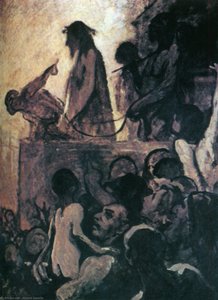

The Tree-ის მაღალი გარ Auflხ resolución-ის გამოსახულებები

Protected by copyright: these files are for personal reference, not a licence to republish.
მაქს ერნსტი, The Tree, Folkwang-ის მუზეუმი.
კითხვები The Tree-ზე, პასუხები
სად არის დღეს გამოფენილი მაქს ერნსტი-ის „The Tree“?
მაქს ერნსტი-ის „The Tree“ წარმოდგენილია Folkwang-ის მუზეუმი, ესენი, გერმანია-ში. მუზეუმის აღწერილობა ეხება ორიგინალ ნამუშევარს და არა რეპროდუქციებს.
რა მასალისგან არის შესრულებული მაქს ერნსტი-ის „The Tree“?
"The Tree" შესრულებულია Acrylic On Canvas-ით.
რა თემებია გამოსახული ნამუშევარში მაქს ერნსტი-ის „The Tree“?
სურათის "The Tree" თემებს წარმოადგენს tree, fruit, people, umbrellas, surrealism, ernst, landscape, tropical.
შეიძლება თუ არა მაქს ერნსტი-ის „The Tree“-ის გამოსახულების თავისუფლად რეპროდუცირება?
რაც შეეხება საავტორო უფლებებს, „The Tree“ არის კვლავ დაცულია საავტორო უფლებით.
რომელ ხელოვანს მიეწერება "The Tree"?
„The Tree“ მიკუთვნებულია მაქს ერნსტი-ს.
რომელ სტილს მიეკუთვნება "The Tree"?
"The Tree" არის Surrealist Expressionism სტილის ნამუშევარი. აღნიშნული მიმდინარეობა ასახავს იმ მხატვრულ ტრადიციას, რომლის ნაწილიცაა ეს ნამუშევარი.
მაქს ერნსტი-ის შემოქმედებითი განვითარების რომელ ეტაპს წარმოადგენს „The Tree“?
"The Tree" მაქს ერნსტი-ის შემოქმედებითი კარიერის Mature Surrealism პერიოდს განეკუთვნება. ეს კლასიფიკაცია ნამუშევარს ხელოვანის შემოქმედებითი განვითარების ეტაპთან აკავშირებს.
რატომ არის "The Tree"-ის საავტორო უფლებების სტატუსი სწორედ ასეთი?
„The Tree“-ის საავტორო უფლებების სტატუსი — კვლავ დაცულია საავტორო უფლებით — განპირობებულია მხატვრის იმ გარდაცვალებით, რომელიც 1976-ში მოხდა.
მდებარეობს თუ არა მაქს ერნსტი-ის „The Tree“ ხელოვანის სამშობლოში?
დიახ — ნამუშევარი ინახება ხელოვანის სამშობლოში. ნამუშევარი „The Tree“ დაცულია გერმანია-ში, მაშინ როცა მაქს ერნსტი დაიბადა გერმანია-ში.
ხელပاتარში: მაქს ერნსტი

1891–1976, გერმანია
მაქს ერნსტი
The Life and Origins of Max Ernst Max Ernst entered the world on April 2, 1891, in Brühl, Germany. He grew up in a middle-class Catholic family as the third of nine children. His upbringing was shaped by the quiet, disciplined atmosphere of his home, where his father, Philipp, worked as a teacher of the deaf. Philipp was also an amateur painter, and it was through him that the boy first encountered the tools and the practice of making art.
მაქს ერნსტი-ის შესახებ მაქს ერნსტი-ის გამორჩეული ნამუშევრები
ასევე მაქს ერნსტი-ის მიერ
 Célèbes or Elephant Célèbes1921
 ელიფანტის სელესები1921
 ევროპა წვიმის შემდეგ II1942
 ამისი შესახებ მამაკაცებს არ ეცოდებათ1923
ესეები The Tree-ის შესახებ
 25 Masterpieces by Ernst Ludwig Kirchner: The Soul of German ExpressionismExplore 25 iconic Ernst Ludwig Kirchner masterpieces of German Expressionism. Discover the full collection online at OriginalUniqueArt.com.
 Unlocking the Unconscious: The Top 25 Masterpieces by Max ErnstStep into the dreamscapes of Max Ernst. Explore 25 iconic Surrealist masterpieces, from pioneering collage to haunting Frottage techniques.…
 The Weight of an Apple: From Biblical Allegory to the Structural Vision of CézanneExplore the evolution of the apple from biblical allegory to Cézanne's geometry. Trace this artistic legacy with our expert analysis.