Surrealism
Sin título (მაქს ერნსტი)
მაქს ერნსტი (1891–1976)-მა შექმნა Sin título. ის Surrealism მიძღვნილ სტილს მიეკუთვნება. შესრულებულია Engraving-ით.
- Engraving

 წინასწარი ნახვა

 ხელით ნაკletი ზეთწერილი
 გაგზავნა
 გაზიარება
 საინფორმაციო ფურცელი


 ჩამოტვირთვა
 მსგავსები
 რენტგენოგრაფიული კვლევა
 სლაიდშოუ
 კითხვა-პასუხი

 სტატისტიკა
Sin título, მოკლედ
- სათაური
- Sin título
- ხატველი
- მაქს ერნსტი (1891–1976)
- ხატვის წელი და ადგილი
- ბრიული, გერმანია
- ტექნიკა
- Engraving
- მიმდინარეობა
- Surrealism
- ეპოქა
- High Medieval
- სუბიექტი
- serpent symbolism, mona lisa echoes, dreamlike struggle, duality of man, surreal landscape, mythological art
რა არის გამოსახული Sin título-ში?
A Descent into the Unconscious: Examining Max Ernst’s “Sin título”
Max Ernst's "Sin título" (Untitled) isn’t merely a black and white etching; it’s an invitation to a psychological landscape, a confrontation with primal fears rendered in stark, unsettling detail. The artwork immediately commands attention through its dynamic composition – a wrestling match between a man and a colossal serpent dominates the frame, interwoven with a ghostly cameo of Mona Lisa that subtly complicates the narrative. Ernst, a pivotal figure in both Dada and Surrealism, masterfully employs a technique reminiscent of engraving or etching, creating an extraordinary contrast between light and shadow, sharp lines, and a flattened perspective that contributes to the work’s dreamlike quality. This isn't simply a depiction of physical struggle; it’s a visual representation of internal conflict, a battle waged within the depths of the human psyche.
The choice of materials – likely etched onto a metal plate and subsequently printed – speaks volumes about Ernst’s artistic process. The rigid linearity of the linework, while creating a graphic appearance, also suggests an underlying tension, mirroring the struggle depicted on the surface. The deliberate lack of shading or realistic depth further enhances this sense of unease, pushing the scene into the realm of symbolism and allegory. It's crucial to note that Ernst was deeply interested in exploring the subconscious, and “Sin título” is a prime example of his ability to translate complex psychological themes into visual form.
The Symbolism of Serpent and Woman: Echoes of Mythology and Art History
The serpent itself is a potent symbol throughout history – representing temptation, chaos, knowledge, and the cyclical nature of life. Here, it’s not merely a beast but an embodiment of primal urges, a force resisting control. The man wrestling with it embodies humanity's struggle against these darker aspects of its own being. Interestingly, positioned within this chaotic scene is a subtle yet significant detail: the inclusion of Mona Lisa. This iconic portrait, instantly recognizable and imbued with an aura of serene beauty, acts as a counterpoint to the turmoil unfolding before us. Some art historians interpret this juxtaposition as representing the eternal conflict between reason and emotion, or perhaps the allure of the unattainable – a reminder that even in moments of intense struggle, there exists a lingering sense of beauty and detachment.
The tower-like structure in the background adds another layer to the symbolism. Towers often represent ambition, power, and reaching for the heavens—but here, it feels somewhat ominous, perhaps suggesting an unattainable goal or a precarious position within this internal struggle. The overall composition suggests a descent into the unconscious, a confrontation with fundamental human dilemmas.
Ernst’s Methodologies: Frottage and the Surrealist Approach
Understanding Max Ernst's artistic methods is key to appreciating “Sin título.” He was a pioneer of techniques like *frottage* – rubbing a pencil over textured surfaces to create unexpected images – and *grattage*, scraping paint across canvas to reveal hidden patterns. These processes were designed to bypass conscious control, tapping into the subconscious mind and generating surprising visual results. This approach is clearly evident in “Sin título,” where the deliberate use of line work and the seemingly random arrangement of elements contribute to a sense of controlled chaos. Ernst wasn’t simply painting what he *saw*; he was actively seeking to access and translate the hidden realities of his inner world.
The artwork's stark black and white palette further emphasizes this exploration of the subconscious. It strips away any distractions, forcing the viewer to confront the raw emotion and psychological intensity of the scene. It’s a testament to Ernst’s skill that he can create such a powerful and unsettling image using such a limited range of tones.
A Reproduction for the Collector: Bringing “Sin título” into Your Space
OriginalUniqueArt offers meticulously hand-painted reproductions of Max Ernst's "Sin título," capturing the essence of this iconic work with unparalleled detail and fidelity. Our artists replicate Ernst’s distinctive linework, creating a stunning visual experience that faithfully reproduces the artwork’s unsettling atmosphere and symbolic depth. Whether you are an art collector seeking to expand your Surrealist collection or simply looking for a unique piece of art to enhance your interior design, our reproduction provides a beautiful and authentic representation of this seminal work. The high-quality materials used ensure that the reproduction will last for generations, preserving the power and mystery of Ernst’s vision. Explore our options today and bring this captivating image into your world.
Sin título-ის მაღალი გარ Auflხ resolución-ის გამოსახულებები

დაცული არის საავტორო უფლებით: ეს ფაილები განკუთვნილია პირადი გამოყენებისთვის და არა ხელახალი გამოცემის უფლებისთვის.
მაქს ერნსტი, Sin título.
მაქს ერნსტი (1891–1976), Sin título, engraving. გამოსახულება: OriginalUniqueArt.com.
კითხვები Sin título-ზე, პასუხები
რა მასალისგან არის შესრულებული მაქს ერნსტი-ის „Sin título“?
"Sin título" შესრულებულია Engraving-ით.
რას ეხება "Sin título"?
მაქს ერნსტი-ის „Sin título“-ში წარმოდგენილი თემები მოიცავს serpent symbolism, mona lisa echoes, dreamlike struggle, duality of man, surreal landscape, mythological art, black and white drama-ს, რაც ერთობლიობაში ასახავს ნამუშევრის შინაარსს.
არის თუ არა "Sin título" საავტორო უფლებებისგან თავისუფალი?
ავტორული უფლებების სტატუსი ნამუშევრისთვის მაქს ერნსტი-ის „Sin título“: ნამუშევარი არის კვლავ დაცულია საავტორო უფლებით. ეს განსაზღვრავს, შესაძლებელია თუ არა გამოსახულების რეპროდუქციის თავისუფლად წარმოება.
ვინ არის „Sin título“-ის ავტორი?
ნამუშევრის „Sin título“ ავტორი არის მაქს ერნსტი. ნამუშევარი დატრიალებულია მაქს ერნსტი-ის სახელით.
რომელ ხელოვნების მიმდევრობას მიეკუთვნება მაქს ერნსტი-ის „Sin título“?
მაქს ერნსტი-ის „Sin título“ მიეკუთვნება Surrealism მიმდევრობას. ეს მიმდევრობა ნამუშევარს სტილისტურ კონტექსტს სძენს.
მაქს ერნსტი-ის შემოქმედების რომელი პერიოდის ნაწილია "Sin título"?
მაქს ერნსტი-ის შემოქმედების პერიოდში „Sin título“ Mature Period-ს მიეკუთვნება. ეს ფაზა საშუალებას გვაძლევს, იგი ხელოვანის სხვა ნამუშევრებს შევადაროთ.
არის თუ არა მაქს ერნსტი-ის ნამუშევარი „Sin título“ საჯარო საკუთრებაში და რატომ?
მაქს ერნსტი-ის ნამუშევარი „Sin título“ არის კვლავ დაცულია საავტორო უფლებით. საავტორო უფლებების ვადა ითვლება ხელოვანის გარდაცვალებიდან; მაქს ერნსტი კი 1976 წელს გარდაიცვალა.
როგორ ეხმიანება „Sin título“ მაქს ერნსტი-ის თემებსა და სტილს?
"Sin título" მაქს ერნსტი-ის Surrealism სტილის ნამუშევარია, რომლის ძირითად თემებს შორის არის dada & surrealist echoes, mythic confrontation, psychological tension, humanity's dark side, symbolic allusion, ernst's dreamscapes", exploring the unconscious", recurring serpent motif."
როგორ უკავშირდება „Sin título“ მაქს ერნსტი-ისთვის დამახასიათებელ განმეორებად თემებს?
მაქს ერნსტი-ის დაფიქსირებულ თემებს შორის — dada & surrealist echoes, mythic confrontation, psychological tension, humanity's dark side, symbolic allusion, ernst's dreamscapes", exploring the unconscious", recurring serpent motif — „Sin título“ განსაკუთრებულ ყურადღებას ამახვილებს serpent symbolism, mona lisa echoes, dreamlike struggle, duality of man, surreal landscape, mythological art, black and white drama-ზე.
მხატვრის შესახებ, მაქს ერნსტი
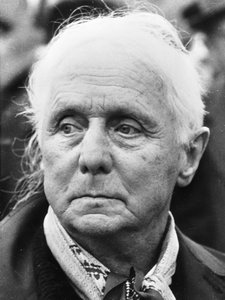
1891–1976, გერმანია
მაქს ერნსტი
The Life and Origins of Max Ernst Max Ernst entered the world on April 2, 1891, in Brühl, Germany. He grew up in a middle-class Catholic family as the third of nine children. His upbringing was shaped by the quiet, disciplined atmosphere of his home, where his father, Philipp, worked as a teacher of the deaf. Philipp was also an amateur painter, and it was through him that the boy first encountered the tools and the practice of making art.
მაქს ერნსტი-ის შესახებ მაქს ერნსტი-ის გამორჩეული ნამუშევრები
ასევე მაქს ერნსტი-ის მიერ შექმნილი სხვა ნამუშევრები
 სელებესი ან სპილო სელებესი1921
 ელიფანტის სელესები1921
 ევროპა წვიმის შემდეგ II1942
 ამისი შესახებ მამაკაცებს არ ეცოდებათ1923
ესეები Sin título-ის შესახებ
 ინდივიდუალური შეკვეთის ხელოვნება: სასტუმროს ინტერიერის ესთეტიკური გარდაქმნა OriginalUniqueArt-ითOriginalUniqueArt - ინდივიდუალური შეკვეთის ხელოვნება სასტუმროსთვის! ხელით დახატული ტილოები, უმაღლესი ხარისხი და ექსპერტების კონსულტაცია. გა…
 Unlocking the Unconscious: The Top 25 Masterpieces by Max ErnstBorn in Brühl, Germany, Max Ernst used frottage and collage to navigate the subconscious, bridging the wreckage of WWI and Surrealism.
 25 Essential Works by Arnold Böcklin: A Journey Through Myth and SymbolismGustav Mahler was so haunted by a single painting that it shaped his Fourth Symphony. What drove Böcklin to revisit his most famous motif?