

 ნახვა ინტერьерში
 გაგზავნა
 გაზიარება
 დეტალები
 გზამკვლევი

 ჩამოტვირთვა
 მსგავსები
 რენტგენოგრაფიული კვლევა
 სლაიდშოუ
 სტატისტიკა
Oiseau


 სრული ტექსტის ნახვა
ამ გვერდზე წარმოდგენილი ნამუშევარი დაცულია საავტორო უფლების შესახებ კანონმდებლობით, რაც იმას ნიშნავს, რომ ჩვენ არ გვაქვს მისი იდენტური რეპროდუქციის შექმნის ან გაყიდვის სამართლებრივი უფლება. აღნიშნული დაცვა უზრუნველყოფილია ისეთი საერთაშორისო შეთანხმებებით, როგორიცაა ბერნის კონვენცია და ეროვნული კანონმდებლობით, მათ შორის იმ კანონებით, რომლებიც დეტალურად არის გაწერილი აშშ-ის საავტორო უფლების შესახებ კანონი - თავი 17.
ეს მეთოდი სრულად შეესაბამება საავტორო უფლებების რეგულაციებს, რადგან ის არ გულისხმობს დაცული ნამუშევრის კოპირებას ან დუბლირებას. ამგვარად, ეს წარმოადგენს შემოქმედებით რეინტერპრეტაციას — ახალ ნახატს, რომელიც შთაგონებითაა განპირობებული ორიგინალით, თუმცა არ არის მის იდენტურ ასლს.
გიკლე / ხელოვნების პრინტი
მუზეუმის დონის ჟიკლე ან ტილოზე ბეჭდვა სწრაფი წარმოებისა და დასრულების მოქნილი ვარიანტებით. ( შეიძინეთ ხელით შესრულებული ნახატი გადასვლა ციფრულ გამოსახულებაზე)




P118B ₾10

P118H ₾10

P118W ₾10

P438Z ₾10

P508JH ₾12

P508YH ₾12

P805H ₾10

P805Z ₾10

P919BZ ₾10

P919G ₾10

P919XJ ₾10

P959ZH ₾10

P968JZ ₾12

W106C ₾8

W218G ₾10

W218JH ₾8

W218Y ₾10

W307PJ ₾10

W316G ₾10

W316PJ ₾8

W316Y ₾10

W398PJ ₾8

W4111J ₾10

W500HY ₾15

W500JH ₾15

W692G ₾12

W849H ₾8

W940BG ₾15

W953PJ ₾8




აირჩიეთ ჩვენს მიერ წინასწარ განსაზღვრული ზომებიდან, რომლებიც ნაწარმოების ორიგინალურ პროპორციებს შეესაბამება.

შეიყვანეთ თქვენთვის საჭირო სიგანე და სიმაღლე, რათა იგი მოერგოს თქვენს ჩარჩოს ან კედელს. ბეჭდვისას შესაძლებელია მხოლოდ მისი შემცირება და არა გაზრდა, ამიტომ სხვა ფორმის ზომის შემთხვევაში გამოსახულება ნაწილობრივ იკარგება. სანამ რაიმეს დაბეჭდავთ, ჩვენ გამოგიგზავნით ციფრულ მაკეტს დასდასტურებლად. ამ გვერდზე ნაჩვენები სურათი არ ასახავს რეალურ ჭრას — ამას მხოლოდ მაკეტი გვიჩვენებს.
მიწოდება მთელ მსოფლიოში () 2 კვირაში, სტანდარტული 4/5 კვირის ნაცვლად. (23 ოქტომბერი)

უფასო ექსპრეს მიწოდება მთელ მსოფლიოში

მაღალი ხარისხის ტილო

ტრანსპორტირების სრული დაზღვევა

საბაჟო გადასახადების დაბრუნების გარანტია

ფერების სრული შესაბამისობის გარანტია

დაბრუნების 100-დღიანი პერიოდი (მხოლოდ წარმოების დეფექტის შემთხვევაში)

100% თანხის სრული დაბრუნების გარანტია

ფასდაკლება დიდი რაოდენობით შეკვეთისას
 მინის ჩარჩოს არჩევანი ხელმისაწვდომია მხოლოდ 110 სმ-მდე ზომისთვის

Oiseau
გიკლე / ხელოვნების პრინტი
რეპროდუქციის ზომა
-


ჯამური ღირებულება
₾ 209
The Enigmatic Bird: A Study in Surrealist Symbolism by Max Ernst
Max Ernst’s “Oiseau (Bird)” – often referred to as “L'Oiseau Mère” or "The Mother Bird" – is not merely a depiction of avian form; it’s an immersion into the subconscious, a distilled fragment of the artist’s intensely personal and profoundly unsettling vision. Painted in 1951, during a period of considerable artistic evolution for Ernst, this work exemplifies his masterful manipulation of technique—particularly his innovative use of *grattage* – to create textures that vibrate with hidden meaning. The painting immediately draws the eye with its stark contrast: a pale beige, almost parchment-like background punctuated by the assertive red outline of the bird itself. This deliberate simplicity belies a complex layering of symbolism and psychological exploration.
Ernst’s approach to composition is strikingly unconventional. The bird, rendered in bold, uneven lines, occupies a central position within the frame, yet its incompleteness—the gaping “hole” where its belly should be—is profoundly unsettling. This deliberate absence isn't simply a technical oversight; it speaks volumes about themes of vulnerability, loss, and perhaps even the fragmented nature of selfhood – ideas that were central to Ernst’s broader artistic concerns during this period. The bird’s head, a simplified circle with a single blue eye, possesses an almost childlike quality, further amplifying its sense of innocence juxtaposed against the unsettling void within its form.
The Alchemy of Technique: Grattage and Texture
To fully appreciate “Oiseau,” one must understand Ernst’s groundbreaking technique of *grattage*. Developed in 1925, this method involved applying paint to a canvas and then vigorously scraping it away with a palette knife or other tool. This process created a textured surface—a map of the underlying materials—that was then layered with subsequent paint applications. In “Oiseau,” the *grattage* technique is particularly evident in the mottled background, which resembles aged paper or fabric – a deliberate choice that evokes a sense of history and decay. The rough edges of the bird’s outline further contribute to this tactile effect, inviting the viewer to engage with the painting on a sensory level.
The use of red as the dominant color is also significant. Red, in Ernst's work, often represents passion, danger, and even death – potent symbols that resonate throughout his oeuvre. Here, it serves to highlight the bird’s vulnerability and its precarious existence within the stark landscape. The limited palette—primarily beige, red, and blue—reinforces this sense of austerity and emotional restraint.
Roots in Surrealism and Beyond
“Oiseau” firmly situates itself within the broader context of Surrealist art, a movement that sought to unlock the creative potential of the unconscious mind. Ernst was a key figure in the development of Surrealism, alongside artists like Salvador Dalí and René Magritte. His work frequently explored themes of dreams, mythology, and psychological trauma – subjects often considered taboo during the early 20th century. The bird itself is laden with symbolic weight; birds have long been associated with freedom, spirituality, and transformation in art and literature.
Interestingly, Ernst’s fascination with birds extended beyond mere aesthetic interest. He developed an alter ego, “Loplop, the Bird Superior,” a recurring figure in his writings and artwork, embodying qualities of wisdom, cunning, and even danger. This personal mythology informs our understanding of "Oiseau," suggesting that the bird is not simply a representation of nature but also a projection of Ernst’s own complex psyche.
A Timeless Resonance: Interpretation and Legacy
“Oiseau” remains a powerfully evocative work, inviting multiple interpretations. It can be seen as a meditation on loss and incompleteness, a poignant reflection on the fragility of life, or even a symbolic representation of the artist’s own struggles with identity and self-doubt. Regardless of one's interpretation, the painting’s enduring appeal lies in its ability to tap into fundamental human emotions—a sense of vulnerability, longing, and perhaps even a touch of melancholy. It stands as a testament to Ernst’s genius – his capacity to transform simple materials into profound expressions of the inner world.
კითხვები და პასუხები
რა გრძნობას გადმოსცემს მაქს ეურნსტ-ის „Oiseau“?
მაქს ეურნსტ-ის „Oiseau“ გადმოგვცემს Lonely შეგრძნებას, საერთო Calm განწყობის ფარგლებში.
როგორ ვიპოვო მაქს ეურნსტ-ის „Oiseau“-ის მსგავსი ნამუშევრები?
მაქს ეურნსტ-ის „Oiseau“-ის მსგავსი ნამუშევრები თავმოყრილია ამ ნამუშევრის მსგავსი ნამუშევრები გვერდზე.
რას გამოსახავს "Oiseau"?
სურათის "Oiseau" თემებს წარმოადგენს stylized bird, symbolic imagery, minimalist design, geometric shapes, abstract form, vulnerable figure, vintage aesthetic.
მხატვრის ბიოგრაფია
სურეალისტური სამყაროს აღმოჩენა: მაქს ეურნსტის ბიოგრაფია
მაქს ეურნსი (1891-1976) იყო გერმანული წარმოშობის მხატვერი, ქ雕ქთელი, გრაფიკოსი და პოეტი, რომელმაც საუკუნის მიჯნაზე ხელოვნების ისტორიაში უაღრესად მნიშვნელოვანი როლი ითამაშა. მისი ცხოვრება იყო მუდმივმოძრავი პროცესი, სავსე გამოკვლევებით, ფილოსოფიური გაღრმავებებით და საზოგადოებრივი ნორმებისადმი უარის განცხადებებით. ეურნსი არ იყო ტრადიციულ ხელოვნებაზე eğitim almış, თუმცა მისი ექსპერიმენტალური მიდგომა ხელოვნების შექმნასთან დაკავშირებით მის წვლილს უდავოდ დაუმატებს ისტორიაში.
ბონნის უნივერსიტეტში სწავლის დროს ეურნსი ფილოსოფიას, ხელოვნებათა ისტორიას, ლიტერატურას, ფსიქოლოგიასა და 정신병학ს ուսობოდა. ეს ინტელექტუალური მოგზაურობა მის შემდგომ შემოქმედებას უშუალოდ განაპირობებდა. ის არ მხოლოდ იმაზე էր კონცენტრირებული, როგორ უნდა დავხატო, არამედ იმაზე, რატომ უნდა დავხატო. სწორედ ამიტომ, 1912 წელს, სონდერბუნდის გამოფენაზე პიკასოს, ვან გოგისა და გაუგინის ნაწარმოებების ნახვის შემდეგ, მისი შემოქმედებითი გზა მკვეთრიდა. თანამედროვეობის თესლი ჩაისვა.
დადას მოძრაობა და სურეალისტური ხილვები
პირველი მსოფლიო ომი ეურნსისთვის გარდამტეხ პერიოდი აღმოჩნდა. სამხედრო მოქმედებებში მონაწილეობის გამო ის ღრმად შოკირებული იყო და გაუწონა საზოგადოების მიერ დამკვიდრებული წესები. ეს განცდილმა მას დადას მოძრაობაში უსწრაფესი ჩართვა მოუწია, რომელიც ტრადიციულ ხელოვნებას უარყოფდა და აბსურდობას, შემთხვევითობასა და არარეალურიან მიმართავდა. ეურნსი გახდა კოლნის დადას ჯგუფის ერთ-ერთი წამყვანი ფიგურა, ჰანს არპთან ერთად.
თუმცა, დადას მხოლოდ საფეხური იყო. 1920-იან წლებში ეურნსი პარიზს გადავიდა და სურეალისტთა რიგებში გაწევრილირდა ანდრე ბრეტონის წინამძღოლობით. ეს ნიშნავდა გადასვლას ოცნებების სამყაროში, ქვეცნობიერსა და არარეალურში. ფროიდის 정신분석학ური თეორიების ზემოქმედებით ეურნსი ცდილობდა ადამიანის გამოცდილების დამალულ სიღრმეს გამოეძერწა ხელოვნების გზით. ის არ ცდილობდა რეალობის აღიარებას ისეთი, როგორიც არის, არამედ იმ ფარული 정신적 ძალების გამოვლენას, რაც მას ფორმირებდა.
ინოვატორული ტექნიკები: ფროტაჟი, გრატაჟი და კოლაჟი
ეურნსის შემოქმედებითი ინოვაცია არ შემოიფარგლებოდა თემებს; ის იყო მუდმივად ექსპერიმენტიორი ტექნიკის მიმართ. მან უბრალოდ არ მიიღო არსებული მეთოდები – იგი ახალ ტექნიკას ქმნიდა. მისი ყველაზე ცნობილი წვლილია ფროტაჟი, რომელიც რგოლის ზედაპირებზე სათხემლის ან ნახევრადქიშმიშის გახვევას მოიცავს და წარმოქმნის ელეგანტურ და გამოკვეთილ تصاویر. ეს ტექნიკა, რომელიც შემთხვევითი მომენტიდან დაიბადა, ხის ბოქვენის შესწავლის დროს, ეურნსს საშუალებას აძლევდა, მიეხმარა ქვეცნობერს და შექმნა ფორმები, რომლებიც განუწყვეტლივ უარყოფდნენ გონებრივ კონტროლს. მასთან ახლოს იყო გრატაჟი, სადაც ფერადი საღებავი გადაისვრება ტილოზე, გამოავრცელებს ქვედა στρώματα.
მისი ნაწარმოებები ხშირად შეიცავს სიმბოლურ تصاویر: ჩიტებს (განსაკუთრებით მისი ალტერ-ეგო ლoplop), უდარდელ ლანდშაფტებს, არხეოლოგიური კომბინაციებს და საიდუმლოების განუწყვეტლივ გრძნობას. ეს ტექნიკები არ იყო მხოლოდ სტილისტური არჩევანი; ისინი მისი ქვეცნობიერთა შესწავლის ინტეგრალური ნაწილი იყვნენ, ასევე მისმა სურვილიმ, ტრადიციული ხელოვნების საზღვრების გადალახვა.
ინოვაციის მემკვიდრეობა და გავლენა
მეორე მსოფლიო ომის დაწყებამ ეურნსს Ευρώπηდან გაქცევა მოუწია, თავშესაფარი იპოვნა შეერთებულ შტატებში. მან განაგრძო ζωγραφική και экспериментирование ახალი ტექნიკებით გადასახლების დროსაც, საბოლოოდ დაბრუნდა Ευρώπაში ომის შემდეგ, სადაც აქტიური იყო მისი გარდაცვალებამდე, 1976 წლის 1 აპრილს პარიზში. მისი გავლენა მომავალ თაობათა მხატვრებზე უნ measurableია.
მაქს ეურნსის წვლილი დადას და სურეალისტურ მოძრაობებში უდავოდ გარდამტეხი იყო. მან გამოუცხადა ხელოვნების ნორმებს, ჩააღწია ადამიანის 정신ის სიღრმეში და გამოიგონა ინოვაციური ტექნიკები, რომლებიც დღესაც აინტერესებს მხატვრებს. ის არ იყო მხოლოდ ζωγράφος; ის იყო εξερευνητής, პროვოკატორი და წინდახედვი, რომელმაც გააფართოვა ხელოვნების საზღვრები.
- მნიშვნელოვანი ნაწარმოებები: The Entire City, Euclides, Of This Men Shall Know Nothing, Forest and Dove
- გავლენები: პაბლო პიკასო, ვინსენტ ვან გოგი, პოლ გაუგანი, სიგმუნდ ფროიდი, ჯორჯო დე ჩირიკო
- მოძრაობები: დადას, სურეალიზმი
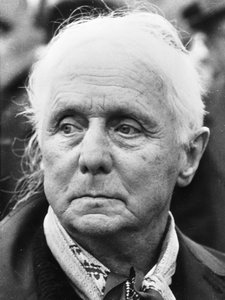
მაქს ეურნსტ
1891 - 1976 , გერმანია
მოკლე ფაქტები
- Artistic Movement Or Style: დადაიზმი, სურრეალიზმი
- Artists Or Movements Influenced By This Artist:
- სურრეალიზმი
- დადა
- Artists Who Influenced This Artist:
- პაბლო პიკასო
- ვინ센ტ ვან გოგი
- პოლ გაუგინი
- ჯორჯიო დე ჩირიკო
- Date Of Birth: 1891 წლის 2 აპრილი
- Date Of Death: 1976 წლის 1 აპრილი
- Full Name: მაქს ერნსტი
- Nationality: გერმანელი, ფრანგი
- Notable Artworks:
- სიკვდილის მსხვერპლი
- მთი მფრინავი ქალი
- ლოპლოპი
- Place Of Birth: ბრული, გერმანია
მსგავსი სტატიები
მაქს ერნსტის 25 საუკეთესო შედევრი: სიურრეალიზმის გენიალური სამყარო | OriginalUniqueArt
გამოიკვლიეთ მაქს ერნსტის 25 საუკეთესო შედევრი – სიურრეალიზმის გენიალური სამყარო. ნახატების ისტორია, ტექნიკა და შთაგონება OriginalUniqueArt-ზე. შეიძინეთ ხარისხიანი რეკონსტრუქციები და შექმნით თქვენი სახლისთვის ხელოვნების უნიკალური ინტერიერი! აღმოაჩინეთ სრული კოლექცია ონლაინ.
Beyond the Lines: Mastering the High-Impact World of Contemporary Abstraction
Master the high-impact world of contemporary abstraction. Discover how bold colors, textures, and modern movements like Abstract Expressionism can transform your space with premium, high-energy art curated for the design-conscious professional.

შექსտროფული გამოხატვის აბსტრაქციზმის 10 შედევრი: ხელოვნება თქვენი სახლისთვის
აღმოფრთოვანდით აბსტრაქტული გამოხატვისმანიერიზმის 10 უმშვენიერეს შედევრთან! ვასელის, პოლ locks-ის და სხვა ცნობილი მხატვრების ისტორიები. შეიძინეთ მაღალი ხარისბის ხელოვნების რეპროდუქციები OriginalUniqueArt.com-ზე და შეცვალეთ თქვენი სახლი!

Lyrical Abstraction: The High-Energy Soul of Modern Art’s Most Vibrant Movement
Dive into the high-energy world of Lyrical Abstraction. Explore how bold colors, fluid motion, and emotional depth define this modern masterpiece movement. Discover iconic artists and learn to bring this vibrant, soulful energy into your contemporary space.

გეომეტრიული აბსტრაქცია: 10 შედევრი, რომელმაც ხელოვნება განსაზღვრა | OriginalUniqueArt.com
გეომეტრიული აბსტრაქციის 10 შედევრი მონდრიანის, მალევიჩისა და კანდინსკის ჩართულობით. გაიგეთ მათი ისტორია, ტექნიკა და გავლენა ხელოვნებაზე. შეიძინეთ უმაღლესი ხარისხის რეკონსტრუქციები OriginalUniqueArt.com-ზე!


