Expressionism
Carnival (ლიონელ ფაინინგერი)
ლიონელ ფაინინგერი (1871–1956)-მა შექმნა Carnival. ის Expressionism მიძღვნილ სტილს მიეკუთვნება. შესრულებულია Oil On Canvas-ით.
- Oil On Canvas

 წინასწარი ნახვა

 ხელით შესრულებული ზეთប្រეწერი
 გაგზავნა
 გაზიარება
 სპეცფიკაცია


 ჩამოტვირთვა
 მსგავსები
 რენტგენოგრაფიული კვლევა
 სლაიდშოუ
 კითხვა-პასუხი

 სტატისტიკა
Carnival, მოკლედ
- სათაური
- Carnival
- ავტორი
- ლიონელ ფაინინგერი (1871–1956)
- ხატვის წელი და ადგილი
- ნიუ-იორკი, ამერიკის შეერთებული შტატები
- ტექნიკა
- Oil On Canvas
- მოძრაობა
- Expressionism
- ეპოქა
- Early Modern
- სუბიექტი
- people, figures, street scene, building, clock tower, umbrella
რა არის გამოსახული Carnival-ში?
Identification of Carnival by Lyonel Feininger
The street comes alive in Carnival, a spirited oil on canvas work by Lyonel Feininger. Created in 1911, this piece captures a moment of public celebration. The scene unfolds with a sense of movement, as if the viewer has just stepped into the middle of a bustling procession. People move through the space, their presence adding a layer of human energy to the urban setting.
Lyonel Feininger brings this specific vision to life through his unique handling of the medium. The oil paint carries the weight of the figures and the architecture, grounding the festive atmosphere in a tangible reality. Every brushstroke contributes to the feeling of a city in motion, caught in the middle of a joyful, crowded event. It is a window into a specific time and place, preserved through the artist's hand.
Composition and Visual Elements
A lively street scene unfolds before the eyes, filled with the restless energy of a crowd in motion. At least nine individuals populate the thoroughfare, each caught in a private moment of transit. One figure carries an umbrella against the sky, while another relies on a cane to navigate the pavement. Some travelers shoulder handbags or backpacks, their bodies angled as they move through the urban space. The figures appear to drift past one another, creating a sense of constant, rhythmic movement through the heart of the city.
In the background, the architecture looms with a sense of permanence. A building with a prominent clock tower watches over the pedestrians, its structure anchoring the bustling activity below. The composition draws the eye through the layers of the street, where the interplay of people and buildings creates a complex, layered perspective. The arrangement of the crowd suggests a spontaneous gathering, a slice of daily life where every person contributes to the collective pulse of the scene.
Technique and Artistic Style
The oil on canvas pulses with a restless energy, capturing a moment of movement through a lens of Expressionism. Colors collide and dance across the surface, refusing to settle into quietude. There is a palpable sense of rhythm in the way the pigments are applied, mirroring the lively street scene unfolding before us. The brushwork feels alive, driven by a desire to translate the emotional heat of a public celebration into visible, tactile strokes.
A subtle tension exists between the emotional intensity of Expressionism and the structural discipline of Cubist influence. While the colors scream with life, the underlying forms suggest a more calculated, geometric arrangement. This intersection of styles creates a visual language where the chaos of a crowd meets the organized logic of modernism. The figures move through a space that feels both spontaneous and carefully constructed, as if the artist is balancing the raw feeling of the moment with a precise, architectural eye.
Where to See This Artwork Today
The lively energy of this scene remains preserved within the walls of the Art Institute of Chicago. Visitors traveling to Chicago, IL, US, find this piece held within the institution's permanent collection. It resides there as a part of the Joseph Winterbotham Collection, waiting for those who wander through the museum's galleries to encounter its movement.
The painting stays housed in the Art Institute of Chicago, Chicago. It exists in this specific space, allowing the colors and the figures to remain part of the city's cultural landscape. One can find it among the many works that populate the museum's halls, where the spirit of the carnival continues to exist in its physical form.
Carnival-ის მაღალი გარ Auflხ resolución-ის გამოსახულებები

საჯარო საკუთრება: მხატვარი გარდაიცვალა 1956 წელს.
სხვა ზომები, კადრისრები და ციტირება →ლიონელ ფაინინგერი, Carnival. საჯარო საკუთრება
კითხვები Carnival-ზე, პასუხები
რა ტექნიკით არის შექმნილი "Carnival"?
ლიონელ ფაინინგერი-ის „Carnival“-ის მასალა არის Oil On Canvas. რეპროდუქციების მიზანია ამ ტექნიკის ვიზუალური მხარის ზუსტი გადმოცემა.
რა არის გამოსახული ლიონელ ფაინინგერი-ის „Carnival“-ში?
ლიონელ ფაინინგერი-ის „Carnival“-ზე გამოსახულია: people, figures, street scene, building, clock tower, umbrella, cane, handbags.
არის თუ არა "Carnival" საავტორო უფლებებისგან თავისუფალი?
რაც შეეხება საავტორო უფლებებს, „Carnival“ არის საჯარო საკუთრებაშია — საავტორო უფლებები ამოწდა.
რომელ ხელოვანს მიეწერება "Carnival"?
"Carnival" შექმნილია ლიონელ ფაინინგერი-ის მიერ. ამ გვერდზე მოცემული ინფორმაცია აღწერს ლიონელ ფაინინგერი-ის ორიგინალურ ნამუშევარს.
რომელ მხატვრულ მიმდევრობას წარმოადგენს ლიონელ ფაინინგერი-ის „Carnival“?
"Carnival" არის Expressionism სტილის ნამუშევარი. აღნიშნული მიმდინარეობა ასახავს იმ მხატვრულ ტრადიციას, რომლის ნაწილიცაა ეს ნამუშევარი.
ლიონელ ფაინინგერი-ის შემოქმედების რომელი პერიოდის ნაწილია "Carnival"?
"Carnival" წარმოადგენს ლიონელ ფაინინგერი-ის შემოქმედებით პერიოდს: Early Period.
რატომ არის "Carnival"-ის საავტორო უფლებების სტატუსი სწორედ ასეთი?
ლიონელ ფაინინგერი-ის „Carnival“ არის საჯარო საკუთრებაშია — საავტორო უფლებები ამოწდა. საავტორო უფლებების ვადა ითვლება ხელოვანის გარდაცვალებიდან, რომელიც მოხდა 1956 წელს.
რა საერთო აქვს „Carnival“-ს ლიონელ ფაინინგერი-ის შემოქმედების სხვა ნაწილით?
ლიონელ ფაინინგერი-ის შემოქმედებაში „Carnival“ Expressionism სტილშია შესრულებული და expressionism and cubism influence, urban life exploration, pivotal early career work, transition to fine art თემებს ეფუძნება.
როგორ უკავშირდება „Carnival“-ის თემატიკა ლიონელ ფაინინგერი-ისთვის დამახასიათებელ ტრადიციულ თემებს?
ლიონელ ფაინინგერი-ის დაფიქსირებულ თემებს შორის — expressionism and cubism influence, urban life exploration, pivotal early career work, transition to fine art — „Carnival“ განსაკუთრებულ ყურადღებას ამახვილებს people, figures, street scene, building, clock tower, umbrella, cane, handbags-ზე.
ხელပاتარში: ლიონელ ფაინინგერი

1871–1956, ამერიკის შეერთებული შტატები
ლიონელ ფაინინგერი
ადრეული ცხოვრება და კარიერა: კარატურისტელიდან ფინალისტამდე დაბადება და ოჯახი: ლიონელ ჩარლზ ადრიან ფეინინგერი დაიბადა 17 ივლისს, 1871 წელს ნიუ-იორკში. მისი მამა, კარლ ფეინინგერი, გერმან-ამერიკელი ვიოლინისტ-კომპოზიტორი იყო, ხოლო დედა, ელიზაბეთ ფეინინგერი - ამერიკელი მომღერალი. ეს სამხატვრო გარემო მნიშვნელოვნად შეაფასა მის ადრეულ განვითარებაზე. რანული განათლება და ევროპული მოგზაურობები: 1887 წელს, 16 წლის ასაკში, ფეინინგერი გაემგზავრა ევროპაში მუსიკის შესასწავლად, მაგრამ მალევე გადაერთო ხელოვნობაზე.
ლიონელ ფაინინგერი-ის შესახებ ლიონელ ფაინინგერი-ის გამორჩეული ნამუშევრები
ასევე ლიონელ ფაინინგერი-ის მიერ
 The honeymooners
 Boats1917
 Sailing Boats
 Blue Coast

ესეები Carnival-ის შესახებ
 Lyonel Feininger: Bridging Expressionism & Cubism – A Study of Spiritual GeometryExplore the captivating world of Lyonel Feininger, a pivotal figure bridging Expressionism & Cubism. Discover his architectural visions, Ba…
 The Architecture of the Crowd: Examining Human Presence in Urban CompositionsExplore the evolution of urban art from Caillebotte to modern street murals. Discover the pulse of the city through masterworks.
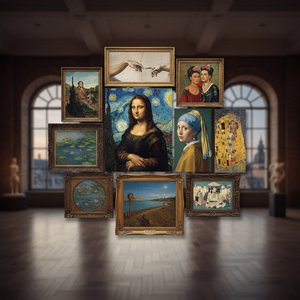 Oil on Canvas Masters: 10 Paintings That Redefined Art History |Journey through art history with our guide to 10 legendary oil on canvas masterpieces! Explore iconic works by Van Gogh, Monet & Rembrandt.…