Baroque
St. Peter (ხოსეპე დე რიბერა)
ხოსეპე დე რიბერა (1591–1652)-მა შექმნა St. Peter. ის Baroque მიძღვნილ სტილს მიეკუთვნება. შესრულებულია Oil On Canvas-ით. ნახატი დაცულია პრადოს მუზეუმი-ში, მადრიდი, ესპანეთი-ში.
- Oil On Canvas
- პრადოს მუზეუმი, მადრიდი

 წინასწარი ნახვა

 ხელით შესრულებული ზეთប្រეწერი
 გაგზავნა
 გაზიარება
 სპეცფიკაცია


 ჩამოტვირთვა
 მსგავსები
 რენტგენოგრაფიული კვლევა
 სლაიდშოუ
 კითხვა-პასუხი

 სტატისტიკა
St. Peter, მოკლედ
- სათაური
- St. Peter
- ავტორი
- ხოსეპე დე რიბერა (1591–1652)
- ხატვის წელი და ადგილი
- ხატივა, ესპანეთი
- ტექნიკა
- Oil On Canvas
- სად ნახვა შეგიძლიათ
- პრადოს მუზეუმი, მადრიდი, ესპანეთი
- მოძრაობა
- Baroque
- ეპოქა
- Early Modern
- სუბიექტი
- man, beard, book, keys, cloak, brown
რა არის გამოსახული St. Peter-ში?
The Portrait of St. Peter by Jusepe de Ribera
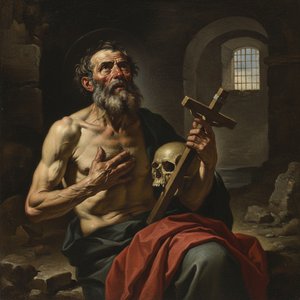
In this oil painting on canvas, Jusepe de Ribera presents us with a portrait of St. Peter. The subject, a central figure among the apostles of Jesus and recognized as the first Pope, is rendered with a profound sense of presence. Ribera focuses on the man himself, capturing the weight of his role and the character of his lived experience. There is a quiet intensity in the way the figure is presented, inviting a closer look at the weathered details of his countenance.
The work is a significant example of the Baroque style. Through this approach, the artist emphasizes the spiritual and human dimensions of the apostle. The depiction avoids idealization, opting instead for a directness that feels immediate. By focusing on the specific attributes of the saint, Ribera allows the subject to command the space, presenting a figure that is both a religious icon and a man of flesh and bone.
Composition and Visual Elements of the Portrait
The composition is built upon a stable pyramidal structure, with the head of St. Peter forming the apex of the form. He is presented from the waist up, his body turned slightly toward the viewer's left. In his right hand, he holds a book and a set of keys, objects that anchor the figure within the frame. This arrangement directs the eye upward toward his weathered features, creating a sense of quiet, grounded presence.
A strong light source enters from the left, illuminating his face and upper body while casting the rest of the figure into deep shadow. This light creates a sharp contrast against a background that is nearly black, pushing the subject forward into the viewer's space. The color palette is restrained, dominated by warm earth tones—ochre, brown, and gold—which emphasize the textures of his skin and the heavy folds of his clothing.
Technique and Artistic Style of the Work
The work is defined by a profound use of tenebrism, where the subject emerges from a nearly black background into a sharp, focused light. This dramatic chiaroscuro creates a sense of volume, pulling the figure forward and emphasizing the physical presence of the man. Such a heavy interplay of light and shadow reflects the influence of Caravaggio, grounding the religious subject in a palpable, earthly reality. The light source, positioned to the left, carves out the contours of the face and the weathered texture of the skin, casting deep shadows that heighten the emotional weight of the portrait.
Ribera’s approach to the medium is tactile and deliberate. He employs a technique of layering paint to build up depth, allowing the viewer to sense the physical weight of the drapery and the coarse nature of the beard. Visible brushstrokes are not hidden; instead, they contribute to the overall effect, lending a sense of immediacy to the rendering of the fabric and the aged features. Strong, defined lines delineate the eyes, nose, and mouth, providing a structural clarity that balances the more fluid, organic shapes of the figure. The result is a composition that feels both intensely personal and physically substantial.
Other Works by Jusepe de Ribera
The artist's exploration of this particular subject matter is reflected in several other significant pieces within our collection and major institutions. We hold St. Simeon 1 in our catalog, a work that speaks to the same profound human experience found in this portrait. Another notable piece in our collection is The Repentance of Saint Peter, which is currently housed in the Museum of Fine Arts, Lyon.
Beyond our own holdings, Ribera's preoccupation with the themes of remorse and spiritual weight is evident in other historical examples. The work known as Penitent St. Peter, dated about 1630, is held at the Kunsthistorisches Museum in Vienna. This piece shares a similar intensity in its depiction of the apostle's character. Additionally, The Tears of Saint Peter, which dates to 1612, is part of the collection at the Metropolitan Museum of Art in New York. These works collectively illustrate the artist's ability to capture the complexities of faith and the physical reality of the human condition through his characteristic use of light and shadow.
რომელ მუზეუმში ინახება St. Peter?
პრადოს მუზეუმი
მადრიდი, ესპანეთი
The History of Museo del Prado The origins of the Museo del Prado are tied to the Royal Collection of Spain, tracing back to the 18th century. What began as a vision for a Natural History Cabinet under Ferdinand VII eventually shifted toward a dedicated sanctuary for painting and sculpture. This transition transformed a scientific endeavor into a repository for the Spanish Crown's most significant treasures.


St. Peter-ის მაღალი გარ Auflხ resolución-ის გამოსახულებები
საჯარო საკუთრება: მხატვარი გარდაიცვალა 1652 წელს.
ხოსეპე დე რიბერა, St. Peter, პრადოს მუზეუმი. საჯარო საკუთრება
ფერები ციფრული ექსპერტის მიერ ორიგინალთან შესაბამისობაშია, ფაილი კი დახვეწილად არის რესტავრირებული და ზუსტად ასახავს მხატვრის ტექნიკას.
შეიძინეთ მაღალი გარ Auflusionის ფაილიკითხვები St. Peter-ზე, პასუხები
სად არის დღეს გამოფენილი ხოსეპე დე რიბერა-ის „St. Peter“?
ორიგინალი ხოსეპე დე რიბერა-ის „St. Peter“ პრადოს მუზეუმი, მადრიდი, ესპანეთი-ში ინახება. რესპროდუქცია კი საშუალებას გაძლევთ, ეს ნამუშევარი თქვენს სახლში გამოფენოთ.
რა ტექნიკით არის შექმნილი "St. Peter"?
"St. Peter" შესრულებულია Oil On Canvas-ით.
რა თემებია გამოსახული ნამუშევარში ხოსეპე დე რიბერა-ის „St. Peter“?
ხოსეპე დე რიბერა-ის „St. Peter“-ში წარმოდგენილი თემები მოიცავს man, beard, book, keys, cloak, brown, gold, skin-ს, რაც ერთობლიობაში ასახავს ნამუშევრის შინაარსს.
არის თუ არა ხოსეპე დე რიბერა-ის „St. Peter“ საჯარო დომენში?
ავტორული უფლებების სტატუსი ნამუშევრისთვის ხოსეპე დე რიბერა-ის „St. Peter“: ნამუშევარი არის საჯარო საკუთრებაშია — საავტორო უფლებები ამოწდა. ეს განსაზღვრავს, შესაძლებელია თუ არა გამოსახულების რეპროდუქციის თავისუფლად წარმოება.
ვინ შექმნა "St. Peter"?
"St. Peter" შექმნილია ხოსეპე დე რიბერა-ის მიერ. ამ გვერდზე მოცემული ინფორმაცია აღწერს ხოსეპე დე რიბერა-ის ორიგინალურ ნამუშევარს.
რომელ მხატვრულ მიმდევრობას წარმოადგენს ხოსეპე დე რიბერა-ის „St. Peter“?
ხოსეპე დე რიბერა-ის „St. Peter“ მიეკუთვნება Baroque მიმდევრობას. ეს მიმდევრობა ნამუშევარს სტილისტურ კონტექსტს სძენს.
ხოსეპე დე რიბერა-ის შემოქმედების რომელი პერიოდის ნაწილია "St. Peter"?
"St. Peter" წარმოადგენს ხოსეპე დე რიბერა-ის შემოქმედებით პერიოდს: Mature Period.
რას განმარტავს ხოსეპე დე რიბერა-ის „St. Peter“-ის საავტორო უფლებებთან დაკავშირებული მდგომარეობა?
„St. Peter“-ის საავტორო უფლებების სტატუსი — საჯარო საკუთრებაშია — საავტორო უფლებები ამოწდა — განპირობებულია მხატვრის იმ გარდაცვალებით, რომელიც 1652-ში მოხდა.
მდებარეობს თუ არა ხოსეპე დე რიბერა-ის „St. Peter“ ხელოვანის სამშობლოში?
დიახ — ნამუშევარი ინახება ხელოვანის სამშობლოში. ნამუშევარი „St. Peter“ დაცულია ესპანეთი-ში, მაშინ როცა ხოსეპე დე რიბერა დაიბადა ესპანეთი-ში.
ხელပاتარში: ხოსეპე დე რიბერა

1591–1652, ესპანეთი
ხოსეპე დე რიბერა
სიცოცხლის გზა ჩრდილისა და სინათლის შორის ხოსეპე დე რიბერა, რომელიც ბევრს ცნობილია როგორც Lo Spagnoletto – “პატარა ესპანელი” – ბაროკოს ეპოქის გამოჩენილი ფიგურა იყო, მხატვარი, რომლის ტილოებიც დრამატული ინტენსივობითა და შეუღლებლად რეალისტური ხედით პულსირებდა. დაიბადა 1591 წელს Xàtiva-ში, ესპანეთში, მისი მოგზაურობა შორს მიჰყვა ვალენსიის წარმოშობას და საბოლოოდ დამკვიდრდა XVII საუკუნის ნეაპოლში ერთ-ერთ მნიშვნელოვან მხატვარად, ქალაქი რომელიც იმ დროს ესპანეთის მართველობის ქვეშ იყო. რიბერას ცხოვრება არ იყო მხოლოდ სამხატვრო განვითარების ქრონიკა; ეს იყო ისტორია, რომელიც გაძნელებებით, ამბიციითა და ადამიანის მდგომარეობის პირველივე კომპლექსურობით იყო ჩაწერილი. მიუხედავად იმისა, რომ ადრეული ბიოგრაფიული დეტალები გარკვეულ მர்மაში არის გახვეული, ჩვენ ვიცით, რომ იგი 1607 წლისთვის იტალიაში ჩავიდა, თავდაპირველად დასახლდა რომში, სანამ 1616 წელს ნეაპოლს არ მიიზიდა – ქალაქი, რომელიც მისი სამხატვრო სახლი გახდა და მისი უნიკალური სტილის კრუსებელიც.
ხოსეპე დე რიბერა-ის შესახებ ხოსეპე დე რიბერა-ის გამორჩეული ნამუშევრები
ასევე ხოსეპე დე რიბერა-ის მიერ
 მაგდალენა ვენტურა ქმრით და ვაჟით1631
 კლუბფუთი
 St. Onuphrius1637
 The Duel of Women (The Duel of Isabella de Carazzi and Diambra de Pettinella)1636
ესეები St. Peter-ის შესახებ
 Mastering the Shadows: The Dramatic Power of Chiaroscuro and Tenebrism in Baroque Fine ArtExplore the profound drama of chiaroscuro and tenebrism. Discover how masters like Caravaggio used light and shadow to sculpt emotion and v…
 Masterpieces of Light: The Top 25 Artworks by Duccio di BuoninsegnaJourney through the divine elegance of Duccio di Buoninsegna. Explore 25 iconic Sienese masterpieces, from the Maestà to the Rucellai Madon…
 Jusepe de Ribera: Dramatic Realism & Spiritual Intensity in the Spanish Golden AgeExplore the powerful Baroque paintings of Jusepe de Ribera, master of tenebrism and dramatic realism. Discover his spiritual intensity, inf…