Neoclassicism
Wesley (ჯონ ჯექსონი)
ჯონ ჯექსონი (1778–1831)-მა შექმნა Wesley. ის Neoclassicism მიძღვნილ სტილს მიეკუთვნება. შესრულებულია Oil On Canvas-ით.
- Oil On Canvas

 წინასწარი ნახვა

 ხელით ნაკletი ზეთწერილი
 გაგზავნა
 გაზიარება
 საინფორმაციო ფურცელი


 ჩამოტვირთვა
 მსგავსები
 რენტგენოგრაფიული კვლევა
 სლაიდშოუ
 კითხვა-პასუხი

 სტატისტიკა
Wesley, მოკლედ
- სათაური
- Wesley
- ხატველი
- ჯონ ჯექსონი (1778–1831)
- ხატვის წელი და ადგილი
- ლასტინგჰემი, გაერთიანებული სამეფო
- ტექნიკა
- Oil On Canvas
- მიმდინარეობა
- Neoclassicism
- ეპოქა
- Early Modern
- სუბიექტი
- portrait, clergy, dignified, formal, neoclassical, authority
რა არის გამოსახული Wesley-ში?
Identification of the Portrait of Wesley
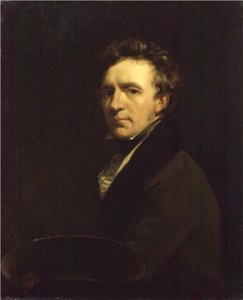
In this portrait, titled Wesley, the artist John Jackson presents a formal and dignified depiction of his subject. The work focuses on an elderly man, whose presence suggests the weight of a significant role, likely that of a clergyman or a judge. There is a quiet authority in his steady, contemplative expression, which meets the viewer with a sense of seasoned wisdom. The portrait captures a moment of stillness, focusing on the character and intellect of the sitter through a direct and serious gaze.
The subject is rendered in traditional clerical attire, which provides immediate insight into his social standing and professional life. He wears a long white wig and a black robe, accented by a stole that emphasizes his religious or judicial vocation. This specific choice of clothing, combined with the formal composition, establishes the sitter as a man of importance and discipline. The dark, indistinct background ensures that the viewer's attention remains fixed entirely upon the man and the textures of his garments.
Composition and Visual Elements
The composition is centered on the subject's head and shoulders, creating an immediate sense of presence. This focused arrangement draws the eye directly to the man's face, where a serious and contemplative expression suggests a life of deep thought. He is dressed in traditional clerical attire, characterized by a long white wig and a black robe that anchors the figure within the frame. The background remains dark and indistinct, a murky expanse that prevents distraction and pushes the subject into the foreground.
Lighting is used with a deliberate, dramatic intent. Strong highlights strike the face and the folds of the robes, carving out the form against the shadows. This chiaroscuro effect provides a sense of volume and weight to the figure. While the portrait feels intimate, the perspective is linear, utilizing subtle converging lines to suggest a sense of depth within the space. The interplay of light and shadow defines the contours of the clothing and the texture of the hair, grounding the figure in a tangible, physical reality.
Technique and Artistic Materials
The work is executed in oil paints on canvas, a choice that allows for a profound sense of depth and presence. Jackson employs a meticulous technique, characterized by careful observation and skillful brushwork that defines the contours of the face and the heavy folds of the clerical attire. There is a deliberate precision in how the light is handled, creating a sense of solidity through the careful application of pigment.
The texture of the piece is notably rich and layered. Through the use of impasto techniques, the artist has built up the surface to create a tangible quality, particularly visible in the rendering of the white wig and the heavy robes. This tactile approach provides a physical weight to the subject, ensuring that the interplay of light and shadow feels grounded and real rather than merely painted.
Related Works by John Jackson
Beyond this portrait, Jackson’s oeuvre reveals a consistent interest in the psychological depth of his subjects. His catalog includes Reginald Macdonald, a work that reflects his ability to handle formal portraiture. He also produced several self-portraits, which offer a more intimate look at the artist himself, providing a glimpse into his own character and the introspective nature of his practice. These works demonstrate his capacity to move between the public persona of a sitter and the private reality of the individual.
The artist’s technical range is further evidenced by his various studies, such as Flaxman. In these pieces, one can observe his command over oil textures and his specific approach to directional lighting. His ability to manipulate light and shadow is a recurring element across his various commissions. Whether working on a formal portrait or a focused study, Jackson maintained a commitment to capturing the essential presence of the person before him.
Wesley-ის მაღალი გარ Auflხ resolución-ის გამოსახულებები
საჯარო საკუთრება: მხატვარი გარდაიცვალა 1831 წელს.
ჯონ ჯექსონი, Wesley. საჯარო საკუთრება
კითხვები Wesley-ზე, პასუხები
რა მასალისგან არის შესრულებული ჯონ ჯექსონი-ის „Wesley“?
ჯონ ჯექსონი-ის „Wesley“-ის მასალა არის Oil On Canvas. რეპროდუქციების მიზანია ამ ტექნიკის ვიზუალური მხარის ზუსტი გადმოცემა.
რას ეხება "Wesley"?
ჯონ ჯექსონი-ის „Wesley“-ში წარმოდგენილი თემები მოიცავს portrait, clergy, dignified, formal, neoclassical, authority, wisdom, religious-ს, რაც ერთობლიობაში ასახავს ნამუშევრის შინაარსს.
შეიძლება თუ არა ჯონ ჯექსონი-ის „Wesley“-ის გამოსახულების თავისუფლად რეპროდუცირება?
ჯონ ჯექსონი-ის „Wesley“ არის საჯარო საკუთრებაშია — საავტორო უფლებები ამოწდა. ეს სტატუსი განსაზღვრავს, თუ როგორ შეიძლება ნამუშევრის გამოსახულების რეპროდუცირება.
ვინ არის „Wesley“-ის ავტორი?
ნამუშევრის „Wesley“ ავტორი არის ჯონ ჯექსონი. ნამუშევარი დატრიალებულია ჯონ ჯექსონი-ის სახელით.
რომელ ხელოვნების მიმდევრობას მიეკუთვნება ჯონ ჯექსონი-ის „Wesley“?
ჯონ ჯექსონი-ის „Wesley“-თან დაკავშირებული ხელოვნების მიმდინარეობა არის Neoclassicism. ეს კლასიფიკაცია ნამუშევარს მსგავს ხელოვანთა და ქსნეულობათა წრეში ათავსებს.
ჯონ ჯექსონი-ის შემოქმედებითი განვითარების რომელ ეტაპს წარმოადგენს „Wesley“?
ჯონ ჯექსონი-ის შემოქმედების პერიოდში „Wesley“ Mature Period-ს მიეკუთვნება. ეს ფაზა საშუალებას გვაძლევს, იგი ხელოვანის სხვა ნამუშევრებს შევადაროთ.
არის თუ არა ჯონ ჯექსონი-ის ნამუშევარი „Wesley“ საჯარო საკუთრებაში და რატომ?
ჯონ ჯექსონი-ის „Wesley“ არის საჯარო საკუთრებაშია — საავტორო უფლებები ამოწდა. საავტორო უფლებების ვადა ითვლება ხელოვანის გარდაცვალებიდან, რომელიც მოხდა 1831 წელს.
რა საერთო აქვს „Wesley“-ს ჯონ ჯექსონი-ის შემოქმედების სხვა ნაწილით?
"Wesley"-ს ჯონ ჯექსონი-ის სხვა ნამუშევრებთან საერთო აქვს Neoclassicism სტილი და განმეორებადი თემები: reflects jackson's skill, demonstrates mastery, typical of his portraits, established style, classical ideals, roman portraiture, neoclassical style, formal composition.
როგორ უკავშირდება „Wesley“-ის თემატიკა ჯონ ჯექსონი-ისთვის დამახასიათებელ ტრადიციულ თემებს?
ჯონ ჯექსონი-ის განმეორებადი თემები მოიცავს reflects jackson's skill, demonstrates mastery, typical of his portraits, established style, classical ideals, roman portraiture, neoclassical style, formal composition-ს; „Wesley“ ფოკუსირებულია portrait, clergy, dignified, formal, neoclassical, authority, wisdom, religious-ზე.
მხატვრის შესახებ, ჯონ ჯექსონი
1778–1831, გაერთიანებული სამეფო
ჯონ ჯექსონი
ადრეული ცხოვრება და ოსტატობის სწავლა: უნებლიე დასაწყისი ჯონ ჯექსონი, რომელიც 1778 წლის 31 მაისს, იორშენში მდებარე მშვენიერ სოფელ ლასტინგამში დაიბადა, იმ გზას აირჩია, რომელიც მის თავდაპირველ ბედისწერასთან სრულიად შეუსაბამო იყო. მისმა მამამ, პრაქტიკულმა თეილერმა, სურდა, რომ ვაჟი მასავად გაზრდილიყო და ახალგაზრდა ჯონი შესაბამისად მოუწყო ოსტატობის სწავლა. თუმცა, ქსოვილებისა და ნაკერების გარემოცვაშიც კი, მის შინაგან სამყაროში დაუზලავი მხატვრული მიდრეკილება იზრდებოდა. იგი ფარულად ხატავდა მეგობრებისა და ნაცნობების პორტრეტებს, რაც ოჯახური მოლოდინების წინააღმდეგ ჩუმად განხორციელებული ამბოხი იყო.
ჯონ ჯექსონი-ის შესახებ ჯონ ჯექსონი-ის გამორჩეული ნამუშევრები
ასევე ჯონ ჯექსონი-ის მიერ შექმნილი სხვა ნამუშევრები
 Portrait of a Man1822
 Reverend William Holwell Carr1827
 Portrait of a Gentleman1810
 Frederick, Duke of York (1763-1827)1822
ესეები Wesley-ის შესახებ
 The Artistry and Process of Bespoke Oil Painting: From Concept to CanvasMaster the technical artistry of bespoke oil painting from glazing to impasto. Discover the secrets of fine art commissions today.
 25 Essential Portraits by François Clouet: A Guide to His Finest WorksExplore 25 iconic François Clouet portraits from the French Renaissance. Discover the full collection online at OriginalUniqueArt.com.
 25 Essential John Collier Paintings: Iconic Portraits and Narrative ScenesExplore 25 iconic John Collier paintings and Pre-Raphaelite portraits. Discover the full collection online at OriginalUniqueArt.com.