

 წინასწარი ნახვა
 გაგზავნა
 გაზიარება
 დეტალები
 გზამკვლევი

 ჩამოტვირთვა
 მსგავსები
 რენტგენოგრაფიული კვლევა
 სლაიდშოუ
 სტატისტიკა
The Walking Tour


 გადასართად დაწვრილებით ნახეთ
ხელით ნაკვეთი ზეთის ტილოს რეპროდუქცია
ტილოზე შესრულებული ფერწერიანი ზეთប្រდათი, თქვენთვის სასურველი ზომისა და ჩარჩოსთვის, ჩვენი ხელოვანების მიერ შეკვეთის საფუძველზე დამზადებული. ( გადართვა ბეჭდზე გადასვლა ციფრულ გამოსახულებაზე)




P118B $10

P118H $10

P118W $10

P438Z $10

P508JH $12

P508YH $12

P805H $10

P805Z $10

P919BZ $10

P919G $10

P919XJ $10

P959ZH $10

P968JZ $12

W106C $8

W218G $10

W218JH $8

W218Y $10

W307PJ $10

W316G $10

W316PJ $8

W316Y $10

W398PJ $8

W4111J $10

W500HY $15

W500JH $15

W692G $12

W849H $8

W940BG $15

W953PJ $8




აირჩიეთ ჩვენს მიერ წინასწარ განსაზღვრული ზომებიდან, რომლებიც ნაწარმოების ორიგინალურ პროპორციებს შეესაბამება.

თქვენ შეგიძლიათ მიუთითოთ თქვენთვის სასურველი ზომები კონკრეტული ჩარჩოს ან სივრცის შესაბამისად. თუ თქვენ მიერ არჩეული ზომა არ შეესაბამება ორიგინალი გამოსახულების პროპორციებს, ჩვენ ან შევაჭრებთ ნაწარმოებს, ან ტილოზე დავამატებთ ხელით მოხატულ ელემენტებს. წარმოების დაწყებამდე, დამტკიცებისთვის გამოგეგზავნებათ ციფრული მაკეტი.
გთხოვთ, გაითვალისწინოთ, რომ ეკრანზე ნაჩვენები წინასწარი შეხედულება არ ასახავს რეალურ შეჭრას ან გაფართოებას. საბოლოო კომპოზიციას ზუსტად მხოლოდ მაკეტი წარმოაჩენს.
მიუხედავად იმისა, რომ შესაძლებელია ინდივიდუალური ზომების შერჩევა, ორიგინალური პროპორციების შენარჩუნებისათვის გირჩევთ, გამოიყენოთ წინასწარ განსაზღვრული სიის ზომები.
შეკვეთის შემდეგ, OriginalUniqueArt.com გუნდი დაგიკავშირდებათ ელექტრონული ფოსტით ინსტრუქციებისთვის და გამოგიგზავნით წინასწარ ნახაზს (mockup).
მიწოდება მსოფლიო მასშტაბით -ში 3/4 კვირაში, სტანდარტული 5 კვირის ნაცვლად. (21 სექტემბერი). ხარისხზე კომპრომისის გაკეთება არ მოხდება.

უფასო ექსპრეს მიწოდება მთელ მსოფლიოში

საბამად მაღალი ხარისხის ტილო

სრული ტრანსპორტირების დაზღვევა

საბაჟო გადასახადების დაბრუნების გარანტია

ფერების სრული შესაბამისობის გარანტია

დაბრუნების 100-დღიანი პოლიტიკა (მხოლოდ დეფექტის შემთხვევაში)

100% თანხის დაბრუნების გარანტია

ფასდაკლება დიდი რაოდენობით შეკვეთისას
 მინის ჩარჩოს არჩევანი ხელმისაწვდომია მხოლოდ 110 სმ-ზე ნაკლები ზომისთვის

The Walking Tour
რეკლამაციის ტექნიკა
რეკლამაციის ზომა
-


საბოლოო ფასი
$ 300
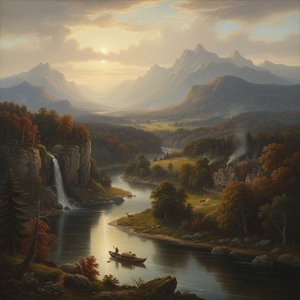
The Walking Tour – A Luminist Embrace of American Landscape
John Frederick Kensett’s “The Walking Tour,” painted in 1847, isn't merely a depiction of a picturesque landscape; it’s an invitation to contemplate the sublime beauty of nature and the quiet joy of exploration. This masterful work, now housed within the Metropolitan Museum of Art, exemplifies the Luminist movement – a distinctly American style that emerged in the mid-19th century, characterized by its emphasis on light, atmosphere, and serene observation. Kensett, a key figure in this artistic circle, eschewed dramatic narratives or heroic subjects, instead focusing on capturing the subtle nuances of the natural world with an almost meditative intensity.
The scene unfolds along a gently sloping path that winds through a vibrant, verdant valley. A meandering river, reflecting the soft hues of the sky, snakes its way through the foreground, drawing the viewer’s eye into the heart of the composition. Scattered amongst the trees and foliage are figures – likely members of a walking party – rendered with remarkable delicacy and suggesting an intimate connection to their surroundings. These aren't grand portraits; rather, they serve as anchors for our own imaginative journey, inviting us to share in the experience of quiet contemplation.
Kensett’s technique is remarkably understated yet profoundly effective. He employs a delicate layering of brushstrokes, creating an almost luminous effect – hence the term “Luminist.” The colors are muted and harmonious, dominated by shades of green, blue, and brown, all rendered with remarkable subtlety. Light plays a crucial role; it filters through the trees, dappling the landscape in shifting patterns, and bathing the scene in a soft, ethereal glow. This masterful manipulation of light isn’t about dramatic illumination but rather about capturing the subtle shifts in atmosphere that define a tranquil afternoon.
A Reflection of Transcendentalist Ideals
“The Walking Tour” is deeply rooted in the philosophical currents of its time – specifically, the Transcendentalist movement. Figures like Ralph Waldo Emerson and Henry David Thoreau were advocating for a closer connection with nature as a means of spiritual enlightenment. Kensett’s painting embodies this philosophy by presenting nature not as something to be conquered or exploited but as a source of profound beauty and inner peace. The figures in the scene aren't actively engaged in any particular activity; they are simply *present* within the landscape, absorbing its serenity and finding solace in its quiet grandeur.
The choice of subject matter – a leisurely walk through nature – is itself significant. It speaks to a growing appreciation for the outdoors during an era increasingly dominated by industrialization and urban life. The painting offers a respite from the hustle and bustle, inviting viewers to slow down, breathe deeply, and reconnect with the natural world.
Symbolism of Path and Perspective
The winding path that dominates the composition is more than just a physical element; it represents a journey – both literal and metaphorical. It symbolizes the exploration of nature, but also the exploration of one’s own inner landscape. The perspective subtly draws the viewer into the scene, creating a sense of immersion and inviting us to step into the painting ourselves.
The placement of the figures along the path suggests a shared experience – a collective appreciation for beauty and tranquility. They are not isolated individuals but rather participants in a larger narrative of connection with nature. The river, flowing towards the horizon, can be interpreted as a symbol of time and continuity, suggesting that this moment of serenity is part of an ongoing cycle.
Capturing American Identity
“The Walking Tour” is often considered a quintessential example of American landscape painting because it captures a uniquely American sensibility. Unlike European artists who frequently depicted grand historical scenes or mythological narratives, Kensett focused on the beauty and character of his native land. He sought to portray an idealized vision of America – one that was both beautiful and accessible, reflecting the nation’s burgeoning sense of identity.
Today, this painting continues to resonate with viewers who appreciate its quiet beauty, its subtle symbolism, and its profound connection to nature. It serves as a reminder of the importance of slowing down, appreciating the simple pleasures of life, and seeking solace in the natural world – values that remain remarkably relevant in our increasingly complex and fast-paced society.
მხატვრის ბიოგრაფია
სიცოცხლის გზა და ლანდშაფტებისადმი მიძღვნილი ცხოვრება
ჯონ ფრედერიკ კენსეტი, ამერიკელი მხატვარი და გრავერორი, დაიბადა 1816 წლის 22 მარტს კონექტიკუტის შტატის ჩეშირში. ჰუდზონის სკოლის მეორე თაობის წარმომადგენლად, კენსეტის გამორჩეული ნამუშევები ხასიათდება სიმშვიდე და სიცხადით, რაც ბუნების ტრანსცენდენტალურ ასპექტებს აღნიშნავს. ადრეულმა ცხოვრების წლებმა და სწავლობამ მნიშვნელოვანი როლი ითამაშა მის შემოქმედებაში. კენსეტიმ ჩეშირ აკადემიაში სიარული დაიწყო, შემდეგ კი მამის, თომას კენსეტის ხელოსნობაში ჩაერთო გრავერობით. 1838 წლამდე ნიუ-ჰევენში მუშაობდა, სანამ ნიუ-იორკში გადავიდოდა ბანკნოტების გრავურაზე სამუშაოდ. 1840 წელს კენსეტიმ ევროპა მოილოცა და ხატვის შესწავლა დაიწყო ბენჯამინ ჩემპნის გვერდით, რაც მის ნიჭის გა refinementებაში გადამწყვეტი ფაქტორი გახდა.სტუდიის დაარსება და ლუმინიზმის სტილი
ნიუ-იორკში სტუდიის დაარსების შემდეგ, კენსეტიმ აქტიურად მოგზაურობა დაიწყო ჩრდილო-აღმოსავლეთითა და კოლორადოს მთებში, რათა ამ ლანდშაფტების არსი გადმოეტანა. მისმა სტილმა ტრადიციული ჰუდზონის სკოლიდან უფრო გა refinementებული ლუმინიზმის მიმართულება აიღო, რაც არაწგნებულ ფუნჯით ხატვის უნარით გამოირჩევა და ატმოსფერული განათების თვისებებს წარმოადგენდა. 1851 წელს შექმნილი „მთა ვაშინგტონი კონვეის ხეობიდან“ (Mount Washington from the Valley of Conway) ამერიკის ხელოვნების კავშირმა შეიძინა და 13 000 გამოწერილს შორის გაავრცელა. „იტონის ყელი, ლონგ-აილენდი“ (Eaton's Neck, Long Island), რომელიც არის კენსეტის ლუმინიზმის სტილის ნათელი მაგალითი, დღეს ნიუ-იორკის მეტროპოლიტენის მუზეუმში ინახება.მემკვიდრეობა და მნიშვნელოვანი წვლილი
კენსეტი იყო მეტროპოლიტენის მუზეუმის დამფუძნებელი და ეროვნული დიზაინის აკადემიის სრული წევრი. მისი ნამუშევები, რომლებიც სიცოცხლის განმავლობაში ფართოდ აღიარებულ იქნა, დღესაც გავლენას ახდენს ლანდშაფტურ ხატვაზე. კენსეტის შემოქმედებაში განსაკუთრებული მნიშვნელობა აქვს მისმა მწვერვალებმა, რომლებიც არა მხოლოდ მხატვრული ღირებულებით, არამედ ისტორიულ კონტექსტითაც არის გამორჩეული. ძირითადი ნამუშევები:- „მზის ჩასვლა“ (Sunset Sky) (დაახლოებით 1870), მეტროპოლიტენის მუზეუმი, ნიუ-იორკი
- „სამი მილიანი бухта“ (Three Mile Harbor) (დაახლოებით 1860), ललित कला музей, ტალაჰასი
მთავარი მოქმედი პირები
კენსეტის შემოქმედებაში დიდი გავლენა ჰქონდა თომას კოლესა და ბენჯამინ ჩემპნის. თომას კოლი, ჰუდზონის სკოლის ერთ-ერთი დამფუძნებელი, კენსეტისთვის შთააგონების წყარო იყო ბუნებისადმი სიყვარულისა და ამერიკული ლანდშაფტის რომანტიკული ხედვის მხრივ. ბენჯამინ ჩემპნი კი ევროპაში მოგზაურობისას მნიშვნელოვანი თანამოსაუბარი იყო, რომელმაც კენსეტის ხატვის უნარებს გა refinementებაში დიდი როლი ითამაშა. ამ მხატვრებთან ურთიერთობამ კენსეტის შემოქმედებას ახალი სიღრმე და მიმართულება შესძინა.
ჯონ ფრედერიკ კენსეტი
1816 - 1872 , ამერიკის შეერთებული შტატები
მოკლე ინფორმაცია
- Artistic Movement Or Style: ჰადსონის სკოლა & ლუმინიზმი
- Artists Or Movements Influenced By This Artist: ['ლუმინიზმი']
- Artists Who Influenced This Artist:
- თომას კოული
- ბენჯამინ ჩემპნი
- Date Of Birth: 22 მარტი 1816
- Date Of Death: 14 დეკემბერი 1872
- Full Name: ჯონ ფრედერიკ კენსეტი
- Nationality: ამერიკელი
- Notable Artworks (List Of Titles):
- Mount Washington
- Eaton's Neck
- Place Of Birth (City And Country): ჩეშირ, აშშ
დაკავშირებული სტატიები

John Frederick Kensett: Luminosity, Landscape & the American Identity
Explore the luminous landscapes of John Frederick Kensett, a master of Luminism and key figure in the Hudson River School. Discover his serene paintings & enduring legacy with OriginalUniqueArt.
Capturing the American Spirit: A Journey Through Iconic Landscapes and the Legacy of the Hudson River School
Explore the profound beauty of American art history. From the Hudson River School to iconic landscapes, discover a curated journey through the masterpieces that defined a nation's spirit and the enduring legacy of American Romanticism.

The Sublime Landscape: Exploring the Hudson River School Movement
Explore the captivating world of the Hudson River School! Discover the history, artists, and defining characteristics of this iconic American art movement. Learn about Romanticism's influence & find inspiration for your collection.

ჰადსონის դպրոցի լավագույն 10 шеდევры: արվեստը, որ ձեւավորեց Ամերիկայի տեսարժան վայրերը
გაეცանի ჰადსონის դպրոցի լավագույն 10 шеդևրին! Thomas Cole-ից մինչև Albert Bierstadt, բացահայտեք ամերիկյան արվեստի պատմությունը և հասարակության գեղեցիկ տեսարանները: OriginalUniqueArt.com-ում գտնեք թանգարանի որակի վերարձկված նկարներ և ձևավորման ազդեցություն: ուսումնասիրեք ամբողջական հավաքածուն առցանց:

Robert Spencer: Luminism, Narrative & the American Landscape Tradition
Explore the captivating world of Luminism & the Hudson River School with our expert analysis. Discover the history, artists, and enduring beauty of 19th-century American landscape painting. Find museum-quality reproductions at OriginalUniqueArt.


