Surrealist Expressionism · 1924
Maternity (ჟოან მირო, 1924)
ჟოან მირო (1893–1983)-მა შექმნა Maternity. დათარიღებულია 1924 წლით. ის Surrealist Expressionism მიძღვნილ სტილს მიეკუთვნება. შესრულებულია Oil On Canvas-ით. ზომა: 92 × 73 cm
- 1924
- Oil On Canvas
- 92 × 73 cm

 წინასწარი ნახვა

 ხელით ნაკletი ზეთწერილი
 გაგზავნა
 გაზიარება
 საინფორმაციო ფურცელი


 ჩამოტვირთვა
 მსგავსები
 რენტგენოგრაფიული კვლევა
 სლაიდშოუ
 კითხვა-პასუხი

 სტატისტიკა
Maternity, მოკლედ
- სათაური
- Maternity
- ხატველი
- ჟოან მირო (1893–1983)
- ხატვის წელი და ადგილი
- ბარსელონა, ესპანეთი
- თარიღი
- 1924
- ტექნიკა
- Oil On Canvas
- ზომები
- 92 × 73 cm
- მიმდინარეობა
- Surrealist Expressionism
- ეპოქა
- High Medieval
- სუბიექტი
- maternity, surrealism, dreams, figures, abstraction, catalan
რა არის გამოსახული Maternity-ში?
A Surrealist Dreamscape: Unpacking Joan Miró’s “Maternity”
Joan Miró's "Maternity," painted in 1924, isn’t merely a depiction of motherhood; it’s an immersion into the artist’s intensely personal and profoundly evocative inner world. This oil-on-canvas work, housed within the Fundació Joan Miró in Barcelona, transcends simple representation to become a shimmering embodiment of subconscious imagery and Catalan identity. The painting immediately captivates with its dreamlike quality – a carefully orchestrated chaos of biomorphic shapes arranged against a stark white backdrop that amplifies their strangeness and invites endless interpretation. It’s a testament to Miró's pioneering role in Surrealism, where the familiar is deliberately distorted and the rational yields to the intuitive. The work feels both intensely private and universally resonant, tapping into primal themes of creation, nurture, and perhaps even a touch of unsettling vulnerability.Composition and Technique: A Language of Symbols
The composition of “Maternity” is remarkably balanced despite its apparent randomness. A dominant, almost monolithic black shape anchors the lower right quadrant, providing a grounding element to the otherwise fluid arrangement of forms. Thin, curving lines – like veins or pathways – connect these shapes, creating a network that subtly guides the eye through the scene. Miró masterfully employs asymmetry; this prevents the image from feeling static and encourages the viewer to actively engage with its narrative. The brushwork is remarkably smooth, suggesting a controlled application of paint rather than an impastoed texture, contributing to the painting’s overall sense of flatness and dreamlike detachment. Miró's technique here isn’t about meticulous detail but about conveying feeling – a deliberate rejection of photographic realism in favor of a purely expressive language. The use of limited color—primarily white, black, red, yellow, and blue—further emphasizes the symbolic weight of each element.Decoding the Symbolism: Beyond the Literal
While “Maternity” undeniably evokes themes of motherhood and nurturing, Miró intentionally resists straightforward interpretation. The central figure, reduced to a series of interconnected lines and suggestive shapes, is barely recognizable as a woman. Instead, we encounter a complex iconography – a large, black shape resembling a womb or perhaps a stylized mountain, two insect-like infants suspended from breasts, and a piercing hole in what appears to be a skirt. These elements, combined with the sperm-like form swimming across the canvas, create a potent visual metaphor for creation, vulnerability, and the cyclical nature of life. The reference to a Spanish dancer’s polka-dot dress—a fleeting memory from Miró's early years—adds another layer of intrigue, hinting at the artist’s personal history and artistic evolution. The painting is not about depicting motherhood; it’s about embodying its essence through a carefully constructed system of symbols.Historical Context and Artistic Influence
“Maternity” was created during a pivotal period in Miró's career – following his move to Paris in 1920 and his immersion within the burgeoning Surrealist movement. Influenced by artists like André Masson, he began to prioritize inner experience over external observation, developing a unique visual language characterized by abstract forms, biomorphic shapes, and a deliberate rejection of traditional perspective. The painting reflects this shift, moving away from the detailed landscapes of his earlier work towards a more symbolic and emotionally charged style. It’s important to note that Miró's artistic journey was deeply rooted in Catalan tradition – the rugged landscape, the folklore, and the spirit of his homeland all found their way into his art, albeit filtered through the lens of Surrealism. The Fundació Joan Miró, established in Barcelona, stands as a testament to this enduring connection between the artist and his cultural heritage.Emotional Resonance and Artistic Legacy
“Maternity” possesses a lingering sense of both whimsy and melancholy. It’s a painting that invites contemplation, prompting viewers to project their own emotions and experiences onto its enigmatic imagery. The ambiguity inherent in Miró's work—the lack of clear narrative or definitive meaning—is precisely what makes it so compelling. It’s a reminder that art can be more than just representation; it can be a portal into the subconscious, a space for dreams and fantasies, and a profound exploration of the human condition. Reproductions of this iconic piece offer a unique opportunity to bring this surrealist masterpiece into any interior space, sparking conversation and inviting viewers to lose themselves in its captivating world.Maternity-ის მაღალი გარ Auflხ resolución-ის გამოსახულებები

დაცული არის საავტორო უფლებით: ეს ფაილები განკუთვნილია პირადი გამოყენებისთვის და არა ხელახალი გამოცემის უფლებისთვის.
ჟოან მირო, Maternity (1924).
კითხვები Maternity-ზე, პასუხები
რა ტექნიკა გამოიყენეს ჟოან მირო-ის „Maternity“-ის შესაქმნელად?
რა არის ორიგინალი ჟოან მირო-ის „Maternity“-ის ზომები?
ორიგინალის ზომა „Maternity“-ისთვის არის 92 x 73 cm. ორიგინალის ზომები სასარგებლო ინფორმაციაა რეპროდუქციის ზომის შერჩევისას.
რა თემებია გამოსახული ნამუშევარში ჟოან მირო-ის „Maternity“?
სურათის "Maternity" თემებს წარმოადგენს maternity, surrealism, dreams, figures, abstraction, catalan, symbolism, reproduction.
არის თუ არა ჟოან მირო-ის „Maternity“ საჯარო დომენში?
რომელ ხელოვანს მიეწერება "Maternity"?
რომელ სტილს მიეკუთვნება "Maternity"?
"Maternity" არის Surrealist Expressionism სტილის ნამუშევარი. აღნიშნული მიმდინარეობა ასახავს იმ მხატვრულ ტრადიციას, რომლის ნაწილიცაა ეს ნამუშევარი.
ჟოან მირო-ის შემოქმედების რომელ პერიოდს მიეკუთვნება „Maternity“?
მხატვრის შესახებ, ჟოან მირო
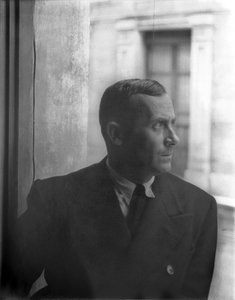
1893–1983, ესპანეთი
ჟოან მირო
The Life and Art of Joan Miró Barcelona, April 20, 1893. Joan Miró i Ferrà enters a world of precision and gears, born into a family of watchmakers. This early environment provides a backdrop of meticulous craftsmanship that persists through his evolution as a painter, sculptor, and ceramicist. He moves through the decades not by following a set path, but by constantly shifting his focus, eventually becoming a central figure in the development of Surrealism and Abstract Art.
ასევე ჟოან მირო-ის მიერ შექმნილი სხვა ნამუშევრები
 ფერმა1922
 ჰარლეკინის კარნავალი1925
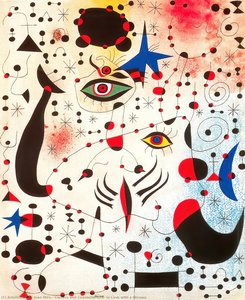 შიფრები და თანავარსკვლავედები, შეყვარებული ქალის სიყვარულში1941
 ჯონ მიროს "კატალონიური 풍경ი (მოჭერილი)"1924
ესეები Maternity-ის შესახებ
 Dreamscapes Unveiled: Top 10 Surrealist Masterpieces to ExploreStep into a world of dreams with our curated guide to 10 iconic surrealist masterpieces. From Dali to Magritte, explore the stories behind …
 25 Masterpieces by Joan Miró: The Ultimate Guide to the Surrealist IconJourney through the surrealist universe of Joan Miró. Explore 25 iconic masterpieces, from biomorphic shapes to vibrant abstractions. Find …
 Hidden Meanings: 10 Iconic Artworks That Master the Art of SymbolismUncover the hidden meanings behind history's most iconic paintings. From surrealist metaphors to Renaissance allegories, explore 10 masterp…