ნახვა ინტერьерში
 გაგზავნა
 გაზიარება
 დეტალები
 გზამკვლევი

 ჩამოტვირთვა
 მსგავსები
 რენტგენოგრაფიული კვლევა
 სლაიდშოუ
 სტატისტიკა
House with Palm Tree
 Oil
Oil- WallArt
- Surrealism and Fauvism
 1918
1918- Modern
 65.0 x 73.0 cm
 სრული ტექსტის ნახვა
ამ გვერდზე წარმოდგენილი ნამუშევარი დაცულია საავტორო უფლების შესახებ კანონმდებლობით, რაც იმას ნიშნავს, რომ ჩვენ არ გვაქვს მისი იდენტური რეპროდუქციის შექმნის ან გაყიდვის სამართლებრივი უფლება. აღნიშნული დაცვა უზრუნველყოფილია ისეთი საერთაშორისო შეთანხმებებით, როგორიცაა ბერნის კონვენცია და ეროვნული კანონმდებლობით, მათ შორის იმ კანონებით, რომლებიც დეტალურად არის გაწერილი აშშ-ის საავტორო უფლების შესახებ კანონი - თავი 17.
ეს მეთოდი სრულად შეესაბამება საავტორო უფლებების რეგულაციებს, რადგან ის არ გულისხმობს დაცული ნამუშევრის კოპირებას ან დუბლირებას. ამგვარად, ეს წარმოადგენს შემოქმედებით რეინტერპრეტაციას — ახალ ნახატს, რომელიც შთაგონებითაა განპირობებული ორიგინალით, თუმცა არ არის მის იდენტურ ასლს.
გიკლე / ხელოვნების პრინტი
მუზეუმის დონის ჟიკლე ან ტილოზე ბეჭდვა სწრაფი წარმოებისა და დასრულების მოქნილი ვარიანტებით. ( შეიძინეთ ხელით შესრულებული ნახატი გადასვლა ციფრულ გამოსახულებაზე)




P118B ₾10

P118H ₾10

P118W ₾10

P438Z ₾10

P508JH ₾12

P508YH ₾12

P805H ₾10

P805Z ₾10

P919BZ ₾10

P919G ₾10

P919XJ ₾10

P959ZH ₾10

P968JZ ₾12

W106C ₾8

W218G ₾10

W218JH ₾8

W218Y ₾10

W307PJ ₾10

W316G ₾10

W316PJ ₾8

W316Y ₾10

W398PJ ₾8

W4111J ₾10

W500HY ₾15

W500JH ₾15

W692G ₾12

W849H ₾8

W940BG ₾15

W953PJ ₾8




აირჩიეთ ჩვენს მიერ წინასწარ განსაზღვრული ზომებიდან, რომლებიც ნაწარმოების ორიგინალურ პროპორციებს შეესაბამება.

შეიყვანეთ თქვენთვის საჭირო სიგანე და სიმაღლე, რათა იგი მოერგოს თქვენს ჩარჩოს ან კედელს. ბეჭდვისას შესაძლებელია მხოლოდ მისი შემცირება და არა გაზრდა, ამიტომ სხვა ფორმის ზომის შემთხვევაში გამოსახულება ნაწილობრივ იკარგება. სანამ რაიმეს დაბეჭდავთ, ჩვენ გამოგიგზავნით ციფრულ მაკეტს დასდასტურებლად. ამ გვერდზე ნაჩვენები სურათი არ ასახავს რეალურ ჭრას — ამას მხოლოდ მაკეტი გვიჩვენებს.
მიწოდება მთელ მსოფლიოში () 2 კვირაში, სტანდარტული 4/5 კვირის ნაცვლად. (23 ოქტომბერი)

უფასო ექსპრეს მიწოდება მთელ მსოფლიოში

მაღალი ხარისხის ტილო

ტრანსპორტირების სრული დაზღვევა

საბაჟო გადასახადების დაბრუნების გარანტია

ფერების სრული შესაბამისობის გარანტია

დაბრუნების 100-დღიანი პერიოდი (მხოლოდ წარმოების დეფექტის შემთხვევაში)

100% თანხის სრული დაბრუნების გარანტია

ფასდაკლება დიდი რაოდენობით შეკვეთისას
 მინის ჩარჩოს არჩევანი ხელმისაწვდომია მხოლოდ 110 სმ-მდე ზომისთვის

House with Palm Tree
გიკლე / ხელოვნების პრინტი
რეპროდუქციის ზომა
-


ჯამური ღირებულება
₾ 209
A Dreamscape in White and Blue: Unpacking Joan Miró’s “House with Palm Tree”
Joan Miró’s “House with Palm Tree,” painted in 1918, isn't merely a depiction of a building and a tree; it’s a portal into the artist’s subconscious, a vibrant distillation of Catalan identity, and a pivotal work marking his early experimentation with Surrealist and Fauvist aesthetics. Measuring a modest 65 x 73 cm, this painting immediately captivates with its bold color palette – primarily a luminous blue sky juxtaposed against the stark white facade of the house – yet it’s the underlying sense of playful abstraction and dreamlike logic that truly defines its power. Miró, already wrestling with the burgeoning artistic movements of his time, sought to capture not just what he *saw*, but what he *felt*—a deeply personal vision rendered in a language uniquely his own.
The composition itself is deceptively simple. A white house, almost luminous against the azure backdrop, dominates the foreground. Its architecture is stylized and somewhat simplified, hinting at a traditional Catalan farmhouse rather than a precise representation. A clock is prominently displayed on its side, a recurring motif in Miró’s work that often symbolizes time, memory, and the passage of experience. A palm tree, rendered with an almost childlike exuberance, stands proudly before the house, anchoring the scene and adding a touch of tropical exoticism – a subtle nod to Miró's native Catalonia. The inclusion of smaller buildings in the background suggests a village or community, grounding the dreamscape in a recognizable reality while simultaneously maintaining an element of mystery.
Echoes of Fauvism and Early Surrealism
“House with Palm Tree” firmly establishes Miró’s early engagement with both Fauvist and Surrealist principles. The vibrant, unmodulated colors—the intense blue sky, the stark white house—are characteristic of the Fauves, a movement known for its rejection of naturalistic representation in favor of expressive color. However, unlike the purely decorative use of color by the Fauves, Miró employs it to evoke emotion and create a sense of atmosphere. Simultaneously, the painting’s illogical composition, ambiguous forms, and dreamlike quality align it with the nascent Surrealist movement, which sought to unlock the power of the unconscious mind.
Miró's artistic journey during this period was marked by experimentation. He drew inspiration from a diverse range of sources – Van Gogh’s expressive brushstrokes, Cézanne’s geometric simplification, and the naive art traditions of Catalonia. This eclectic mix informed his unique style, characterized by biomorphic shapes, symbolic imagery, and a playful disregard for conventional perspective. “House with Palm Tree” exemplifies this synthesis, blending elements of observation with imaginative invention.
Symbolism and Catalan Identity
Beyond its formal qualities, "House with Palm Tree" is rich in symbolism. The house itself can be interpreted as representing the artist’s homeland – Catalonia – a place deeply ingrained in his identity and artistic vision. The palm tree, a prominent symbol of the Mediterranean region, further reinforces this connection. The clock, frequently appearing in Miró's work, may represent time, memory, or perhaps even the cyclical nature of life. Even the stark white color of the house could be seen as representing purity, simplicity, and the enduring spirit of Catalan culture.
Miró’s art was deeply intertwined with his personal experiences and cultural heritage. He frequently incorporated elements of Catalan folklore, mythology, and landscape into his paintings, creating a visual language that resonated with both local audiences and international collectors. “House with Palm Tree” is a testament to this commitment, offering a glimpse into the artist's inner world and his profound connection to his homeland.
A Legacy in Reproduction
OriginalUniqueArt.com offers meticulously crafted oil painting reproductions of "House with Palm Tree," allowing art enthusiasts and collectors to bring this iconic work into their homes. Our hand-painted reproductions capture not only the visual details but also the emotional depth and atmospheric quality of Miró’s original masterpiece. Each reproduction is created using traditional techniques and high-quality materials, ensuring a faithful representation of the painting's vibrant colors and dynamic composition. Owning a reproduction of “House with Palm Tree” is more than just acquiring a beautiful artwork; it’s an opportunity to connect with one of the 20th century’s most innovative and influential artists.
Further Exploration: For deeper insights into Joan Miró's life, work, and artistic influences, we encourage you to visit these resources: Joan Miró: House with Palm Tree, Joan Miró on Wikipedia, and explore the collections of the Fundació Joan Miró in Barcelona and Palma.
კითხვები და პასუხები
სად არის რეკომენდებული „House with Palm Tree“-ის Landscape ფორმატის გამოფენა?
ჯოან მიროს-ის „House with Palm Tree“-ის Landscape ფორმატი რეკომენდებულია Living Room-ისთვის. ფორმატი და სივრცე ერთობლივად განსაზღვრავს რეპროდუქციის განლაგების საუკეთესო გზას.
რა ტექნიკით არის შესრულებული ჯოან მიროს-ის „House with Palm Tree“?
"House with Palm Tree" შესრულებულია Oil-ით.
რამდენად მკვეთრია ფერები ნამუშევარში ჯოან მიროს-ის „House with Palm Tree“?
ჯოან მიროს-ის „House with Palm Tree“-ში შეფარებული ფერების ინტენსივობა არის Balanced.
მხატვრის ბიოგრაფია
ჟოან მიროს ცხოვრება და შემოქმედება: კატალონიური ხედვა
ჟოან მირო ი ფერრა, 1893 წლის 20 აპრილს ბარსელონაში დაბადებული, XX საუკუნის ერთ-ერთი ყველაზე მნიშვნელოვანი მხატვარია. მისი გზა არ იყო მხოლოდ სტილების ცვლა, არამედ შინაგანი სამყაროების შესწავლა, ოცნებების, ხსოვნებისა და კატალონიური იდენტობის თარგმნა ტილოზე უნიკალური პოეტური ვიზუალური ენით. თავიდანვე მძიმე ბავშვობიდან, როდესაც მშობლები ეჭვქვეშ აყენებდნენ მის მხატვრულ მისწრაფებებს, მირო განაგრძო წინსვლა, უნებლიეთ მოქალაქეობითი საჭიროებით გამოხატოს ისეთი არაცნობიერი ძალები, რომლებიც ზედაპირის ქვეშ იმალება. მისი ადრეული ცხოვრება მჭიდროდ იყო დაკავშირებული ბარსელონას ტრადიციებთან, ქალაქს, რომელიც სავსეა ანტონი გაუდის არქიტექტურული ნაციოტრფანთებით, რომელთა ორგანული ფორმებიც დაეხმარნენ მიროს მოგვიანებით აბსტრაქციისკენ. მამის ოქროკეთების პროფესია განავითარებდა ზუსტობასა და ხასიათს, ხოლო ქედრული კატალონიური ლანდშაფტი იყო მისი შემოქმედების განუვალო შთაგონება.მხატვრის გზა: სურეალიზმისკენ
მიროს ფორმალური მხატვრული განათლება დაიწყო ბარსელონაში, ლოტის ხელოვნებათა పాఠში, სადაც მან გაამდიდრა ტექნიკური უნარები. თუმცა, სწორედ პარიზის ავანგარდის მოძრაობებთან შეხება იყო იმ მომენტი, რომელმაც მისი კრეატიული განვითარება დააჩქარა. ფავიზმის მკვეთრი ფერები და კუბიზმის გატყორცნილი ფორმები მას ღრმად აღესლდნენ, რაც მას 1920 წელს პარიზში გადასვლისკენ უბიძგა. ეს პერიოდი გადამწყვეტი აღმოჩნდა, რადგან მან შეხვდა მხატვრებს, როგორებიც არიან პაბლო פיקאסו და დაიწყო კომპოზიციების უფრო და უფრო აბსტრაქტული ექსპერიმენტები. მირო არ უნანიებდა ამ სტილებს, არამედ სინთეზირებდა მათ, საკუთარი გამორჩეული ესთეტიკისკენ სწრაფვას. ის ცდილობდა ფორმების არსს დაემორძგებლათ, წარმოსადგენლობის დეტალები მოაცილებოდა სიმბოლურ ფორმებსა და გამოხატვის ფერებს შორის ბალანსი. ეს შესწავლა მისთვის სურეალიზმის ჯგუფიდან გაწევრიანებას უზრუნველყოფდა 1924 წელს, სადაც ის შეხვდა მაქს ეურნსტსა და სლავადორ 달ის. მიუხედავად იმისა, რომ ის მიიღებდა სურეალიზმის ინტერესს ქვეცნობიერთა მიმართ, მირო ინარჩუნებდა უნიკალურ გრძნობას - მისი ნამუშევრები ნაკლებად ეხებოდა შოკისმომგვრელ გამოსახულებას ან ფრეიდიანურ სიმბოლურ მნიშვნელობებს და უფრო მეტად იყო განკუთვნილი სათამაშო ფორმებისა და პოეტური შეთავაზებების სამყაროს შესაქმნელად.სიმბოლოების ენა: ძირითადი ნაშრომები და მხატვრული სიახლეები
1920-იან და 30-იან წლებში მიროს განვითარდა მისი გამორჩეული ვიზუალური ლექსიკონი - ფორმებით დას populated სამყარო, რომელიც ხასიათდება მკაფიო ფერებით და უშუალო ფორმებით. "ფერმა" (1922), ხშირად განიხილება მისი ოევრის საფუძვლად, წარმოადგენს ამ გარდაქმნის მაგალითს. ეს არ არის მხოლოდ სოფლის ცხოვრების აღწერა, არამედ კატალონიური იდენტობის გამოხატვა და ბუნებრივი სამყაროს სიმბოლური წარმომადგენლობა. მისი თანამშრომლობითი 정신ის შედეგად დაიბრუნა ინოვატორული ტექნიკები, როგორებიც არის გრატაჟი*, რომელიც პირველად განავითარა მაქს ეურნთან ერთად 1926 წელს სერგეი დიაგილევის ბალეტისთვის. ის გამოავლინა ტექსტურები ტილოზე საღებავის დაზიანებით. *ნიდერლანდური ინტერიერები (1928)* წარმოადგენს ძველი მასტერების ინტერპრეტაციას, რომელიც მკვეთრი თანამედროვე ხედვით არის შესრულებული, ტრადიციულ სცენებს ოცნებურ აბსტრაქციებად გარდაქმნილი. "პეინტინგი (1933)", თავისი ნათელ ფერებითა და უშუალო ფორმებით, წარმოადგენს ქვეცნობიერთა შესწავლისა და ტრადიციული მხატვრული საზღვრების უარყოფნის გამოკვლევას. ζωγραφικής გარდა, მირო გაბედავებით ექსპერიმენტებდა ქანდაკებასთან, კერამიკასთან და გრაფიკისთან, მისი ჰორიზონტის გაფართოებასა და გამორჩეული მრავალფეროვნების დემონსტრირებას.მემკვიდრეობა და მდგრადი გავლენა
ჟოან მიროს ზემოქმედება XX საუკუნის ხელოვნებაზე უდავოა. ის არ იყო მხოლოდ მხატვარი, არამედ ხედვა sahibi, რომელმაც გამოწვեց ხელოვნების გამოხატვის განმარტებას. მისი ნაშრომებმა გაიოლა აბსტრაქტული გამოხატვისკენ და დღემდე ავლენს გავლენას სხვადასხვა დარგის მხატვრებზე. მან დაარსა ორი ფონდი - Fundació Joan Miró ბარსელონაში (1975) და Fundació Pilar i Joan Miró 팔마 de Mallorca-ში (1981), რაც უზრუნველყოფდა მისი მემკვიდრეობის შენარჩუნებას, ხელოვნების შესწავლისა და განათლების სივრცეებს ქმნიდა. მთელი ცხოვრების განმავლობაში ის ერთგული იყო საზღვრების გადაკვრისთვის, კონვენციების გამოწვევისთვის და ადამიანის ფანტაზიის სიღრმის შესწავლისთვის. მიროს ხელოვნება არის აბსტრაქციის, სიმბოლიზმის და პოეტური გამოხატვის მადლიერება - ცხოვრების, ოცნებების და კატალონიური კულტურის განუვალო სულის მხიარული აღნიშვნა. მისი ნამუშევრები დღემდე აინტერესებს მსოფლიოს მასშტაბით, მოგვწოდებენ სამყაროში შესასვლელად, სადაც ყველაფერი შესაძლებელია და რეალობასა და ფანტაზიას შორის ხდება მომხიბლავი ფერებითა და ფორმებით ცეკვა.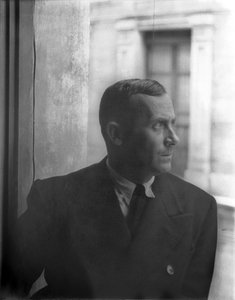
ჯოან მიროს
1893 - 1983 , ესპანეთი
მოკლე ფაქტები
- Artistic Movement Or Style: სურრეალიზმი, აბსტრაქტული ხელოვნება
- Artists Or Movements Influenced By This Artist:
- სურრეალიზმი
- აბსტრაქტული ხელოვნება
- Artists Who Influenced This Artist:
- ვან გოგი
- სეზანი
- Date Of Birth: 1893 წლის 20 აპრილი
- Date Of Death: 1983 წლის 25 დეკემბერი
- Full Name: ჟოან მიროს რიფერა
- Nationality: ესპანელი
- Notable Artworks:
- The Farm
- Dutch Interiors
- Painting
- Place Of Birth: ბარსელონა, ესპანეთი
მსგავსი სტატიები
Arboreal Echoes: A Historical & Artistic Exploration of Trees in Painting
Explore the rich history of trees in painting! Discover symbolism, Romantic masterpieces by Caspar David Friedrich & beyond. A curated journey for art enthusiasts.
სურნეალიზმის 10 შედევრი: ხელოვნების განცვიფრებულ სამყველში
აღმოფრთოვანდით სურნეალიზმის 10 უმშვენიერეს შედევრს! დალი, მაგრიტი და სხვა მხატვრების საოცარი სამყველო. ითვლით ხელოვნების ისტორიას და შეიძინეთ музейური ხარისხის ტილოები OriginalUniqueArt-ზე. აღმოაჩინეთ ყველა შედევრი ონლაინ!
სურნატისტური მოძრაობა: 10 შედევრი, რომელმაც განსაზღვრა ხელოვნება
აღმოფრთოვანდით სურნატისტური ხელოვნების 10 შედევრით! დალის, მაგრიტის და გიონის ტილოები – მათი ისტორია, მნიშვნელობა და ხატოვანი ძალა. იხილეთ საუკეთესო ნახვრები OriginalUniqueArt-ზე და შექმენით უნიკალური ინტერიერი!

Arboreal Echoes: A Historical & Artistic Exploration of Trees in Painting
Explore the rich history of trees in painting! Discover symbolism, Romantic masterpieces by Caspar David Friedrich & beyond. A curated journey for art enthusiasts.
ჟუან მიროს 25 შედევრი: ხელოვნების ისტორია თქვენს სახლში | OriginalUniqueArt.com
აღმოაჩინეთ ჟუან მიროს 25 უნიკალური შედევრი! სურრეალიზმის ფერადი სამყარო, კატალონური ხელოვნების სიმდიდრე და თანამედროვე ინტერიერის დიზაინის შთაგონება OriginalUniqueArt.com-ზე. შეიძინეთ ხარისხიანი რეპროდუქციები ონლაინ!