სურრეალიზმი · 1925
Dancer (ჟოან მირო, 1925)
ჟოან მირო (1893–1983)-მა შექმნა Dancer. დათარიღებულია 1925 წლით. ის სურრეალიზმი მიძღვნილ სტილს მიეკუთვნება. შესრულებულია ზეთი ტილოზე-ით. ზომა: 115 × 88 cm
- 1925
- ზეთი ტილოზე
- 115 × 88 cm

 წინასწარი ნახვა

 ხელით ნაკletი ზეთწერილი
 გაგზავნა
 გაზიარება
 საინფორმაციო ფურცელი


 ჩამოტვირთვა
 მსგავსები
 რენტგენოგრაფიული კვლევა
 სლაიდშოუ
 კითხვა-პასუხი

 სტატისტიკა
Dancer, მოკლედ
- სათაური
- Dancer
- ხატველი
- ჟოან მირო (1893–1983)
- ხატვის წელი და ადგილი
- ბარსელონა, ესპანეთი
- თარიღი
- 1925
- ტექნიკა
- ზეთი ტილოზე
- ზომები
- 115 × 88 cm
- მიმდინარეობა
- სურრეალიზმი
- ეპოქა
- თანამედროვე ეპოქა
- სუბიექტი
- მტერი, სურრეალიზმი, მოძრაობა, ლურჯი, სიმბოლიზმი, აბსტრაქტული
რა არის გამოსახული Dancer-ში?
A Dance Between Dreams and Reality
Joan Miró’s *Dancer*, created in 1925, is a captivating exploration of movement and stillness rendered through the lens of Surrealism. This oil on canvas (115 x 88 cm) isn't merely a depiction of a dancer; it’s a visual poem—a distillation of rhythm, energy, and subconscious thought. Miró masterfully translates the ephemeral quality of dance into a static image, inviting viewers to participate in its silent performance.Inspiration & Historical Context
The genesis of *Dancer* lies in Miró’s fascination with a performance he witnessed at Eden Concert in Barcelona. However, rather than a literal representation, the painting embodies the *feeling* of dance—its fluidity and grace juxtaposed with an underlying sense of quietude. Created during a period when artists were actively challenging traditional artistic conventions, *Dancer* reflects the burgeoning Surrealist movement’s interest in exploring the realm of dreams, the unconscious mind, and automatic processes. While Miró resisted strict categorization within any single movement, his work undeniably shares key characteristics with Surrealism, particularly its embrace of symbolism and non-representational forms. 1925 was a pivotal year for the Surrealists, marked by their first group exhibition in Paris, further solidifying the artistic landscape that influenced Miró’s creative direction.Composition & Symbolic Language
The canvas is dominated by deep blues layered over a warm brown primer, creating a grounding effect and framing the dynamic composition. A striking black and white form suggests the dancer's head, while a heart shape—pierced by a spider—symbolically represents the dancer’s core and sensuality. The spider, often interpreted as representing creativity or even danger, adds an intriguing layer of complexity. Stylized musical notes serve as feet, directly linking the figure to rhythm and movement. Ascending from the right side is a sinuous line adorned with yellow dots, evoking the snake-like undulation of the dancer’s body.- Style: Surrealism
- Medium: Oil on Canvas
- Dimensions: 115 x 88 cm
- Date: 1925
Technique & Artistic Innovation
Miró’s technique in *Dancer* is characterized by a deliberate simplicity and boldness. He employs broad brushstrokes and flat planes of color, eschewing traditional modeling techniques to create a sense of immediacy and visual impact. The layering of blues creates depth while maintaining an overall flatness that emphasizes the painting's two-dimensionality. This approach aligns with his exploration of “automatic painting,” where he sought to bypass conscious control and allow images to emerge from his subconscious—a technique celebrated by the Surrealists for its innovative spirit.Emotional Impact & Legacy
*Dancer* evokes a sense of mystery, longing, and playful energy. The abstract forms invite individual interpretation, allowing viewers to project their own emotions and experiences onto the artwork. It’s a piece that resonates on both an intellectual and emotional level—a testament to Miró's ability to tap into universal themes of movement, desire, and the human condition. Miró’s influence extends far beyond Surrealism, impacting generations of artists working in Abstract Expressionism and Color Field painting. His bold use of color, simplified forms, and evocative symbolism continue to inspire contemporary artists and designers alike. *I*t remains a powerful example of how art can transcend representation and communicate directly with the soul.Further Exploration
To delve deeper into Miró’s world, visit Dancer on OriginalUniqueArt (here). For a comprehensive overview of his artistic journey, consider a visit to the Fundació Joan Miró in Barcelona (here).Dancer-ის მაღალი გარ Auflხ resolución-ის გამოსახულებები

დაცული არის საავტორო უფლებით: ეს ფაილები განკუთვნილია პირადი გამოყენებისთვის და არა ხელახალი გამოცემის უფლებისთვის.
ჟოან მირო, Dancer (1925).
ჟოან მირო (1893–1983), Dancer, 1925, ზეთი ტილოზე. გამოსახულება: OriginalUniqueArt.com.
კითხვები Dancer-ზე, პასუხები
რა ტექნიკით არის შექმნილი "Dancer"?
"Dancer" შესრულებულია ზეთი ტილოზე-ით.
რა ზომისაა ჟოან მირო-ის „Dancer“ რეალურ ცხოვრებაში?
რას ეხება "Dancer"?
შეიძლება თუ არა ჟოან მირო-ის „Dancer“-ის გამოსახულების თავისუფლად რეპროდუცირება?
რომელ მხატვრულ მიმდევრობას წარმოადგენს ჟოან მირო-ის „Dancer“?
ჟოან მირო-ის შემოქმედებითი განვითარების რომელ ეტაპს წარმოადგენს „Dancer“?
მხატვრის შესახებ, ჟოან მირო
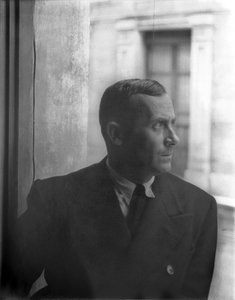
1893–1983, ესპანეთი
ჟოან მირო
The Life and Art of Joan Miró Barcelona, April 20, 1893. Joan Miró i Ferrà enters a world of precision and gears, born into a family of watchmakers. This early environment provides a backdrop of meticulous craftsmanship that persists through his evolution as a painter, sculptor, and ceramicist. He moves through the decades not by following a set path, but by constantly shifting his focus, eventually becoming a central figure in the development of Surrealism and Abstract Art.
ასევე ჟოან მირო-ის მიერ შექმნილი სხვა ნამუშევრები
 ფერმა1922
 ჰარლეკინის კარნავალი1925
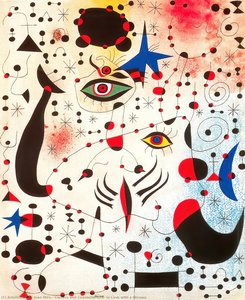 შიფრები და თანავარსკვლავედები, შეყვარებული ქალზე1941
 ჯონ მიროს "კატალონიური 풍경ი (მოჭერილი)"1924
ესეები Dancer-ის შესახებ
 Spanish artworks of the 1950sSalvador Dalí's 1954 Crucifixion uses a hypercube to merge religious iconography with the atomic age. How did science reshape Spanish surre…
 Dreams on Canvas: Understanding Automatist and Veristic SurrealismIn 1924, André Breton launched a movement in Paris to liberate the mind. One path used spontaneous gestures, while the other used photograp…
 Spanish artworks of the 1920s1922 saw Miró paint The Farm, bridging Naive art and Surrealism. Compare his symbolic landscape with Dalí's 1929 psychological dreamscapes.