
 ნახვა ინტერьерში
 გაგზავნა
 გაზიარება
 დეტალები
 გზამკვლევი

 ჩამოტვირთვა
 მსგავსები
 რენტგენოგრაფიული კვლევა
 სლაიდშოუ
 Q&A
Q&A სტატისტიკა
Cuirassier


 სრული ტექსტის ნახვა
გიკლე / ხელოვნების პრინტი
მუზეუმის დონის ჟიკლე ან ტილოზე ბეჭდვა სწრაფი წარმოებისა და დასრულების მოქნილი ვარიანტებით. ( შეიძინეთ ხელით შესრულებული ნახატი გადასვლა ციფრულ გამოსახულებაზე)




P118B ₾10

P118H ₾10

P118W ₾10

P438Z ₾10

P508JH ₾12

P508YH ₾12

P805H ₾10

P805Z ₾10

P919BZ ₾10

P919G ₾10

P919XJ ₾10

P959ZH ₾10

P968JZ ₾12

W106C ₾8

W218G ₾10

W218JH ₾8

W218Y ₾10

W307PJ ₾10

W316G ₾10

W316PJ ₾8

W316Y ₾10

W398PJ ₾8

W4111J ₾10

W500HY ₾15

W500JH ₾15

W692G ₾12

W849H ₾8

W940BG ₾15

W953PJ ₾8




აირჩიეთ ჩვენს მიერ წინასწარ განსაზღვრული ზომებიდან, რომლებიც ნაწარმოების ორიგინალურ პროპორციებს შეესაბამება.

შეიყვანეთ თქვენთვის საჭირო სიგანე და სიმაღლე, რათა იგი მოერგოს თქვენს ჩარჩოს ან კედელს. ბეჭდვისას შესაძლებელია მხოლოდ მისი შემცირება და არა გაზრდა, ამიტომ სხვა ფორმის ზომის შემთხვევაში გამოსახულება ნაწილობრივ იკარგება. სანამ რაიმეს დაბეჭდავთ, ჩვენ გამოგიგზავნით ციფრულ მაკეტს დასდასტურებლად. ამ გვერდზე ნაჩვენები სურათი არ ასახავს რეალურ ჭრას — ამას მხოლოდ მაკეტი გვიჩვენებს.
მიწოდება მთელ მსოფლიოში () 2 კვირაში, სტანდარტული 4/5 კვირის ნაცვლად. (2 ნოემბერი)

უფასო ექსპრეს მიწოდება მთელ მსოფლიოში

მაღალი ხარისხის ტილო

ტრანსპორტირების სრული დაზღვევა

საბაჟო გადასახადების დაბრუნების გარანტია

ფერების სრული შესაბამისობის გარანტია

დაბრუნების 100-დღიანი პერიოდი (მხოლოდ წარმოების დეფექტის შემთხვევაში)

100% თანხის სრული დაბრუნების გარანტია

ფასდაკლება დიდი რაოდენობით შეკვეთისას
 მინის ჩარჩოს არჩევანი ხელმისაწვდომია მხოლოდ 110 სმ-მდე ზომისთვის

Cuirassier
გიკლე / ხელოვნების პრინტი
რეპროდუქციის ზომა
-


ჯამური ღირებულება
₾ 208
A Moment of Steel and Resolve: Jean-Louis Ernest Meissonier’s Cuirassier
Jean-Louis Ernest Meissonier's “Cuirassier” isn’t merely a depiction of a soldier; it’s a distillation of 19th-century French academic art, imbued with the immediacy and dynamism of a fleeting battlefield moment. This preparatory sketch, likely intended as a study for a larger historical painting, offers a captivating glimpse into the world of Napoleonic warfare through Meissonier's meticulous eye and expressive brushwork. The composition centers on a cuirassier – a formidable cavalryman clad in heavy armor – poised mid-stride, his sword raised high above his head, a gesture brimming with both aggression and unwavering courage. The looseness of the lines, the subtle shifts in tone, and the earthy color palette immediately establish a sense of urgency and movement, transporting the viewer directly into the heart of the action.
- Subject Matter: The painting vividly portrays a French cuirassier engaged in combat, capturing the essence of military life during the era.
- Style: Rooted in the traditions of academic art, yet infused with Meissonier’s personal style, it leans towards realism while prioritizing spontaneity and capturing a decisive moment.
- Historical Context: The cuirassier was a key component of French cavalry during the Napoleonic Wars, representing a formidable force on the battlefield. Meissonier's work reflects this importance, offering a rare insight into their equipment, tactics, and the psychological intensity of war.
The Language of Line and Tone: Technical Details
Meissonier’s technique is characterized by a remarkable control over line and tone – a hallmark of his meticulous approach. The loose brushstrokes, evident throughout the composition, create an impressionistic effect, suggesting movement and texture without sacrificing detail. Notice how the artist utilizes *ubmer* and *sienna* to build depth and shadow, creating a sense of volume around the cuirassier’s form. The lack of sharply defined outlines contributes to the sketch-like quality, emphasizing the immediacy of the scene. The visible impasto technique – where paint is applied thickly – adds a tactile dimension to the work, inviting the viewer to almost feel the roughness of the soldier's armor and clothing.
- Color Palette: Dominated by earthy tones—browns, ochres, and muted greens—the palette evokes the dusty landscapes and weathered uniforms of 19th-century warfare.
- Brushwork: The rapid, gestural brushstrokes convey a sense of energy and movement, capturing the dynamism of the cuirassier’s action.
- Texture: The visible texture created by the impasto technique adds visual interest and reinforces the feeling of physicality.
Symbolism and Emotional Resonance
More than just a portrait, “Cuirassier” is laden with symbolic meaning. The raised sword – a potent emblem of courage, aggression, and victory – immediately commands attention. The soldier’s posture, poised in mid-stride, suggests not only readiness for battle but also an unwavering determination to defend his cause. The diffused lighting, lacking strong directional sources, contributes to the painting's overall mood of intensity and drama. It’s a scene that speaks to themes of honor, duty, and the inherent risks associated with military service – emotions powerfully conveyed through Meissonier’s masterful handling of light, color, and composition.
Bringing History Home: Reproductions for Your Space
OriginalUniqueArt offers meticulously hand-painted reproductions of “Cuirassier,” allowing you to bring this captivating historical scene into your home or office. Each reproduction is created using the same techniques and materials as the original, ensuring an authentic representation of Meissonier’s artistry. Whether you are a collector of 19th-century art, an admirer of military history, or simply seeking a striking piece to add character to your space, our “Cuirassier” reproduction is a compelling choice. Explore the available sizes and options on our website today – and experience the power of historical realism.
კითხვები და პასუხები
რომელ ხელოვანს მიეწერება "Cuirassier"?
სამ 작품ის „Cuirassier“ ავტორი არის ჟან-ლუი ერნესტ მესონიე. ნამუშევარი დატრიალებულია ჟან-ლუი ერნესტ მესონიე-ის სახელით.
რამდენად მკვეთრი კონტრასტია ჟან-ლუი ერნესტ მესონიე-ის „Cuirassier“-ში?
ჟან-ლუი ერნესტ მესონიე-ის „Cuirassier“-ის კონტრასტის დონე არის Serene.
რა ატმოსფეროს შექმნის ჟან-ლუი ერნესტ მესონიე-ის „Cuirassier“-ის რეპროდუქცია ოთახში?
თავისი Classic განწყობით, „Cuirassier“ რეკომენდებულია Living Room-ისთვის.
მხატვრის ბიოგრაფია
ჟან-ლუი ერნესტ მესონიეს ცხოვრება და შემოქმედება
ჟან-ლუი ერნესტ მესონიე (Jean-Louis Ernest Meissonier), დაიბადა ლიონში, საფრანგეთში, 1815 წლის 21 თებერვალს. ის XIX საუკუნის ფრანგული живописи ერთ-ერთი გამორჩეული წარმომადგენელია, რომელმაც აკადემიური ტრადიციისა და განვითარებადი რეალიზმის შორის ხიდი გააყვა. მესონიეს გზა აღიარებისაკენ თავდაპირველად ოჯახის წინააღმდეგობით შეხვდა. მისი მამა ბიზნესში კარიერას უწინასწარმეტყველებდა, თუმცა ხელოვნების მიზიდულობა იმდენად ძლიერი აღმოჩნდა, რომ 17 წლის ასაკში მან უფლება მოიპოვა საკუთარი ვნება გააგრძელოს. სწავლა ლეონ კოგნიესთან (Léon Cogniet) საფუძველს აყალიბებდა მის უნარებს, მაგრამ ლუვრის ჰოლანდიელი ოსტატების – გაბრიელ მეცუსა (Gabriel Metsu) და ჟერარ დოუსა (Gerard Douw) – შესწავლამ ნამდვილად აღმოაჩინა მისი მხატვრული ხმა. ამ ოსტატებმა, რომლებიც ინტიმური ბურჟუაზიული ცხოვრების სცენების წარმოუდგენლად ზუსტი გამოსახულებით იყვნენ ცნობილი, მას შთააგონა დეტალებზე განსაკუთრებული ყურადღება, რაც მის მთავარ მახასიათებელ ნიშნად იქცა.განვითარება და პირველი წარმატებები
მესონიეს გარღვევა 1831 წელს შედგა სალონზე გამოფენილი *Les Bourgeois Flamands* (ჰოლანდიელი ბურჟუაზიები) ნაწარმოებით. ამმა ნამუშვარმა მაშინვე წარმოაჩინა მისი უნიკალური ტალენტი – ყოველდღიური ცხოვრების ან ისტორიული ეპიზოდების თითქმის მიკროსკოპული სიზუსტით აღსადგენადობა. ის ობიექტებს არ ხატავდა, სამყაროს ზუსტად აშენებდა, ტექსტურას, სინათლესა და ატმოსფეროს განსაცვიფრებელი სიზუსტით გადმოიცემდა. ამმა ადრეულმა წარმატებამ საშუალება მისცა მას საკუთარი ხატვის უნარები გაამდიდროს და შეექმნა მომხიბლავი ჟანრული ტილოების სერია, როგორიცაა *The Game of Chess* (საბურთალო) (1841) და *The Young Man Playing the 'Cello'* (ახალგაზრდა მამაკაცი ჩელოს უკრავს) (1842). ეს ნამუშევრები მხოლოდ ტექნიკური უნარის ვარჯიშები არ იყო, ისინი ადამიანის ხასიათისა და სოციალური ურთიერთობების ღრმა დაკვირვებებიც იყო. თუმცა მესონიეს ამბიციები ინტიმურ ჟანრულ სცენებს აღემატებოდა. 1848 წლის პოლიტიკური არეულობებმა, რომლის დროსაც ის ეროვნული გვარდიის შემადგენლობაში მოქმედებდა, მასზე დიდი გავლენა იქონია და უფრო დიდი ისტორიული თემებისადმი ინტერესი გაუჩნდა. ეს ცვლილება მონუმენტალური ნამუშევრებით კულმინაციას მიაღწია, როგორიცაა *The Emperor at Solferino*, რაც მისი ადრეული სტილიდან გადახვევა იყო და აჩვენა მისი უნარი კომპლექსური კომპოზიციების მართვა და დიდი ისტორიების წარმოჩენა, ხელი არ შეუშლია მის გამორჩეულ სიზუსტეს.საბრძოლო სცენები და ტექნიკის თავისებურებები
მესონიეს განსაკუთრებული شهرت მოიხვეჭა საბრძოლო სცენების ხატვისთვის. ის არა მხოლოდ ბრძოლებს ასახავდა, არამედ მთელ ეპოქას აღადგენდა – სამხედრო ფორმა, იარაღი, ცხენები, ლანდშაფტი, ყველაფერი ისტორიულად ზუსტად იყო წარმოჩენილი. მისი ნამუშევრები, როგორიცაა *Halt at an inn* (ჩერება სასტუმროსთან) და *The brawl* (კონფლიქტი), არა მხოლოდ მხატვრული ღირებულებებით გამოირჩევა, არამედ ისტორიულ წყაროებსაც წარმოადგენდნენ. მისი ხატვის ტექნიკა უგამოჩინავად დეტალურობით ხასიათდებოდა. მას არ აკმაყოფურებდა ფართო ფუნჯით ხატვა ან იმპრესიონიზმის ეფექტები; მის კომპოზიციაში თითოეული ელემენტი ზუსტი მოვლილობით იყო შესრულებული, რაც გამორჩეულ რეალიზმს უზრუნველყოფდა. ის ამომწურავი კვლევებს ატარებდა, სიტორიულად სწორი ტანსაცმლისა და არქიტექტურის შესასწავლად. ეს ერთგულება ბუნებასაც შეეხო – მან ცნობილი ცხენების ინტენსიურად შესწავლა მათი ანატომიისა და მოძრაობის გასაგებად, რათა ბრძოლის სცენებში მათ სწორედ ასახულიყო. ზოგი კრიტიკოსი ამბობდა, რომ მის ნამუშევრებს შემოტყვება ახასიათებდათ, მაგრამ სწორედ ეს უნაკლებესი ერთგულება დეტალებისადმი აღაფრთოვანებდა აუდიტორიას და მისი شهرت გააძლიერა. ჯონ რუსკინი (John Ruskin), გამოჩენილი ინგლისელი კრიტიკოსი, განსაკუთრებით იყო შთაბეჭდილებული მესონიეს ნამუშევრებით მათი “ხელის უნარის” და “მოლაპარაკების საინტერესო წვრილ დეტალების” გამო. მნიშვნელოვანი ნაწარმოებები:- *Les bourgeois flamands* (ჰოლანდიელი ბურჟუაზიები)
- *The Game of Chess* (საბურთალო)
- *Halt at an inn* (ჩერება სასტუმროსთან)
- *The brawl* (კონფლიქტი)
- *Emperor at Solferino*
მემკვიდრეობა და გავლენა
XIX საუკუნის ბოლოსთვის ჟან-ლუი ერნესტ მესონიე საფრანგეთის ერთ-ერთი ყველაზე სახელოვანი მხატვარი იყო. მის ნამუშევრებს წარმოუდგენლად მაღალი ფასი ჰქონდა, რაც საშუალება მისცა მას მდიდრული სახლი შეეძინა პუასში (Poissy), რომელსაც მისი ზუსტი პროცესის შესაფერისი სტუდიები ჰქონდა. მას ქებას უცხადებდნენ ტექნიკურ უნარზე და ისტორიას ცოცხალად წარმოჩენის უნარზე. მიუხედავად იმისა, რომ ზოგი კრიტიკოსი ეჭვქვეშ აყენებდა მის თემების არეალს – ხშირად სამხედრო სცენებსა და ისტორიულ რეკონსტრუქციებს – მისი ღრმა გავლენა შემდგომ თაობებზე უდავოა. დეტალებზე ერთგულება, ისტორიულ სიზუსტესთან მიძღვნილი ყურადღება და ოსტატური ტექნიკა დღესაც ინსპირებს მხატვრებს. მსოფლიოს მუზეუმები, მათ შორის პარიზის ორსეის (Musée d'Orsay) და ვაშინგტ
ჟან-ლუი ერნესტ მესონიე
1815 - 1891 , საქართველო
მოკლე ფაქტები
- Artistic Movement Or Style: აკადემიური ხელოვნება
- Artists Who Influenced This Artist: ['ჰოლანდიელი მხატვრები']
- Date Of Birth: 21 თებერვალი, 1815
- Date Of Death: 31 იანვარი, 1891
- Full Name: ჟან-ლუი ერნესტ მეისონიე
- Nationality: ფრანგი
- Notable Artworks:
- Les bourgeois flamands
- The Game of Chess
- Halt at an inn
- Place Of Birth (City And Country): ლიონი, საფრანგეთი
მსგავსი სტატიები

19th Century Masterpieces: 10 Paintings That Defined an Era | OriginalUniqueArt
Journey through 19th century art with OriginalUniqueArt! Explore 10 iconic paintings – from Monet & Renoir to Courbet – and discover the stories behind Romanticism, Realism & Impressionism. Find museum-quality reproductions for your home decor. Explore the full collection online!
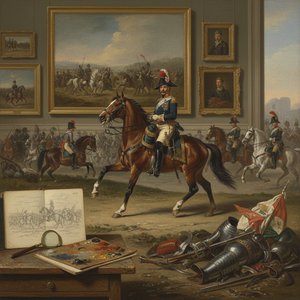
Jean-Louis Ernest Meissonier: Realism, Historical Narrative & Artistic Perfection
Explore the world of Jean-Louis Ernest Meissonier, a master of French Realism renowned for his meticulously detailed historical & military scenes. Discover his iconic artworks and lasting legacy.

Émile Jean Horace Vernet: Romantic Realism & Depicting 19th-Century Life
Explore the life & art of Émile Jean Horace Vernet, a master of Romantic Realism. Discover his captivating battle scenes, portraits, and Orientalist works – a window into 19th-century France. Learn about his techniques & enduring legacy.
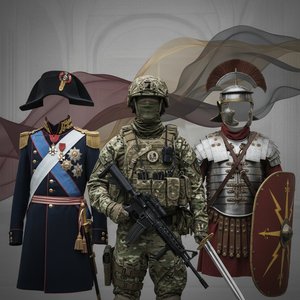
Beyond the Fabric: Decoding Identity, Authority, and Symbolism in the Art of Military Uniforms
Explore the profound symbolism of military uniforms in art history. From Victorian portraits to realistic lithographs, discover how artists capture power, identity, and historical legacy through the intricate details of martial regalia and command.
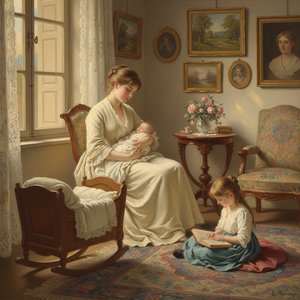
Émile Munier: Capturing 19th-Century French Life with Tender Realism
Discover Émile Munier's tender depictions of 19th-century French life. Explore his Realist style, charming paintings of children & pets, and lasting artistic legacy. Expert insights at OriginalUniqueArt.