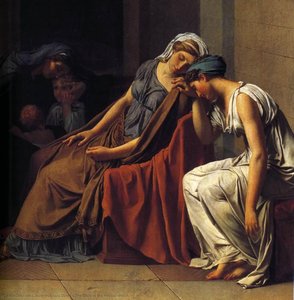
წინასწარი ნახვა

 გაგზავნა
 გაზიარება
 დეტალები
 გზამკვლევი


 ჩამოტვირთვა
 მსგავსები
 რენტგენოგრაფიული კვლევა
 სლაიდშოუ
 კითხვა-პასუხი
 სტატისტიკა
Patroclus

- 122.0 x 170.0 cm


 გააგრძელეთ კითხვა
გიკლე / ხელოვნების პრინტი
მუზეუმის დონის ჟიკლე ან ტილოზე ბეჭდვა სწრაფი წარმოებისა და დასრულების მოქნილი ვარიანტებით. ( შეიძინეთ ხელით შესრულებული ნახატი გადართვა ციფრულ გამოსახულებაზე)




P118B ₾10

P118H ₾10

P118W ₾10

P438Z ₾10

P508JH ₾12

P508YH ₾12

P805H ₾10

P805Z ₾10

P919BZ ₾10

P919G ₾10

P919XJ ₾10

P959ZH ₾10

P968JZ ₾12

W106C ₾8

W218G ₾10

W218JH ₾8

W218Y ₾10

W307PJ ₾10

W316G ₾10

W316PJ ₾8

W316Y ₾10

W398PJ ₾8

W4111J ₾10

W500HY ₾15

W500JH ₾15

W692G ₾12

W849H ₾8

W940BG ₾15

W953PJ ₾8




აირჩიეთ ჩვენს მიერ წინასწარ განსაზღვრული ზომებიდან, რომლებიც ნაწარმოების ორიგინალურ პროპორციებს შეესაბამება.

შეიყვანეთ თქვენთვის საჭირო სიგანე და სიმაღლე, რათა გამოსახულებამ თქვენს ჩარჩოს ან კედელს ზუსტად მოერგოს. ბეჭდვისას შესაძლებელია მხოლოდ მისი შემცირება და არა გაზრდა, ამიტომ სხვა ფორმის ზომის შემთხვევაში სურათი ნაწილობრივ იკარგება. სანამ რაიმეს დაბეჭდავთ, ჩვენ გამოგიგზავნით ციფრულ მაკეტს დასდასტურებლად. ამ გვერდზე ნაჩვენები სურათი არ ასახავს რეალურ ჭრას — ამას მხოლოდ მაკეტი გვიჩვენებს.
მიწოდება მთელ მსოფლიოში () 2 კვირაში, სტანდარტული 4/5 კვირის ნაცვლად. (17 ნოემბერი)

უფასო ექსპრეს მიწოდება მთელ მსოფლიოში

მაღალი ხარისხის ტილოს ქსოვილი

ტრანსპორტირების სრული დაზღვევა

საბაჟო გადასახადების დაბრუნების გარანტია

ფერების სრული შესაბამისობის გარანტია

დაბრუნების 100-დღიანი პოლიტიკა (მხოლოდ დეფექტის შემთხვევაში)

100% თანხის სრული დაბრუნების გარანტია

ფასდაკლება დიდი რაოდენობით შეკვეთისას
 მინის ჩარჩოს არჩევანი შესაძლებელია მხოლოდ 110 სმ-მდე ზომისთვის

Patroclus
გიკლე / ხელოვნების პრინტი
რეპროდუქციის ზომა
-


საბოლოო ღირებულება
₾ 210
A Glimpse into Ancient Greece: The Majesty of Patroclus
Jacques-Louis David’s 1780 painting, *Patroclus*, is more than a mere depiction of a Greek warrior; it's a meticulously crafted doorway to the ideals and moral complexities of Neoclassicism. Housed within the Musée Thomas Henry in Cherbourg, France, this oil on canvas invites us into a carefully constructed tableau that speaks volumes about honor, duty, and the poignant beauty of mortal existence. The image presents a man, powerfully built yet rendered with an almost serene detachment, turned away from direct view. This strategic pose immediately draws our attention to his physique – sculpted muscles hinting at strength and resilience – while simultaneously fostering a sense of contemplative distance.
David’s genius lies not just in anatomical accuracy but in the masterful orchestration of elements within the composition. The rough-hewn rock beneath him, coupled with the simple wooden bench, provides an earthy grounding to the scene, anchoring it firmly in the physical world. Yet, these humble materials are juxtaposed against the implied grandeur of the figure himself. And then there’s the book resting near his foot – a subtle yet potent symbol of knowledge and wisdom, suggesting that even amidst the trials of war and mortality, contemplation and learning hold enduring value. The lighting, carefully considered to create dramatic shadows and highlights, further emphasizes the musculature and adds depth to the scene, guiding our eye across the canvas.
The Neoclassical Vision: David’s Echoes of Antiquity
Created during a pivotal moment in French history – the waning years of the Ancien Régime and the burgeoning influence of revolutionary ideals – *Patroclus* embodies the core tenets of Neoclassicism. David, deeply influenced by the rediscovery of classical art and literature, sought to revive the aesthetic principles of ancient Greece and Rome. This wasn’t simply a stylistic choice; it was a deliberate attempt to connect with perceived moral virtues and civic responsibility. The painting's emphasis on idealized form, balanced composition, and restrained emotion reflects this commitment to classical ideals.
Unlike the opulent frivolity of the Rococo style that preceded it, Neoclassicism prioritized clarity, order, and a sense of timelessness. David’s meticulous attention to detail – from the texture of the fabric to the subtle nuances of light and shadow – demonstrates his dedication to replicating the precision and gravitas he admired in ancient sculpture and painting. The subject matter itself—a warrior figure embodying strength and stoicism—resonates with classical notions of heroism and self-sacrifice, themes frequently explored by Greek artists like Phidias and Polyclitus.
Symbolism and Emotional Resonance: A Portrait of Stoic Virtue
Beyond its formal qualities, *Patroclus* is rich in symbolic meaning. The figure’s averted gaze suggests a quiet contemplation, perhaps reflecting on the burdens of his role or the inevitability of mortality. His posture conveys a sense of dignified restraint – a warrior accepting his fate with unwavering resolve. The book, often interpreted as representing wisdom and philosophical reflection, hints at the importance of intellect alongside physical prowess. The painting isn’t about glorifying violence; it's about portraying a man who embodies virtue through strength, discipline, and an acceptance of duty.
David masterfully evokes a feeling of melancholy beauty. There is a profound sense of stillness within the scene, inviting the viewer to pause and consider the complexities of human existence. The painting’s enduring appeal lies in its ability to transcend its historical context and speak to universal themes of courage, honor, and the search for meaning – qualities that continue to resonate with audiences today. It's a testament to David's skill as an artist and his profound understanding of the power of visual storytelling.
კითხვები და პასუხები
ჟაკ-ლუი დავიდი-ის შემოქმედებითი განვითარების რომელ ეტაპს წარმოადგენს „Patroclus“?
"Patroclus" წარმოადგენს ჟაკ-ლუი დავიდი-ის შემოქმედებით პერიოდს: Neoclassical Era.
როგორ უკავშირდება „Patroclus“-ის თემატიკა ჟაკ-ლუი დავიდი-ისთვის დამახასიათებელ ტრადიციულ თემებს?
ჟაკ-ლუი დავიდი-ის განმეორებადი თემები მოიცავს classical ideals, revolutionary spirit, moral lessons, historical narrative, napoleonic era-ს; „Patroclus“ ფოკუსირებულია greek mythology, nude figure, musculature, classical theme, bench, book, depth, composition-ზე.
რა ზომით და რა ორიენტაციით არის რეკომენდებული "Patroclus"-ის ბეჭდვა?
Large ზომა, Landscape ორიენტაცია: ეს არის ჟაკ-ლუი დავიდი-ის „Patroclus“-ისთვის რეკომენდებული ბეჭდვის პარამეტრი.
დაკავშირებული სტატიები

10 Iconic Neoclassicism Masterpieces That Changed Art History Forever
Journey through history with 10 iconic Neoclassicism masterpieces. From Jacques-Louis David to Ingres, explore the stories behind these timeless works and find museum-quality art reproductions for your decor. Discover all masterpieces on OriginalUniqueArt.com.
10 Iconic Neoclassical Masterpieces That Changed Art History Forever
Journey through history with 10 iconic Neoclassical masterpieces. From Jacques-Louis David to timeless legends, explore the stories behind these museum-quality works. Find inspiration for your decor with our curated art reproductions. Discover all masterpieces on OriginalUniqueArt.com.
სამი ტილო – არჩევანის ინსპირაცია და ემოციური პასუხი
აღმოაჩინეთ სამი ტილოს ხელოვნების ინსპირაცია OriginalUniqueArt-ში! ხარისხიანი რებროდუქციები, ინდივიდუალური შეკვეთები და უფასო კონსულტაცია. შექმნით განსაკუთრებული სივრცე ექსპერტების დახმარებით.

Embodying the Polis: Civic Virtue as Subject & Symbol in Western Art
Explore the fascinating history of civic virtue in Western art! From ancient Greece to the French Revolution, discover how artists depicted ideals of citizenship, duty & republicanism. Expert analysis at OriginalUniqueArt.

10 Iconic Neoclassicism Masterpieces That Changed Art History Forever
Journey through the grandeur of Neoclassicism. Explore 10 iconic masterpieces, from Jacques-Louis David to Ingres, uncovering the stories behind these timeless classics. Find museum-quality art reproductions and elegant decor inspiration. Discover all masterpieces on OriginalUniqueArt.com.