Surrealism · 1969
Dragon Head (Ivan Eyre, 1969)
Ivan Eyre (1935–2022)-მა შექმნა Dragon Head. ის შექმნილ არის 1969 წელს. ის Surrealism მიძღვნილ სტილს მიეკუთვნება. ზომა არის 157 × 157 cm.
- 1969
- 157 × 157 cm

 წინასწარი ნახვა

 ხელით შესრულებული ზეთប្រეწერი
 გაგზავნა
 გაზიარება
 სპეცფიკაცია


 ჩამოტვირთვა
 მსგავსები
 რენტგენოგრაფიული კვლევა
 სლაიდშოუ
 კითხვა-პასუხი

 სტატისტიკა
Dragon Head, მოკლედ
- სათაური
- Dragon Head
- ავტორი
- Ivan Eyre (1935–2022)
- ხატვის წელი და ადგილი
- Saskatchewan, Canada
- თარიღი
- 1969
- ზომები
- 157 × 157 cm
- მოძრაობა
- Surrealism
Dragon Head-ის მაღალი გარ Auflხ resolución-ის გამოსახულებები

Protected by copyright: these files are for personal reference, not a licence to republish.
Ivan Eyre, Dragon Head (1969).
კითხვები Dragon Head-ზე, პასუხები
რა წელს შეიქმნა Ivan Eyre-ის „Dragon Head“?
Dragon Head შექმნილია 1969 წელს. ეს თარიღი ნამუშევარს Ivan Eyre-ის შემოქმედებითი კარიერისა და იმ ეპოქის კონტექსტში ათავსებს.
რა არის ორიგინალი Ivan Eyre-ის „Dragon Head“-ის ზომები?
ორიგინალი Ivan Eyre-ის „Dragon Head“ ზომავს 157 x 157 cm-ს.
არის თუ არა Ivan Eyre-ის „Dragon Head“ საჯარო დომენში?
რაც შეეხება საავტორო უფლებებს, „Dragon Head“ არის კვლავ დაცულია საავტორო უფლებით.
ვინ შექმნა "Dragon Head"?
"Dragon Head" შექმნილია Ivan Eyre-ის მიერ. ამ გვერდზე მოცემული ინფორმაცია აღწერს Ivan Eyre-ის ორიგინალურ ნამუშევარს.
რომელ მხატვრულ მიმდევრობას წარმოადგენს Ivan Eyre-ის „Dragon Head“?
Ivan Eyre-ის „Dragon Head“ მიეკუთვნება Surrealism მიმდევრობას. ეს მიმდევრობა ნამუშევარს სტილისტურ კონტექსტს სძენს.
რა ასაკში შექმნა Ivan Eyre-მა „Dragon Head“?
როდესაც 1969 წელს შექმნა „Dragon Head“, Ivan Eyre — რომელიც 1935-ში დაიბადა — 34 წლის იყო.
არის თუ არა Ivan Eyre-ის ნამუშევარი „Dragon Head“ საჯარო საკუთრებაში და რატომ?
Ivan Eyre-ის „Dragon Head“ არის კვლავ დაცულია საავტორო უფლებით. საავტორო უფლებების ვადა ითვლება ხელოვანის გარდაცვალებიდან, რომელიც მოხდა 2022 წელს.
ხელပاتარში: Ivan Eyre

1935–2022, Canada
Ivan Eyre
A Prairie Visionary: The Life and Art of Ivan Eyre Ivan Kenneth Eyre, who passed away in November 2022 at the age of 87, was a profoundly important figure in Canadian art—a painter, sculptor, and educator whose work resonated with the vastness and subtle power of the prairie landscape. Born in the small Saskatchewan community of Tulymétik in 1935, Eyre’s artistic journey wasn't simply about depicting what he saw, but about translating a deeply felt connection to place into a visual language that explored existential themes and the complexities of human experience. His early life, marked by moves across the prairies—from Red Deer, Alberta, to Saskatoon—instilled in him an intimate understanding of the land’s character: its solitude, its ever-changing light, and its capacity for both beauty and starkness. This formative connection would become the bedrock of his artistic expression.
ასევე Ivan Eyre-ის მიერ
 White Collar1969
 Chorus1969
 White Flashing1969
 Roseate Plain1972
ესეები Dragon Head-ის შესახებ
 მაქს ერნსტის 25 საუკეთესო შედევრი: სიურრეალიზმის გენიალური სამყარო | OriginalUniqueArtგამოიკვლიეთ მაქს ერნსტის 25 საუკეთესო შედევრი – სიურრეალიზმის გენიალური სამყარო. ნახატების ისტორია, ტექნიკა და შთაგონება OriginalUniqueArt-…
 Dada vs. Surrealism: Distinguishing the Revolt from the DreamMaster the key differences between Dada and Surrealism through expert historical analysis. Discover the true meaning behind the revolt.
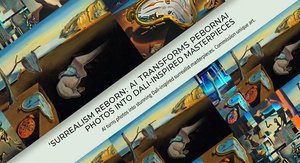 Surrealism Reborn: AI Transforms Personal Photos into Dali-Inspired MasterpiecesDiscover how AI transforms your photos into stunning surrealist masterpieces inspired by Dalí. Explore the art of dreamlike creation with e…