ნახვა ინტერьерში
 გაგზავნა
 გაზიარება
 დეტალები
 გზამკვლევი

 ჩამოტვირთვა
 მსგავსები
 რენტგენოგრაფიული კვლევა
 სლაიდშოუ
 სტატისტიკა
კრისტე ჯვარტყிறით ტანილი


 სრული ტექსტის ნახვა
ხელით შესრულებული ზეთის საღებავით რეპროდუქცია
ტილოზე შესრულებული ფერწერიანი ზეთប្រდათი, თქვენთვის სასურველი ზომისა და ჩარჩოსთვის, ჩვენი ხელოვანების მიერ შეკვეთის საფუძველზე დამზადებული. ( გადართვა ბეჭდვის რეჟიმზე გადასვლა ციფრულ გამოსახულებაზე)




P118B $10

P118H $10

P118W $10

P438Z $10

P508JH $12

P508YH $12

P805H $10

P805Z $10

P919BZ $10

P919G $10

P919XJ $10

P959ZH $10

P968JZ $12

W106C $8

W218G $10

W218JH $8

W218Y $10

W307PJ $10

W316G $10

W316PJ $8

W316Y $10

W398PJ $8

W4111J $10

W500HY $15

W500JH $15

W692G $12

W849H $8

W940BG $15

W953PJ $8




აირჩიეთ ჩვენს მიერ წინასწარ განსაზღვრული ზომებიდან, რომლებიც ნაწარმოების ორიგინალურ პროპორციებს შეესაბამება.

თქვენ შეგიძლიათ მიუთითოთ თქვენთვის სასურველი ზომები კონკრეტული ჩარჩოს ან სივრცის შესაბამისად. თუ თქვენ მიერ არჩეული ზომა არ შეესაბამება ორიგინალი გამოსახულების პროპორციებს, ჩვენ ან შევაჭრებთ ნაწარმოებს, ან ტილოზე დავამატებთ ხელით მოხატულ ელემენტებს. წარმოების დაწყებამდე, დასამტკიცებლად გამოგეგზავნებათ ციფრული მაკეტი.
გთხოვთ, გაითვალისწინოთ, რომ ეკრანზე ნაჩვენები წინასწარი შეხედულება არ ასახავს რეალურ შეჭრას ან გაფართოებას. საბოლოო კომპოზიციას ზუსტად მხოლოდ მაკეტი წარმოაჩენს.
მიუხედავად იმისა, რომ შესაძლებელია ინდივიდუალური ზომების შერჩევა, ორიგინალური პროპორციების შენარჩუნებისათვის გირჩევთ, გამოიყენოთ წინასწარ განსაზღვრული სიის ზომები.
შეკვეთის შემდეგ, OriginalUniqueArt.com გუნდი დაგიკავშირდებათ ელექტრონული ფოსტით ინსტრუქციებისთვის და გამოგიგზავნით წინასწარ ნახაზს (mockup).
მიწოდება მსოფლიო მასშტაბით -ში 3/4 კვირაში, სტანდარტული 5 კვირის ნაცვლად. (25 სექტემბერი). ხარისხზე კომპრომისის გაკეთება არ მოხდება.

უფასო ექსპრეს მიწოდება მთელ მსოფლიოში

მაღალი ხარისხის ტილო

ტრანსპორტირების სრული დაზღვევა

საბაჟო გადასახადების დაბრუნების გარანტია

ფერების სრული შესაბამისობის გარანტია

დაბრუნების 100-დღიანი პერიოდი (მხოლოდ წარმოების დეფექტის შემთხვევაში)

100% თანხის სრული დაბრუნების გარანტია

ფასდაკლება დიდი რაოდენობით შეკვეთისას
 მინის ჩარჩოს არჩევანი ხელმისაწვდომია მხოლოდ 110 სმ-მდე ზომისთვის

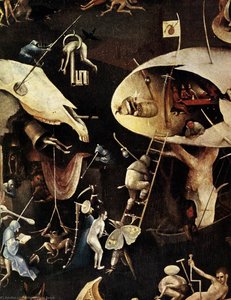
კრისტე ჯვარტყிறით ტანილი
რეპროდუქციის ტექნიკა
რეპროდუქციის ზომა
-


ჯამური ღირებულება
$ 300
A Window Into Faith and Fear: Exploring Hieronymus Bosch’s “Christ Carrying The Cross”
ხელოვნების ნიმუში, რომელიც გაღრმავებს რწმენასა დაСтрахе: ჰიერონიმ ბოსხის "კრისტი ჯვარზე ტარებას" - ეს არის საოცრება, რომელიც მიხ్రమებს მოწითლების ყურადღებას საუკუნეების შემდეგ, მფუჭებული დეტალებითა და ღრმა ფსიქოლოგიური სიღრმეობით. ეს მხოლოდკრისტის ჯვარედინის გამოსახულება - ქრისტიანობის ძირითადი ნიშანი - არ არის, ეს არის ვიზუალური გამოკვლევა ადამიანის უდაბნოების და შეფასების წინაშე ღმრთული სასჯელის მიმართ, რომელიც წინასწარმეტყავებს სურ realism-ს და ემყარება სურ realism-ს, რაც ხდის ბოსხს ერთ-ერთ ყველაზე გამორჩეულ ხმად ადვარნულ ნიდერლანდების რენესანსის პერიოდში.
კომპოზიცია და ტექნიკა: სიმფონია დეტალებში
ბოსხის მოწითლება მყარად გამოჩნிகება ყოველგვარი დაკவனებისას. იგი შექმნა ოდნგის პანელზე ზეთით, რაც იმ დროს საკმაოდ ახალი მასალა იყო, და ხილuştდა წარმოთქმა რთული დეტალებითა და ფანტასტიკური ელემენტებით. არტისტი იყენებს ჩიაროსკუროს, უნ tậpოვნად მართავს სინათელსა და ნათებას, რათა მოხდეს ფიგურების მოხელეობა და შექმნას დრამატული ატმოსფერა. შე Observe করুন, თუ როგორ ზუსტად ბოსხი ასახულებს ტექსტურებს - ჯვარედინის მტკაცრი ნაღდად ხისგან, ჯვარედინის წვენის გველებად დაჯესტს ჯეზუს სახეზე - რაც გადამწყვეტ ფიზიკურ შეგრძნებას იწვევს. გარდა ამისა, ნახატის პერსპেকტივა მალევე შეცდომიანია,ดึงดูดผู้ชม სცენაში და ზრდის მისი cảm xúcალური தாக்கம். არტისტის გამოყენება ფერებს არის შეზღუდული, მაგრამ mục đích- ის არის, რომ nhấnне করুন სიხარფს და შეშფოთებას.
ისტორიული კონტექსტი: რენესანსის მორალი და რელიგიური განრისხება
ნახატი შეიქმნა დაახლოებით 1490-1500 წწ. ‘ს-ჰერტოგენბოსში, პერიოდში, რომელიც იყო გამოირჩევა ინტენსიური რელიგიური სიმადადობით - მართლად, მარტინ ლუთერის რევოლუციის წინ, ბოსხის ნახატიสะท้อนถึง იმპრესია, რომელიც იყო გავრცელებული ევროპაში. კათólico Igreja-ს დიდი გავლენა იყო, რაც მოქმედებდა ხელოვნების გამოხატვისა და მორალური შეგრძნებების შესახებ. ბოსხის ხედვარი არ იყო მხოლოდ ბიბლიური შემთხვევების გამოსახულება; ის აპირებდა უფრო ღრმავ თეოლოგიურ შეტყობინებას, რომელიც ეხებოდა பாவம், განგებულებას და მიზნების შედეგებს. ჯვარედინის გარშემო მყოფ ადამიანების გამოსახულება - რელიგიური მოწითლებისა და விசித்திரული ფიგურების ნარევი - წარმოადგენდა ადამიანის არასტაბილურ რეაქციას ღმრთული გრაციაზე. ეს არის გავრცელებული შიშის და სასჯელის განხორციელება, რომელიც გამოვლინდა სხვა ხელოვნებების პერიოდში.
სიმბოლური: ზედაპირული მნიშვნელობის ფენები
"კრისტი ჯვარზე ტარებას" არის მდიდარი სიმბólicoზმი, რომელიც განუვითარებს მოწითლებას. ჯვარი თავად წარმოადგენს მსხვერპლშეცდელსა და გამტละბერს - ქრისტიანობის ძირითადი დოგმა, მაგრამ ბოსხი ამას აყენებს უფრო მეტისმებურად, ვიდრე რელიგიურ იკონოგრაფიას. विचारा घ्या, როგორ आहेत जेजुसच्या आजूबाजूला असलेले आकृतிகள்: ते मानवी இயல்புના பல்வேறு પાસાக்களை பிரதிபலிக்கின்றன - რწმენა, იმედგაცრუება, ક્રૂરતા, முட்டாளობა - प्रत्येक contribuer করে একটি জটিল নৈতিক বিচার. ხის ჯვარი, რომელზეც ჯეზუს ჯვარი არის, წარმოადგენს სიცოცხლესა და სიკვდილს ერთად,สะท้อนถึง ბიბლიური გენეზისი და წინასწარმეტყავების ჯეზუს ასულის წინასწარმეტყავი. Даже лица наблюдателей передают глубокую психологическую глубину, намекая на внутренние беспокойства и сталкиваясь с собственной смертностью. ბოსხის გამოყენება விசித்திரமான உருவებით - đặc biệt demonic figures - служит напоминанием о том, что зло скрывается под маской веры и праведности.
მემკვიდრეობა დღეს: უწყვეტი გავლენა ხელოვნების ისტორიაში
დღეს "კრისტი ჯვარზე ტარებას" продолжает удивлять искусствоведов и коллекционеров. Его тревожная красота - சான்றளிப்பு ბოსხის inégalable artistique vision - вдохновила бесчисленное количество художников на протяжении истории, включая сюриалистов, таких как Сальвадор Дали и Рене Магritte. ნახატი βρίσκεται Graphische Sammlung Albertina Museum-ში, Австрии, один из самых важных печатных музеев в мире, обеспечивая доступность изображения для глобальной аудитории. Reproductions предлагают возможность испытать гения Босха firsthand, bringing this extraordinary artwork into homes and inspiring ongoing dialogue about art's capacity to illuminate the human condition.
მხატვრის ბიოგრაფია
Hieronymus Bosch – The Visionary Painter of Hell
Hieronymus Bosch remains one of art history’s most perplexing figures, a painter whose unsettling visions and profound moral allegories continue to captivate audiences centuries after his death in 1516. Born around 1450 in ’s-Hertogenbosch, Netherlands—then part of Brabant—Bosch emerged from a family steeped in artistic tradition, inheriting the skills and techniques of generations past. Yet, he swiftly distinguished himself from his predecessors, forging an utterly original style that would forever alter the landscape of Netherlandish painting. Biographical details are frustratingly sparse; records offer tantalizing glimpses but leave much to speculation, contributing to the artist’s enduring aura of mystery.- Early Life and Training: Little is known about Bosch's formative years beyond his birthplace and familial connections. He married Aleyt Goyaerts van den Meerveen sometime before 1481, securing a degree of financial stability through her family’s holdings. However, scholarly research has yielded scant information regarding his personal life or formative influences.
- The Style of Bosch: Bosch's artistic style is instantly recognizable—a masterful blend of meticulous detail and hallucinatory imagery. He primarily employed oil on oak panels, achieving luminous colors and intricate textures with remarkable precision. Unlike many of his contemporaries who adhered to established conventions, Bosch deliberately pushed boundaries, experimenting with innovative techniques and challenging conventional aesthetic standards.
- Notable Works: Bosch’s oeuvre comprises approximately 25 paintings—a remarkably small number considering the artist's impact on subsequent generations of painters. Among his most celebrated masterpieces are *The Garden of Earthly Delights*, a monumental triptych depicting paradise, earthly desire, and hell; *The Last Judgement*, a dramatic portrayal of divine judgment; *Epiphany*, showcasing Bosch’s masterful use of oil paint and complex symbolism; and *The Ascension of the Blessed*, an ethereal depiction of heavenly ascension.
Symbolism and Moral Allegory: Decoding Bosch's Vision
Bosch’s paintings are not merely representations of visual reality; they are elaborate allegorical narratives designed to convey profound moral and theological messages. He employed a rich tapestry of symbols—grotesque creatures, fantastical animals, hybrid beings—to explore themes of sin, redemption, and the human condition. These images were deliberately unsettling, confronting viewers with disturbing depictions of earthly corruption and highlighting the inescapable consequences of immoral behavior. Bosch’s genius lay in his ability to transform familiar religious concepts into startling visual metaphors, prompting contemplation and challenging accepted dogma.- The Influence of Medieval Folklore: Scholars suggest that Bosch drew inspiration from medieval folklore—particularly tales of demons and saints—incorporating these narratives into his artistic vision. These stories served as a springboard for exploring anxieties about heresy and social upheaval, reflecting the turbulent intellectual climate of his time.
- Psychological Depth: Some historians contend that Bosch possessed remarkable insight into human psychology, anticipating concepts explored by Carl Jung—namely, the exploration of the unconscious mind. His paintings delve into realms beyond rational thought, confronting viewers with disturbing visions and prompting introspection about morality and spirituality.
Legacy and Influence on Subsequent Artists
Bosch’s impact on subsequent artists is undeniable. Pieter Bruegel the Elder directly adopted Bosch's stylistic conventions—particularly his penchant for depicting grotesque figures and moral allegories—establishing himself as a prominent heir to Bosch’s artistic legacy. Surrealist painters like Salvador Dalí and Max Ernst openly acknowledged their debt to Bosch’s dreamlike imagery and exploration of the subconscious, recognizing him as the progenitor of modern art.Conclusion: An Artist Ahead of His Time
Hieronymus Bosch remains an artist whose singular vision continues to inspire awe and provoke debate. He stands apart from his contemporaries—particularly Jan van Eyck—whose technique prioritized meticulous realism, favoring instead a style characterized by energetic brushwork and imaginative embellishment. Bosch’s enduring fascination stems from his ability to capture the anxieties of his era—fear of heresy, social unrest—while simultaneously elevating artistic expression beyond mere imitation. He died in 1516, leaving behind a body of work that transcends time, securing his place as one of art history's most unforgettable voices and cementing his status as the “first Surrealist.”
იერონიმ ბოსხ
1450 - 1516 , ნიდერლანდები
მოკლე ფაქტები
- Artistic Movement Or Style: Сюрреализм и Символизм
- Artists Who Influenced This Artist: ['Питер Брюгель Старший']
- Date Of Birth: c. 1450
- Date Of Death: 1516
- Full Name: Hieronymus Bosch
- Nationality: Нидерландцы
- Notable Artworks:
- Сад земных наслаждений
- Троица Последнего Суда
- Place Of Birth: Den Bosch, Нидерланды
მსგავსი სტატიები

Late Medieval Masterpieces: 10 Artworks That Defined an Era | OriginalUniqueArt
Journey through 10 defining Late Medieval masterpieces – from Giotto's frescoes to Jan van Eyck’s realism. Explore the stories, techniques & vibrant colors of Gothic art. Find museum-quality reproductions and elevate your home decor with OriginalUniqueArt.com! Discover all masterpieces on OriginalUniqueArt.com
Hieronymus Bosch: Decoding the Visions of a Netherlandish Master
Explore the captivating world of Hieronymus Bosch! Delve into the symbolism, religious context, and artistic innovation of this Netherlandish master with OriginalUniqueArt's expert analysis. Discover his iconic paintings & lasting influence.

Golden Light & Dutch Skies: The Timeless Magic of Dutch Golden Age Landscapes
Discover the breathtaking beauty of Dutch Golden Age landscapes. Explore the mastery of light, chiaroscuro, and 17th-century realism through an expert art history lens, celebrating the enduring legacy of the Dutch Masters for discerning collectors and art lovers.

High Medieval Art: 10 Masterpieces That Shaped an Era | OriginalUniqueArt
Journey through High Medieval Art! Explore 10 iconic masterpieces – from Giotto's frescoes to stunning Gothic cathedrals. Discover the stories behind these timeless paintings, sculptures & illuminated manuscripts. Find museum-quality art reproductions at OriginalUniqueArt.com.
ჰიერონიმუს ბოში: 25 შედევრი, რომელიც შეცვლის თქვენს წარმოდგენას ხელოვნებაზე | OriginalUniqueArt.com
გამოიკვლიეთ ჰიერონიმუს ბოში 25 უნიკალური შედევრით! გაიცანით მისი ფანტასტიკური სამყარო, სიმბოლიზმი და რენესანსული ხელოვნების სიღრმე. შეიძინეთ ხარისხიანი რეპროდუქციები OriginalUniqueArt.com-ზე და შექმნით თქვენი სახლისთვის განსაკუთრებული ინტერიერი. აღმოაჩინეთ მთელი კოლექცია ონლაინ!