

 ნახვა ინტერьерში
 გაგზავნა
 გაზიარება
 დეტალები
 გზამკვლევი

 ჩამოტვირთვა
 მსგავსები
 რენტგენოგრაფიული კვლევა
 სლაიდშოუ
 სტატისტიკა
Apollo Killing the Python
 Engraving
- Baroque Mannerism
 1589
1589 21.0 x 29.0 cm
 ლოს অ্যাන්ჯელესი რაიონი მუზეუმი
 სრული ტექსტის ნახვა
ხელით შესრულებული ზეთის საღებავით რეპროდუქცია
ტილოზე შესრულებული ფერწერიანი ზეთប្រდათი, თქვენთვის სასურველი ზომისა და ჩარჩოსთვის, ჩვენი ხელოვანების მიერ შეკვეთის საფუძველზე დამზადებული. ( გადართვა ბეჭდვის რეჟიმზე გადასვლა ციფრულ გამოსახულებაზე)




P118B ₾10

P118H ₾10

P118W ₾10

P438Z ₾10

P508JH ₾12

P508YH ₾12

P805H ₾10

P805Z ₾10

P919BZ ₾10

P919G ₾10

P919XJ ₾10

P959ZH ₾10

P968JZ ₾12

W106C ₾8

W218G ₾10

W218JH ₾8

W218Y ₾10

W307PJ ₾10

W316G ₾10

W316PJ ₾8

W316Y ₾10

W398PJ ₾8

W4111J ₾10

W500HY ₾15

W500JH ₾15

W692G ₾12

W849H ₾8

W940BG ₾15

W953PJ ₾8




აირჩიეთ ჩვენს მიერ წინასწარ განსაზღვრული ზომებიდან, რომლებიც ნაწარმოების ორიგინალურ პროპორციებს შეესაბამება.

შეიყვანეთ თქვენთვის საჭირო სიგანე და სიმაღლე, რათა ნახატი მოერგოს თქვენს ჩარჩოს ან კედელს. ვინაიდან ეს ნამუშევარი ხელით არის შესრულებული, სხვა ფორმის ზომის შემთხვევაში, მხატვარმა შესაძლოა სურათის გარშემო ოდნავ მეტი დატოვოს ან შეამციროს — არჩევანი თქვენზეა. დაწყებამდე, დასამტკიცებლად, ჩვენ გამოგიგზავნით ციფრულ მაკეტს. ამ გვერდზე ნაჩვენები სურათი არ ასახავს რეალურ შედეგს — რეალური სახე მხოლოდ მაკეტზე ჩანს.
შეკვეთის შემდეგ, OriginalUniqueArt.com გუნდი დაგიკავშირდებათ ელექტრონული ფოსტით ინსტრუქციებისთვის და გამოგიგზავნით წინასწარ ნახაზს (mockup).
მიწოდება მსოფლიო მასშტაბით -ში 3/4 კვირაში, სტანდარტული 5 კვირის ნაცვლად. (19 ოქტომბერი). ხარისხზე კომპრომისის გაკეთება არ მოხდება.

უფასო ექსპრეს მიწოდება მთელ მსოფლიოში

მაღალი ხარისხის ტილო

ტრანსპორტირების სრული დაზღვევა

საბაჟო გადასახადების დაბრუნების გარანტია

ფერების სრული შესაბამისობის გარანტია

დაბრუნების 100-დღიანი პერიოდი (მხოლოდ წარმოების დეფექტის შემთხვევაში)

100% თანხის სრული დაბრუნების გარანტია

ფასდაკლება დიდი რაოდენობით შეკვეთისას
 მინის ჩარჩოს არჩევანი ხელმისაწვდომია მხოლოდ 110 სმ-მდე ზომისთვის

Apollo Killing the Python
რეპროდუქციის ტექნიკა
რეპროდუქციის ზომა
-


ჯამური ღირებულება
₾ 783
Hendrik Goltzius’s Apollo Killing the Python: A Masterpiece of Mannerist Drama
Apollo Killing the Python is more than just an image; it's a distillation of Renaissance mythology into a powerfully expressive engraving by Hendrik Goltzius, completed in 1589. This artwork stands as a testament to Goltzius’s innovative approach to printmaking and his ability to convey complex narratives with breathtaking visual clarity—a skill that cemented his place among the foremost artists of the Baroque era. The piece captures a pivotal moment from Ovid's Metamorphoses, depicting Apollo, god of music and poetry, engaged in a brutal confrontation with Python, representing primordial chaos and evil.- Composition & Style: Goltzius’s masterful use of perspective creates a dynamic scene that draws the viewer into the drama unfolding before them. The engraving adheres to the principles of Mannerism—a stylistic movement characterized by elongated figures, stylized poses, and dramatic contrasts of light and shadow—reflecting a desire to transcend realism and explore psychological states rather than simply depicting observable reality.
- Technique: Goltzius employed a technique known as ‘swelling line,’ which he developed himself, resulting in lines that appear thicker than they actually are. This method dramatically enhances the visual impact of the engraving, emphasizing contours and creating an illusion of depth—a hallmark of Baroque art. The meticulous detail achieved through hatching and shading contributes to the overall sense of realism despite the stylized figures.
- Symbolism: The confrontation between Apollo and Python carries profound symbolic weight. Apollo embodies reason, order, and divine authority, battling against the forces of darkness and irrationality. The serpent symbolizes primordial chaos, representing the struggle between good and evil that underlies all human experience. Goltzius’s depiction underscores the enduring themes of heroism, triumph over adversity, and the victory of intellect over instinct.
- Historical Context: Created during a period of artistic experimentation and intellectual ferment—the early Baroque—Apollo Killing the Python reflects the broader cultural anxieties surrounding religious reform and the burgeoning humanist spirit. Goltzius’s engraving aligns with the prevailing aesthetic sensibilities of the time, demonstrating an artist's engagement with contemporary philosophical ideas.
- Emotional Impact: The engraving evokes a palpable sense of tension and drama—a hallmark of Mannerist art. Goltzius skillfully captures the physicality of the struggle between gods and serpent, conveying both violence and nobility. The image resonates with viewers today due to its exploration of universal themes concerning conflict, resilience, and the pursuit of enlightenment.
კითხვები და პასუხები
დაუშვებს თუ არა ჰენდრიკ გოლციუსი-ის „Apollo Killing the Python“-ის საავტორო უფლებები რეპროდუცირებას?
ჰენდრიკ გოლციუსი-ის „Apollo Killing the Python“, რომელიც ლოს অ্যাන්ჯელესი რაიონი მუზეუმი-ში ინახება, არის საჯარო საკუთრებაშია - მისი საავტორო უფლებები ამოწდა. ეს სტატუსი განსაზღვრავს, შესაძლებელია თუ არა ამ გამოსახულების რეპროდუქციების შექმნა.
რა მასალისგან არის შექმნილი "Apollo Killing the Python"?
ჰენდრიკ გოლციუსი-ის „Apollo Killing the Python“-ის ტექნიკა არის Engraving. რეპროდუქციების მიზანია ამ ტექნიკის ვიზუალური მხარის ზუსტი გადმოცემა.
რამდენი წლის იყო ჰენდრიკ გოლციუსი, როდესაც 1589 წელს შექმნა „Apollo Killing the Python“?
როდესაც 1589 წელს შექმნა „Apollo Killing the Python“, ჰენდრიკ გოლციუსი, რომელიც 1558-ში დაიბადა, 31 წლის იყო.
მხატვრის ბიოგრაფია
ადრეული ცხოვრება და სწავლება
ჰენდრიკ გოლციუსი, გერმანიაში დაბადებული ჰოლანდიელი გრავერი, ნატურატორი და ფერწერელი, 1558 წლის იანვარში ან თებერვალში დაიბადა. იგი ადრეული ბაროკოს ეპოქის, ანუ ჩრდილოეთ მანერიზმის ერთ-ერთი უმთავრესী ჰოლანდიელი ოსტატი იყო, რომელიც თავისი დახვეწილი ტექნიკითა და კომპოზიციების „სავსეებადობით“ იყო აღიარებული. ა. ჰაიატ მაიერის თქმით, გოლციუსი „იყო ბოლო პროფესიონალი გრავერი, რომელიც ხატავდა კარგი ფერწერის ავტორიტეტით და ბოლო, ვინც ბევრ გამოსახულებას ქმნიდა სხვებისათვის ასაკლდებად“. როდესაც სამი წლის გახდა, მისი ოჯახი დუისბურგში გადავიდა. მამამისთან ერთად შუშაზე ფერწერის შესწავლის შემდეგ, მან გრავირების ხელოვნება ჰოლანდიელ პოლიმატ დირკ ვოლკერტსზუნ კორნჰერტსწავლა.კარიერა ხელოვნებაში
1577 წელს გოლციუსი კორნჰერტთან ერთად ჰარლემში, ჰოლანდიის რესპუბლიკაში გადავიდა, სადაც მთელი ცხოვრება დარჩა. იგი ასევე ფილიპ გალეს მიერ იყო დაქირავებული ლუკრეციას ისტორიის გრავირული ნაკრების შესასრულებლად. ბავშვობაში მომხდარი ტრაგედიის შედეგად, ცეცხლისგან დაზიანებული მარჯვენა თამასთი, საბედისწეროდ, განსაკადგარი აღმოჩნდა გრავირების ხელსაწყოს, ბურინის, დასაჭერად. ამ უნიკალურმა ფიზიკურმა მახასიათებელმა მას საშუალება მისცა, დაემსახურებინა ხაზის დინამიკური და მძლავრი ტანძნობა, რამაც მისი გრავირებები განსაკუთრებით გამორჩეული გახადა. ჰენდრიკ გოლციუსმა უპრეცედენტო სიმაღლეზე აყვანიდა „გაზრდილი ხაზის“ (swelling line) გამოყენებას, სადაც ბურინის მეშვეობით ხაზები სქელდება ან თხელდება, რაც დისტანციიდან ტონალური ეფექტის შექმნას უწყობს ხელს.ტექნიკა და სტილი
გოლციუსი იყო „წერტილოვანი და ალმაზისებრი“ (dot and lozenge) ტექნიკის პიონერი, რომლის დროსაც გადაკვეთილი ხაზებით შექმნილ ალმაზისებრ სივრცეებში წერტილები თავსდება ტონალური ჩრდილების კიდევ უფრო დახვეწილად გამოსატანად. ამბობენ, რომ მისი ბურინით მუშაობის ოსტატობა დიუტერს უდრისდა, მან ასევე შექმნა ბართლომეუს სპრანგერის ფერწერის გრავირებები, რითაც გაზარდა როგორც ამ უკანასკნელის, ისე საკუთარი სახელი. გოლციუსმა ფერწერაში მუშაობა ორმოცდაორ წლამდე დაიწყო; მისი ზოგიერთი ნამუშევარი ვენაშია წარმოდგენილი. მან ასევე შექმნა რამდენიმე ქიაროსკურო სტილის ხის გრავირება.საყოველთაო კოლექციები და მემკვიდრეობა
მსოფლიოს უმნიშვნელოვანეს გრაფიკულ დარბაზებში წარმოდგენილია გოლციუსის მრავალი გრავირება, მათ შორის Museum Boijmans Van Beuningen-ში, Rijksmuseum Amsterdam-სა და The Metropolitan Museum of Art-ში. მისი მემკვიდრეობა იგრძნობა სხვა ხელოვანთა ნამუშევრებშიც, მაგალითად, ჟაკ ბელანგის, რომელიც ასევე ჩრდილოეთ მანერიზმის გრაფიკის ოსტატი იყო. გოლციუსის გრავირებები და ფერწერები დღემდე შთაგონების წყაროა ხელოვნების მოყვარულთა და მკვლევართათვის; მისი ნამუშევრები შეგიძლიათ იხილოთ OriginalUniqueArt.com-ზე და ვიკიპედიის სტატიაში, რომელიც ეძღვნება მის ცხოვრებასა და შემოქმედებას.- გოლციუსის გამორჩეული ნამუშევრები მოიცავს: იუპიტერს, მინერვას და წინასწარმეტყველ ბარუხს
- მუზეუმები, სადაც მისი ნამუშევრებია წარმოდგენილი: Los Angeles County Museum of Art, Philadelphia Museum of Art და British Museum
- გამოყენებული ტექნიკები: „გაზრდილი ხაზის“ და „წერტილოვანი და ალმაზისებრი“ ტექნიკა

ჰენდრიკ გოლციუსი
1558 - 1617
მოკლე ფაქტები
- Artistic Movement Or Style: ჩრდილოეთური მანერიზმი და ბაროკოს гравюра
- Artists Or Movements Influenced By This Artist: ['ჟაკ ბელანჟი']
- Artists Who Influenced This Artist:
- დიרק ვოლკერტსზუნ კორნჰერტი
- ბართლომეუს სპრანგერი
- Date Of Birth: 1558 წლის იანვარი ან თებერვალი
- Full Name: ჰენდრიკ გოლტზიუსი
- Nationality: ჰოლანდიელი
- Notable Artworks:
- პასტორების თაყვანისცემა
- არკადიული პეიზაჟი
- სირენას თავი
- ჰერკულესი და კაკუსის მკვლელობა
- დემოგორგონი და ღვთაებები
- აპოლონ ბელვედერი
- უკანასკნელი ვახშამი
- ფრიკ დე ვრისი (გარდაიცვალა 1613 წელს)
- Place Of Birth: ბრუნსვიგი, იტალია
მსგავსი სტატიები

Chiaroscuro and Character: A Definitive Guide to Light and Shadow in the Dutch Baroque Era
Explore the dramatic mastery of the Dutch Baroque era. Discover how masters like Rembrandt used chiaroscuro to transform everyday life into timeless art. An expert guide for collectors and enthusiasts seeking to understand the profound interplay of light and shadow.
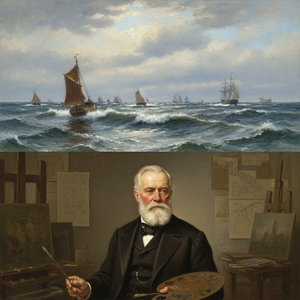
Hendrik Willem Mesdag: Pioneering Impressionism & the Dutch Maritime Tradition
Explore the life & work of Hendrik Willem Mesdag, a pioneer of Dutch Impressionism and leading figure of the Hague School. Discover his captivating seascapes and the immersive Panorama Mesdag – a true masterpiece.

Golden Light & Dutch Skies: The Timeless Magic of Dutch Golden Age Landscapes
Discover the breathtaking beauty of Dutch Golden Age landscapes. Explore the mastery of light, chiaroscuro, and 17th-century realism through an expert art history lens, celebrating the enduring legacy of the Dutch Masters for discerning collectors and art lovers.
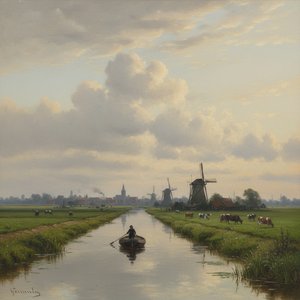
Johan Hendrik Weissenbruch: Capturing Dutch Light & Atmosphere – A Master of Realism
Discover Johan Hendrik Weissenbruch (1824-1903), a leading Dutch Hague School painter renowned for his atmospheric watercolours & oil landscapes. Explore his beautiful depictions of the Dutch countryside and skies – a master of light & detail.

Hendrick Goltzius: Master Engraver & the Flourishing of Dutch Mannerism
Explore the life & art of Hendrick Goltzius, a master engraver of Dutch Mannerism. Discover his innovative techniques, iconic engravings like 'Jahel', and lasting influence on Baroque art. Learn about collecting Goltzius today.