 წინასწარი ნახვა
 გაგზავნა
 გაზიარება
 დეტალები

 ჩამოტვირთვა
 მსგავსები
 რენტგენოგრაფიული კვლევა
 სლაიდშოუ
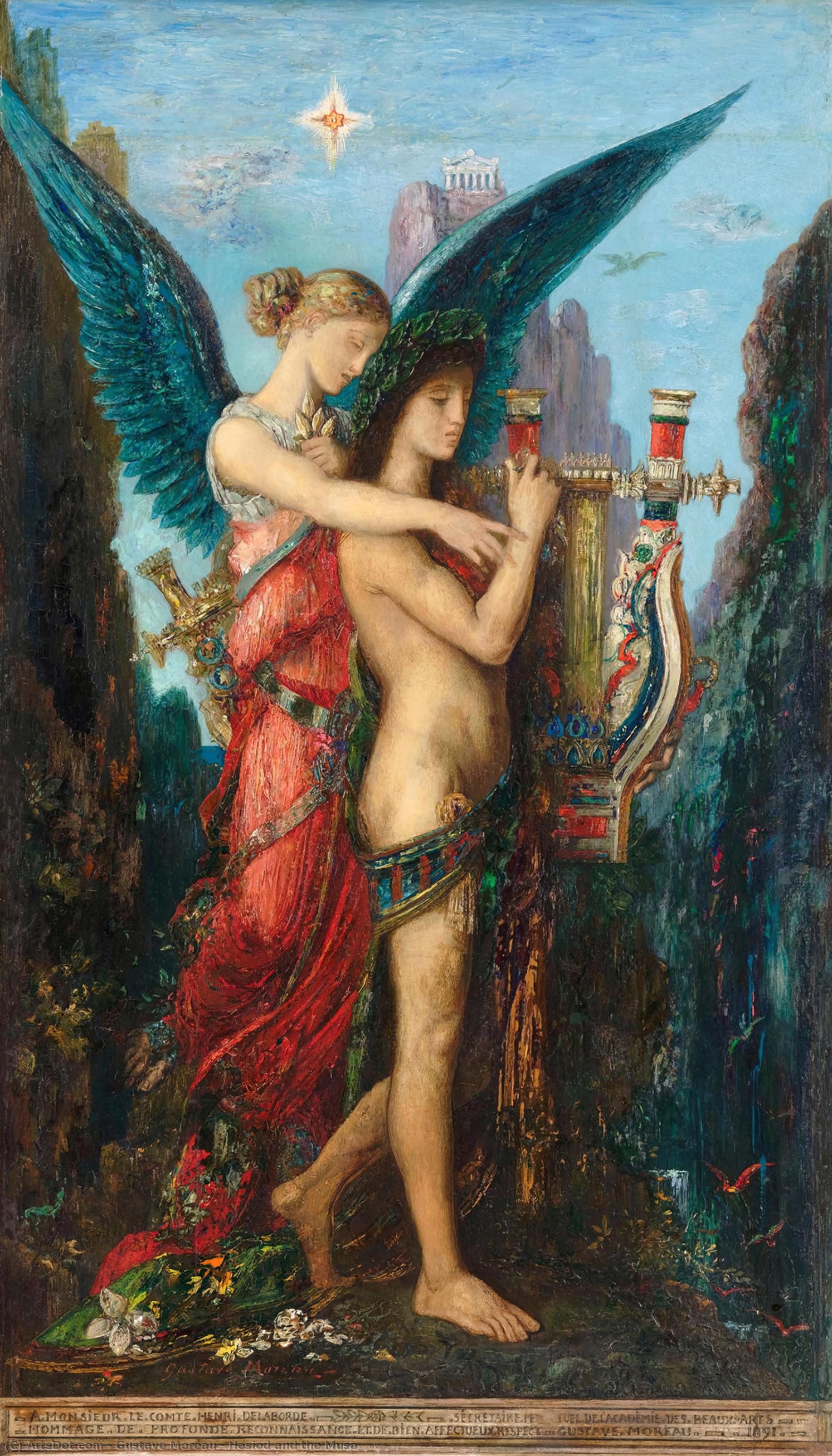
Hesiod and the Muse


 გადასართად დაწვრილებით ნახეთ
ხელით ნაკვეთი ზეთის ტილოს რეპროდუქცია
ტილოზე შესრულებული ფერწერიანი ზეთប្រდათი, თქვენთვის სასურველი ზომისა და ჩარჩოსთვის, ჩვენი ხელოვანების მიერ შეკვეთის საფუძველზე დამზადებული. ( შეიძინეთ პრინტი შეიძინეთ გამოსახულება)




P118B $10

P118H $10

P118W $10

P438Z $10

P508JH $12

P508YH $12

P805H $10

P805Z $10

P919BZ $10

P919G $10

P919XJ $10

P959ZH $10

P968JZ $12

W106C $8

W218G $10

W218JH $8

W218Y $10

W307PJ $10

W316G $10

W316PJ $8

W316Y $10

W398PJ $8

W4111J $10

W500HY $15

W500JH $15

W692G $12

W849H $8

W940BG $15

W953PJ $8




აირჩიეთ ჩვენს მიერ წინასწარ განსაზღვრული ზომებიდან, რომლებიც ნაწარმოების ორიგინალურ პროპორციებს შეესაბამება.

თქვენ შეგიძლიათ მიუთითოთ თქვენთვის სასურველი ზომები კონკრეტული ჩარჩოს ან სივრცის შესაბამისად. თუ თქვენ მიერ არჩეული ზომა არ შეესაბამება ორიგინალი გამოსახულების პროპორციებს, ჩვენ ან შევაჭრებთ ნაწარმოებს, ან ტილოზე დავამატებთ ხელით მოხატულ ელემენტებს. წარმოების დაწყებამდე, დამტკიცებისთვის გამოგეგზავნებათ ციფრული მაკეტი.
გთხოვთ, გაითვალისწინოთ, რომ ეკრანზე ნაჩვენები წინასწარი შეხედულება არ ასახავს რეალურ შეჭრას ან გაფართოებას. საბოლოო კომპოზიციას ზუსტად მხოლოდ მაკეტი წარმოაჩენს.
მიუხედავად იმისა, რომ შესაძლებელია ინდივიდუალური ზომების შერჩევა, ორიგინალური პროპორციების შენარჩუნებისათვის გირჩევთ, გამოიყენოთ წინასწარ განსაზღვრული სიის ზომები.
შეკვეთის შემდეგ, OriginalUniqueArt.com გუნდი დაგიკავშირდებათ ელექტრონული ფოსტით ინსტრუქციებისთვის და გამოგიგზავნით წინასწარ ნახაზს (mockup).
მიწოდება მსოფლიო მასშტაბით -ში 3/4 კვირაში, სტანდარტული 5 კვირის ნაცვლად. (18 აგვისტო). ხარისხზე კომპრომისის გაკეთება არ მოხდება.

უფასო ექსპრეს მიწოდება მთელ მსოფლიოში

საბამად მაღალი ხარისხის ტილო

სრული ტრანსპორტირების დაზღვევა

საბაჟო გადასახადების დაბრუნების გარანტია

ფერების სრული შესაბამისობის გარანტია

60-დღიანი დაბრუნების პოლიტიკა (მხოლოდ დეფექტის შემთხვევაში)

100% თანხის დაბრუნების გარანტია

ფასდაკლება დიდი რაოდენობით შეკვეთისას
 მინის ჩარჩოს არჩევანი ხელმისაწვდომია მხოლოდ 110 სმ-ზე ნაკლები ზომისთვის

Hesiod and the Muse
რეკლამაციის ტექნიკა
რეკლამაციის ზომა
-


საბოლოო ფასი
$ 300
ნაწარმოების აღწერა
The Enigmatic Dance of Inspiration
Gustave Moreau’s “Hesiod and the Muse” isn't merely a depiction of two figures; it’s an immersion into a dreamscape, a carefully constructed tableau brimming with mythological resonance and deeply personal symbolism. Painted in 1891 during his most intensely Symbolist period, the canvas unfolds like a meticulously crafted allegory – a visual poem exploring the very nature of artistic creation and the divine spark that ignites it. Moreau, a master of layering textures and manipulating light, transports us to a realm where reality blurs with myth, inviting contemplation on the origins of storytelling and the role of inspiration.
A Symphony of Myth and Technique
The composition itself is a marvel of intricate detail. Two angels, rendered with an almost ethereal quality, dominate the foreground – one on the left, holding a violin, the other a harp. Their postures are graceful yet imbued with a sense of quiet intensity, suggesting a shared communion. Behind them, a hazy background reveals a rocky landscape and a distant temple, anchoring the scene in classical antiquity while simultaneously elevating it to a realm beyond earthly concerns. Moreau’s technique is characterized by his lavish use of color – rich reds, deep blues, and shimmering golds—applied with meticulous brushstrokes that create an astonishingly tactile surface. He employs a glazing technique, layering thin washes of paint over each other to build up depth and luminosity, mimicking the effects of stained glass and creating a mesmerizing visual texture.
- Color Palette: Dominated by deep blues, reds, golds, and greens – evoking both earthly landscapes and divine realms.
- Technique: Moreau’s signature glazing technique creates luminous layers and an almost tactile surface.
- Composition: A carefully balanced arrangement of figures and elements, guiding the viewer's eye through a complex narrative.
Decoding the Symbolism
Moreau wasn’t simply illustrating a myth; he was translating it into a visual language laden with personal meaning. Hesiod, the Greek poet traditionally credited with composing the *Theogony* – an account of the origins of the gods – is presented as receiving guidance from the Muses, goddesses of inspiration and the arts. The instruments they hold—the violin and harp—represent the tools of artistic expression, while their proximity to Hesiod symbolizes the divine influence that fuels creativity. The smaller figures in the background are not merely decorative; they likely represent the various sources of inspiration – memories, emotions, and experiences – that contribute to the artist’s vision. The presence of a shield covered with flowers hints at the nurturing power of nature and the cyclical rhythms of life and creation.
The painting can be interpreted as a self-portrait of Moreau himself, reflecting his own struggle to capture the elusive essence of artistic inspiration. It's a meditation on the process of translating subjective experience into tangible form, mirroring the poet’s task of giving voice to the stories and myths that shaped Greek culture.
Bringing “Hesiod and the Muse” Home
OriginalUniqueArt offers exquisite, hand-painted reproductions of Gustave Moreau's "Hesiod and the Muse," allowing you to bring this captivating masterpiece into your own space. Each reproduction is created by skilled artisans using traditional oil painting techniques, meticulously replicating Moreau’s intricate details and luminous color palette. Whether adorning a grand salon or adding a touch of enigmatic beauty to a smaller room, this artwork will serve as a constant reminder of the power of myth, symbolism, and artistic inspiration. Explore our collection and claim your own piece of art history today!
მხატვრის ბიოგრაფია
Gustave Moreau (1826 - 1898): A Dream Weaver of Symbolism
Gustave Moreau, a name synonymous with the ethereal beauty and enigmatic depths of Symbolist painting, emerged from 19th-century Paris as a singular artistic voice. Born in 1826 into a bourgeois family—his father an architect and archivist—Moreau’s early life was steeped in intellectual curiosity and aesthetic sensibility. From a young age, he displayed a remarkable gift for drawing, nurtured through traditional academic training at the École des Beaux-Arts under figures like François-Édouard Picot. However, Moreau's artistic path would diverge sharply from the prevailing Realist and Impressionist currents of his time. He wasn’t interested in capturing fleeting moments or objective reality; instead, he sought to unlock the hidden realms of myth, religion, and the human psyche through a deeply personal and symbolic visual language. His journey was one of inward exploration, translating subjective emotions and spiritual yearnings onto canvas with an obsessive attention to detail and a vibrant, often opulent palette.Early Influences and Artistic Training
Moreau’s artistic development wasn't born in a vacuum. While rejecting the dominant trends of his era, he drew inspiration from diverse sources. The dramatic use of color and exotic subject matter found in the works of Eugène Delacroix ignited a passion for narrative painting imbued with emotional intensity—a fascination that would define much of his oeuvre. He particularly admired Michelangelo’s monumental sculptures and Leonardo da Vinci's masterful anatomical drawings, recognizing their profound impact on artistic technique and psychological insight. Yet, Moreau wasn’t merely imitating these masters; he was synthesizing their influences into something entirely new. His formative years at Collège Rollin instilled in him a rigorous intellectual discipline—a cornerstone of his artistic approach—and subsequent training at the École des Beaux-Arts solidified his mastery of classical painting principles. Notably, he befriended Theodore Chassériau, who shared his admiration for Delacroix and served as a crucial mentor during Moreau’s early career. This relationship fostered a collaborative spirit that would propel both artists toward groundbreaking innovations in artistic expression.The Italian Journey: Rediscovering Antiquity
A pivotal moment in Moreau’s artistic evolution arrived with his travels to Italy between 1857 and 1859—a pilgrimage he undertook with unwavering determination. Driven by a desire to reinvigorate the history painting tradition, Moreau immersed himself in the art of antiquity and the Renaissance, meticulously copying Old Master paintings as a means of absorbing their stylistic nuances and mastering their techniques. He visited Rome extensively, studying the frescoes of Michelangelo and Raphael—artists whose monumental achievements profoundly influenced his artistic vision. The grandeur of Roman ruins served as constant reminder of the enduring power of classical ideals—a fascination that would permeate his subsequent works. This immersive experience fundamentally reshaped Moreau’s aesthetic sensibilities, equipping him with a wealth of visual references and inspiring him to forge an entirely original artistic style.Symbolist Vision: Myth, Religion, and Psychological Depth
Moreau's artistic breakthrough occurred in 1864 with *Oedipus and the Sphinx*, a painting that signaled the commencement of his mature period and established his reputation as a pioneer of Symbolism—a movement he championed alongside Theodore Chassériau. Departing decisively from Realist conventions, Moreau embraced a radically subjective approach to artistic creation—one rooted in the conviction that art should transcend mere representation and engage directly with the human psyche. He eschewed objective observation in favor of imaginative exploration—translating inner emotions and spiritual yearnings into visual symbols—often employing opulent color palettes and intricate textural details to evoke an atmosphere of otherworldly beauty. His canvases depict scenes from mythic narratives—such as Oedipus confronting the Sphinx—and biblical tales—like Samson and Delilah—not as literal recreations of historical events, but as vehicles for conveying profound psychological truths. Moreau’s technique was characterized by painstaking layering of paint—creating surfaces that shimmer with iridescent hues—and a meticulous attention to anatomical accuracy—reflecting his admiration for Leonardo da Vinci's anatomical studies.Legacy and Influence: Shaping the Future of Art
Though initially met with skepticism from mainstream artistic circles, Moreau achieved considerable acclaim during the Symbolist movement of the 1890s—solidifying his position as one of the foremost painters of his time. Unlike many contemporaries who pursued fame and fortune, Moreau remained largely secluded from public life—preferring to devote himself entirely to artistic pursuits within the confines of his studio—where he nurtured a singular vision of art’s role in human experience. Despite facing considerable challenges during his lifetime—including financial difficulties and critical disapproval—Moreau exerted an indelible influence on subsequent generations of artists—inspiring them to embrace imagination, symbolism, and individual expression. His unwavering commitment to artistic integrity—coupled with his pioneering exploration of psychological depth—continues to resonate with audiences today—affirming Moreau’s enduring legacy as a visionary artist who fundamentally reshaped the landscape of modern art. He established the Musée Gustave Moreau in Paris—a testament to his life's work—where visitors can contemplate the captivating beauty and enigmatic complexity of his paintings—forever preserving his artistic vision for posterity.
გუსტავ მორეუ
1826 - 1898 , საფრანგეთი
მოკლე ინფორმაცია
- Artistic Movement Or Style: სიმბოლიზმი
- Artists Who Influenced This Artist:
- ხუგო დელაკსოჲ
- მიქელანჯელო ბრანჩელი
- ლევონარדו დ ვინჩი
- Date Of Birth: 6 აპრილს 1826 წელი
- Date Of Death: 18 აპრილს 1898 წელი
- Full Name: Gustave Moreau
- Nationality: ფრანგილია
- Notable Artworks:
- სალომე ჰეროდის წინ მოდის და ტრიალინება
- იოზეფ და სემელე
- მორფეისი
- პარიზი და დესდემონა
- Place Of Birth: პარისი საფრანგეთი
დაკავშირებული სტატიები
გუსტავ კლიმტის 25 შედევრი: ხელოვნების ისტორია თქვენს სახლში | OriginalUniqueArt
გუსტავ კლიმტის 25 შედევრი – ოქროს ფაზა, სეკეციონი და სიმბოლიზმის უნიკალური სამყარო. გაიგეთ ნახატების ისტორია და შეიძინეთ ხელოვნების რესპროდუქციები OriginalUniqueArt-ზე. სახლის დეკორი თქვენს გემოვნებით!

Celestial Messengers: Angels in Painting – A Historical & Artistic Exploration
Explore the captivating history of angels in painting! Discover symbolism, iconic Renaissance & Byzantine masterpieces, and renowned artists. Expert insights for art lovers & collectors at OriginalUniqueArt.

Celestial Messengers: A Comprehensive Exploration of Angelic Representation in Art History
Explore the captivating history of angels in art! Discover symbolism, iconic Renaissance masterpieces & renowned artists. Expert insights for art lovers & collectors at OriginalUniqueArt.
Gustave Moreau: Symbolism's Enigmatic Visionary & Precursors of Modern Fantasy Art
Explore the captivating world of Gustave Moreau, the leading Symbolist painter. Discover his iconic masterpieces, influences, and lasting legacy. Expert analysis for collectors & art enthusiasts.
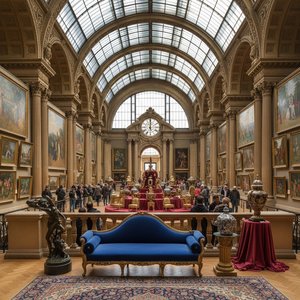
პარიზის მუზეუმ ორსეს 25 შედევრი: ხელოვნების ისტორია თქვენს სახლში
გაიცანით პარიზის მუზეუმ ორსეს 25 შედევრი! მონე, ვან გოგი, დეგა და სხვა იმპრესიონისტების ტილოები. ხელოვნების ისტორია, ტექნიკა და შთაგონება თქვენი სახლისთვის. შეიძინეთ მუზეუმის ხარისხის რეპროდუქციები OriginalUniqueArt.com-ზე!