

 წინასწარი ნახვა
 გაგზავნა
 გაზიარება
 დეტალები

 ჩამოტვირთვა
 მსგავსები
 რენტგენოგრაფიული კვლევა
 სლაიდშოუ
Flowering Orchard, Spring


 გადასართად დაწვრილებით ნახეთ
გიკლე / ხელოვნების პრინტი
მუზეუმის დონის ჟიკლე ან ტილოზე ბეჭდვა სწრაფი წარმოებისა და დასრულების მოქნილი ვარიანტებით. ( შეიძინეთ ხელით შესრულებული ნახატი შეიძინეთ გამოსახულება)




































აირჩიეთ ჩვენს მიერ წინასწარ განსაზღვრული ზომებიდან, რომლებიც ნაწარმოების ორიგინალურ პროპორციებს შეესაბამება.

თქვენ შეგიძლიათ მიუთითოთ საკუთარი ზომები კონკრეტული ჩარჩოსთვის ან სივრცისთვის მოსარგებლებლად. თუ თქვენ მიერ არჩეული ზომა არ შეესაბამება ორიგინალი გამოსახულების პროპორციებს, ჩვენ ან დავჭრით ნამუშევარს, ან გავაფართოვებთ გამოსახულებას სარკული ან ერთფეროვანი კიდეებით. წარმოების დაწყებამდე თქვენს დასამტკიცებლად გამოგეგზავნებათ ციფრული მაკეტი.
გთხოვთ, გაითვალისწინოთ, რომ ეკრანზე ნაჩვენები წინასწარი ნახვა არ ასახავს რეალურ ჭრას ან გაფართოებას. მხოლოდ მაკეტზე იქნება ზუსტად წარმოდგენილი საბოლოო კომპოზიცია.
მიუხედავად იმისა, რომ ინდივიდუალური ზომები ხელმისაწვდომია, ორიგინალური პროპორციების შესანარჩუნებლად გირჩევთ, აირჩიოთ ზომა წინასწარ განსაზღვრული სიისგან.
მიწოდება მთელ მსოფლიოში () 2 კვირაში, სტანდარტული 4/5 კვირის ნაცვლად. (22 აგვისტო)

უფასო ექსპრეს მიწოდება მთელ მსოფლიოში

საბამად მაღალი ხარისხის ტილო

სრული ტრანსპორტირების დაზღვევა

საბაჟო გადასახადების დაბრუნების გარანტია

ფერების სრული შესაბამისობის გარანტია

60-დღიანი დაბრუნების პოლიტიკა (მხოლოდ დეფექტის შემთხვევაში)

100% თანხის დაბრუნების გარანტია

ფასდაკლება დიდი რაოდენობით შეკვეთისას
 მინის ჩარჩოს არჩევანი ხელმისაწვდომია მხოლოდ 110 სმ-ზე ნაკლები ზომისთვის

Flowering Orchard, Spring
გიკლე / ხელოვნების პრინტი
რეკლამაციის ზომა
-


საბოლოო ფასი
$ 80
საკლექციო აღწერა
A Burst of Springtime Joy: Gustave Loiseau's "Flowering Orchard, Spring"
Step into a vibrant world brimming with life and color with Gustave Loiseau’s “Flowering Orchard, Spring.” Painted in 1902, this captivating landscape transports the viewer to a sun-drenched orchard awakening after winter. The scene is dominated by lush greenery and an abundance of blossoming trees, their branches laden with delicate white and pink flowers. Two bicycles nestled within the field add a touch of contemporary life to this idyllic pastoral setting, hinting at leisurely enjoyment of nature's beauty. This piece exemplifies Loiseau’s mastery in capturing fleeting moments of natural splendor.Post-Impressionist Technique & Style
Loiseau was a key figure within the Post-Impressionist movement, and "Flowering Orchard, Spring" beautifully showcases his distinctive style. While influenced by Pointillism – a technique characterized by small, distinct dots of color applied to create an image – Loiseau developed his own unique approach. Rather than strictly adhering to the rigid structure of Pointillism, he employed a looser, more expressive application of paint, often utilizing what is described as "cross-hatching." This involved layering short, intersecting strokes of color, creating a shimmering effect and capturing the vibrancy of light filtering through the blossoms. Observe how the interplay of greens, whites, pinks, and yellows creates a sense of movement and depth within the orchard, bringing the scene to life with remarkable energy.Historical Context & Parisian Impressionism
The early 1900s witnessed a flourishing of artistic innovation in Paris, where Loiseau resided and worked. This period saw artists moving beyond the purely representational aims of earlier movements like Realism, seeking to express their subjective experiences and emotions through color and form. Loiseau’s work reflects this shift, aligning with the broader trends of Parisian Impressionism and Post-Impressionism. The inclusion of bicycles—a relatively new invention at the time—grounds the painting in a specific moment in history, subtly suggesting themes of modernity and leisure within a traditional landscape setting.Symbolism & Emotional Resonance
Beyond its aesthetic appeal, "Flowering Orchard, Spring" evokes a powerful sense of renewal and optimism. The blossoming orchard itself is a potent symbol of springtime’s rebirth, representing hope, growth, and the cyclical nature of life. The vibrant colors and lively brushstrokes contribute to an overall feeling of joy and tranquility. The presence of the bicycles suggests human connection with nature, inviting viewers to imagine themselves experiencing this idyllic scene firsthand. This painting isn't merely a depiction of a landscape; it’s an invitation to embrace the beauty and promise of spring.მხატვრის ბიოგრაფია
A Parisian Vision: The Life and Art of Gustave Loiseau
Gustave Loiseau, a name perhaps less immediately recognized than some of his Post-Impressionist contemporaries, nevertheless occupies a significant place in the story of French painting at the turn of the 20th century. Born in Paris on October 3rd, 1865, and passing away there on October 10th, 1935, Loiseau’s life was deeply intertwined with the evolving artistic landscape of his city and the broader currents of modernism. His journey began not within the hallowed halls of an art academy—though he briefly attended the École des arts décoratifs—but amidst the practical world of his parents' butcher shop. This early exposure to everyday Parisian life, coupled with a subsequent apprenticeship with a family friend who was a decorator, would profoundly shape his artistic sensibilities. It instilled in him a keen observation of the city’s rhythms and textures, a fascination that would become central to his oeuvre. A modest inheritance from his grandmother proved pivotal, allowing Loiseau to dedicate himself fully to painting in 1887, though his formal training was cut short by a disagreement with a teacher—a testament to his independent spirit.Early Influences and Artistic Beginnings
Loiseau’s formative years were marked by a desire for independence and an aversion to the rigid conventions of academic art. Rejecting the idealized depictions favored by the École des Beaux-Arts, he sought inspiration in the burgeoning Impressionist movement—particularly the work of Claude Monet and Camille Pissarro—whose exploration of light and color captivated him. However, Loiseau wasn’t merely imitating his idols; instead, he absorbed their techniques and ideas while forging his own distinctive path. His initial artistic experiments included Pointillism, attempting to capture atmospheric effects through the meticulous application of tiny dots of pigment—a method championed by Georges Seurat and Paul Signac. Yet, Loiseau quickly recognized that Pointillism’s limitations prevented him from conveying the emotional depth he envisioned. This realization led him to a pivotal encounter with Pont-Aven in Brittany in 1890.The Breton Influence: Finding Harmony in Landscape
Pont-Aven became a crucible for artistic innovation, attracting artists who sought alternatives to Parisian artistic dogma—most notably Paul Gauguin and Émile Bernard. It was here that Loiseau discovered the transformative power of landscape painting, immersing himself in the rugged beauty of Brittany’s coastline and hillsides. The Breton experience profoundly impacted his artistic sensibilities, fostering a fascination with tonal harmonies and capturing the subtle nuances of natural light. He abandoned Pointillism altogether, embracing *en treillis*, or cross-hatching—a technique that would become synonymous with his style. Unlike Impressionist brushstrokes, which strive to blend colors seamlessly, Loiseau employed a network of fine, interwoven lines to build up form and capture the textures of stone and foliage. This method wasn’t born from theoretical contemplation but from intuitive understanding—a response to visual stimuli rooted in direct observation.The Technique of En Treillis: Texture and Atmosphere
Loiseau's *en treillis* technique represents a radical departure from traditional painting methods. It eschews the illusionistic blending characteristic of Impressionism, prioritizing instead the depiction of surface texture and atmospheric depth. Instead of layering colors to create an optical blend, Loiseau meticulously constructed form using intersecting lines—often hatched or cross-crossed—that subtly modulate light and shadow. This approach yielded a remarkable result: paintings imbued with a shimmering quality that captured the essence of Breton landscapes and Parisian street scenes alike. The technique wasn’t merely descriptive; it conveyed emotion—a quiet reverence for the natural world and an appreciation for the complexities of urban life. Loiseau's masterful use of *en treillis* distinguishes him from many other Impressionists, establishing him as a pioneer in exploring new expressive possibilities.Recognition and Legacy
Throughout his career, Gustave Loiseau exhibited regularly at prestigious venues such as the Salon des Indépendants and the Salon de la Société Nationale—garnering acclaim from both critics and collectors. He benefited greatly from the patronage of Paul Durand-Ruel, a prominent art dealer who championed many of the leading Impressionist and Post-Impressionist artists. Despite not achieving the widespread fame enjoyed by some contemporaries—such as Monet or Cézanne—Loiseau’s work gained considerable respect within the artistic community and found its way into important museum collections—including the Musée Maurice Denis in France. Today, Loiseau's paintings are increasingly appreciated for their distinctive style, their evocative atmosphere, and their insightful portrayal of French life during a period of significant social and cultural transformation. He stands as a testament to the enduring power of artistic vision—an artist who remained steadfastly committed to his own aesthetic principles while engaging with the evolving currents of modernism. His legacy resides not in overturning established conventions but in refining them, offering a uniquely personal and captivating perspective on the world around him.
გუსტავ კორბე
1865 - 1935 , საფრანგეთი
მოკლე ინფორმაცია
- Artistic Movement Or Style: პოსტიმپرესიონიზმი
- Date Of Birth: 1865 წლის ოქტომბერი 3
- Date Of Death: 1935 წლის ოქტომბერი 10
- Full Name: Gustave Loiseau
- Nationality: ფრანგია
- Notable Artworks:
- rues de Clignancourt
- Avenue de Fiedland
- ბრიტანტიას მწვანე სავ jardim
- კორონდ პარიზის სოფლის ცხოვრება და სად სად სად სად სად სად სად სად სად სად სად სად სად სად სად სად სად სად სად სად სად სად სად სად სად სად სად სად სად სად სად სად სად სად სად სად სად სად სად სად სად სად სად სად სად სად სად სად სად სად სად სად სად სად სად სად სად სად სად სად სად სად სად სად სად სად სად სად სად სად სად სად სად სად სად სად სად სად სად სად სად სად სად სად სად სად სად სად სად სად სად სად სად სად სად სად სად სად სად სად სად სად სად სად სად სად სად სად სად სად სად სად სად სად სად სად სად სად სად სად სად სად სად სად სად სად სად სად სად სად სად სად სად სად სად სად სად სად სად სად სად სად სად სად სად სად სად სად სად სად სად სად სად სად სად სად სად სად სად სად სად სად სად სად სად სად სად სად სად სად სად სად სად სად სად სად სად სად სად სად სად სად სად სად სად სად სად სად სად სად სად სად სად სად სად სად სად სად სად სად სად სად სად სად სად სად სად სად სად სად სად სად სად სად სად სად სად სად სად სად სად სად სად სად სად სად სად სად სად სად სად სად სად სად სად სად სად სად სად სად სად სად სად სად სად სად სად სად სად სად სად სად სად სად სად სად სად სად სად სად სად სად სად სად სად სად სად სად სად სად სად სად სად სად სად სად სად სად სად სად სად სად სად სად სად სად სად სად სად სად სად სად სად სად სად სად სად სად სად სად სად სად სად სად სად სად სად სად სად სად სად სად სად სად სად სად სად სად სად სად სად სად სად სად სად სად სად სად სად სად სად სად სად სად სად სად სად სად სად სად სად სად სად სად სად სად სად სად სად სად სად სად სად სად სად სად სად სად სად სად სად სად სად სად სად სად სად სად სად სად სად სად სად სად სად სად სად სად სად სად სად სად სად სად სად სად სად სად სად სად სად სად სად სად სად სად სად სად სად სად სად სად სად სად სად სად სად სად სად სად სად სად სად სად სად სად სად სად სად სად სად სად სად სად სად სად სად სად სად სად სად სად სად სად სად სად სად სად სად სად სად სად სად სად სად სად სად სად სად სად სად სად სად სად სად სად სად სად სად სად სად სად სად სად სად სად სად სად სად სად სად სად სად სად სად სად სად სად სად სად სად სად სად სად სად სად სად სად სად სად სად სად სად სად სად სად სად სად სად სად სად სად სად სად სად სად სად სად სად სად სად სად სად სად სად სად სად სად სად სად სად სად სად სად სად სად სად სად სად სად სად სად სად სად სად სად სად სად სად სად სად სად სად სად სად სად სად სად სად სად სად სად სად სად სად სად სად სად სად სად სად სად სად სად სად სად სად სად სად სად სად სად სად სად სად სად სად სად სად სად სად სად სად სად სად სად სად სად სად სად სად სად სად სად სად სად სად სად სად სად სად სად სად სად სად სად სად სად სად სად სად სად სად სად სად სად სად სად სად სად სად სად სად სად სად სად სად სად სად სად სად სად სად სად სად სად სად სად სად სად სად სად სად სად სად სად სად სად სად სად სად სად სად სად სად სად სად სად სად სად სად სად სად სად სად სად სად სად სად სად სად სად სად სად სად სად სად სად სად სად სად სად სად სად სად სად სად სად სად სად სად სად სად სად სად სად სად სად სად სად სად სად სად სად სად სად სად სად სად სად სად სად სად სად სად სად სად სად სად სად სად სად სად სად სად სად სად სად სად სად სად სად სად სად სად სად სად სად სად სად სად სად სად სად სად სად სად სად სად სად სად სად სად სად სად სად სად სად სად სად სად სად სად სად სად სად სად სად სად სად სად სად სად სად სად სად სად სად სად სად სად სად სად სად სად სად სად სად სად სად სად სად სად სად სად სად სად სად სად სად სად სად სად სად სად სად სად სად სად სად სად სად სად სად სად სად სად სად სად სად სად სად სად სად სად სად სად სად სად სად სად სად სად სად სად სად სად სად სად სად სად სად სად სად სად სად სად სად სად სად სად სად სად სად სად სად სად სად სად სად სად სად სად სად სად სად სად სად სად სად სად სად სად სად სად სად სად სად სად სად სად სად სად სად სად სად სად სად სად სად სად სად სად სად სად სად სად სად სად სად სად სად სად სად სად სად სად სად სად სად სად სად სად სად სად სად სად სად სად სად სად სად სად
- Place Of Birth: პარიზი, საფრान्सია
დაკავშირებული სტატიები
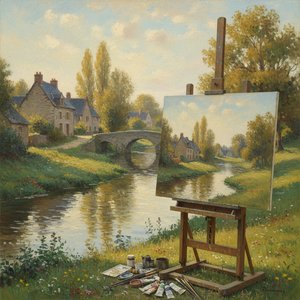
Gustave Loiseau: Capturing the Ephemeral Light of French Landscapes
Explore the captivating landscapes of Gustave Loiseau, a key Post-Impressionist painter. Discover his unique 'en treillis' technique and artistic legacy with our comprehensive guide.

გუსტავ კლიმტის 25 შედევრი: ხელოვნების ისტორია თქვენს სახლში | OriginalUniqueArt
გუსტავ კლიმტის 25 შედევრი – ოქროს ფაზა, სეკეციონი და სიმბოლიზმის უნიკალური სამყარო. გაიგეთ ნახატების ისტორია და შეიძინეთ ხელოვნების რესპროდუქციები OriginalUniqueArt-ზე. სახლის დეკორი თქვენს გემოვნებით!

პოლ სეზანის 25 შედევრი: ხელოვნების ისტორიაში გამორჩეული ნაწარმოებები | OriginalUniqueArt.com
აღმოაჩინეთ პოლ სეზანის 25 გამორჩეული შედევრი! იმპრესიონიზმი, პოსტიმპრესიონიზმი და კუბიზმის წინასწარმეტყველი. ნახატების ისტორია, ტექნიკა და შთაგონება OriginalUniqueArt.com-ზე. 🖼️ ხელოვნების ბეჭვრა მუზეუმის ხარისხით.
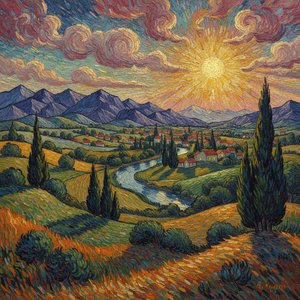
Beyond Impressionism: The Emotional Depth and Vibrant Evolution of Post-Impressionist Landscapes
Explore the profound evolution of Post-Impressionist landscapes. From Van Gogh's emotional brushwork to Cézanne's structural mastery, discover how these visionaries redefined art history through color and form in this expert guide for fine art enthusiasts.
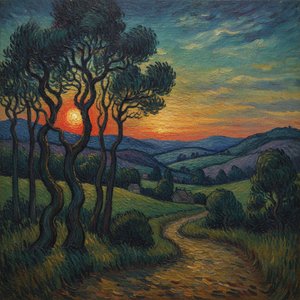
Beyond the Light: Capturing Raw Emotion and Subjective Vision in Post-Impressionist Landscapes
Explore the profound emotional depth of Post-Impressionist landscapes. Discover how masters like Van Gogh moved beyond light to capture raw human feeling through vibrant color and expressive texture in this expert art history retrospective.

