

 ნახვა ინტერьерში
 გაგზავნა
 გაზიარება
 დეტალები
 გზამკვლევი

 ჩამოტვირთვა
 მსგავსები
 რენტგენოგრაფიული კვლევა
 სლაიდშოუ
 სტატისტიკა
Beethoven Frieze:
 Acrylic On Canvas
- WallArt
- Art Nouveau
 1901
1901 215.0 x 516.0 cm
 Secession
 სრული ტექსტის ნახვა
გიკლე / ხელოვნების პრინტი
მუზეუმის დონის ჟიკლე ან ტილოზე ბეჭდვა სწრაფი წარმოებისა და დასრულების მოქნილი ვარიანტებით. ( შეიძინეთ ხელით შესრულებული ნახატი გადასვლა ციფრულ გამოსახულებაზე)




P118B ₾10

P118H ₾10

P118W ₾10

P438Z ₾10

P508JH ₾12

P508YH ₾12

P805H ₾10

P805Z ₾10

P919BZ ₾10

P919G ₾10

P919XJ ₾10

P959ZH ₾10

P968JZ ₾12

W106C ₾8

W218G ₾10

W218JH ₾8

W218Y ₾10

W307PJ ₾10

W316G ₾10

W316PJ ₾8

W316Y ₾10

W398PJ ₾8

W4111J ₾10

W500HY ₾15

W500JH ₾15

W692G ₾12

W849H ₾8

W940BG ₾15

W953PJ ₾8




აირჩიეთ ჩვენს მიერ წინასწარ განსაზღვრული ზომებიდან, რომლებიც ნაწარმოების ორიგინალურ პროპორციებს შეესაბამება.

შეიყვანეთ თქვენთვის საჭირო სიგანე და სიმაღლე, რათა იგი მოერგოს თქვენს ჩარჩოს ან კედელს. ბეჭდვისას შესაძლებელია მხოლოდ მისი შემცირება და არა გაზრდა, ამიტომ სხვა ფორმის ზომის შემთხვევაში გამოსახულება ნაწილობრივ იკარგება. სანამ რაიმეს დაბეჭდავთ, ჩვენ გამოგიგზავნით ციფრულ მაკეტს დასდასტურებლად. ამ გვერდზე ნაჩვენები სურათი არ ასახავს რეალურ ჭრას — ამას მხოლოდ მაკეტი გვიჩვენებს.
მიწოდება მთელ მსოფლიოში () 2 კვირაში, სტანდარტული 4/5 კვირის ნაცვლად. (22 ოქტომბერი)

უფასო ექსპრეს მიწოდება მთელ მსოფლიოში

მაღალი ხარისხის ტილო

ტრანსპორტირების სრული დაზღვევა

საბაჟო გადასახადების დაბრუნების გარანტია

ფერების სრული შესაბამისობის გარანტია

დაბრუნების 100-დღიანი პერიოდი (მხოლოდ წარმოების დეფექტის შემთხვევაში)

100% თანხის სრული დაბრუნების გარანტია

ფასდაკლება დიდი რაოდენობით შეკვეთისას
 მინის ჩარჩოს არჩევანი ხელმისაწვდომია მხოლოდ 110 სმ-მდე ზომისთვის

Beethoven Frieze:
გიკლე / ხელოვნების პრინტი
რეპროდუქციის ზომა
-


ჯამური ღირებულება
₾ 209
A Symphony of Gold and Human Connection: Gustav Klimt’s *Beethoven Frieze*
Gustav Klimt's 1901 masterpiece, *Beethoven Frieze*, is not merely a depiction of musicians; it’s an immersive experience, a shimmering portal into the heart of artistic creation and the profound connection between art, music, and human emotion. Painted during a pivotal period in Klimt’s career – a time when he was increasingly experimenting with decorative elements and exploring themes of sexuality and spirituality – this work stands as a testament to his evolving style and his fascination with the power of symbolism.
The painting immediately captivates with its lavish use of gold leaf, a technique deeply rooted in Klimt’s family history through his father's profession as a gold engraver. This opulent material isn’t simply decorative; it represents wealth, divinity, and the enduring legacy of artistic genius. The shimmering surface reflects light in a way that draws the viewer into the scene, creating an almost hypnotic effect. Klimt masterfully employs this technique alongside his signature geometric patterns – stylized floral motifs, intricate spirals, and rectangular blocks – to construct a visually arresting composition.
The Figures: Embodiments of Creativity and Emotion
At the center of the frieze sits a woman, her face partially obscured by a veil, radiating an aura of serene contemplation. She is often interpreted as representing Beethoven himself, or perhaps the muse who inspires his music. Around her swirl other figures – men and women engaged in various activities: playing instruments, listening intently, and gesturing with passionate expression. These aren’t static portraits; they are dynamic representations of a creative process unfolding. Klimt deliberately avoids sharp outlines and precise details, opting instead for flowing lines and ambiguous forms that suggest movement and emotional intensity.
- The Violinist: A figure lost in the act of playing, his posture conveying both concentration and joy.
- The Singer: Her arms raised, she embodies the vocal outpouring of emotion central to musical performance.
- The Listener: Seated with rapt attention, he represents the receptive audience – vital to the artist’s creative cycle.
Notice how Klimt uses color to differentiate these figures. The woman in the center is bathed in a warm, golden light, while others are rendered in cooler tones, suggesting varying levels of engagement and emotional intensity within the scene.
Historical Context and Artistic Influences
*Beethoven Frieze* emerged from a broader artistic landscape marked by Symbolism and Art Nouveau. Klimt was deeply influenced by Byzantine mosaics – particularly their use of gold and tesserae – as well as the decorative arts prevalent in Vienna at the time. The frieze’s format, resembling a classical architectural element (a triumphal arch), further connects it to historical precedent while simultaneously pushing boundaries with its modern aesthetic.
The painting was created during a period of significant social and cultural change in Austria. The rise of psychoanalysis, spearheaded by Sigmund Freud, was influencing artistic thought, prompting artists to explore the subconscious mind and delve into themes of sexuality and spirituality. Klimt’s work reflects this shift, subtly hinting at hidden desires and unspoken emotions beneath the surface of the depicted scene.
A Legacy of Beauty and Emotion
*Beethoven Frieze* is more than just a painting; it's an invitation to contemplate the nature of art, music, and human experience. Klimt’s masterful use of gold leaf, his innovative composition, and his exploration of symbolic imagery combine to create a work that continues to resonate with viewers today. It speaks to the enduring power of creativity, the beauty of artistic expression, and the profound connection between the artist's soul and the world around them.
OriginalUniqueArt offers exquisite, hand-painted reproductions of *Beethoven Frieze*, allowing you to bring this iconic masterpiece into your home or office. Each reproduction is meticulously crafted by skilled artists using archival quality materials, ensuring that you receive a faithful representation of Klimt’s original vision – a shimmering testament to the enduring legacy of art and music.
კითხვები და პასუხები
რა არის გუსტავ კლიმტი-ის „Beethoven Frieze:“-ის შექმნის თარიღი და სტილი?
"Beethoven Frieze:" შეიქმნა 1901 წელს, როგორც Art Nouveau მიმდევრობის ნამუშევარი. თარიღი და სტილისტიკური მიმდევრობა ამ ხელოვნების ნიმუშს ხელოვნების ისტორიაში განსაზღვრულ ადგილს ანიჭებს.
რისთვის არის რეკომენდებული "Beethoven Frieze:"-ის პრინტის გამოყენება?
გუსტავ კლიმტი-ის „Beethoven Frieze:“-ის გამოყენების რეკომენდებული ფორმაა Statement. მას ასევე შეიძლება სხვა დანიშნულება ჰქონდეს.
რა ფორმისა და ზომის არის გუსტავ კლიმტი-ის „Beethoven Frieze:“?
გუსტავ კლიმტი-ის „Beethoven Frieze:“ არის Panoramic კომპოზიცია, რომლის ორიგინალის ზომაა 215 x 516 cm.
მხატვრის ბიოგრაფია
გუსტავ კლიმტის ადრეული წლები და მხატვრული აღმოცენება
გუსტავ კლიმტი დაიბადა 1862 წლის 14 ივლისს, ბაუმგარტენში, ვენის yakınında. ის წარმოშობილი იყო ოჯახიდან, რომელსაც ხელოვნებისადმი ნათესავი ჰქონდა, თუმცა ფინანსური უჭირდა. მისი მამა, ერნსტ კლიმტი, ოქროს გრავერი იყო, პროფესია, რომელმაც სუბტილურად, მაგრამ ღრმად აღმოაჩინა ახალგაზრდა გუსტავის ესთეტიკური გრძნობები – ოქროს ფოთლის მომხიბვლელობა, ზუსტი დეტალიზაცია და უხილავი მდიდრობა. ოჯახის ბრძანებები ხშირად იცვლებოდა ვენაში, რაც, შესაძლოა, კლიმტს გარემომცველების მიმართ მწვერვალო დაკვირვებასა და ადამიანური გამოცდილებისადმი მგრძნობელობას უწყობდა ხელს. ბავშობაშივე მისი ნახატების უნარი გამორჩეული იყო, რაც კაცობრივ პროფესიასთან და თანდამთქმელ ნიჭთან ერთად ყვანთოდა. 1876 წელს ის ჩაირიცხა ვენის ხელოვნების სკოლაში (Kunstgewerbeschule), სადაც დაიწყო ფორმალური სწავლება არქიტექტურული მხატვრობის დარგში ფერდინანდ ლაუფბერგერის ხელ കീഴით. ეს უზრუნველყოფილი იყო მასზედაფუძნებული ტექნიკური საფუძველი, მაგრამ ასევე გამოაშკარავებდა მოქმედი აკადემიური სტილებს – სტილებს, რომლებსაც კლიმტი საბოლოო ჯამში გამორიგებდა და გადააჭარბებდა. სწორედ აქ მან მნიშვნელოვანი მხატვრული პარტნიორობი გაყარა თავის ძმასთან, ერნსტთან და ფრანც ვონ მასޗთან, თანამშრომლობა, რომელმაც უზრუნველყო ადრეული კომისიები დეკორატიული მრავალფეროვნებისა და ჭერებისათვის, რაც საფუძველი გახდა მისი მომავლის წარმატებისთვის.ვენის სეცესიონის აღზევება
1890-იანი წლებისთვის კლიმტი უფრო და უფრო იმედგაცრუებული იყო ვენაში არსებულ კონსერვატულ მხატვრულ დამყარებაში. ის ოცნებობდა მეტ თავისუფლობაზე, სივრცეში, სადაც ინოვაცია ყვანთოდა ტრადიციის შეზღუდვის გარეშე. ეს სურვილი კულიმინაციამდე მივიდა 1897 წელს ვენის სეცესიონის ჩამოყალიბებით, ავსტრიის ხელოვნების ისტორიაში გადამწყვეტი მომენტი. კლიმტი აირჩევით მისი პირველი პრეზიდენტი, გახდა მოძრაობის სიმბოლო, რომელიც ეძებოდა მკაცრი აკადემიური ნორმებიდან გასვლებასა და ახალი მხატვრული ტენდენციების მიღებას ევროპაში – Art Nouveau, სიმბოლიზმი და იაპონიზმი. სეცესიონის საკუთარი გამოფენის შენობა, ਜੋసెფ მარია ოლბრიხის დიზაინით, გახდა ამ తిరుగుబాటు-ს სიმბოლო, თანამედროვე ხელოვნებისადმი ნაკურთველი ტაძმა. კლიმტის ნაშრომები იყო სეცესიონის არსის ცენტრში, რომელიც ასახავდა კონვენციური ესთეტიკის უარყოფასა და დეკორატიული ელემენტების მიღებას, ბრilliant ფერებსა და სიმბოლურ გამოსახულებებს. მისი ნახატები დაიწყეს თემების შესწავლა სიყვარულის, სიკვდილისა და სქესურობის შესახებ беспрецедентным frankness-ით, რაც გამოწვევდა საზოგადოებრივ ნორმებს და აღძრავდა როგორც восхищение, ასევე ఆగ్రహი.ოქროს ფაზა და მხატვრული სიმწიფე
1900 წლისთვის კლიმტი შევიდა იმას, რაც დღეს მისი „ოქროს ფაზად“ არის ცნობილი, პერიოდი, რომელსაც ხასიათდებოდა ოქროს ფოთლის пышное გამოყენებით, რომელიც შთაგანილი იყო ბიზანტიური მोज़აიკებისა და შუა საუკუნეების иллюминированных ხელნაწერებისგან. ამ ტექნიკამ მის ნახატებს გადააქცია shimmering, სხვა სამყაროს ხედვებად, რომლებიც სულიერი სიღრმისგრძნობიანი და чувственного привлекательности გრძნობით იყო აღმოსაჩერებილი. *The Kiss* (1907-1908), შესაძლოა მისი ყველაზე ცნობილი ნამუშევარი, ამ სტილის მაგალითია – წყვილი ჩასული კოცნაში, ოქროს აურის გარემორგებაში, მათი ორგანოები украшены ინტრიკატური 패턴ებით. ეს პერიოდი ასევე ხასიათდება შესანიშნავი портретов-ის წარმოქმნით, მათ შორის *Portrait of Adele Bloch-Bauer I* (1907), რომელიც გამოავლენდა მის უნარს არა მხოლოდ ფიზიკური მსგავსების აღწევას, არამედ მისი საგნების ფსიქოლოგიური სიძრწოლის აღქმას. ის თანაბრალეულად აბლურებდა ხაზს მხატვრობასა და დამზდობელ ელემენტებს შორის, შექმნიდა ფორმისა და შინაარსის ჰარმონიულ ფუზიას. იაპონური ხელოვნების გავლენა – იაპონიზმი – განსაკუთრებით ნათლად ჩანს მისი שטორირებული პერსპექტივაში, ხაზებზე და აქცენტზე დეკორატიული 패턴ებში.争议, 영향력 및 지속적인 유산
კლიმტის კარიერა არ იყო თავისუფალი კონფლიქტებისგან. 1900 წელს მას მიიღო პრესტიჟული კომისიონი ვენის უნივერსიტეტის დიდი დარბაზისთვის ჭერების მხატვრობა, რომელიც წარმოადგენდა ფილოსოფიას, სამართალსა და თეოლოგიას. თუმცა, ეს ნამუშევრები – განსაკუთრებით *Philosophy* – აღიქმებოდა провокационным და حتی порнографическим კონსერვატულ კრიტიკოსების მიერ, რაც გამოიწვია საზოგადოებრივი უკმაყოფილება და საბოლოოდ კლიმტი უარი განაცხადა უფრო მეტ სახელმწიფო კომისიებზე. ეს ინციდენტი აღნიშნა გარდამავალი წერტილი მის კარიერაში, რომელიც მას უფრო προσωπული მხარდაჭერისკენ მიიწრასა და მისცა მეტი მხატვრული თავისუფლება. მთელი ცხოვრების განმავლობაში კლიმტი受到了 სხვადასხვა მხატვრებისა და სტილებისგან – ჰანს 막არტის ისტორიული ნახატებიდან ბიზანტიური ხელოვნებისა და იაპონიის వరకు. მან ასევე შთაგანილი იყო სიმბოლისტური მოძრაობიდან, თემების შესწავლა მითოლოგიის, ალეგორიისა და ქვეცნობიერსთან. გუსტავ კლიმტი გარდაიცვალა 1918 წლის 6 თებერვალს ინფარქტის შედეგად ესპანურ გრიპის პანდემიის დროს. მისი შემდგომი ნამუშევრები შესწავლის მიზნით უფრო აბსტრაქტული ფორმებსა და ლანდშაფტებს აღმოაჩენდა, რაც მხატვრულ ევოლუციის მუდმივ გადმოსახელებას წარმოადგენს. ის ახლა აღიარებულია ავსტრიის ხელოვნების ისტორიაში ერთ-ერთი ყველაზე მნიშვნელოვანი ფიგურად, ვენის სეცესიონის წამყვანი წარმომადგენლად და Art Nouveau ელეგანტის მუდ
გუსტავ კლიმტი
1862 - 1918 , ავსტრია
მოკლე ფაქტები
- Artistic Movement Or Style: სიმბოლიზმი, არტ ნუვო
- Artists Or Movements Influenced By This Artist:
- ეგონ 쉬ელე
- ექსპრესიონიზმი
- სურრეალიზმი
- Artists Who Influenced This Artist:
- ჰანს მაკარტი
- იაპონური ხელოვნება
- Date Of Birth: 1862 წლის 14 ივლისი
- Date Of Death: 1918 წლის 6 თებერვალი
- Full Name: გუსტავ კლიმტი
- Nationality: ავსტრიელი
- Notable Artworks:
- The Kiss (ებრძანება)
- Adele Bloch-Bauer I
- Water Snakes (წყლის გველები)
- Place Of Birth: ბაუმგარტენი, ავსტრია
მსგავსი სტატიები

Golden Masterpieces: 10 Paintings That Define Art History | OriginalUniqueArt
Explore 10 breathtaking paintings where gold leaf shines! From Klimt to Byzantine icons, discover art history’s most gilded masterpieces. Find museum-quality reproductions & elevate your home decor with OriginalUniqueArt. Explore the full collection online.
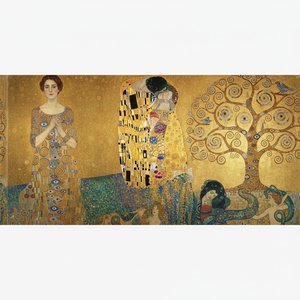
გუსტავ კლიმტის 25 შედევრი: ხელოვნების ისტორია თქვენს სახლში | OriginalUniqueArt
გუსტავ კლიმტის 25 შედევრი – ოქროს ფაზა, სეკეციონი და სიმბოლიზმის უნიკალური სამყარო. გაიგეთ ნახატების ისტორია და შეიძინეთ ხელოვნების რესპროდუქციები OriginalUniqueArt-ზე. სახლის დეკორი თქვენს გემოვნებით!
არტ ნუヴォუს 10 შედევრი: ხელოვნებისა და დეკორის საგანძვალი
აღმოფრთოვანდით არტ ნუვოს 10 შედევრით! ალფონს მუხა, კლიმტი და სხვა გენიოსების გამორჩეული ნახატები. შეიგრძენით ამ მოძრაობის máгия და იხილეთ როგორ განათავსებენ ხელოვნებას თქვენს სახლში. იხილეთ ყველა შედევრი OriginalUniqueArt.com-ზე!
Gustav Klimt: A Golden Legacy of Sensuality & Symbolism in Viennese Art
Explore the captivating world of Gustav Klimt with OriginalUniqueArt. Discover his iconic paintings, the Vienna Secession movement, & enduring legacy. High-quality reproductions available.
სიმბოლიზმის 10 შედევრი: ხელოვნებისა და დეკორის სამყარო
აღმოფრთოვანდით სიმბოლიზმის 10 უმშვენიერეს შედევრს! განიხილეთ გამოჩენილი მხატვრების ტილოები, მათი ისტორია და მნიშვნელობა. OriginalUniqueArt-ზე შეიძინეთ მაღალი ხარისბის ხელოვნების რეპროდუქციები და შექმნით თქვენი ოცნების ინტერიერი. იხილეთ სრული კოლექცია ონლაინ!


