
 ნახვა ინტერьерში
 გაგზავნა
 გაზიარება
 დეტალები
 გზამკვლევი

 ჩამოტვირთვა
 მსგავსები
 რენტგენოგრაფიული კვლევა
 სლაიდშოუ
 Q&A
Q&A სტატისტიკა
Camera obscura

- 22.0 x 38.0 cm


 სრული ტექსტის ნახვა
გიკლე / ხელოვნების პრინტი
მუზეუმის დონის ჟიკლე ან ტილოზე ბეჭდვა სწრაფი წარმოებისა და დასრულების მოქნილი ვარიანტებით. ( შეიძინეთ ხელით შესრულებული ნახატი გადასვლა ციფრულ გამოსახულებაზე)




P118B ₾10

P118H ₾10

P118W ₾10

P438Z ₾10

P508JH ₾12

P508YH ₾12

P805H ₾10

P805Z ₾10

P919BZ ₾10

P919G ₾10

P919XJ ₾10

P959ZH ₾10

P968JZ ₾12

W106C ₾8

W218G ₾10

W218JH ₾8

W218Y ₾10

W307PJ ₾10

W316G ₾10

W316PJ ₾8

W316Y ₾10

W398PJ ₾8

W4111J ₾10

W500HY ₾15

W500JH ₾15

W692G ₾12

W849H ₾8

W940BG ₾15

W953PJ ₾8




აირჩიეთ ჩვენს მიერ წინასწარ განსაზღვრული ზომებიდან, რომლებიც ნაწარმოების ორიგინალურ პროპორციებს შეესაბამება.

შეიყვანეთ თქვენთვის საჭირო სიგანე და სიმაღლე, რათა იგი მოერგოს თქვენს ჩარჩოს ან კედელს. ბეჭდვისას შესაძლებელია მხოლოდ მისი შემცირება და არა გაზრდა, ამიტომ სხვა ფორმის ზომის შემთხვევაში გამოსახულება ნაწილობრივ იკარგება. სანამ რაიმეს დაბეჭდავთ, ჩვენ გამოგიგზავნით ციფრულ მაკეტს დასდასტურებლად. ამ გვერდზე ნაჩვენები სურათი არ ასახავს რეალურ ჭრას — ამას მხოლოდ მაკეტი გვიჩვენებს.
მიწოდება მთელ მსოფლიოში () 2 კვირაში, სტანდარტული 4/5 კვირის ნაცვლად. (2 ნოემბერი)

უფასო ექსპრეს მიწოდება მთელ მსოფლიოში

მაღალი ხარისხის ტილო

ტრანსპორტირების სრული დაზღვევა

საბაჟო გადასახადების დაბრუნების გარანტია

ფერების სრული შესაბამისობის გარანტია

დაბრუნების 100-დღიანი პერიოდი (მხოლოდ წარმოების დეფექტის შემთხვევაში)

100% თანხის სრული დაბრუნების გარანტია

ფასდაკლება დიდი რაოდენობით შეკვეთისას
 მინის ჩარჩოს არჩევანი ხელმისაწვდომია მხოლოდ 110 სმ-მდე ზომისთვის

Camera obscura
გიკლე / ხელოვნების პრინტი
რეპროდუქციის ზომა
-


ჯამური ღირებულება
₾ 208
Canaletto’s Camera Obscura: A Window Into Venetian Vision
The artist Giovanni Antonio Canaletto, commonly known as Canaletto (1697 – 1768), stands as one of the most celebrated figures in eighteenth-century Venetian painting. His meticulous depictions of Venice—the canals shimmering under sunlight, the palaces adorned with opulent decoration—captivate viewers even today. But beyond their aesthetic beauty lies a fascinating secret: Canaletto’s unparalleled accuracy stems from a technique that predates photography – the camera obscura. This ingenious device, essentially a darkened room equipped with a pinhole aperture and a mirror, allowed him to capture the essence of his surroundings with remarkable precision, shaping not only his artistic output but also influencing the broader understanding of perspective and visual representation.- The Device Itself: Canaletto’s camera obscura wasn't merely a tool; it was a conceptual breakthrough. Constructed from wood and glass, it functioned by projecting an inverted image of the outside world onto a surface within—typically tracing paper or canvas—positioned opposite to the pinhole. This method ensured that the artist could faithfully reproduce architectural details and atmospheric effects without resorting to laborious sketching techniques.
- A Reflection of Scientific Curiosity: Canaletto’s embrace of the camera obscura reflects the burgeoning scientific interest in optics during his lifetime. Astronomers and mathematicians alike were experimenting with similar instruments, attempting to unravel the mysteries of light and vision. Canaletto's use of this technique wasn't simply artistic expediency; it represented a conscious engagement with contemporary intellectual debates about how we perceive reality.
- Venetian Landscape Painting: The camera obscura profoundly impacted Canaletto’s style. By allowing him to observe the scene from multiple viewpoints simultaneously, he achieved a level of realism previously unattainable. His paintings—particularly those capturing the grandeur of St Mark's Square and the Doge’s Palace—are characterized by subtle gradations of color, masterful shading, and an astonishingly accurate depiction of architectural proportions.
- Symbolism Beyond Technique: Canaletto’s camera obscura technique wasn’t just about achieving visual accuracy; it also conveyed a deeper symbolic message. The darkened room represented introspection and contemplation—a deliberate distancing from the immediate sensory experience to gain access to a more profound understanding of the world around him. This approach mirrored the philosophical currents of the Enlightenment, emphasizing reason and observation as pathways to knowledge.
- Legacy in Photography: Canaletto’s pioneering use of the camera obscura foreshadowed the invention of photography centuries later. By demonstrating that it was possible to capture an image without direct contact with the subject matter—a feat previously considered impossible—he fundamentally altered our conception of artistic representation and paved the way for a new era of visual art.
Notable Works Featuring Camera Obscura Technique
Canaletto’s mastery of perspective is evident in several iconic paintings, including “The Stonemason’s Yard” (c. 1725), where he meticulously rendered the textures and colors of the building materials with astonishing detail. Similarly, his depiction of St Mark's Square—particularly the Doge’s Palace—captures the shimmering light reflecting off the facades and windows, achieved through careful observation and skillful blending of pigments. These paintings stand as testament to Canaletto’s unwavering commitment to capturing the beauty and complexity of Venice with unparalleled accuracy – a feat made possible by his ingenious use of the camera obscura.Exploring Canaletto's Influence on Later Artists
Canaletto’s innovative approach to landscape painting resonated deeply with artists who followed him, notably Francesco Guardi and Michele Marieschi. These painters adopted similar techniques—primarily employing atmospheric perspective and meticulous detail—to convey the grandeur of Venetian vistas. Canaletto’s legacy extends beyond his own artistic achievements; he established a precedent for realistic representation that continues to inspire artists today, demonstrating that observation and careful technique can unlock profound insights into capturing the essence of visual experience.Reproductions & Inspiration
High-quality reproductions of Canaletto's paintings offer an exceptional opportunity to appreciate his artistic genius and immerse oneself in the atmosphere of eighteenth-century Venice. Consider framing a print alongside a photograph taken from one of Canaletto’s original viewpoints—a powerful gesture that honors both the artist’s pioneering technique and the enduring beauty of Venetian landscapes. Let Canaletto's Camera Obscura serve as a reminder that true artistic vision requires not only skill but also an unwavering dedication to observing and interpreting the world around us.კითხვები და პასუხები
რამდენად მკვეთრია ფერები ნამუშევარში კანალეტო-ის „Camera obscura“?
კანალეტო-ის „Camera obscura“-ში შეფარებული ფერების ინტენსივობა არის Monochromatic.
რა არის კანალეტო-ის „Camera obscura“-ის დომინანტური ფერი?
კანალეტო-ის „Camera obscura“-ში დომინირებს Amber to Saffron ტონალობა.
რა წელს და რომელ სტილის ფარგლებში შეიქმნა "Camera obscura"?
კანალეტო-ის „Camera obscura“ დათარიღებულია 1700 წლით და მიეკუთვნება Impressionism-ს.
მხატვრის ბიოგრაფია
ადრეული ცხოვრება და განათლება
ჯოვანი ანტონიო კანალი, უფრო მეცნობილი როგორც კანალეტო, დაიბადა 1797 წლის 18 ოქტომბერს ვენეციაში. იგი იყო ბერნარდო კანალის ვაჟი, თეატრალური სცენების მხატვარი, და არტემიზია ბარბიერის შვილი. კანალეტოს ადრეული სამხატვრო მომზადება მამამისმა დაიწყო, რომელმაც მას ხელოვნების საფუძველი ასწავლა. ვენეციაში გაზრდილმა კანალეტომ ადრევე გამოავლინა განსაკუთრებული ნიჭი ხატვის მიმართ და სწორედ ამიტომ გადაწყვიტა პროფესიონალურ მხატვარდ გახდომა.
რომის პერიოდი და ჩამოყალიბება
1718 წელს კანალეტო გაემგზავრა რომში, სადაც მუშაობდა ორი ოპერისთვის ალესანდრო სკარლატის მიერ შექმნილი დეკორაციების წარმოებაში. ამ გამოცდილებამ მნიშვნელოვანი გავლენა მოახდინა მის განვითარებაზე მხატვრად. რომში ყოფნის დროს მან გაიარა მნიშვნელოვანი სწავლება და ჩამოაყალიბა საკუთარი სტილი. დაბრუნებულს ვენეციაში, კანალეტომ დაიწყო ხატვა თავისი გამორჩეული ტოპოგრაფიული სტილის მიხედვით, რომელიც საბოლოოდ გახადა ცნობილი.
მნიშვნელოვანი ნამუშევრები და თანამშრომლობა
კანალეტოს ყველაზე მნიშვნელოვან ნამუშევრებს შორის არის: ქვის მუშების ეზო (დაახლოებით 1725 წელი), რომელიც გამოარჩევს მის ადრეულ უნარს. ასევე, განსაკუთრებული ყურადღება ღირს რეგატა გრანდ-კანალზე, ვენეციური საზოგადოებრივი ცერემონიების მკვეთრი აღწერა და იტონის კოლეჯი (1746-1756 წლები), რომელიც მისი გავლენის მტკიცებულებაა ინგლისში. კანალეტოს მნიშვნელოვანი თანამშრომლობა ჰქონდა მის ძმისწულთან, ბელოტოსთან, რომელმაც თავად გახდა გამოჩენილი მხატვარი.
ხუროთმოძღვრული სტილი და ტექნიკა
კანალეტოს მიერ გამოყენებული ზუსტი პერსპექტივა და დეტალური მომზადებითი ნახატები, ზოგიერთ ექსპერტს აჯერებს, რომ მან შესაძლოა გამოიყენა კამერა-ობსკურა ტოპოგრაფიული სიზუსტის მისაღწევად. თუმცა, მისი მთავარი ყურადღება კომპოზიციურ დიზაინზე რჩებოდა, რაც უზრუნველყოფდა, რომ მისი ნამუშევრები მხოლოდ ზუსტი ჩანაწერები არ ყოფილიყო, არამედ ვიზუალურად განსაცვიფრებელიც.
მემკვიდრეობა და კოლექციები
კანალეტოს ნამუშევრებს მრავალ სხვადასხვა მუზეუმში შეადგენს, მათ შორის ლონდონის ეროვნულ გალერეაში, რომელიც წარმოაჩენს მის გავლენას XVIII საუკუნის ხელოვნებაზე. მისი მემკვიდრეობა ვრცელდება მრავალ მხატვარზე, რომელსაც მან შთააგონა, რაც განამტკიცებს მის ადგილს ვენეციური პეიზაჟების ოსტატად.
- შეიხედეთ კანალეტოს ნამუშევრებს https://OriginalUniqueArt.com/@/giovanni-antonio-canal
- გაიგეთ მეტი კანალეტოს შესახებ ვიკიპედიაში
- აღმოაჩინეთ ვენეციური ხელოვნების სილამაზე პალუმბო-ფოსატი კოლექციაში (ვენეცია, იტალია)
გახსოვდეთ ხელოვნების სამყაროში შესასვლელად https://OriginalUniqueArt.com
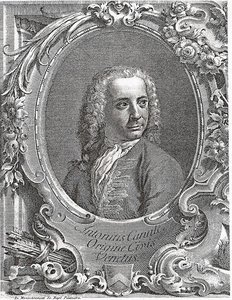
კანალეტო
1697 - 1768 , იტალია
მოკლე ფაქტები
- Artistic Movement Or Style: ვენეციური ვედუტა
- Artists Or Movements Influenced By This Artist: ['ტინტორიტო']
- Artists Who Influenced This Artist: ['ჯოვანი პაოლო პანინი']
- Date Of Birth: 18 ოქტომბერი 1697
- Date Of Death: 19 აპრილი 1768
- Full Name: ჯოვანი ანტონიო კანალეტო
- Nationality: იტალიელი
- Notable Artworks (List Of Titles):
- ქვის მუშების ეზო
- რეგატა გრანდ-კანალზე
- ეტონის კოლეჯი
- Place Of Birth (City And Country): ვენეცია, იტალია
მსგავსი სტატიები

Giovanni Antonio Canal (Canaletto): A Venetian Master of Light, Space & Societal Observation
Explore the life & art of Giovanni Antonio Canal (Canaletto), a Venetian master renowned for his breathtaking cityscapes. Discover his techniques, legacy, and captivating depictions of 18th-century Venice & London.

The Enduring Power of Painting: A Historical & Contemporary Exploration of Form and Emotion
Explore the rich history & enduring techniques of oil painting with OriginalUniqueArt. Discover masterpieces, learn about art collecting, and find authentic handmade reproductions crafted by skilled artists.

The Enduring Legacy of Oil on Canvas: Technique, History & Aesthetic Impact
Explore the rich history & techniques of oil painting – from Renaissance masters to Impressionism. Discover pigments, layering methods, and why this timeless medium endures. Expert insights for artists & art enthusiasts.

ბაროკოს დრამა: ოპულენტურობის და ემოციების შემოტანა თანამედროვე ინტერიერებში
აღმოაჩინეთ ბაროკოს ხელოვნების ოპულენტურობა OriginalUniqueArt-ში! რეკონსტრუქციები, პორტრეტები და ინდივიდუალური შეკვეთები. პროფესიონალური კონსულტაცია თქვენი სახლისთვის.

The Dramatic Flourish: Exploring the Baroque Movement's Enduring Legacy in Art History
Explore the dramatic world of Baroque art! Discover iconic artists like Caravaggio & Rubens, defining techniques, and its lasting impact on art history. Expert insights for collectors & enthusiasts at OriginalUniqueArt.


