Northern Renaissance · 1598
Forest Landscape (გილის ვან კონინსლო, 1598)
გილის ვან კონინსლო (1544–1607)-მა შექმნა Forest Landscape. ის შექმნილ არის 1598 წელს. ის Northern Renaissance მიძღვნილ სტილს მიეკუთვნება. შესრულებულია Oil On Panel-ით. ნახატი დაცულია Liechtenstein Museum-ში, Vienna, Austria-ში. ზომა არის 42 × 61 cm.
- 1598
- Oil On Panel
- 42 × 61 cm
- Liechtenstein Museum, Vienna

 წინასწარი ნახვა

 ხელით ნაკletი ზეთწერილი
 გაგზავნა
 გაზიარება
 სპეცფიკაცია


 ჩამოტვირთვა
 მსგავსები
 რენტგენოგრაფიული კვლევა
 სლაიდშოუ
 კითხვა-პასუხი

 სტატისტიკა
Forest Landscape, მოკლედ
- სათაური
- Forest Landscape
- ავტორი
- გილის ვან კონინსლო (1544–1607)
- ხატვის წელი და ადგილი
- ანტვერპენი, ბელგია
- თარიღი
- 1598
- ტექნიკა
- Oil On Panel
- ზომები
- 42 × 61 cm
- სად ნახვა შეგიძლიათ
- Liechtenstein Museum, Vienna, Austria
- მოძრაობა
- Northern Renaissance
- ეპოქა
- Early Modern
- სუბიექტი
- forest landscape, dark woods, path, village view, atmospheric, tranquility
რა არის გამოსახული Forest Landscape-ში?
Identification of the Forest Landscape Artwork
The artwork titled Forest Landscape is a painting by the Flemish artist Gillis Van Coninxloo. Executed in 1598, this work is an oil on panel. The physical dimensions of the piece are 42 x 61 cm. It is currently held within the Liechtenstein Museum in Vienna, Austria.
This specific composition depicts a dense woodland environment. The scene features a winding path that leads into a thicket of trees. The foliage consists of various shades of green, while the trunks and branches create a heavy canopy overhead. In the background, a small village is visible through the gaps in the trees, providing a sense of distance within the forest setting.
The subject matter focuses on the natural world, specifically the textures of bark, leaves, and moss. A single, small human figure is positioned beneath a tree within the landscape. The composition utilizes a dark palette of browns, greens, and ochres to define the wooded area. Light filters through the upper branches, creating a contrast between the shadowed recesses of the undergrowth and the illuminated patches of the clearing.
Composition and Visual Elements
The composition is largely symmetrical, organized around a winding path that leads the eye toward the center of the image. This path cuts through a dense woodland, where the trunks and branches of trees intertwine to form a thick canopy overhead. Only a few small patches of sky are visible through the gaps in the foliage. Within this enclosed space, a single tiny human figure reclines beneath a tree, positioned near the center of the scene. The scale of the trees and the surrounding undergrowth dwarfs the figure, emphasizing the vastness of the natural environment.
Color is concentrated in the various hues of green found in the leaves and the mossy textures of the forest floor. These greens contrast with the dark browns and ochres of the tree trunks and the earth. In the background, a small village is visible through the trees, providing a sense of distance and depth. The lighting creates a chiaroscuro effect, with strong contrasts between the deep shadows of the thickets and the light that filters through the canopy onto the path and the reclining figure.
Technique and Artistic Style
The artist utilized oil on panel to establish a sense of depth and a tangible texture across the surface. The application of paint likely involves multiple layers and glazing, a method used to achieve a specific luminosity within the darker sections of the composition. This technique allows light to appear as though it is filtering through the canopy, creating a chiaroscuro effect through the deliberate placement of light and shadow. The resulting atmosphere is defined by a palette of dark colors and a high degree of intricate detail.
The composition is built upon a dense arrangement of ancient oaks and thick undergrowth. There is a clear priority placed on the textural richness of the natural elements, specifically the bark of the trees, the individual leaves, and the presence of moss. These organic forms are rendered with meticulous care, contributing to the overall density of the woodland scene. The interplay of light and shadow defines the verticality of the trunks and the irregular shapes of the foliage, emphasizing the physical presence of the forest environment.
Artistic Influence and Legacy
Gillis Van Coninxloo occupied a central position in the evolution of Northern landscape art. His technical approach functioned as a bridge between the intricate traditions of Mannerism and the atmospheric depth characteristic of the early Baroque. Through his development of the forest landscape, he moved away from panoramic vistas toward intimate, enclosed woodland scenes. This shift prioritized the textural details of bark, leaves, and moss, often submerging small human figures within an expansive, detailed natural environment.
The influence of his method extended to several prominent painters of the period. Jan Brueghel the Elder and Pieter Schoubroeck were among those affected by his stylistic developments. His approach to dense, immersive woodland compositions also impacted the work of Roeland Savery and various other Flemish and Dutch landscape painters. This specific work, created about 1598, represents his technical skill and craftsmanship in rendering the natural world.
რომელ მუზეუმში ინახება Forest Landscape?
Liechtenstein Museum
Vienna, Austria
ვენის ბაროკოს დიდების ძვირფასი სამንათე ვენის ისტორიული ringstraße-ს გულში მოთავსებული ლიხტენშტაინის მუზეუმი ისეთ გარემოში დგას, რომელიც თავად არის შედევრი იმ საგანძ fièvreების მსგავსად, რომელთაც იგი იცავს. დიდოვან Palais Liechtenstein-ში განთავსებული მუზეუმი გვთავაზობს იმერსიულ მოგზაურობას არისტოკრატული ელეგანტურობის სულსა და ლიხსტენშტაინის სამგვაროს ღრმა მემკვიდრეობაში. როდესაც სტუმრები სასახლის სტრუქტურას უახლოვდებიან, მათ წარსული ეპოქის არქიტექტურული დიდება迎 greets, სადაც ყოველი ოქროწარტმობილი კარნიზი და ვრცელი კიბე იმპერიული პრესტიჟის ამბებს ჩურჩულებს.


Forest Landscape-ის მაღალი გარ Auflხ resolución-ის გამოსახულებები

საჯარო საკუთრება: მხატვარი გარდაიცვალა 1607 წელს.
სხვა ზომები, კადრისრები და ციტირება →გილის ვან კონინსლო, Forest Landscape (1598), Liechtenstein Museum. საჯარო საკუთრება
კითხვები Forest Landscape-ზე, პასუხები
სად არის დღეს გამოფენილი გილის ვან კონინსლო-ის „Forest Landscape“?
გილის ვან კონინსლო-ის „Forest Landscape“ წარმოდგენილია Liechtenstein Museum, Vienna, Austria-ში. მუზეუმის აღწერილობა ეხება ორიგინალ ნამუშევარს და არა რეპროდუქციებს.
რა თარიღში შეიქმნა გილის ვან კონინსლო-ის „Forest Landscape“?
გილის ვან კონინსლო-ის „Forest Landscape“ შეიქმნა 1598 წელს.
რა ტექნიკა გამოიყენეს გილის ვან კონინსლო-ის „Forest Landscape“-ის შესაქმნელად?
გილის ვან კონინსლო-მა „Forest Landscape“-ის შესაქმნელად Oil On Panel ტექნიკა გამოიყენა. აღნიშნული ტექნიკა განსაზღვრავს ორიგინალი ნამუშევრის მატერიალურ ბუნებას.
რა ზომისაა გილის ვან კონინსლო-ის „Forest Landscape“ რეალურ ცხოვრებაში?
ორიგინალის ზომა „Forest Landscape“-ისთვის არის 42 x 61 cm. ორიგინალის ზომები სასარგებლო ინფორმაციაა რეპროდუქციის ზომის შერჩევისას.
რას ეხება "Forest Landscape"?
სურათის "Forest Landscape" თემებს წარმოადგენს forest landscape, dark woods, path, village view, atmospheric, tranquility, nature scene, 16th century.
არის თუ არა "Forest Landscape" საავტორო უფლებებისგან თავისუფალი?
რაც შეეხება საავტორო უფლებებს, „Forest Landscape“ არის საჯარო საკუთრებაშია — საავტორო უფლებები ამოწდა.
ვინ შექმნა "Forest Landscape"?
"Forest Landscape" შექმნილია გილის ვან კონინსლო-ის მიერ. ამ გვერდზე მოცემული ინფორმაცია აღწერს გილის ვან კონინსლო-ის ორიგინალურ ნამუშევარს.
რომელ სტილს მიეკუთვნება "Forest Landscape"?
"Forest Landscape" არის Northern Renaissance სტილის ნამუშევარი. აღნიშნული მიმდინარეობა ასახავს იმ მხატვრულ ტრადიციას, რომლის ნაწილიცაა ეს ნამუშევარი.
გილის ვან კონინსლო-ის შემოქმედებითი განვითარების რომელ ეტაპს წარმოადგენს „Forest Landscape“?
გილის ვან კონინსლო-ის შემოქმედების პერიოდში „Forest Landscape“ Late 16th Century-ს მიეკუთვნება. ეს ფაზა საშუალებას გვაძლევს, იგი ხელოვანის სხვა ნამუშევრებს შევადაროთ.
About the artist, გილის ვან კონინსლო
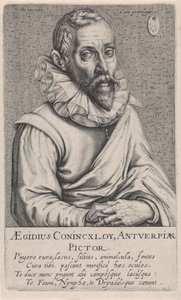
1544–1607, ბელგია
გილის ვან კონინსლო
A Master of the Verdant Realm Gillis van Coninxloo stands as a pivotal figure in the evolution of Northern landscape art, serving as a vital bridge between the intricate Mannerist traditions and the burgeoning atmospheric depth of the early Baroque. Born in Antwerp, Belgium, his life was deeply intertwined with the rich artistic lineage of the Low Countries. The son of a painter, he was immersed in a world where craftsmanship and natural observation were paramount. His early training under masters such as Pieter Coecke van Aelst the Younger and Lenaert Kroes provided him with a rigorous foundation, but it was his time working in the workshop of Gillis Mostaert that truly allowed his talent to flourish, permitting him to contribute to professional works while honing his unique vision.
გილის ვან კონინსლო-ის შესახებ გილის ვან კონინსლო-ის გამორჩეული ნამუშევრები
ასევე გილის ვან კონინსლო-ის მიერ
 Woodland with Saint Jerome1583
 Jonah Preaching to the Ninevites1583
 Landscape with the judgment of Midas1598
 Landscape with the Judgement of Paris1610
ესეები Forest Landscape-ის შესახებ
 French Barbizon paintersMasterpieces by Théodore Rousseau and Daubigny define the Barbizon School. Explore the full collection online at OriginalUniqueArt.com.
 Enchanted Woodlands: 10 Masterpieces That Capture the Magic of the ForestExplore iconic forest art by Shishkin, Klimt, and Van Gogh. Discover museum-quality masterpieces on OriginalUniqueArt.com.
 Mastering the Horizon: An Art Historian’s Guide to the World's Most Iconic Landscape PaintingsExplore the profound history of landscape painting with our expert guide. From Impressionist light to Chinese traditions, discover the tech…