Dutch Golden Age · 1632
Heraklith (გერიტ დუ, 1632)
გერიტ დუ (1613–1675)-მა შექმნა Heraklith. ის შექმნილ არის 1632 წელს. ის Dutch Golden Age მიძღვნილ სტილს მიეკუთვნება. შესრულებულია Oil On Canvas-ით. ნახატი დაცულია ერმიტაჟის მუზეუმი-ში, სან-პეტერბურგი, რუსეთი-ში. ზომა არის 61 × 51 cm.
- 1632
- Oil On Canvas
- 61 × 51 cm
- ერმიტაჟის მუზეუმი, სან-პეტერბურგი

 წინასწარი ნახვა

 ხელით შესრულებული ზეთប្រეწერი
 გაგზავნა
 გაზიარება
 სპეცფიკაცია


 ჩამოტვირთვა
 მსგავსები
 რენტგენოგრაფიული კვლევა
 სლაიდშოუ
 კითხვა-პასუხი

 სტატისტიკა
Heraklith, მოკლედ
- სათაური
- Heraklith
- ავტორი
- გერიტ დუ (1613–1675)
- ხატვის წელი და ადგილი
- ლეიდენი, ნიდერლანდები
- თარიღი
- 1632
- ტექნიკა
- Oil On Canvas
- ზომები
- 61 × 51 cm
- სად ნახვა შეგიძლიათ
- ერმიტაჟის მუზეუმი, სან-პეტერბურგი, რუსეთი
- მოძრაობა
- Dutch Golden Age
- ეპოქა
- Early Modern
- სუბიექტი
- portrait, scholar, globe, knowledge, wisdom, age
რა არის გამოსახული Heraklith-ში?
Heraklith: A Portrait of Scholarly Reflection
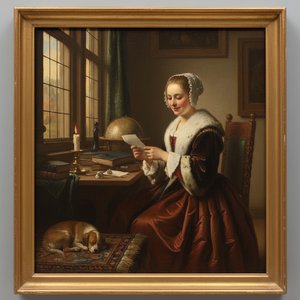
“Heraklith,” painted in 1632 by Gerrit Dou, stands as a testament to the Dutch Golden Age’s fascination with realism and psychological depth. More than just a depiction of an elderly man—likely a scholar or astronomer—it's a carefully constructed tableau designed to convey wisdom, contemplation, and the profound influence of knowledge.
- Subject Matter: The artwork portrays a dignified gentleman seated at a table before him, illuminated by candlelight. His gaze is downward, focused on a globe – a potent symbol representing exploration, scientific inquiry, and an awareness of the vastness of the universe.
- Style & Technique: Dou’s signature ‘fijnschilder’ style—characterized by meticulous detail and masterful chiaroscuro—is evident throughout. The artist employs subtle shading to sculpt the man's face and torso, creating a palpable sense of volume and texture. This technique elevates the portrait beyond mere representation, imbuing it with emotional resonance.
- Composition & Perspective: The oval frame lends an air of formality to the scene, while the shallow perspective draws the viewer’s eye directly to the central figure. Lines delineate facial features and clothing folds, guiding the gaze and reinforcing the composition's balance.
- Color Palette: Dominated by muted browns, creams, and dark reds, the color palette contributes to an atmosphere of solemn dignity. The subdued hues underscore the subject’s intellectual pursuits and evoke a feeling of quiet contemplation.
Exploring Dou’s Mastery of Light & Shadow
Gerrit Dou's unparalleled skill in chiaroscuro—the dramatic interplay between light and shadow—is arguably his most distinctive achievement. As seen prominently in “Heraklith,” this technique isn’t merely decorative; it serves to heighten the emotional impact of the portrait. The candlelight casts a soft glow upon the man’s face, highlighting wrinkles and emphasizing the contours of his features – details that reveal not only physical appearance but also the passage of time and experience.
- Symbolism: Beyond its aesthetic qualities, “Heraklith” carries significant symbolic weight. The globe represents intellectual curiosity and a desire to understand the world around us. It speaks to Dou’s belief in the transformative power of knowledge and invites viewers to consider the profound implications of scientific discovery.
- Historical Context: Painted during the Dutch Golden Age, “Heraklith” reflects the era's burgeoning interest in humanist ideals and its celebration of intellectual achievement. Dou’s work aligns with a broader artistic movement that sought to capture human psychology and emotion with unprecedented accuracy.
A Legacy of Detail & Emotion
"Heraklith" exemplifies Gerrit Dou’s dedication to capturing the essence of his subjects—both physically and psychologically. The artist's meticulous brushwork ensures that every nuance is rendered faithfully, creating a portrait that transcends mere likeness. It’s a piece that invites viewers to pause and contemplate the complexities of human experience, reminding us of the enduring beauty found in quiet reflection and intellectual pursuit.
- Collecting & Inspiration: Reproductions of “Heraklith” offer an opportunity to appreciate Dou's artistic genius and bring a touch of Dutch Golden Age elegance into any interior space. Explore similar artworks at WikiArt.org for further inspiration!
რომელ მუზეუმში ინახება Heraklith?
ერმიტაჟის მუზეუმი
სან-პეტერბურგი, რუსეთი
Origins and History of the Hermitage Museum The Hermitage Museum began in 1764. Its foundation traces back to the acquisition of a collection of 225 paintings from the Berlin merchant Johann Ernst Gotzkowsky. Catherine the Great initiated this collection, establishing the museum's presence in Saint Petersburg, Russia.


Heraklith-ის მაღალი გარ Auflხ resolución-ის გამოსახულებები

საჯარო საკუთრება: მხატვარი გარდაიცვალა 1675 წელს.
სხვა ზომები, კადრისრები და ციტირება →გერიტ დუ, Heraklith (1632), ერმიტაჟის მუზეუმი. საჯარო საკუთრება
კითხვები Heraklith-ზე, პასუხები
რომელი მუზეუმი ინახავს ორიგინალ "Heraklith"-ს?
ორიგინალი გერიტ დუ-ის „Heraklith“ ერმიტაჟის მუზეუმი, სან-პეტერბურგი, რუსეთი-ში ინახება. რესპროდუქცია კი საშუალებას გაძლევთ, ეს ნამუშევარი თქვენს სახლში გამოფენოთ.
რა მასალისგან არის შესრულებული გერიტ დუ-ის „Heraklith“?
რა არის ორიგინალი გერიტ დუ-ის „Heraklith“-ის ზომები?
რა არის გამოსახული გერიტ დუ-ის „Heraklith“-ში?
სურათის "Heraklith" თემებს წარმოადგენს portrait, scholar, globe, knowledge, wisdom, age, reflection, chiaroscuro.
შეიძლება თუ არა გერიტ დუ-ის „Heraklith“-ის გამოსახულების თავისუფლად რეპროდუცირება?
რომელ მხატვრულ მიმდევრობას წარმოადგენს გერიტ დუ-ის „Heraklith“?
"Heraklith" არის Dutch Golden Age სტილის ნამუშევარი. აღნიშნული მიმდინარეობა ასახავს იმ მხატვრულ ტრადიციას, რომლის ნაწილიცაა ეს ნამუშევარი.
ხელပاتარში: გერიტ დუ

1613–1675, ნიდერლანდები
გერიტ დუ
ერთგვარად ნაყოფიერი მხატვრის ბიოგრაფია გერიტ (ჟერარ) დუ, ჰოლანდიური ოქროს ხანის ფერწერის ერთ-ერთი ყველაზე გამორჩეული ფიგურა, დაიბადა 1613 წლის 7 აპრილს ნიდერლანდებში, ლეიდენში. მან დატოვა სამუდამო მემკვიდრეობა, რომელიც შედგება უაღრესად დახვეწილი ტილოებისგან, რაც დღემდე აღფრთოვანებას იწვევს ხელოვნების მოყვარულთა მსოფლიო მასშტაბით. 1675 წლის 9 თებერვალს გარდაცვალებისას, მან შეძლო ისეთი შედევის, რომლის გავლენა ხელოვნების ისტორიაში დღემდე იგრძნობა. მხატვრული სტილი და სპეციალიზაცია გერიტ დუს შემოქმედებითი სტილი გამოირჩევა უმცირესი დეტალების და დახვეწილი ტექნიკის მიდგომით, რაც ხშირად ვლინდება ჟანრულ სცენებსა და trompe l'oeil (თვალისდამატყუებელი) „ნიშური“ ტილოებში.
ასევე გერიტ დუ-ის მიერ
 A Fisherman's Wife1653
 Self-Portrait1640
 An Evening School1655
 Portrait of an old woman reading1635

ესეები Heraklith-ის შესახებ
 Master of Shadows: The Top 25 Iconic Artworks by Gustave DoréExplore Gustave Doré's legendary engravings and dark Romanticism. Discover all masterpieces on OriginalUniqueArt.com.
 Master of Emotion: The 25 Greatest Artworks by Rogier van der WeydenImmerse yourself in the profound emotion of Rogier van der Weyden. Explore 25 iconic Early Netherlandish masterpieces, from intricate textu…
 Gerrit Dou: Intimacy & Light in the Dutch Golden AgeExplore the exquisite world of Gerrit Dou, a master of Dutch Golden Age painting. Discover his intimate genre scenes, signature use of ligh…