

 ნახვა ინტერьерში
 გაგზავნა
 გაზიარება
 დეტალები
 გზამკვლევი

 ჩამოტვირთვა
 მსგავსები
 რენტგენოგრაფიული კვლევა
 სლაიდშოუ
 სტატისტიკა
Landscape
 Oil On Canvas
- WallArt
- British Landscape Painting
 96.0 x 146.0 cm
 The Hepworth Wakefield
 სრული ტექსტის ნახვა
ხელით შესრულებული ზეთის საღებავით რეპროდუქცია
ტილოზე შესრულებული ფერწერიანი ზეთប្រდათი, თქვენთვის სასურველი ზომისა და ჩარჩოსთვის, ჩვენი ხელოვანების მიერ შეკვეთის საფუძველზე დამზადებული. ( გადართვა ბეჭდვის რეჟიმზე გადასვლა ციფრულ გამოსახულებაზე)




P118B ₾10

P118H ₾10

P118W ₾10

P438Z ₾10

P508JH ₾12

P508YH ₾12

P805H ₾10

P805Z ₾10

P919BZ ₾10

P919G ₾10

P919XJ ₾10

P959ZH ₾10

P968JZ ₾12

W106C ₾8

W218G ₾10

W218JH ₾8

W218Y ₾10

W307PJ ₾10

W316G ₾10

W316PJ ₾8

W316Y ₾10

W398PJ ₾8

W4111J ₾10

W500HY ₾15

W500JH ₾15

W692G ₾12

W849H ₾8

W940BG ₾15

W953PJ ₾8




აირჩიეთ ჩვენს მიერ წინასწარ განსაზღვრული ზომებიდან, რომლებიც ნაწარმოების ორიგინალურ პროპორციებს შეესაბამება.

შეიყვანეთ თქვენთვის საჭირო სიგანე და სიმაღლე, რათა ნახატი მოერგოს თქვენს ჩარჩოს ან კედელს. ვინაიდან ეს ნამუშევარი ხელით არის შესრულებული, სხვა ფორმის ზომის შემთხვევაში, მხატვარმა შესაძლოა სურათის გარშემო ოდნავ მეტი დატოვოს ან შეამციროს — არჩევანი თქვენზეა. დაწყებამდე, დასამტკიცებლად, ჩვენ გამოგიგზავნით ციფრულ მაკეტს. ამ გვერდზე ნაჩვენები სურათი არ ასახავს რეალურ შედეგს — რეალური სახე მხოლოდ მაკეტზე ჩანს.
შეკვეთის შემდეგ, OriginalUniqueArt.com გუნდი დაგიკავშირდებათ ელექტრონული ფოსტით ინსტრუქციებისთვის და გამოგიგზავნით წინასწარ ნახაზს (mockup).
მიწოდება მსოფლიო მასშტაბით -ში 3/4 კვირაში, სტანდარტული 5 კვირის ნაცვლად. (23 ოქტომბერი). ხარისხზე კომპრომისის გაკეთება არ მოხდება.

უფასო ექსპრეს მიწოდება მთელ მსოფლიოში

მაღალი ხარისხის ტილო

ტრანსპორტირების სრული დაზღვევა

საბაჟო გადასახადების დაბრუნების გარანტია

ფერების სრული შესაბამისობის გარანტია

დაბრუნების 100-დღიანი პერიოდი (მხოლოდ წარმოების დეფექტის შემთხვევაში)

100% თანხის სრული დაბრუნების გარანტია

ფასდაკლება დიდი რაოდენობით შეკვეთისას
 მინის ჩარჩოს არჩევანი ხელმისაწვდომია მხოლოდ 110 სმ-მდე ზომისთვის

Landscape
რეპროდუქციის ტექნიკა
რეპროდუქციის ზომა
-


ჯამური ღირებულება
₾ 784
A Window on the English Countryside: Frederick Waters Watts’ “Landscape”
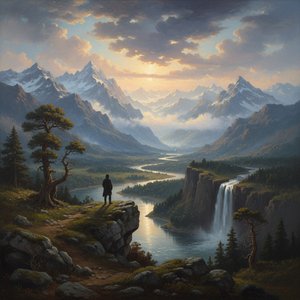
Frederick Waters Watts' "Landscape," a captivating oil painting from around 1860, isn’t merely a depiction of a rural scene; it’s an invitation into a meticulously rendered world brimming with quiet observation and a profound connection to the English countryside. The piece immediately draws the viewer in with its harmonious palette – a symphony of greens, blues, and browns that evoke the serenity of a late summer afternoon. It's a landscape steeped in Constablean influence, prioritizing atmospheric perspective and a subtle, almost melancholic beauty over dramatic grandeur.
The composition itself is deceptively simple yet remarkably effective. A meandering river dominates the midground, its waters reflecting the sky above with an ethereal quality. A dirt path, barely discernible, leads the eye into the distance, hinting at journeys and possibilities. Scattered amongst the trees are a few figures – likely farmers or laborers – engaged in quiet activities, their presence adding a touch of human scale to the vastness of the scene without disrupting the overall sense of tranquility. The rolling hills in the background, painted with delicate brushstrokes, fade into a hazy blue, creating an illusion of depth and distance that is characteristic of Watts’ style.
The Painter's Hand: Technique and Style
Watts was deeply influenced by John Constable, and this influence is readily apparent in "Landscape." He masterfully employed *plein air* painting techniques – working directly from nature – to capture the fleeting effects of light and atmosphere. Notice the subtle variations in color across the foliage, the way shadows fall on the ground, and the delicate rendering of water surfaces. The brushwork is loose yet controlled, creating a sense of movement and texture that brings the landscape to life. The artist’s attention to detail is remarkable; individual leaves are suggested rather than meticulously rendered, allowing the eye to fill in the gaps and contributing to the painting's overall impressionistic quality.
Furthermore, Watts skillfully utilized atmospheric perspective – *sfumato* – to create a sense of depth. Objects further away appear paler and less distinct, while those closer are richer in color and detail. This technique is particularly evident in the distant hills, which seem to dissolve into the hazy blue sky. The use of muted tones and subtle gradations of color contributes significantly to the painting’s overall mood of quiet contemplation.
A Victorian Vision: Historical Context
"Landscape" reflects the artistic sensibilities of the mid-19th century – a period when landscape painting was experiencing a resurgence in popularity. Following the Romantic movement, artists began to turn their attention to the beauty and sublimity of nature, seeking solace and inspiration in the countryside. Watts’ work aligns with this trend, capturing the idealized vision of rural England that was so prevalent during the Victorian era.
The painting also speaks to a broader cultural shift – a growing appreciation for the natural world and a desire to escape the pressures of urban life. The Victorian period witnessed significant industrialization and urbanization, leading many people to seek refuge in the countryside. Landscape art provided a means of reconnecting with nature and celebrating its enduring beauty. Watts’ painting embodies this sentiment, offering a glimpse into a simpler, more harmonious way of life.
Symbolism and Emotional Resonance
Beyond its technical merits, “Landscape” is imbued with subtle symbolism. The meandering river can be interpreted as a metaphor for the passage of time, while the figures in the foreground represent humanity’s connection to the land. The overall mood of the painting – serene, contemplative, and slightly melancholic – reflects the Victorian fascination with mortality and the fleeting nature of beauty. It's not simply a pretty picture; it invites reflection on our relationship with the natural world and our place within it.
The painting’s enduring appeal lies in its ability to evoke a sense of nostalgia for a bygone era – a time when life moved at a slower pace and people were more attuned to the rhythms of nature. “Landscape” is a testament to Watts' skill as an artist and his profound understanding of the English countryside, offering viewers a moment of respite from the complexities of modern life.
კითხვები და პასუხები
ზოგადად, „Landscape“ უფრო ნათელია თუ უფრო მუქი?
ფრედერიკ უოტერს (უილიამ) უოტსი-ის „Landscape“-ის სიკაშკაშე დაფიქსირებულია როგორც bright, ხოლო მისი განათების დონე შეადგენს Gentle Luminance-ს.
ფრედერიკ უოტერს (უილიამ) უოტსი-ის „Landscape“-ის ფერები გაჯერებული თუ მკრთალია?
ფრედერიკ უოტერს (უილიამ) უოტსი-ის „Landscape“-ის ფერების გაჯერებულობა არის Balanced Soft.
რა ტიპის ნამუშევარია "Landscape"?
"Landscape" არის WallArt ნამუშევარი.
მხატვრის ბიოგრაფია
ინგლისური პასტორალის ხედვა: ფრედერიკ უოტს უოტსის ცხოვრება და მემკვიდრეობა
ვიქტორიანული ხელოვნების ანალებში, ცოტა სახელს თუ შეგვიძლია მოვახსენოთ ისეთი მშვიდი და სუნთქავი არსი, როგორსაც ფრედერიკ უოტს უოტსი ასხივებს ინგლისური სოფლის風景-ის შესახებ. 1800 წელს ბათში, ამ ისტორიულ ქალაქში დაბადებული უოტსი გამოჩნდა, როგორც მხატვარი, რომლის შემოქმედებაც ღრმა ხიდს წარმოადგენდა მე-19 საუკუნის დასაწყისის მკაცრ ნატურალიზმსა და გვიანი ვიქტორიანული ეპოქის დახვეწილ ესთეტიზმს შორის. მიუხედავად იმისა, რომ მისი პირადი ისტორიის დიდი ნაწილი დროის რბილ ნისლშია გახვეული — ისტორიკოსთა მიერ ხშირად სადავოდ არის მიჩნეული მისი წარმოშობისა და გარდაცვალების ზუსტი თარიღის შესახებ დეტალები — მისი არტისტული ყოფიერება უდავოა. იგი იყო ხელოვანი, რომელიც მხოლოდ პეიზაჟებს კი არ ხატავდა, არამედ თავად სოფლის風景-ის სულს აკადღმებდა და თითოეულ მდინარის ნაპირს თუ მზით განათებულ მინდვრს მარადიული სიმშვიდის შეგრძნობას სძენდა.
უოტსის დიდებულების საფუძველი მისი ღრმა, თითქმის სულიერი კავშირი იყო ჯონ კონსტებლის შემოქმედებასთან. 1817 წელს ლონდონის სამეფო აკადემიის სკოლებში ჩასვლისას, უოტსი ცდილობდა დაეუფლნა სინათლისა და ატმაოსფერის იმ ნატიფ სირთულეებს, რომლებმაც კონსტებლის ტრადიცია განსაზღვრა. მისი ადრეული წარმატებები, მათ შორის 1819-დან 1821 წლამდე მოპოვებული ვერცხლის მედლები, მიანიშნებდა იმ ნიჭის გამოჩენაზე, რომელსაც ღრმა დაკვირვების უნარი ჰქონდა. მან მიიღო en plein air-ის, ანუ ბუნებაში, პირდაპირ გარემოში ხატვის პრაქტიკა, რათরაც მზის სხივების წარმავალი ნიუანსები ან ნაკადულზე მოკაშკაშე არეკვლის ეფექტები ზეთისა და ტილოს მარადიულ ფორმაში გადაეტანა. ამ პირდაპირ დაკვირვებაზე ორიენტირებულმა თავდადებამ მას საშუალება მისცა, გასცდა უბრალო იმიტაციას და შეექმნა სტილი, რომელიც ერთდროულად მჭიდროდ იყო დაკავშირებული დედამიწასთან და ამაღლებული იყო პოეტური სენსიტიურობით.
სინათლის ოსტატობა და ინგლისური პეიზაჟი
უოტსის შემოქმედება, რომელიც დაახლოებით 380 ტილოს მოიცავს, წარმოადგენს ინგლისის ყველაზე იდილიური მომ moment-ების უზარმაზარ გალერეას. მისი ტექნიკური სიმძლავრე ყველაზე თვალსაჩინოა სინათლის მანიპულირების უნარში, რაც სიღრმესა და ემოციურ რეზონანსს ქმნის. მიუხედავად იმისა, მდინარე მედუეის მშვიდ წყლებსა თუ ქამბერლენდის მკაცრ სილამაზეს ასახავდა, უოტსი იყენებდა პალიტრას, რომელიც აღთამამცნებელს ბუნებრივ ტონებს. მისი კომპოზიციები ხშირად მოიცავს:
ადრეული წლები და სწავლება: უოტსის ფორმირების წლები ბურუსით არის მოპარული. იგი 1800 წლის 7 ოქტომბერს დაიბადა და ჰერტფორდშირში, სენტ-ალბანსის აბატსში, F. უოტს უოტსად მონათლეს — ეს დეტალი ხაზს უსვამს იმ სირთულეებს, რომლებსაც ისტორიკოსები მისი პირადი ისტორიის აღდგენის მცდელობ- ატმოსფერული სიღრმე: ნისლისა და სინათლის ოსტატური გამოყენება ინგლისური ჰორიზონტის უსასრულო სივრცის გამოსახატად.
- მდინარისპირული სიმშვიდე: წყლის რთული აღკვეთები, სადაც ნაკადულების მოძრაობა და არეკვლების თამაში ცოცხალი დინამიკის შეგრძნებას ქმნის.
- ბუკოლური მომხიბვლელობა: ადამიანური ელემენტების ნატიფი ჩართვა — შორეული ფიგურა, საწოველი ძროხა თუ რესტურიანი ხიდი — რაც მის დიდებულ პეიზაჟებს გასაგებ, პასტორალურ რეალობასთან აკავშირებს.
გარდა წმინდა ნატურალისტულისა, მის ნამუშევრებში არსებობს სიმბოლიზმის ქვეტექსტი, რომელიც მიანიშნებს უფრო ღრმა, მედიტაციურ სულზე. ზოგიერთი მკვლევარი მის გვიანდელ ძიებებს ესთეტიზმის პრიზმაში განიხილავს და აღნიშნავს, თუ როგორ შეუძლია მის პეიზაჟებს ტოპოგრაფიის მიღმა გასვლა და სიმშვიდის, იმედისა და სიცოცხლის ციკლური ბუნების ალეგორიულ მედიტაციად ქცევა. ეს დუალიზმი — უნარი, იყოს ბუნების ზუსტი დამკვირვებელი და ამავდროულად პოეტური ჭეშმარიტებების მოგონებარე — არის ის, რაც მის შემოქმედებას თანამედროვეთებისგან განასხვავებს.
ისტორიული მნიშვნელობა და მარადიული გავლენა
მისი ხანგრძლივი კარიერის განმავლობაში, როდესაც იგი 1860-იან წლებამდე სამეფო აკადემიაში და ბრიტანეთის ინსტიტუტში ექსპონირებას ახდენდა, უოტსი სტაბილურად ინარჩუნებდა ადგილს ლონდონის სახელოვნებო სცენაზე. მისმა უნარმა, წარმართა ვიქტორიანული ეპოქის ცვალებადი გემოვნება — საუკუნის დასაწყისის მძიმე რომანტიზმიდან გვიანი წლების უფრო ნატიფ, სიმბოლურ მიდგომებამდე — უზრუნველყო მისი ხანგრძლივი რელევანტურობა. მიუხედავად იმისა, რომ იგი სწრაფი ინდუსტრიალიზაციის პერიოდში ცხოვრობდა, რომელიც საფრთხეს უქმნიდა იმ პეიზაჟებს, რომლებიც მას უყვარდა, მისი ტილოები დარჩენილია დაკარგული, პრე-ინდუსტრიული ინგლისის თავშესაფარი.
დღეს ფრედერიკ უოტს უოტსის მემკვიდრეობა ცოცხლობს ისეთი პრესტიჟული ინსტიტუტების კოლექციებში, როგორიცაა Tate, სადაც მისი ნამუშევრები დღემდე აღფრთოვანებას იწვევს. იგი გადამწყვეტი ფიგურა რჩება ყველასთვის, ვინც სურს გაიგოს ბრიტანული პეიზაჟური ფერწერის ევოლუცია. მისი ცხოვრებისეული შრომა წარმოადგენს დასტურს დაკვირვების ძალისა და ბუნებრივი სამყაროს მარადიული სილამაზის შესახებ, რაც გვახსენებს, რომ მდინარეზე სინათლის ყველაზე წარმავალ მომენტშიც კი არსებობს ღრმა და მარადიული ღირსება.

ფრედერიკ უოტერს (უილიამ) უოტსი
1800 - 1870 , გ यूनाइटेड კინგდომ
მოკლე ფაქტები
- Artistic Movement Or Style: რომანტიკული პეიზაჟური ფერწერა
- Artists Or Movements Influenced By This Artist: ['რომანტიკული პეიზაჟური ფერწერა']
- Artists Who Influenced This Artist: ['ჯონ კონსტებლი']
- Date Of Birth: 7 ოქტომბერი, 1800
- Date Of Death: 4 ივლისი, 1870
- Full Name: ფრედერიკ უოტერს უატსი
- Nationality: ბრიტანელი
- Notable Artworks:
- დახნატული და მისი कळি ხიდზე გადაბმული
- უ სათაური (1392)
- Place Of Birth: ბათი, გაერთიანებული სამეფო
მსგავსი სტატიები
Frederick William Hayes: Transcendental Landscapes & the American Sublime
Explore the captivating landscapes of Frederick William Hayes, a Victorian artist influenced by the Hudson River School & literary utopias. Discover his legacy and artistic techniques at OriginalUniqueArt.

ჯონ კონსტებლის 25 საუკეთესო შედევრი | ხელოვნების რეკრეაციები OriginalUniqueArt-ზე
გაიცანით ჯონ კონსტებლის 25 საუკეთესო შედევრი! ინგლისური პეიზაჟების ისტორია, XIX საუკუნის ხელოვნება და OriginalUniqueArt-ზე ხელოვნების უნიკალური კოლექცია. შეიძინეთ ხარისხიანი რეკრეაციები სახლის დეკორაციისთვის. აღმოაჩინეთ სრულყოფილი შეფერილი ტილოები OriginalUniqueArt.com-ზე!

Frederick Waters Watts: A Victorian Vision of Aestheticism & Spiritual Symbolism
Explore the captivating world of Frederick Watts, a key Victorian painter blending aestheticism & spiritual symbolism. Discover his allegorical masterpieces like 'Hope' and delve into his artistic journey with OriginalUniqueArt.

Arboreal Echoes: A Historical & Artistic Exploration of Trees in Painting
Explore the rich history of trees in painting! Discover symbolism, Romantic masterpieces by Caspar David Friedrich & beyond. A curated journey for art enthusiasts.

როμανტიზმის ეპოქის ტენდერება: საუკეთესო 10 შედევრი, რომელმაც განსაზღვრა ლანშაფტური მხატვრობა
აღმოფრთოვანდით რომანტიზმის ეპოქის 10 საუკეთესო ლანშაფტური შედევრით! ტერნერი, კორტო და სხვა მხატვრების ნაწარმოებები. იხილეთ მათი ისტორია და აღმოგეყვინებათ ხელოვნების márgali. შეიძინეთ მაღალი ხარისბის რესტავრაციული ასლები OriginalUniqueArt.com-ზე!
