
 ნახვა ინტერьерში
 გაგზავნა
 გაზიარება
 დეტალები
 გზამკვლევი

 ჩამოტვირთვა
 მსგავსები
 რენტგენოგრაფიული კვლევა
 სლაიდშოუ
 სტატისტიკა
The Awakening of Spring


 სრული ტექსტის ნახვა
გიკლე / ხელოვნების პრინტი
მუზეუმის დონის ჟიკლე ან ტილოზე ბეჭდვა სწრაფი წარმოებისა და დასრულების მოქნილი ვარიანტებით. ( შეიძინეთ ხელით შესრულებული ნახატი გადასვლა ციფრულ გამოსახულებაზე)




P118B $10

P118H $10

P118W $10

P438Z $10

P508JH $12

P508YH $12

P805H $10

P805Z $10

P919BZ $10

P919G $10

P919XJ $10

P959ZH $10

P968JZ $12

W106C $8

W218G $10

W218JH $8

W218Y $10

W307PJ $10

W316G $10

W316PJ $8

W316Y $10

W398PJ $8

W4111J $10

W500HY $15

W500JH $15

W692G $12

W849H $8

W940BG $15

W953PJ $8




აირჩიეთ ჩვენს მიერ წინასწარ განსაზღვრული ზომებიდან, რომლებიც ნაწარმოების ორიგინალურ პროპორციებს შეესაბამება.

თქვენ შეგიძლიათ მიუთითოთ საკუთარი ზომები კონკრეტული ჩარჩოსთვის ან სივრცისთვის მოსარგებლებლად. თუ თქვენ მიერ არჩეული ზომა არ შეესაბამება ორიგინალი გამოსახულების პროპორციებს, ჩვენ ან დავჭრით ნამუშევარს, ან გავაფართოვებთ გამოსახულებას სარკული ან ერთფეროვანი კიდეებით. წარმოების დაწყებამდე თქვენს დასამტკიცებლად გამოგეგზავნებათ ციფრული მაკეტი.
გთხოვთ, გაითვალისწინოთ, რომ ეკრანზე ნაჩვენები წინასწარი ნახვა არ ასახავს რეალურ ჭრას ან გაფართოებას. მხოლოდ მაკეტზე იქნება ზუსტად წარმოდგენილი საბოლოო კომპოზიცია.
მიუხედავად იმისა, რომ ინდივიდუალური ზომები ხელმისაწვდომია, ორიგინალური პროპორციების შესანარჩუნებლად გირჩევთ, აირჩიოთ ზომა წინასწარ განსაზღვრული სიისგან.
მიწოდება მთელ მსოფლიოში () 2 კვირაში, სტანდარტული 4/5 კვირის ნაცვლად. (25 სექტემბერი)

უფასო ექსპრეს მიწოდება მთელ მსოფლიოში

მაღალი ხარისხის ტილო

ტრანსპორტირების სრული დაზღვევა

საბაჟო გადასახადების დაბრუნების გარანტია

ფერების სრული შესაბამისობის გარანტია

დაბრუნების 100-დღიანი პერიოდი (მხოლოდ წარმოების დეფექტის შემთხვევაში)

100% თანხის სრული დაბრუნების გარანტია

ფასდაკლება დიდი რაოდენობით შეკვეთისას
 მინის ჩარჩოს არჩევანი ხელმისაწვდომია მხოლოდ 110 სმ-მდე ზომისთვის

The Awakening of Spring
გიკლე / ხელოვნების პრინტი
რეპროდუქციის ზომა
-


ჯამური ღირებულება
$ 80
A Dreamscape of Renewal: Arnold Böcklin’s “The Awakening of Spring”
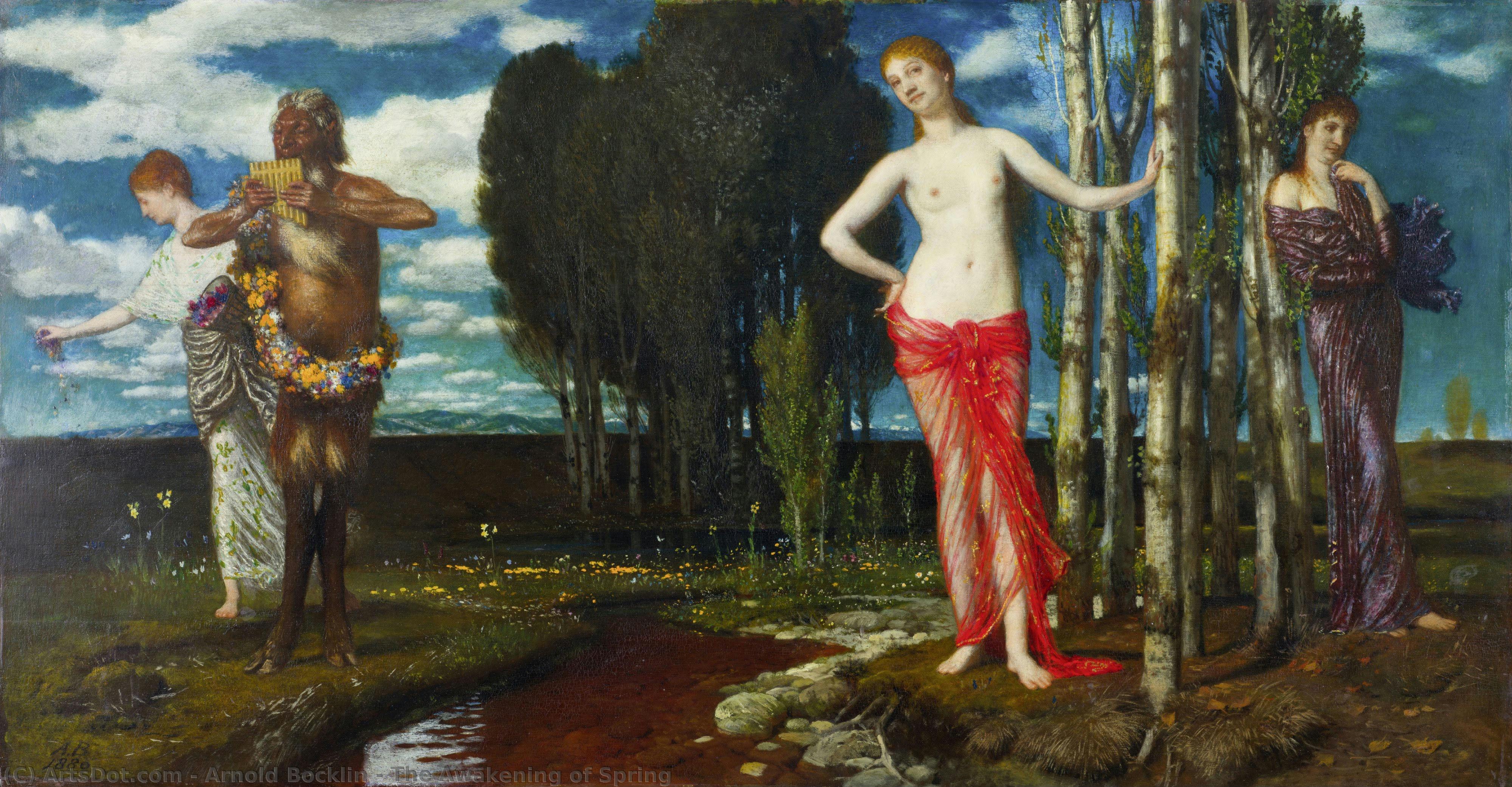
Arnold Böcklin's "The Awakening of Spring" (Frühlingserwachen), painted in 1880, isn’t merely a depiction of springtime; it’s an immersion into a realm of potent symbolism and haunting beauty. This oil-on-wood panel, currently residing within the Kunsthaus Zürich’s collection, immediately draws the viewer into a world where the boundaries between reality and dream blur, inviting contemplation on themes of rebirth, mortality, and the ephemeral nature of existence. Böcklin, a pivotal figure in the Symbolist movement, masterfully employs muted colors—primarily blues, greens, and browns—to create an atmosphere of serene melancholy, a characteristic deeply rooted in his exploration of death and the subconscious.
The scene unfolds with a group of nude women, their forms graceful yet subtly melancholic, gathered around a cluster of blossoming trees. They are not engaged in boisterous revelry but rather seem lost in quiet contemplation, embodying a sense of serene detachment from the world. Their poses—one holding her hands to her hips, another gazing into the distance—suggest a profound connection with nature and an awareness of their own vulnerability within it. The figures aren’t presented as idealized beauties; instead, they possess a certain fragility and timelessness, reflecting Böcklin's fascination with archetypal imagery and the enduring power of myth.
The Roots of Symbolism: Context and Influences
To fully appreciate “The Awakening of Spring,” it’s crucial to understand the artistic currents that shaped Böcklin’s vision. The late 19th century witnessed a growing disillusionment with rationalism and industrialization, leading artists and intellectuals alike to seek solace in the realms of myth, folklore, and the subconscious. Symbolism, emerging from this context, rejected realism in favor of evocative imagery designed to stimulate emotional and spiritual responses. Böcklin’s work is profoundly influenced by Pre-Raphaelitism, particularly the romantic landscapes and allegorical figures of artists like William Holman Hunt and Dante Gabriel Rossetti. Furthermore, he drew inspiration from the writings of Edgar Allan Poe and the philosophies of Friedrich Nietzsche, incorporating elements of darkness, decay, and psychological intensity into his compositions.
The painting’s genesis is intertwined with a personal tragedy – Böcklin's daughter, Maria, died at a young age. This loss undoubtedly fueled his preoccupation with themes of mortality and the cyclical nature of life and death. The image of the “Isle of the Dead,” which he revisited repeatedly throughout his career, served as a visual anchor for these explorations, providing a framework for depicting the transition between worlds.
Decoding the Symbolism: Figures and Flora
Each element within "The Awakening of Spring" carries symbolic weight. The nude figures represent not just physical beauty but also vulnerability, innocence, and a connection to the natural world. Their lack of adornment emphasizes their essential nature, stripped bare of societal constraints. The trees themselves are laden with blossoms—a potent symbol of rebirth, fertility, and the promise of new beginnings. However, the muted palette and the figures’ somber expressions suggest that this renewal is not without its melancholy undertones. The presence of a single bird in the upper left corner adds another layer of meaning, representing hope and freedom amidst the prevailing atmosphere of quiet contemplation.
Notably, the painting echoes Botticelli's "Primavera," a work that itself embodies the themes of spring and renewal. Böcklin’s interpretation, however, is far more introspective and psychologically complex, reflecting his Symbolist sensibilities. The figures are not celebrating the arrival of spring; they are engaged in a silent dialogue with its mysteries—a meditation on life's fleeting beauty and inevitable decay.
A Timeless Resonance: Emotional Impact and Legacy
“The Awakening of Spring” continues to resonate deeply with viewers today, largely due to its evocative atmosphere and profound exploration of universal themes. It’s a painting that invites introspection, prompting us to consider our own relationship with nature, mortality, and the enduring power of dreams. The work's haunting beauty and subtle symbolism have cemented Böcklin’s place as one of the most important figures in Symbolist art, influencing generations of artists and inspiring countless interpretations. Reproductions of this masterpiece offer a window into a world of profound emotional depth—a testament to Böcklin’s extraordinary artistic vision.
მხატვრის ბიოგრაფია
ადრეული ცხოვრება და სწავლება
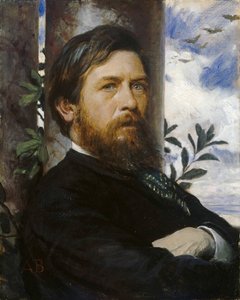
არნოლდ ბოკლინი, შვეიცარიელი სიმბოლისტი ფატორი, 1827 წლის 16 ოქტომბერს დაიბადა ბაზელში, შვეიცარიაში. მისი მამა, კრისტიან ფრედერიკ ბოკლინი, შაფჰაუზენის ძველი ოჯახიდან მომავალი იყო და রძის ვაჭრობით იყო დაკავებული. არნოლდის დედა, ურსულა ლიპე, იმავე ქალაქის მკვიდრი იყო. მან დიუსელდორფის აკადემიაში, შირმერის მეთვალყურეობის ქვეშ იმეცადნა, სადაც ანსელმ ფეერბახის მეგობარი გახდა. ბოკლინის შემოქმედება მჭიდროდ არის დაკავშირებული დიუსელდორფის სკოლის მხატვრობასთან.კრეატიული კარიერა და სიმბოლიზმი
ბოკლინის სახელ nghệობის მოგზაურობამ მას სხვადასხვა ქალაქში მიიყვანა, მათ შორის პარიზში, სადაც ლუვრში მუშაობდა, და რომში, სადაც ქალაქის ხედებმა მასზე დიდი გავლენა მოახდინა. მისი ნამუშევრები ხშირად ასახავდა ალეგორიულ და მითოლოგიურ ფიგურებს კლასიკური არქიტექტურის გარემოში, რაც სიკვდილისა და წარმავანობის თემებს იკვლევდა.- დიდი პარკი, მისი ერთ-ერთი ადრეული ნამუშევარი, ძველ მითოლოგიას წარმოაჩენდა.
- ნიამფა და სატირი (1858) და საფონ (1859) ამ პერიოდის გამორჩეული ნამუშევრები იყო.
- ბოკლინის პორტრეტი ჩემი თავი, როცა სიკვდილი ვიოლინოს უკრავს (1872) მისი უნიკალური სტილის საუკეთესო მაგალითი იყო.
მემკვიდრეობა და გავლენა
ბოკლინი ყველაზე მეტად ცნობილია მკვდართა კუნძულის ხუთი ვერსიით (1880-1886), რომელიც ფლორენციის ინგლისურ სასაფლაოს აღძვრევდა, სადაც მისი ქალიშვილი იყო დაკრძალული. მისმა შემოქმედებამ გავლენა მოახდინა ისეთ ახალგაზრდა ხელოვანებზე, როგორიცაა ჰანს თომა, და შთაგონების წყაროდ იქცა რამდენიმე გვიან-რომანტიკოს კომპოზიტორისთვის.- კლემენტ გრინბერგმა ბოკლინის შემოქმედება აღწერა, როგორც თავისი ეპოქის "ერთ-ერთი ყველაზე სრულყოფილი გამოხატულება".
- ბოკლინის სტილი პრერაფაელიტებთან გადაკვეთას ახდენდა, რაც ხაზს უსვამდა სიზმრებისა და მისტიციზმის სამყაროს.
მუზეუმები და კოლექციები
ბოკლინის ნამუშევრები წარმოდგენილია სხვადასხვა მუზეუმში, მათ შორის:- Öffentliche Kunstsammlung (ბაზელი, შვეიცარია)
- Kunstmuseum Basel (შვეიცარია)
- Museum Kunsthaus Zürich (ციურიხი, შვეიცარია)
არნოლდ ბოკლინი
1827 - 1901
მოკლე ფაქტები
- Artistic Movement Or Style: სიმბოლიზმი
- Artists Or Movements Influenced By This Artist:
- ჰანს თომა
- პრერაფაელიტები
- Artists Who Influenced This Artist:
- შირმერი
- ფოერბახი
- Date Of Birth: 16 ოქტომბერი, 1827
- Date Of Death: 16 იანვარი, 1901
- Full Name: არნოლდ ბოკლინი
- Nationality: შვისპერი
- Notable Artworks:
- მკვდართა კუნძული
- ნიამფა და სატირი
- საფო
- ჩემი პორტრეტი
- Place Of Birth: ბაზელი, შვეიცარია
მსგავსი სტატიები

Arboreal Echoes: A Historical & Artistic Exploration of Trees in Painting
Explore the rich history of trees in painting! Discover symbolism, Romantic masterpieces by Caspar David Friedrich & beyond. A curated journey for art enthusiasts.
Portrayals of Power & Perception: A Historical Survey of Women in Art
Explore the rich history of women in art – from iconic muses to groundbreaking artists. Discover feminist movements & reclaim female narratives with OriginalUniqueArt. Expert insights for discerning collectors.

The Enduring Allure of the Nude: A Historical & Artistic Exploration of the Human Form
Explore the captivating history of nude art! Discover iconic paintings & artists from classical to modern eras. Uncover symbolism, techniques & find museum-quality reproductions at OriginalUniqueArt.
Arboreal Echoes: A Historical & Artistic Exploration of Trees in Painting
Explore the rich history of trees in painting! Discover symbolism, Romantic masterpieces by Caspar David Friedrich & beyond. A curated journey for art enthusiasts.

The Enduring Muse: Women as Subject & Symbol in Art History
Explore the rich history of women in art – from iconic muses to groundbreaking artists. Discover feminist movements, global perspectives & reclaim female narratives with OriginalUniqueArt.
