
 設置イメージを確認
 送る
送る シェア
シェア
 詳細情報
詳細情報 ガイドを表示

 画像をダウンロード
 似ている作品
 X線調査
X線調査 スライドショー
 統計情報
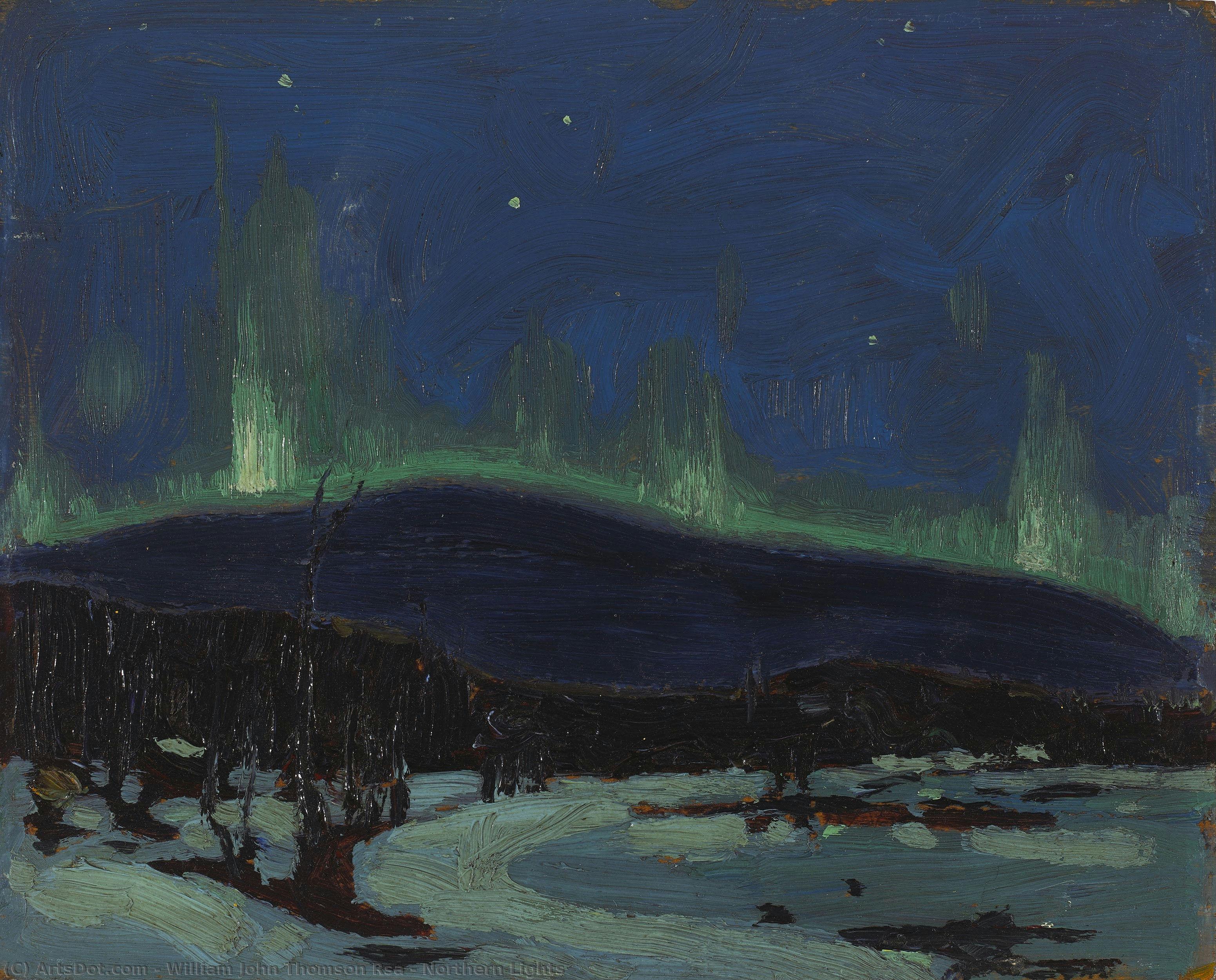
統計情報Northern Lights
 Acrylic On Canvas
- WallArt
- Northern Lights
 1917
1917 21.0 x 26.0 cm
 国立カナダ美術館
 続きを読む
続きを読む
オンラインプレビューをはるかに凌ぐ、高解像度で鮮明なデジタル画像をご購入いただけます。
各ファイルは、社内の専門家が高度なツールと熟練した手作業によるレタッチを駆使し、細心の注意を払って仕上げています。すべての画像において、卓越した鮮明度、正確な色彩再現性、そして繊細なディテールをお約束いたします。
最終ファイルは、プロフェッショナルな編集・印刷環境ですぐにご利用いただけるよう最適化された状態で、72時間以内にメールにてお届けいたします。これは、一流のデザインスタジオ、出版社、ギャラリーから信頼されているものと同等の品質です。
デジタル画像
個人での鑑賞、印刷、クリエイティブなプロジェクトにご利用いただける高解像度ファイルをダウンロードできます。 ( プリント版に切り替え 手描きの複製画を注文する)
デジタル画像のご注文に付随する特典
プロフェッショナルなデジタル配信を、確かな品質で。
OriginalUniqueArt.com を選ぶことは、単に画像を手に入れることではありません。プロの手によって精密に仕上げられ、満足保証が付いた高品質なデジタルアートワークを受け取ることを意味します。ご注文いただいた際に自動的に付随する内容は、以下の通りです:

メールですぐにお届け
ご注文から72時間以内に、高解像度のデジタル画像ファイルをメールでお送りいたします。お手元に届き次第、すぐにご利用いただけます。

AI技術で最適化されたデジタルファイル
お客様の作品は、高度なAI技術と専門家による手作業を組み合わせてプロフェッショナルに最適化されており、細部のディテール、鮮明さ、そして正確な色再現性を最大限に引き出しています。

一生涯無料の再送サービス
ファイルを誤って削除したり、紛失してしまったりしましたか?ご安心ください。いつでも無料で再送いたします。

輸入手数料は、いつでも一切かかりません
関税や手数料、配送料を気にすることなく、お気に入りのアートワークをすぐにお楽しみいただけます。デジタルダウンロードは常に免税です。

正確な色彩の保証
プロ仕様のツールとカラーマネジメント技術を用いることで、デジタル画像が元の色を最大限に忠実に再現することを保証いたします。

100日間満足保証
ご購入いただいたデジタル画像にご満足いただけない場合は、100日以内であれば、理由を問わず修正または100%の返金対応をさせていただきます。

100% 返金保証
ご満足いただけない場合は、デジタルファイルを受け取ってから100日以内であれば、理由を問わず全額返金いたします。

まとめ買い割引
3枚購入で10%OFF、5枚購入で15%OFF、10枚以上のご購入で20%OFF。クリエイティブなプロジェクトやギャラリー、エージェンシーに最適です。
The Dance of the Aurora: William John Thomson’s ‘Northern Lights’
William John Thomson's “Northern Lights,” painted in 1917, isn’t merely a depiction of a natural phenomenon; it’s an immersive experience. The canvas vibrates with the ethereal glow of the aurora borealis, capturing not just its visual spectacle but also the profound sense of wonder and mystery associated with this celestial display. Thomson, a master of silhouette painting who later transitioned to portraiture and landscapes, here demonstrates a remarkable shift in his artistic focus – moving from precise outlines to a richer, more atmospheric rendering of light and color. The piece immediately draws the viewer into its heart, inviting contemplation on the sublime beauty of the natural world and humanity’s place within it.
- Subject Matter: The painting centers around the Northern Lights themselves – ribbons of emerald, violet, and gold swirling across a dramatic mountainous landscape. The inclusion of a solitary figure on the left side of the composition adds an element of scale and human perspective, suggesting our smallness in the face of such immense natural power.
- Style: While rooted in late 19th-century British painting traditions, “Northern Lights” transcends simple representation. It leans towards a romanticized view of nature, imbued with a sense of awe and spiritual resonance. The brushwork is loose and expressive, prioritizing the conveyance of light and atmosphere over meticulous detail.
A Window into the Early 20th Century: Context and Technique
Painted in 1917, during a period of significant social and artistic change – the dawn of the 20th century – “Northern Lights” reflects both the prevailing fascination with the natural world and the growing interest in capturing fleeting moments of beauty. Thomson’s technique is particularly noteworthy. He employed a layering approach, building up color gradually through multiple thin washes of paint, creating a luminous effect that mimics the shimmering quality of the aurora itself. The use of subtle gradations of tone – from deep blues and purples to vibrant greens and yellows – adds depth and dynamism to the scene. The artist’s choice of palette is crucial; it's not a literal representation but an interpretation, prioritizing emotional impact over photographic accuracy.
Historical Note:** Thomson’s career spanned several decades, and his style evolved considerably. This piece represents a pivotal moment in his artistic journey, showcasing his growing confidence and willingness to experiment with color and atmosphere.Symbolism and the Myth of the Northern Lights
The Northern Lights have long held a powerful place in human imagination, steeped in myth and legend across various cultures. Often associated with spirits, gods, and portals to other realms, they represent both beauty and danger – a reminder of the forces beyond our control. In “Northern Lights,” Thomson subtly incorporates these symbolic associations. The solitary figure gazing upwards can be interpreted as an individual seeking connection with something larger than themselves, a yearning for transcendence. The vastness of the landscape reinforces this sense of scale and humility. The painting evokes the ancient belief that the aurora borealis was a sign from the gods or a pathway to the afterlife – a potent reminder of humanity’s enduring fascination with the unknown.
A Timeless Masterpiece: Reproduction and Legacy
“Northern Lights” remains a captivating work of art, offering viewers a glimpse into both the beauty of nature and the artistic vision of William John Thomson. Reproductions, meticulously crafted by OriginalUniqueArt.com, allow us to appreciate this masterpiece in our own homes, bringing its ethereal glow and evocative atmosphere into our spaces. The painting’s enduring appeal lies not only in its technical skill but also in its ability to transport us to a realm of wonder and inspire a sense of connection with the natural world. It's a testament to Thomson's talent and a beautiful reminder that some sights are best experienced through the lens of art.
よくあるご質問
「Northern Lights」の著作権の状態が、なぜ現在のようになっているのでしょうか?
「Northern Lights」の著作権の状態について — パブリックドメイン(著作権消滅) — は、作者の没年である1845に基づいています。
William John Thomson Rsa作「Northern Lights」 の画像はどのようにダウンロードすればよいですか?
William John Thomson Rsa作「Northern Lights」の画像は、作品のダウンロードページからダウンロードいただけます:高解像度デジタル画像のダウンロード。
William John Thomson Rsa作「Northern Lights」をスライドショーで閲覧するには、どうすればよいですか?
スライドショーをご覧いただけます:William John Thomson Rsa作「Northern Lights」のスライドショーページ。
アーティスト・プロフィール
William John Thomson RSA (1771-1845)
Early Life and Education
William John Thomson was born on October 3rd, 1771, in Savannah, Chatham County, Georgia, to Scottish parents, Alexander Thomson and Mary Elizabeth Spencer. His family migrated to England during the American War of Independence. He received his artistic training in London, though specific details regarding his formal education remain scarce. This period laid the foundation for his future career as a versatile artist.
Artistic Development and Style
Thomson initially gained recognition for his skill in creating silhouettes, a popular art form during the late 18th and early 19th centuries. He quickly expanded his repertoire to include portrait miniatures and full-scale portraits. His style evolved over time, demonstrating an ability to adapt to changing artistic tastes. While rooted in traditional techniques, he incorporated elements of contemporary British painting.
Exhibitions and Recognition
Thomson first exhibited at the prestigious Royal Academy of Arts in 1795, marking a significant step in his career. He continued to exhibit regularly there and at the British Institution between 1809 and 1829 while residing in London at various addresses including Charles Street, Craven St, and The Strand. In 1808 he was considered for election to the Royal Academy. His work gained him a reputation as a skilled portraitist and miniaturist.
Move to Scotland and Later Life
In 1812, Thomson relocated to his ancestral homeland of Scotland, settling in Edinburgh. He married Helen J Colhoun in 1797 and later Anne McCulloch (d.1855) around 1817; these marriages produced seven children. In Edinburgh, he became a prominent figure in the artistic community, residing at addresses like York Place and Northumberland Avenue. He held various official positions within Scottish art circles.
Major Works and Themes
Thomson’s oeuvre encompasses portraits, miniatures, landscapes, and genre paintings. Some of his notable works include Northern Lights and Presentation teapot. His portraiture often captured the likenesses of prominent Scottish figures, reflecting the social landscape of the time. He also explored scenic views and everyday life in his landscapes and genre scenes.
Influences and Legacy
While specific artistic influences are not extensively documented, Thomson’s work demonstrates an awareness of prevailing British portraiture styles of the period. His sister, Catherine Thomson, was later the stepmother of author Elizabeth Gaskell, suggesting a connection to literary circles. He became a key figure in 19th-century British art and particularly within the Scottish artistic landscape.
Historical Significance
William John Thomson RSA played an important role in documenting the lives of his contemporaries through portraiture. His work provides valuable insights into the social and cultural history of Scotland during the early 19th century. Though not as widely celebrated as some of his peers, he remains a significant figure for scholars studying British art and Scottish artistic heritage.

William John Thomson Rsa
1771 - 1845 , United States of America
略歴
- Name: William John Thomson RSA
- Movement:
- Portraiture
- Miniature painting
- Silhouette art
- Landscape painting
- Birth Date: 1771-10-03
- Death Date: 1845
- Birth Place: Savannah, Georgia, United States
- Nationality: Scottish
- Date Of Birth: 1771
- Date Of Death: 1845
- Notable Works:
- Northern Lights
- Presentation teapot
- Portrait of a Lady
- Portrait of a Gentleman
- Place Of Birth: Savannah, United States of America