
 設置イメージを確認
 送る
送る シェア
シェア
 詳細情報
詳細情報 ガイドを表示

 画像をダウンロード
 似ている作品
 X線調査
X線調査 スライドショー
 統計情報
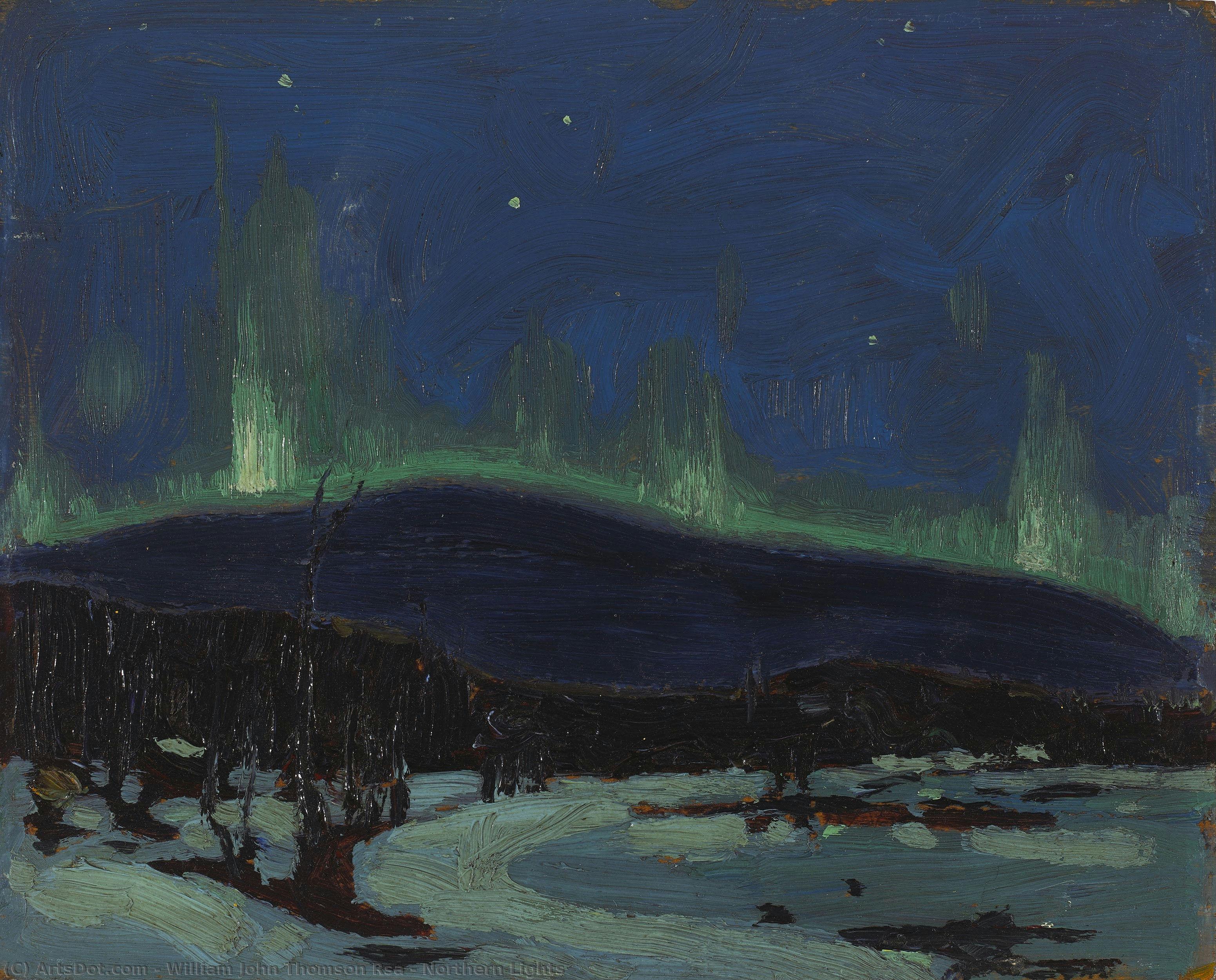
統計情報Northern Lights
 Acrylic On Canvas
- WallArt
- Northern Lights
 1917
1917 21.0 x 26.0 cm
 国立カナダ美術館
 続きを読む
続きを読む
手描き油彩複製画
当社のアーティストが、お客様のご希望のサイズと額縁に合わせて、キャンバスに手描きで制作する油彩画です。 ( プリント版に切り替え デジタル画像販売へ切り替え)




P118B ¥10

P118H ¥10

P118W ¥10

P438Z ¥10

P508JH ¥12

P508YH ¥12

P805H ¥10

P805Z ¥10

P919BZ ¥10

P919G ¥10

P919XJ ¥10

P959ZH ¥10

P968JZ ¥12

W106C ¥8

W218G ¥10

W218JH ¥8

W218Y ¥10

W307PJ ¥10

W316G ¥10

W316PJ ¥8

W316Y ¥10

W398PJ ¥8

W4111J ¥10

W500HY ¥15

W500JH ¥15

W692G ¥12

W849H ¥8

W940BG ¥15

W953PJ ¥8




作品のオリジナル比率に合わせた、当店の規定サイズからお選びください。

フレームや壁のスペースに合わせて、ご希望の幅と高さを入力してください。本作品は手描きのため、異なる比率のサイズをご希望の場合、絵画の周囲を少し広げて描くか、あるいは端を少しカットして調整することが可能です。お客様のご要望に合わせます。制作を開始する前に、仕上がりを確認するためのデジタルモックアップをお送りいたします。このページに表示されている画像は完成品の実物ではなく、あくまでモックアップによるイメージです。
ご注文後、OriginalUniqueArt.com チームより詳細な指示をお送りするとともに、仕上がりイメージ(モックアップ)をご提供いたします。


 ガラスオプションは、110cm未満のサイズでのみご利用いただけます。

Northern Lights
再現技法
複製画サイズ一覧
-


合計金額
¥ 47215
The Dance of the Aurora: William John Thomson’s ‘Northern Lights’
William John Thomson's “Northern Lights,” painted in 1917, isn’t merely a depiction of a natural phenomenon; it’s an immersive experience. The canvas vibrates with the ethereal glow of the aurora borealis, capturing not just its visual spectacle but also the profound sense of wonder and mystery associated with this celestial display. Thomson, a master of silhouette painting who later transitioned to portraiture and landscapes, here demonstrates a remarkable shift in his artistic focus – moving from precise outlines to a richer, more atmospheric rendering of light and color. The piece immediately draws the viewer into its heart, inviting contemplation on the sublime beauty of the natural world and humanity’s place within it.
- Subject Matter: The painting centers around the Northern Lights themselves – ribbons of emerald, violet, and gold swirling across a dramatic mountainous landscape. The inclusion of a solitary figure on the left side of the composition adds an element of scale and human perspective, suggesting our smallness in the face of such immense natural power.
- Style: While rooted in late 19th-century British painting traditions, “Northern Lights” transcends simple representation. It leans towards a romanticized view of nature, imbued with a sense of awe and spiritual resonance. The brushwork is loose and expressive, prioritizing the conveyance of light and atmosphere over meticulous detail.
A Window into the Early 20th Century: Context and Technique
Painted in 1917, during a period of significant social and artistic change – the dawn of the 20th century – “Northern Lights” reflects both the prevailing fascination with the natural world and the growing interest in capturing fleeting moments of beauty. Thomson’s technique is particularly noteworthy. He employed a layering approach, building up color gradually through multiple thin washes of paint, creating a luminous effect that mimics the shimmering quality of the aurora itself. The use of subtle gradations of tone – from deep blues and purples to vibrant greens and yellows – adds depth and dynamism to the scene. The artist’s choice of palette is crucial; it's not a literal representation but an interpretation, prioritizing emotional impact over photographic accuracy.
Historical Note:** Thomson’s career spanned several decades, and his style evolved considerably. This piece represents a pivotal moment in his artistic journey, showcasing his growing confidence and willingness to experiment with color and atmosphere.Symbolism and the Myth of the Northern Lights
The Northern Lights have long held a powerful place in human imagination, steeped in myth and legend across various cultures. Often associated with spirits, gods, and portals to other realms, they represent both beauty and danger – a reminder of the forces beyond our control. In “Northern Lights,” Thomson subtly incorporates these symbolic associations. The solitary figure gazing upwards can be interpreted as an individual seeking connection with something larger than themselves, a yearning for transcendence. The vastness of the landscape reinforces this sense of scale and humility. The painting evokes the ancient belief that the aurora borealis was a sign from the gods or a pathway to the afterlife – a potent reminder of humanity’s enduring fascination with the unknown.
A Timeless Masterpiece: Reproduction and Legacy
“Northern Lights” remains a captivating work of art, offering viewers a glimpse into both the beauty of nature and the artistic vision of William John Thomson. Reproductions, meticulously crafted by OriginalUniqueArt.com, allow us to appreciate this masterpiece in our own homes, bringing its ethereal glow and evocative atmosphere into our spaces. The painting’s enduring appeal lies not only in its technical skill but also in its ability to transport us to a realm of wonder and inspire a sense of connection with the natural world. It's a testament to Thomson's talent and a beautiful reminder that some sights are best experienced through the lens of art.
よくあるご質問
「Northern Lights」の著作権の状態が、なぜ現在のようになっているのでしょうか?
「Northern Lights」の著作権の状態について — パブリックドメイン(著作権消滅) — は、作者の没年である1845に基づいています。
William John Thomson Rsa作「Northern Lights」 の画像はどのようにダウンロードすればよいですか?
William John Thomson Rsa作「Northern Lights」の画像は、作品のダウンロードページからダウンロードいただけます:高解像度デジタル画像のダウンロード。
William John Thomson Rsa作「Northern Lights」をスライドショーで閲覧するには、どうすればよいですか?
スライドショーをご覧いただけます:William John Thomson Rsa作「Northern Lights」のスライドショーページ。
アーティストについて
William John Thomson RSA (1771-1845)
Early Life and Education
William John Thomson was born on October 3rd, 1771, in Savannah, Chatham County, Georgia, to Scottish parents, Alexander Thomson and Mary Elizabeth Spencer. His family migrated to England during the American War of Independence. He received his artistic training in London, though specific details regarding his formal education remain scarce. This period laid the foundation for his future career as a versatile artist.
Artistic Development and Style
Thomson initially gained recognition for his skill in creating silhouettes, a popular art form during the late 18th and early 19th centuries. He quickly expanded his repertoire to include portrait miniatures and full-scale portraits. His style evolved over time, demonstrating an ability to adapt to changing artistic tastes. While rooted in traditional techniques, he incorporated elements of contemporary British painting.
Exhibitions and Recognition
Thomson first exhibited at the prestigious Royal Academy of Arts in 1795, marking a significant step in his career. He continued to exhibit regularly there and at the British Institution between 1809 and 1829 while residing in London at various addresses including Charles Street, Craven St, and The Strand. In 1808 he was considered for election to the Royal Academy. His work gained him a reputation as a skilled portraitist and miniaturist.
Move to Scotland and Later Life
In 1812, Thomson relocated to his ancestral homeland of Scotland, settling in Edinburgh. He married Helen J Colhoun in 1797 and later Anne McCulloch (d.1855) around 1817; these marriages produced seven children. In Edinburgh, he became a prominent figure in the artistic community, residing at addresses like York Place and Northumberland Avenue. He held various official positions within Scottish art circles.
Major Works and Themes
Thomson’s oeuvre encompasses portraits, miniatures, landscapes, and genre paintings. Some of his notable works include Northern Lights and Presentation teapot. His portraiture often captured the likenesses of prominent Scottish figures, reflecting the social landscape of the time. He also explored scenic views and everyday life in his landscapes and genre scenes.
Influences and Legacy
While specific artistic influences are not extensively documented, Thomson’s work demonstrates an awareness of prevailing British portraiture styles of the period. His sister, Catherine Thomson, was later the stepmother of author Elizabeth Gaskell, suggesting a connection to literary circles. He became a key figure in 19th-century British art and particularly within the Scottish artistic landscape.
Historical Significance
William John Thomson RSA played an important role in documenting the lives of his contemporaries through portraiture. His work provides valuable insights into the social and cultural history of Scotland during the early 19th century. Though not as widely celebrated as some of his peers, he remains a significant figure for scholars studying British art and Scottish artistic heritage.

William John Thomson Rsa
1771 - 1845 , United States of America
アーティスト情報
- Name: William John Thomson RSA
- Movement:
- Portraiture
- Miniature painting
- Silhouette art
- Landscape painting
- Birth Date: 1771-10-03
- Death Date: 1845
- Birth Place: Savannah, Georgia, United States
- Nationality: Scottish
- Date Of Birth: 1771
- Date Of Death: 1845
- Notable Works:
- Northern Lights
- Presentation teapot
- Portrait of a Lady
- Portrait of a Gentleman
- Place Of Birth: Savannah, United States of America
関連記事

Evocations of Place: A Historical Journey Through Landscape Art
Explore the rich history of landscape art with OriginalUniqueArt. Discover renowned artists, movements like Impressionism & tonalism, and expert guidance for collecting timeless pieces. Find your perfect serene escape today!

Evocations of Place: A Historical Journey Through Landscape Art
Explore the rich history of landscape art with OriginalUniqueArt. Discover renowned artists, movements like Impressionism & Romanticism, and expert guidance for collecting timeless pieces. Find your perfect serene escape today!
Thomas Thomson: Pioneering Canadian Landscape & the Pursuit of National Identity
Explore the evocative landscapes of Tom Thomson, a pivotal figure in Canadian art & precursor to the Group of Seven. Discover his bold style, lasting legacy, and profound impact on shaping a national artistic identity.

ジョン・コンスタブルの傑作25選:英国風景画の巨匠が描く自然と光の詩 | OriginalUniqueArt
ジョン・コンスタブルの傑作25選。英国風景画の巨匠が描く自然と光の詩の世界へ。ロマン主義を代表する絵画、デダム・ヴェールやヘイ・ウェインなど、OriginalUniqueArtで高品質なアートプリントをお楽しみください。インテリアに深みと感動を。コレクションはこちら。

ロマン派ランドスケープ:時代を彩る巨匠の10選|アートとインテリアの世界
ロマン派絵画の時代を彩る10選。巨匠たちの風景が織りなす感動の世界へ。ターナー、ルーベンスなど、名作の裏話と高精細複製でアートをお部屋に。OriginalUniqueArt.comで至福のアート体験を。