

 設置イメージを確認
 送る
送る シェア
シェア
 詳細情報
詳細情報 ガイドを表示

 画像をダウンロード
 似ている作品
 X線調査
X線調査 スライドショー
 Q&A
Q&A 統計情報
統計情報Comic Picture


 続きを読む
続きを読む
ジークレー/アートプリント
スピーディーな制作と多彩な仕上げオプションが魅力の、ミュージアムクオリティなジークレー・キャンバスプリント。 ( 手描きの複製画を注文する デジタル画像販売へ切り替え)




P118B ¥10

P118H ¥10

P118W ¥10

P438Z ¥10

P508JH ¥12

P508YH ¥12

P805H ¥10

P805Z ¥10

P919BZ ¥10

P919G ¥10

P919XJ ¥10

P959ZH ¥10

P968JZ ¥12

W106C ¥8

W218G ¥10

W218JH ¥8

W218Y ¥10

W307PJ ¥10

W316G ¥10

W316PJ ¥8

W316Y ¥10

W398PJ ¥8

W4111J ¥10

W500HY ¥15

W500JH ¥15

W692G ¥12

W849H ¥8

W940BG ¥15

W953PJ ¥8




作品のオリジナル比率に合わせた、当店の規定サイズからお選びください。

額縁や壁のスペースに合わせて、ご希望の幅と高さを入力してください。プリントはカットすることは可能ですが、元の画像より大きくすることはできないため、異なる比率のサイズを選択された場合は、画像の一部が欠けることになります。印刷を開始する前に、内容を確認していただくためのデジタルモックアップをお送りいたします。このページに表示されている画像は、実際のカット後の状態を示すものではありません。実際の仕上がりはモックアップにてご確認ください。


 ガラスオプションは、110cm未満のサイズでのみご利用いただけます。

Comic Picture
ジークレー/アートプリント
複製画サイズ一覧
-


合計金額
¥ 12587
A Chronicle of Japanese Life: Tsukioka Yoshitoshi’s “Comic Picture”
Tsukioka Yoshitoshi's "Comic Picture" is not simply a collection of images; it’s a poignant and unsettling window into the final decades of Edo-period Japan, a nation grappling with profound change. This remarkable collage, assembled from multiple scenes attributed to the artist, offers a raw and unflinching portrayal of everyday life – often tinged with melancholy and a sense of impending doom. Yoshitoshi, born Owariya Yonejiro in 1839, was a pivotal figure in *ukiyo-e* art, pushing beyond the traditional depictions of beautiful women and heroic warriors to explore themes of mortality, social unrest, and the anxieties of a society on the brink.
- Subject Matter: The artwork presents a series of vignettes depicting scenes of human interaction – moments of conflict, humor, and quiet contemplation. These aren't idealized representations; instead, Yoshitoshi captures the rough edges of life with brutal honesty.
- Humorous Yet Haunting: While some scenes possess a distinctly humorous quality, particularly those involving playful disputes or comical gestures, an underlying current of sadness permeates the entire collection. This juxtaposition creates a powerful emotional resonance.
- Diverse Scenes: The collage encompasses at least thirteen distinct scenes, each meticulously rendered in Yoshitoshi’s signature style. These range from dramatic confrontations to intimate moments of social gathering, offering a multifaceted view of Japanese society.
The Master of Melancholy: Yoshitoshi's Artistic Vision
Yoshitoshi’s artistic genius lay in his ability to infuse *ukiyo-e* with a deeply psychological and emotional depth rarely seen before or after him. Trained under the esteemed Kuniyoshi, he inherited a mastery of woodblock printing techniques but quickly developed a unique style characterized by dramatic lighting, expressive faces, and a profound sense of atmosphere. His work reflects the turbulent era in which he lived – the decline of the shogunate, the rise of Western influence, and the growing social tensions that ultimately led to the Meiji Restoration. He frequently depicted scenes of samurai facing their demise, reflecting his own anxieties about the changing world.
- Technique: Executed in the traditional *ukiyo-e* style, the artwork utilizes meticulous carving and printing techniques, resulting in rich colors and sharp details. The artist’s masterful use of perspective and composition draws the viewer into each scene, heightening its emotional impact.
- Color Palette: Yoshitoshi favored a somber palette dominated by blues, browns, and grays, further emphasizing the melancholic mood of his work. Strategic use of vibrant accents – particularly in clothing or objects – serves to draw attention to key elements within each scene.
Symbolism and Historical Context
Each image within “Comic Picture” is laden with symbolic meaning, reflecting the anxieties and uncertainties of late Edo Japan. The depictions of violence, for example, are not merely scenes of conflict but metaphors for the broader social unrest that was sweeping across the nation. The presence of Western elements – clothing, objects, or even architectural details – subtly underscores the growing influence of foreign powers and the perceived threat to traditional Japanese culture. Yoshitoshi’s work can be seen as a visual lament for a vanishing world, a poignant reminder of the impermanence of life and the inevitability of change.
- Social Commentary: The scenes offer subtle critiques of social hierarchies, class divisions, and the moral decay that Yoshitoshi perceived within Japanese society.
- Precursor to Modern Art: Yoshitoshi’s willingness to confront difficult themes and his innovative use of light and shadow foreshadowed many developments in later modern art movements.
A Timeless Masterpiece – Perfect for Display
"Comic Picture" by Tsukioka Yoshitoshi is more than just a beautiful artwork; it’s a powerful historical document and a testament to the enduring power of artistic expression. A hand-painted reproduction offers an unparalleled opportunity to bring this iconic piece into your home or office, adding a touch of sophistication and intrigue to any space. Its evocative imagery and profound emotional depth will undoubtedly spark conversation and inspire contemplation for years to come.
よくあるご質問
月岡芳年 (Tsukioka Yoshitoshi)作「Comic Picture」は、絵画、デッサン、それとも版画のいずれでしょうか?
カタログ内では、月岡芳年 (Tsukioka Yoshitoshi)作「Comic Picture」はWallArtとして分類されています。このカテゴリーを活用することで、類似の作品を探すことができます。
ご購入前に、月岡芳年 (Tsukioka Yoshitoshi)作「Comic Picture」 をご自身の壁に飾った様子を確認することはできますか?
月岡芳年 (Tsukioka Yoshitoshi)作「Comic Picture」のARプレビューページでは、対応端末を使用し、拡張現実(AR)によって作品をご自身の空間に表示してご確認いただけます。
月岡芳年 (Tsukioka Yoshitoshi)作「Comic Picture」は、Ukiyo-eにおいてどのような情緒を表現していますか?
Ukiyo-eのムーブメントにおいて、「Comic Picture」はNostalgicなトーンで描かれています。
アーティストについて
月岡芳年:浮世絵の最後の巨匠、激動の時代を映す一太
月岡芳年(1839年4月30日 – 1892年6月9日)は、江戸から明治にかけて活躍した日本の浮世絵師であり、その名は、浮世絵という芸術形式が衰退していく中で、最後の偉大な巨匠として歴史に刻まれています。幼名尾張屋米次郎といい、東京の神橋で生まれ育ちました。父は商人で武士に取り立てられた身分でしたが、幼少期を叔父のもとに預けられ、薬師修行をすることになります。しかし、彼の心をとらえたのは薬ではなく、絵画でした。1850年、わずか11歳という若さで浮世絵師・歌川国芳に師事し、その才能を開花させます。国芳から受けた影響は計り知れませんが、芳年は単なる模倣に終わらず、独自の芸術世界を切り開いていくのです。激動の時代と「血腥い版画」
芳年の生きた時代は、まさに激動の時代でした。ペリー来航による開国、幕府の権威失墜、そして尊王攘夷運動の高まり…社会全体が大きな変革期を迎えていました。こうした時代の空気は、芳年の作品にも色濃く反映されています。特に初期の作品群である「血腥い版画」は、その名の通り、暴力的な場面や死を赤裸々に描き出し、当時の人々の不安と興奮を代弁したと言えるでしょう。「二十八奇案」はその代表作であり、凄惨な殺人事件を題材に、人間の暗部を容赦なく表現しています。これらの作品は、その衝撃的な描写から賛否両論を巻き起こしましたが、同時に、芳年の芸術的才能と時代の空気を感じさせるものであり、多くの人々を魅了しました。西洋の影響と革新
芳年は、単に時代を反映するだけでなく、積極的に新しい表現方法を取り入れる姿勢も持ち合わせていました。開国以降、西洋の絵画や版画が大量に流入し、日本の芸術家たちにも大きな影響を与えました。芳年も例外ではなく、西洋の遠近法や構図などを研究し、自身の作品に取り入れました。その結果、従来の浮世絵には見られなかった奥行きのある表現や、ダイナミックな構図が生まれ、彼の作品はより一層洗練されたものとなりました。また、彼は Kabuki 役者絵だけでなく、歴史画や風俗画など、幅広いジャンルの作品を手掛け、その才能の幅広さを示しました。武士絵と晩年の軌跡
明治時代に入ると、社会情勢は大きく変化し、浮世絵の人気も徐々に衰退していきます。しかし、芳年は時代の変化に屈することなく、独自の芸術道を歩み続けます。特に「当世勧進帳」や「東錦百物語」といった武士絵シリーズは、彼の代表作として知られています。これらの作品は、当時の社会情勢を反映したストーリー展開と、力強い人物描写が特徴であり、多くの人々を魅了しました。晩年は経済的に苦しい生活を送ることもありましたが、それでも彼は版画制作を続けました。そして1892年、53歳という若さでこの世を去りますが、彼の残した作品は、浮世絵の歴史における重要な遺産として、今もなお多くの人々を魅了し続けています。芳年の芸術的意義
月岡芳年は、浮世絵の最後の巨匠であると同時に、日本の近代美術に大きな影響を与えた芸術家でもありました。彼の作品は、単なる風俗画や役者絵にとどまらず、社会情勢を反映したメッセージ性を持つものであり、その革新的な表現方法は、後の日本美術に多大な影響を与えました。また、西洋の技法を取り入れながらも、日本の伝統美を失わない姿勢は、多くの芸術家たちの模範となりました。芳年の作品は、激動の時代を生き抜いた人々の想いを映し出す鏡であり、今なお私たちに感動と興奮を与え続けています。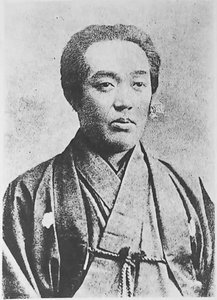
月岡芳年 (Tsukioka Yoshitoshi)
1839 - 1892 , 日本
アーティスト情報
- 主な作品:
- 東海道五十三次
- 美人画
- 武者絵詞
- 出身地: 日本、東京都
- 国籍: 日本
- 影響を与えた芸術家: ['後世の日本画家']
- 影響を受けた芸術家:
- 歌川広重
- 葛飾北斎
- 富岡鉄斎
- 氏名: 月岡芳年
- 没年月日: 1892年6月9日
- 生年月日: 1839年4月30日
- 芸術運動: 浮世絵
関連記事

葛飾北斎:25の傑作が語る浮世絵の世界 - OriginalUniqueArt
葛飾北斎の25選:『神奈川沖浪裏』や『富嶽三十六景』など、浮世絵の世界を深く探求。木版画の技法と日本美術の美をOriginalUniqueArtで。高品質なアートプリントで空間に感動を。コレクションはこちら。
Masterpieces of Japan: A Definitive Guide to Ukiyo-e and the Art of the Floating World
Explore the profound beauty of Japanese Ukiyo-e. From Hokusai's iconic waves to the elegance of the Edo period, discover the history and masters behind the 'Floating World' in this expert art-history guide for collectors and enthusiasts.
Ukiyo-e: Exploring Japan's Floating World & Enduring Artistic Legacy
Explore the captivating world of Ukiyo-e – Japan's iconic woodblock prints! Discover masters like Hokusai & Hiroshige, learn about Edo period culture, and find expert art collecting guidance at OriginalUniqueArt.

Floating Worlds: A Definitive Guide to the Mastery and Philosophy of Japanese Ukiyo-e Woodblock Prints
Explore the profound beauty of Ukiyo-e. Discover the history, philosophy, and legendary masters of Japanese woodblock prints, from Hokusai to Kuniyoshi, in this expert guide to the 'Floating World'.
Tsukioka Yoshitoshi: A Master of Ukiyo-e's Final Flourish – Narrative, Innovation, and the Meiji Transition
Explore the life & art of Tsukioka Yoshitoshi, the last great master of ukiyo-e woodblock printing. Discover his dramatic warrior prints, innovative series like 'One Hundred Aspects of the Moon,' and legacy reflecting Japan's Meiji transition.


