油彩画を購入
 No. 4のすべて







































 いずれかの辺が105 cm(約41インチ)を超えるアートワークまたは複製画の場合、フレームは分解されたキットの状態でお届けいたします。この方法は、輸送中の破損を防ぎ、安全に配送するために採用しております。


A Monument to Subdued Emotion
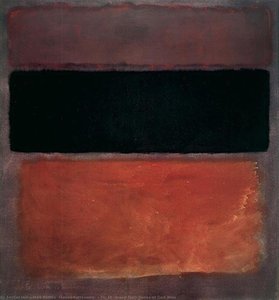
Created in 1964, this powerful work by Mark Rothko exemplifies the pinnacle of Color Field painting and stands as a testament to his lifelong exploration of human emotion through abstract form. Measuring an impressive 264 x 227 cm, the artwork commands attention not through representational imagery, but through its sheer presence and contemplative atmosphere.
Abstract Expressionism & The Power of Color
Rothko was a central figure in the Abstract Expressionist movement, yet he diverged from the gestural energy of artists like Jackson Pollock. Instead, he focused on reducing painting to its most essential elements: color and form. This piece embodies that philosophy, featuring softly blurred rectangular shapes layered within one another. The technique—thin washes of oil paint meticulously applied to build luminous depth—creates a surface that seems to breathe with subtle variations in tone.
Decoding the Visual Language
The composition is strikingly simple: a darker, almost blackish-brown rectangle nested within a surrounding field of maroon and burgundy. This central form isn’t sharply defined; its edges dissolve into the background, fostering a sense of ambiguity and inviting prolonged contemplation. The absence of lines or discernible brushstrokes emphasizes the pure experience of color itself. Rothko deliberately avoided representational imagery, believing that abstract forms could more directly access universal human emotions.
Historical Context & Artistic Intent
Emerging in the post-World War II era, Rothko’s work often grappled with themes of tragedy, existentialism, and spirituality. While he resisted definitive interpretations, his paintings are frequently seen as explorations of profound emotional states – grief, loss, and transcendence. He famously rejected commissions that would place his art within commercial spaces, believing they diminished the intended immersive experience. His Seagram Murals, ultimately donated to the Tate Gallery, exemplify this commitment to preserving the integrity of the artwork’s emotional impact.
Symbolism & Emotional Resonance
The somber palette and minimalist composition evoke a sense of quietude and introspection. The dark central rectangle can be interpreted as a void, a window into another realm, or simply a space for personal reflection. Rothko aimed to create paintings that were not *about* anything specific, but rather *were* emotional experiences in themselves. This artwork’s power lies in its ability to bypass intellectual analysis and connect directly with the viewer's subconscious.
A Statement Piece for Modern Interiors
This reproduction captures the nuanced color variations and subtle textures of the original, making it a compelling addition to any modern or contemporary space. Its large scale creates a focal point that invites contemplation, while its subdued palette complements a variety of interior design schemes. Whether displayed in a living room, study, or gallery-style setting, this artwork promises to inspire conversation and evoke a lasting emotional response.
Q&A
No. 4は手描きですか、それともプリントですか?
手描きによる制作:熟練した画家が、リネンキャンバスに油彩でNo. 4を模写します。
No. 4のサイズはどれを選べばよいですか?
原画のサイズは264 x 227 cmです。 サイズは34.2 x 29.2 cm (¥34881)から248.3 x 212.1 cm (¥342280)まで展開しております。こちらのページ内の表に、主な工程とそれぞれの価格を記載しています。
配送にはどのくらいの時間がかかりますか?
配送には4〜5週間を要し、世界中どこへでも速達便にて無料でお届けいたします。また、本ページではお急ぎの方向けの特急制作オプションもご用意しております。商品は、理由を問わず100日以内であれば全額返金での返品が可能です。
マーク・ロスコはNo. 4の制作にどのような画材(メディア)を使用しましたか?
キャンバスにアクリル絵具
 設置イメージを表示

 シェアする
 シェアする
 詳細を見る
 解説シート


 ダウンロード
 似ている作品
 X線調査
 スライドショーを表示
 Q&A

 統計情報