

 設置イメージを確認
 送る
送る シェア
シェア
 詳細情報
詳細情報 ガイドを表示

 画像をダウンロード
 似ている作品
 X線調査
X線調査 スライドショー
 統計情報
統計情報Forest Landscape
 Northern Renaissance
 1598
1598 42.0 x 61.0 cm
 リヒテンシュタイン美術館
 続きを読む
続きを読む
オンラインプレビューをはるかに凌ぐ、高解像度で鮮明なデジタル画像をご購入いただけます。
各ファイルは、社内の専門家が高度なツールと熟練した手作業によるレタッチを駆使し、細心の注意を払って仕上げています。すべての画像において、卓越した鮮明度、正確な色彩再現性、そして繊細なディテールをお約束いたします。
最終ファイルは、プロフェッショナルな編集・印刷環境ですぐにご利用いただけるよう最適化された状態で、72時間以内にメールにてお届けいたします。これは、一流のデザインスタジオ、出版社、ギャラリーから信頼されているものと同等の品質です。
デジタル画像
個人での鑑賞、印刷、クリエイティブなプロジェクトにご利用いただける高解像度ファイルをダウンロードできます。 ( プリント版に切り替え 手描きの複製画を注文する)
デジタル画像のご注文に付随する特典
プロフェッショナルなデジタル配信を、確かな品質で。
OriginalUniqueArt.com を選ぶことは、単に画像を手に入れることではありません。プロの手によって精密に仕上げられ、満足保証が付いた高品質なデジタルアートワークを受け取ることを意味します。ご注文いただいた際に自動的に付随する内容は、以下の通りです:

メールですぐにお届け
ご注文から72時間以内に、高解像度のデジタル画像ファイルをメールでお送りいたします。お手元に届き次第、すぐにご利用いただけます。

AI技術で最適化されたデジタルファイル
お客様の作品は、高度なAI技術と専門家による手作業を組み合わせてプロフェッショナルに最適化されており、細部のディテール、鮮明さ、そして正確な色再現性を最大限に引き出しています。

一生涯無料の再送サービス
ファイルを誤って削除したり、紛失してしまったりしましたか?ご安心ください。いつでも無料で再送いたします。

輸入手数料は、いつでも一切かかりません
関税や手数料、配送料を気にすることなく、お気に入りのアートワークをすぐにお楽しみいただけます。デジタルダウンロードは常に免税です。

正確な色彩の保証
プロ仕様のツールとカラーマネジメント技術を用いることで、デジタル画像が元の色を最大限に忠実に再現することを保証いたします。

100日間満足保証
ご購入いただいたデジタル画像にご満足いただけない場合は、100日以内であれば、理由を問わず修正または100%の返金対応をさせていただきます。

100% 返金保証
ご満足いただけない場合は、デジタルファイルを受け取ってから100日以内であれば、理由を問わず全額返金いたします。

まとめ買い割引
3枚購入で10%OFF、5枚購入で15%OFF、10枚以上のご購入で20%OFF。クリエイティブなプロジェクトやギャラリー、エージェンシーに最適です。
Composition and Color Palette
The painting features a winding path that invites viewers into the heart of the forest, surrounded by dense trees with trunks and branches intertwining to form a canopy overhead. The leaves are painted in various hues of green, adding a touch of life to the otherwise somber palette. In the background, a small village can be glimpsed, creating a sense of depth and distance. Key Features of the painting include:- The use of oil on panel, which lends the artwork a rich texture and depth
- The attention to detail, from individual leaves on the trees to distant houses in the village
- The harmonious balance between light and shadow, nature and civilization
Artist and Style
Gillis Van Coninxloo was a Flemish painter known for his landscapes and forest scenes. His style is characterized by the use of dark colors and intricate details, creating a sense of depth and atmosphere in his paintings. The Forest Landscape painting is a prime example of his skill and craftsmanship. For more information on Gillis Van Coninxloo and his artworks, visit /art/list/?Filter=8Y34YR-Gillis-Van-Coninxloo-Forest-Landscape. To learn more about the Liechtenstein Museum and its collections, check out /en/art/show/art-8y34yr-en/The Forest Landscape painting is a beautiful representation of a forest landscape from the late 16th century, and its intricate details and harmonious color palette make it a captivating artwork that continues to inspire art lovers today.
よくあるご質問
Forest Landscapeは、ギリス・ファン・コンインクスローのキャリアにおけるどの時期の作品にあたりますか?
ギリス・ファン・コンインクスローの画業において、「Forest Landscape」はLate 16th Centuryに制作されたものです。この時期を知ることで、同アーティストの他の作品との比較検討が可能になります。
拡張現実(AR)を使って、自分の部屋にギリス・ファン・コンインクスロー作「Forest Landscape」を配置して見ることはできますか?
対応するデバイスの拡張現実(AR)機能を使用し、作品のARプレビューページから、ご自身の壁にギリス・ファン・コンインクスロー作「Forest Landscape」をプレビュー表示することができます。
ギリス・ファン・コンインクスロー作「Forest Landscape」 のプリントを購入するにはどうすればよいですか?
ギリス・ファン・コンインクスロー作「Forest Landscape」のプリントは、こちらのファインアートプリントページから直接ご注文いただけます:コットンキャンバスまたはアーカイブ品質のキャンバスペーパーに施されたファインアートプリント
アーティスト・プロフィール
A Master of the Verdant Realm
Gillis van Coninxloo stands as a pivotal figure in the evolution of Northern landscape art, serving as a vital bridge between the intricate Mannerist traditions and the burgeoning atmospheric depth of the early Baroque. Born in Antwerp, Belgium, his life was deeply intertwined with the rich artistic lineage of the Low Countries. The son of a painter, he was immersed in a world where craftsmanship and natural observation were paramount. His early training under masters such as Pieter Coecke van Aelst the Younger and Lenaert Kroes provided him with a rigorous foundation, but it was his time working in the workshop of Gillis Mostaert that truly allowed his talent to flourish, permitting him to contribute to professional works while honing his unique vision.
His journey was one of movement and expansion, reflecting the shifting political and cultural tides of the era. While his career found its roots in Antwerp, the latter portion of his life saw him traversing much of Europe, working in Germany and eventually settling in the Dutch Republic. This nomadic existence allowed his style to absorb various regional influences, ultimately contributing to a sophisticated development of the forest landscape. He became renowned for his ability to transform a mere depiction of woodland into a profound sensory experience, where the viewer is not merely looking at trees, but is invited to step into a living, breathing ecosystem.
The Alchemy of Light and Forest
The true brilliance of Coninxloo lies in his unparalleled mastery of the forest landscape. He possessed a singular ability to manipulate light and shadow—a technique often associated with chiaroscuro—to sculpt the dense thickets and intertwining branches that define his compositions. In works such as his Forest Landscape, one can observe an almost obsessive attention to detail; every vein of a leaf and every texture of bark is rendered with meticulous care. He utilized the medium of oil on panel and copper to achieve a luminous quality, allowing light to filter through a canopy of various greens, creating a sense of atmospheric depth that feels both tangible and ethereal.
Beyond the mere technical execution, his landscapes are imbued with a sense of narrative and quiet symbolism. A winding path might lead the eye toward a distant, humble village or an imposing castle on the horizon, suggesting themes of isolation, protection, or the coexistence of civilization and the wild. His work captures a transition in art history where the landscape ceased to be a mere backdrop for human drama and instead became the protagonist itself. Through his careful construction of light, shadow, and depth, Coninxloo created worlds that invite serene contemplation, leaving an indelible mark on the development of the Dutch and Flemish Golden Age.
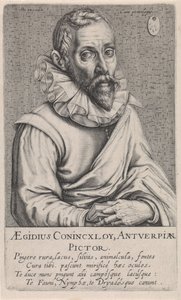
ギリス・ファン・コンインクスロー
1544 - 1606 , イタリア