Northern Renaissance · 1598
Forest Landscape (ギリス・ファン・コーニンクスロー, 1598)
ギリス・ファン・コーニンクスロー (1544–1607)による作品『Forest Landscape』 制作年は1598年です。 Northern Renaissance運動に属しています。 Oil On Panelで制作されています。 ウィーン, オーストリアのリヒテンシュタイン美術館に所蔵されています。 サイズは42 × 61 cmです。
- 1598
- Oil On Panel
- 42 × 61 cm
- リヒテンシュタイン美術館, ウィーン

 設置イメージを表示

 手描き油彩画
 シェアする
 シェアする
 解説シート


 ダウンロード
 似ている作品
 X線調査
 スライドショーを表示
 Q&A

 統計情報
Forest Landscapeの概要
- 作品名
- Forest Landscape
- 作家
- ギリス・ファン・コーニンクスロー (1544–1607)
- 生年
- アントウェルペン, ベルギー
- 制作年
- 1598
- 技法
- Oil On Panel
- サイズ
- 42 × 61 cm
- 展示場所
- リヒテンシュタイン美術館, ウィーン, オーストリア
- 制作年代
- Early Modern
- 主題
- forest landscape, dark woods, path, village view, atmospheric, tranquility
Forest Landscapeには何が描かれていますか?
Identification of the Forest Landscape Artwork
The artwork titled Forest Landscape is a painting by the Flemish artist Gillis Van Coninxloo. Executed in 1598, this work is an oil on panel. The physical dimensions of the piece are 42 x 61 cm. It is currently held within the Liechtenstein Museum in Vienna, Austria.
This specific composition depicts a dense woodland environment. The scene features a winding path that leads into a thicket of trees. The foliage consists of various shades of green, while the trunks and branches create a heavy canopy overhead. In the background, a small village is visible through the gaps in the trees, providing a sense of distance within the forest setting.
The subject matter focuses on the natural world, specifically the textures of bark, leaves, and moss. A single, small human figure is positioned beneath a tree within the landscape. The composition utilizes a dark palette of browns, greens, and ochres to define the wooded area. Light filters through the upper branches, creating a contrast between the shadowed recesses of the undergrowth and the illuminated patches of the clearing.
Composition and Visual Elements
The composition is largely symmetrical, organized around a winding path that leads the eye toward the center of the image. This path cuts through a dense woodland, where the trunks and branches of trees intertwine to form a thick canopy overhead. Only a few small patches of sky are visible through the gaps in the foliage. Within this enclosed space, a single tiny human figure reclines beneath a tree, positioned near the center of the scene. The scale of the trees and the surrounding undergrowth dwarfs the figure, emphasizing the vastness of the natural environment.
Color is concentrated in the various hues of green found in the leaves and the mossy textures of the forest floor. These greens contrast with the dark browns and ochres of the tree trunks and the earth. In the background, a small village is visible through the trees, providing a sense of distance and depth. The lighting creates a chiaroscuro effect, with strong contrasts between the deep shadows of the thickets and the light that filters through the canopy onto the path and the reclining figure.
Technique and Artistic Style
The artist utilized oil on panel to establish a sense of depth and a tangible texture across the surface. The application of paint likely involves multiple layers and glazing, a method used to achieve a specific luminosity within the darker sections of the composition. This technique allows light to appear as though it is filtering through the canopy, creating a chiaroscuro effect through the deliberate placement of light and shadow. The resulting atmosphere is defined by a palette of dark colors and a high degree of intricate detail.
The composition is built upon a dense arrangement of ancient oaks and thick undergrowth. There is a clear priority placed on the textural richness of the natural elements, specifically the bark of the trees, the individual leaves, and the presence of moss. These organic forms are rendered with meticulous care, contributing to the overall density of the woodland scene. The interplay of light and shadow defines the verticality of the trunks and the irregular shapes of the foliage, emphasizing the physical presence of the forest environment.
Artistic Influence and Legacy
Gillis Van Coninxloo occupied a central position in the evolution of Northern landscape art. His technical approach functioned as a bridge between the intricate traditions of Mannerism and the atmospheric depth characteristic of the early Baroque. Through his development of the forest landscape, he moved away from panoramic vistas toward intimate, enclosed woodland scenes. This shift prioritized the textural details of bark, leaves, and moss, often submerging small human figures within an expansive, detailed natural environment.
The influence of his method extended to several prominent painters of the period. Jan Brueghel the Elder and Pieter Schoubroeck were among those affected by his stylistic developments. His approach to dense, immersive woodland compositions also impacted the work of Roeland Savery and various other Flemish and Dutch landscape painters. This specific work, created about 1598, represents his technical skill and craftsmanship in rendering the natural world.
Forest Landscapeは、どの美術館に所蔵されていますか?
リヒテンシュタイン美術館
ウィーン, オーストリア
ウィーン、バロックの絢爛たる輝きを宿す宝石 ウィーンの歴史が息づくリングシュトラーセの中心に、リヒテンシュタイン美術館は静かに、しかし圧倒的な存在感を放って佇んでいます。そこは、守り継がれてきた至宝そのものと同じくらい、一つの傑作と呼ぶにふさわしい空間です。壮麗なリヒテンシュタイン宮殿を舞台としたこの美術館では、貴族的なエレガンスの真髄と、リヒテンシュタイン家が築き上げた深遠な遺産を辿る、没入感あふれる旅へと誘われます。訪れる者がこの宮殿建築に近づくとき、まず出迎えてくれるのは、過ぎ去りし時代の建築美です。金箔が施された軒飾りや、優雅に続く大階段のひとつひとつが、かつての帝国の威信を物語る物語をささやきかけてくるかのようです。ここは単なる芸術の収蔵庫ではありません。私的な遺産と公的な文化への献身が交差する場所であり、コレクターの探究心をも、美術史家の鋭い審美眼をも虜にする、唯一無的な空気を纏っています。 そのコレクション自体が、精緻な職人技と深い象徴性という糸で織り上げられた、ヨーロッパ史の息を呑むようなタペストリーといえるでしょう。この神聖なるホールに足を踏み入れれば、ルネサンス肖像画の繊細な細部から、 バロック様式が放つ劇的で感情豊かな力強さ まで、数世紀にわたる傑作たちが、厳選された物語として目の前に現れます。美術館の所蔵品は、時代の変遷とともに進化してきた美意識や技法を鮮やかに描き出していることで知られており、かつて公爵家が享受していた私的な華やかさを垣間見ることができる稀有な機会を与えてくれます。インテリアデザイナーや美学を愛する人々にとって、このコレクションは尽きることのないインスピレーションの源です。広大な風景画であれ、光と影を追求した親密な習作であれ、それぞれの作品が示す形態への習熟は、古典的な美の基準を今なお定義し続けています。 私的な遺産と公的な献身が交差する場所 リヒテンシュタイン美術館を真に際立たせているのは、公爵家のプライベートなギャラリーが持つ親密さと、世界的な美術館としての学術的な厳格さを融合させる、類まれな能力です。この美術館は単に作品を展示するだけではありません。古の技法と現代的な視点を結びつけることで、歴史的な物語に新たな命を吹き込むような、体験そのものをキュレーションしているのです。ギャラリーを歩を進めるにつれ、歴史の重みと、芸術的革新がもたらす軽やかさが絶妙な均衡を保っていることに気づかされるでしょう。宮殿の建築美が、展示された絵画や彫刻に対する「静かな対話者」として機能し、五感すべてに訴えかける総合的な体験を生み出しているのです。 芸術が国家のアイデンティティに与える深い影響を理解しようとする人々、あるいは洗練された居住空間へのインスピレーションを求める人々にとって、リヒテンシュタイン美術館は比類なき文化的洗練の灯台として存在しています。この美術館は、単に過去を記憶する場所ではなく、以下のような要素を通じて、過去を「肌で感じる」ことができる聖域なのです。 建築の壮大さ: リヒテンシュタイン宮殿という舞台装置が、あらゆる芸術作品を高揚させる劇的な背景となります。 歴史の深み: リヒテンシュタイン家との深い繋がりと、ヨーロッパ貴族の美意識の変遷を辿ることができます。 美的なインスピレーション: 光と影、そして古典的な構図の機微を理解したい人々にとって、完璧に整えられた環境が用意されています。 このウィーンの至宝のいたるところに、まだ見ぬ発見が待ち受けています。それは、 芸術性と高貴さ が永遠に分かちがたく結びついた世界へと、訪れる人々を誘い続けているのです。


Forest Landscapeの高解像度画像

ギリス・ファン・コーニンクスロー, Forest Landscape (1598), リヒテンシュタイン美術館. パブリックドメイン
Forest Landscapeに関するよくあるご質問
現在、ギリス・ファン・コーニンクスロー作「Forest Landscape」はどこで展示されていますか?
ギリス・ファン・コーニンクスロー作「Forest Landscape」はリヒテンシュタイン美術館, ウィーン, オーストリアに展示されています。なお、美術館の掲載情報は複製画ではなく、原画に関するものです。
ギリス・ファン・コーニンクスロー作「Forest Landscape」の制作時期はいつですか?
ギリス・ファン・コーニンクスロー作「Forest Landscape」は1598年に制作されました。
ギリス・ファン・コーニンクスロー作「Forest Landscape」にはどのような技法が用いられていますか?
ギリス・ファン・コーニンクスローは、「Forest Landscape」においてOil On Panelの技法を用いています。この技法が、原画の素材としての性質を決定づけています。
ギリス・ファン・コーニンクスロー作「Forest Landscape」の実寸(サイズ)はどのくらいですか?
「Forest Landscape」の原画のサイズは42 x 61 cmです。原画の寸法は、複製画のサイズをお選びいただく際の参考としてお役立ていただけます。
「Forest Landscape」はどのような内容の作品ですか?
「Forest Landscape」に描かれている主題はforest landscape, dark woods, path, village view, atmospheric, tranquility, nature scene, 16th centuryです。
「Forest Landscape」はパブリックドメインですか?
著作権について、「Forest Landscape」はパブリックドメイン(著作権消滅)です。
「Forest Landscape」の作者は?
「Forest Landscape」はギリス・ファン・コーニンクスローによる作品です。このページでは、ギリス・ファン・コーニンクスローのオリジナル作品についてご紹介しています。
「Forest Landscape」はどの様式に属していますか?
「Forest Landscape」は、Northern Renaissanceの作品です。この様式は、その作品が属する芸術的伝統を示しています。
「Forest Landscape」は、ギリス・ファン・コーニンクスローの画業におけるどの時期の作品にあたりますか?
ギリス・ファン・コーニンクスローの画業において、「Forest Landscape」はLate 16th Centuryに制作されたものです。この時期の作品を知ることで、同アーティストの他の作品との比較検討が可能になります。
アーティスト ギリス・ファン・コーニンクスロー について
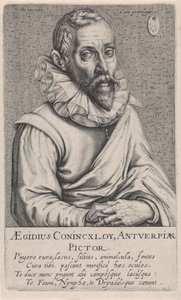
1544–1607, ベルギー
ギリス・ファン・コーニンクスロー
緑豊かな世界の巨匠 ギリス・ファン・コーニンクスローは、北方の風景画の進化における極めて重要な人物であり、複雑なマニエリスムの伝統と、初期バロック期に芽生えつつあった大気の奥行きとを繋ぐ、不可欠な架け橋としての役割を果たしました。ベルギーのアントウェルペンに生まれた彼の生涯は、低地諸国の豊かな芸術的系譜と深く結びついていました。画家の息子として、職人技と自然への観察眼が何よりも重視される世界の中で育った彼は、ピーテル・コーケ・ファン・アールスト(子)やレナールト・クルースといった巨匠たちの下で厳格な基礎を築きました。しかし、彼の才能を真に開花させたのは、ギリス・モスタールトの工房での修行でした。そこでの経験は、プロの作品制作に携わりながら、彼独自のヴィジョンを研ぎ澄ます貴重な時間となったのです。 彼の歩みは、当時の政治的・文化的な潮流を反映するように、移動と拡張の連続でした。キャリアの根幹はアントウェルペンにありましたが、晩年にはドイツへと渡り、最終的にオランダ共和国へと定住するなど、ヨーロッパの広範囲を旅しました。このような放浪の生活によって、彼のスタイルは様々な地域の感性を吸収し、最終的に森林風景画の洗練された発展に大きく寄与することになります。彼は、単なる樹木の描写を深い感覚的な体験へと変貌させる手腕で知られるようになりました。そこでは、鑑賞者はただ木々を眺めるのではなく、生命が息づく生態系の中へと足を踏み入れるような感覚を覚えるのです。 光と森の錬金術 ギリス・ファン・コーニンクスローの真の輝きは、森林風景画における比類なき熟練の技術にあります。彼は、キアロスクーロ(明暗法)として知られる技法を用いて、光と影を自在に操り、画面を定義づける鬱蒼とした茂みや絡み合う枝々を彫刻のように描き出しました。例えば、彼の代表作の一つであるForest Landscapeを見れば、細部に対する執拗なまでのこだわりが伝わってきます。葉の一枚一枚の脈から樹皮の質感に至るまで、すべてが細心の注意を払って描き込まれています。彼はパネルに描かれた油彩や銅板を用い、光が幾重にも重なる緑の天蓋から差し込む様子を表現することで、実体感と空想的な美しさが共存する大気の奥行きを見事に創り出したのです。 単なる技術的な卓越性を超えて、彼の風景画には物語性と静かな象徴性が宿っています。曲がりくねった小道は、遠くに見える慎ましい村や、地平線にそびえる威厳ある城へと視線を導き、孤独、保護、あるいは文明と野生の共存といったテーマを暗示します。彼の作品は、風景が単なる人間ドラマの背景であることをやめ、それ自体が物語の主人公となった美術史における転換点を捉えています。光、影、そして奥行きの緻密な構成を通じて、ギリス・ファン・コーニンクスローは静かな瞑想へと誘う世界を創造し、オランダ・フランドルの黄金時代の発展に消えることのない足跡を残したのです。
ギリス・ファン・コーニンクスローのその他の作品
 Jonah Preaching to the Ninevites1583
 Woodland with Saint Jerome1583
 Landscape with the judgment of Midas1598
 Landscape with the Judgement of Paris1610
Forest Landscapeに関するエッセイ
 French Barbizon paintersMasterpieces by Théodore Rousseau and Daubigny define the Barbizon School. Explore the full collection online at OriginalUniqueArt.com.
 Enchanted Woodlands: 10 Masterpieces That Capture the Magic of the ForestExplore iconic forest art by Shishkin, Klimt, and Van Gogh. Discover museum-quality masterpieces on OriginalUniqueArt.com.
 Mastering the Horizon: An Art Historian’s Guide to the World's Most Iconic Landscape PaintingsExplore the profound history of landscape painting with our expert guide. From Impressionist light to Chinese traditions, discover the tech…