

 設置イメージを確認
 送る
送る シェア
シェア
 詳細情報
詳細情報 ガイドを表示

 画像をダウンロード
 似ている作品
 X線調査
X線調査 スライドショー
 統計情報
統計情報Eve Repentant
 Oil On Canvas
- WallArt
- Symbolist
 1875
1875- 19th Century
 119.0 x 259.0 cm
 テート・ブリテン
 続きを読む
続きを読む
ジークレー/アートプリント
スピーディーな制作と多彩な仕上げオプションが魅力の、ミュージアムクオリティなジークレー・キャンバスプリント。 ( 手描きの複製画を注文する デジタル画像販売へ切り替え)




P118B ¥10

P118H ¥10

P118W ¥10

P438Z ¥10

P508JH ¥12

P508YH ¥12

P805H ¥10

P805Z ¥10

P919BZ ¥10

P919G ¥10

P919XJ ¥10

P959ZH ¥10

P968JZ ¥12

W106C ¥8

W218G ¥10

W218JH ¥8

W218Y ¥10

W307PJ ¥10

W316G ¥10

W316PJ ¥8

W316Y ¥10

W398PJ ¥8

W4111J ¥10

W500HY ¥15

W500JH ¥15

W692G ¥12

W849H ¥8

W940BG ¥15

W953PJ ¥8




作品のオリジナル比率に合わせた、当店の規定サイズからお選びください。

額縁や壁のスペースに合わせて、ご希望の幅と高さを入力してください。プリントはカットすることは可能ですが、元の画像より大きくすることはできないため、異なる比率のサイズを選択された場合は、画像の一部が欠けることになります。印刷を開始する前に、内容を確認していただくためのデジタルモックアップをお送りいたします。このページに表示されている画像は、実際のカット後の状態を示すものではありません。実際の仕上がりはモックアップにてご確認ください。


 ガラスオプションは、110cm未満のサイズでのみご利用いただけます。

Eve Repentant
ジークレー/アートプリント
複製画サイズ一覧
-


合計金額
¥ 12695
A Vision of Sorrow and Spiritual Awakening
In the quiet, evocative depths of George Frederic Watts’ “Eve Repentant,” completed around 1875, viewers are invited into a profound moment of psychological and spiritual vulnerability. As a cornerstone of Victorian Symbolism, this masterpiece transcends a mere biblical illustration; it is an intimate exploration of the human condition, capturing the heavy weight of regret and the flickering light of redemption. The painting presents Eve not as a figure of triumph or simple sin, but as a soul caught in the transformative process of repentance. Her slumped posture and bowed head convey a palpable sense of grief, drawing the observer into a shared experience of mourning and introspection that remains deeply resonant even a century and a half later.
The composition is masterfully orchestrated to guide the emotional journey of the viewer. Watts utilizes a deliberate asymmetry, centering the focus on Eve’s delicate yet burdened form. The surrounding forest setting, while providing a naturalistic backdrop, serves a much deeper symbolic purpose. Amidst the shadows of her despair, two birds appear—one perched upon her shoulder and another hovering nearby—acting as celestial messengers of hope and consolation. These subtle elements suggest that even in the depths of loss, the possibility of spiritual awakening remains ever-present, making the piece an enduring symbol of resilience for any collector seeking art with profound philosophical depth.
Mastery of Symbolist Technique and Texture
Technically, “Eve Repentant” is a triumph of the Symbolist aesthetic, where the artist’s brushwork serves the higher purpose of conveying intangible truths. Working with oil on canvas, Watts achieved a luminous, almost ethereal surface texture that breathes life into the skin of his subject and the surrounding foliage. His technique avoids the starkness of realism, opting instead for meticulous yet soft delineations that emphasize Eve's vulnerability. The way light interacts with the contours of her body creates a sense of movement and presence, as if the very atmosphere of the forest is thick with the weight of her emotions.
For the discerning interior designer or art enthusiast, this painting offers an unparalleled opportunity to introduce a sense of narrative gravity and classical elegance into a space. The rich, earthy tones and the intricate interplay of light and shadow provide a sophisticated focal point that can anchor a room with both dignity and mystery. Whether displayed in a quiet study or as a centerpiece in a grand gallery, a high-quality reproduction of this work brings with it the legacy of the House of Life—Watts’ ambitious cycle intended to represent the universal emotions and aspirations of humanity. To possess such a piece is to hold a fragment of Victorian visionary imagination, offering a timeless window into the eternal dance between shadow and light.
よくあるご質問
ジョージ・フレデリック・ワッツ作「Eve Repentant」の形式には、どのような配置が適していますか?
ジョージ・フレデリック・ワッツ作「Eve Repentant」のTall形式は、Living Roomに飾る際におすすめです。作品の形式と空間の調和が、複製画を配置する際の指針となります。
ジョージ・フレデリック・ワッツ作「Eve Repentant」の複製画は、どのような用途に適していますか?
ジョージ・フレデリック・ワッツ作「Eve Repentant」の推奨される用途はAccentです。もちろん、それ以外の用途でもお楽しみいただけます。
「Eve Repentant」の作者は誰で、どの様式に属していますか?
ジョージ・フレデリック・ワッツは、Symbolistのムーブメントの中で「Eve Repentant」を制作しました。
アーティストについて
生い立ちと教育
ジョージ・フレデリック・ワッツは、象徴主義運動における極めて重要な人物であり、1817年2月23日、ロンドンのメリルボーンに生を受けました。彼の幼少期は、繊細な健康状態と、若くしての母との別れという、どこか哀愁を帯びたものとなりました。ピアノ職人であった父は、彼に保守的なキリスト教教育を施すと同時に、『イリアス』をはじめとする古典文学の世界へと導きました。この古典への深い造詣が、後に彼の芸術的スタイルの揺るぎない礎となったのです。輝かしい画業
ワッツの芸術への旅は、わずか10歳でウィリアム・ベーンズに師事し、彫刻を学ぶことから始まりました。その後、18歳でロイヤル・アカデミー・スクールに入学。1837年のアカデミーでの初展示は、その後の多作なキャリアの幕開けとなりました。- 1843年、新国会議事堂の壁画デザインを巡るコンペティションにおいて、彼の描いた「カラクタクス」が第一位に輝きました。
- 続くイタリア滞在(1843-18do47)と、英国大使ヘンリー・フォックスとの交流は、彼の作風に深い影響を与えました。その結実が、1848年に展示されたレディ・ホランドの肖像画に見ることができます。
- 英国への帰国後、彼は国会議事堂のフレスコ画制作を依頼され、1848年から1853年にかけてその壮大な任務を完遂しました。
象徴主義の傑作
ワッツが遺した最も有名な作品には、以下のようなものがあります:- 「希望」や愛と生。これらは「生命の館(ハウス・オブ・ライフ)」と呼ばれる、壮大な象徴的サイクルのための一環として構想されました。
- 1852年から53年にかけて完成した赤十字騎士の勝利(妖精の女王より)は、寓意的な主題における彼の卓越した技量を示しています。
- 1864年に描かれた女優エレン・テリーの肖像画は、被写体の本質を捉える彼の類まれな能力を象徴しています。
受け継がれる遺産
美術界におけるワッツの影響力は、疑いようのないものです。象徴主義運動との結びつき、そして色彩と形態を用いた革新的な表現は、彼を英国美術史における愛すべき巨匠へと押し上げました。OriginalUniqueArt.comでジョージ・フレデリック・ワッツの作品集を見るワッツの作品を収蔵する美術館
- リンカーンズ・イン:彼のフレスコ画「正義、法学者の半円」を展示しています。
- 英国ギルドフォードのワッツ・ギャラリー – アーティスツ・ヴィレッジ:ワッツや他の芸術家たちの作品を保存・継承することに捧げられています。

ジョージ・フレデリック・ワッツ
1817 - 1904 , イギリス
アーティスト情報
- Artistic Movement Or Style: 象徴主義
- Artists Or Movements Influenced By This Artist:
- ロマン主義
- ラファエル前派
- Artists Who Influenced This Artist:
- ウィリアム・ベーンズ
- ヘンリー・フォックス
- Date Of Birth: 1817年2月23日
- Date Of Death: 1904年7月1日
- Full Name: ジョージ・フレデリック・ワッツ
- Nationality: イギリス
- Notable Artworks:
- 希望
- 愛と人生
- 赤十字騎士の勝利
- Place Of Birth: イギリス、メリルボーン
関連記事

The Soul of Impressionism: Why Oil on Canvas Captures Eternal Light and Timeless Emotion
Discover the enchanting alchemy of Impressionism. Explore how the mastery of oil on canvas, through glazing and impasto, captures eternal light and emotion. Perfect for lovers of Monet and Van Gogh seeking the profound depth of hand-painted fine art.

油彩のキャンバス:技法、歴史、そして現代の実践 - 古典美術愛好家へ
油彩の技法、歴史、巨匠たちの秘密を徹底解説。古典美術愛好家向けに、初期フランドル絵画から現代の実践まで深く掘り下げます。OriginalUniqueArtで高品質な複製画やカスタムオーダーも承ります。

Oil on Canvas: A Historical & Technical Exploration of a Timeless Artistic Medium
Explore the rich history & enduring techniques of oil painting on canvas. Discover the science behind its longevity, conservation practices, and contemporary relevance. Expert insights for art enthusiasts.

The Enduring Legacy of Oil on Canvas: Technique, History & Aesthetic Impact
Explore the rich history & techniques of oil painting – from Renaissance masters to Impressionism. Discover pigments, layering methods, and why this timeless medium endures. Expert insights for artists & art enthusiasts.
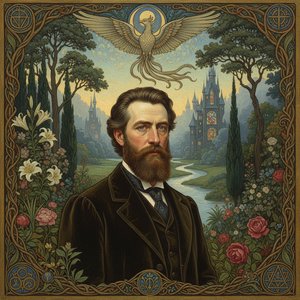
Frederick Waters Watts: A Victorian Vision of Aestheticism & Spiritual Symbolism
Explore the captivating world of Frederick Watts, a key Victorian painter blending aestheticism & spiritual symbolism. Discover his allegorical masterpieces like 'Hope' and delve into his artistic journey with OriginalUniqueArt.