
 シェアする
シェアする シェアする
シェアする
 詳細を見る
詳細を見る

 ダウンロード
 似ている作品
 スライドショー
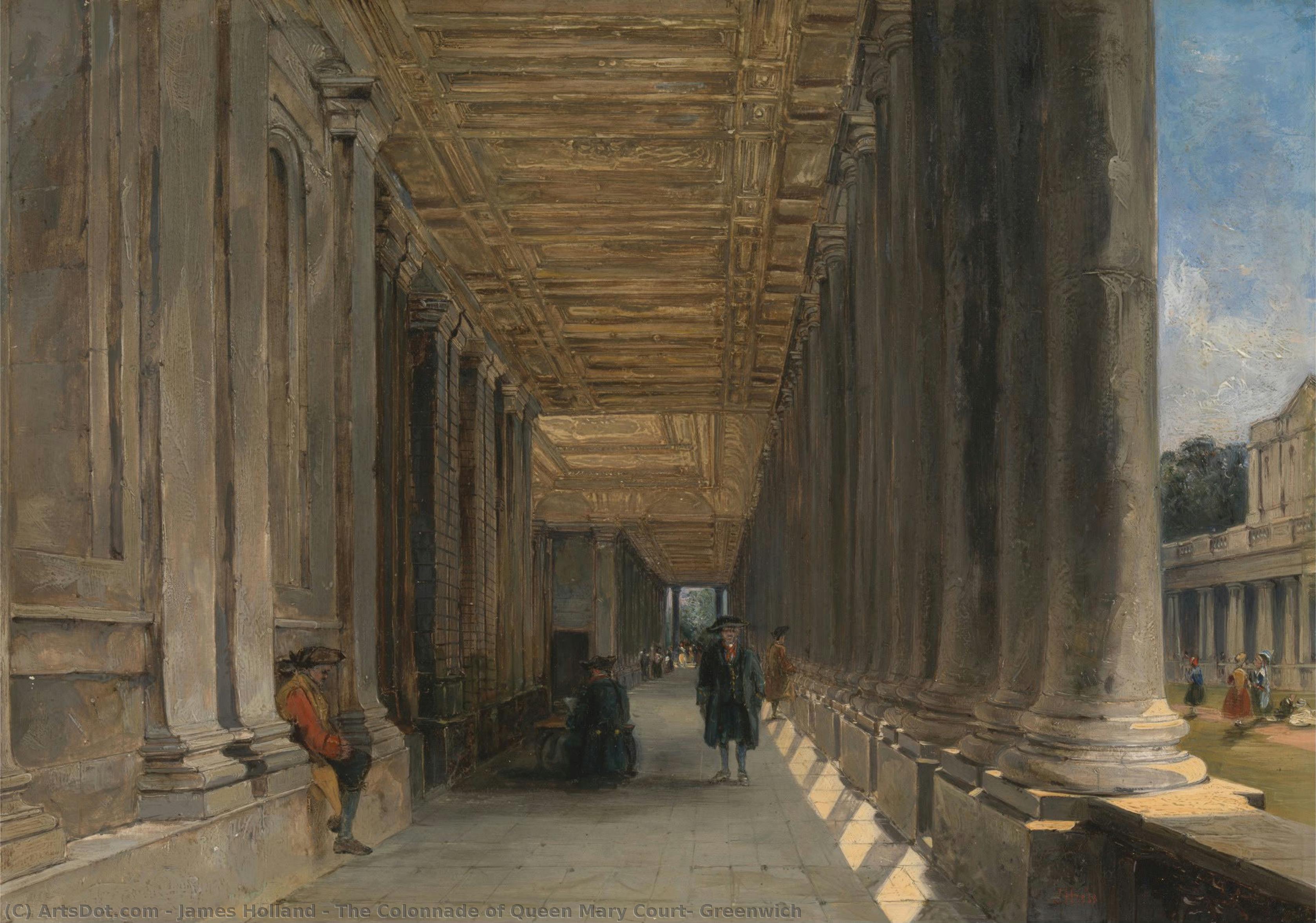
クイーン・メアリー宮殿のコロンネード
 パネルに油彩
- Romantic Landscape Painting
 1833
1833 25.0 x 35.0 cm
 イェール英国美術館
 詳細を見る
詳細を見る
手描き油彩複製画
当社のアーティストが、お客様のご希望のサイズと額縁に合わせて、キャンバスに手描きで制作する油彩画です。 ( プリント版に切り替え 画像に切り替え)




P118B $10

P118H $10

P118W $10

P438Z $10

P508JH $12

P508YH $12

P805H $10

P805Z $10

P919BZ $10

P919G $10

P919XJ $10

P959ZH $10

P968JZ $12

W106C $8

W218G $10

W218JH $8

W218Y $10

W307PJ $10

W316G $10

W316PJ $8

W316Y $10

W398PJ $8

W4111J $10

W500HY $15

W500JH $15

W692G $12

W849H $8

W940BG $15

W953PJ $8




作品のオリジナル比率に合わせた、当店の規定サイズからお選びください。

特定のフレームやスペースに合わせて、ご希望のサイズをご入力いただけます。選択されたサイズが元の画像の比率と異なる場合、アートワークをトリミングするか、手描きで要素を追加して絵画を拡張いたします。デジタルモックアップ を制作し、制作開始前にご確認(承認)をいただきます。
画面上のプレビューは、実際のトリミングや拡張を正確に反映しているものではありません。最終的な構図は、モックアップによってのみ正確にご確認いただけます。
カスタムサイズもご利用いただけますが、元の比率を維持するためには、あらかじめ用意されたリストからサイズを選択することをお勧めいたします。
ご注文後、OriginalUniqueArt.com チームより詳細な指示をお送りするとともに、仕上がりイメージ(モックアップ)をご提供いたします。


 ガラスオプションは、110cm未満のサイズでのみご利用いただけます。

クイーン・メアリー宮殿のコロンネード
複製技法
複製画のサイズ
-


合計金額
$ 300
作品解説
The Colonnade of Queen Mary Court - James Holland の静謐な美しさ
James Holland(ジェイムズ・ホランド、1799年生まれ~1870年没)は、初期のイギリス美術においてひそかに輝いた画家の一人です。彼の作品は、特にスコットランドの農村風景を描いた絵画で知られています。この絵画「コロンネード オブ クイーン メアリー コート」は、その静謐さと繊細な描写が特徴的であり、当時のイギリス美術における独特の雰囲気と美しさを表現しています。 写真の説明:この絵画は、グリーンのウィッチ宮殿のコロンネードを黒白で描いたものであり、歩行者が通路を行き交う様子が目に飛び込んできます。人物は前景に近く、背景には少し遠くに見える人々もいます。また、中央付近に馬が1頭、右側に馬が1頭と見えます。建物は豪華なアーチ構造をしており、絵画全体を広げているように印象的です。この絵画の雰囲気は歴史と優雅さを感じさせます。それはこの歴史的な場所の本質を捉えた作品と言えるでしょう。 サイズ:25 x 35 cm 制作年:1833年 アーティスト情報:エドワード・カルヴェットは、初期のイギリス美術における控えめな巨匠でした。彼の父親チャールズ・ウィルソン・ピールは著名な博物学者であり博物館館長を務めていました。この背景を持つカルヴェットは、父親の博物館での経験が彼の芸術的感覚に大きな影響を与えたと考えられます。彼は特に牛をスコットランドの農村風景に描き込みました。その絵画は洗練された技術と驚くほどの詳細で構成されています。ピール館長の影響を受けたカルヴェットは、自然科学的な観察力と芸術的な才能を併せ持つ人物として知られています。 絵画技法:この作品は油彩技法を用いて制作されており、細密な筆致と色彩表現が特徴です。特にコロンネードのアーチ構造や馬の描写は、当時の建築技術と美術家の観察力を示すとともに、絵画に深みを与えています。画家は、光と影を巧みに使い分け、コロンネードの質感や馬の動きをリアルに表現しています。この技法は、絵画全体に静謐さと優雅さを醸し出す効果があります。 歴史的背景:この絵画はグリーンのウィッチ宮殿が建設された時期に制作されました。グリーンのウィッチ宮殿はイギリス女王メアリー二世の居住地であり、彼女の権威と美しさを象徴する建物です。コロンネードは宮殿の玄関ホールを飾るためのものであり、その壮麗さは当時の建築様式と芸術的なセンスを示すとともに、歴史的な重要性を強調しています。この絵画は、当時の社会情勢や文化的な価値観を反映しており、美術史における貴重な資料と言えるでしょう。コロンネードは単なる建築物ではなく、女王メアリー二世の権威と美しさを象徴するシンボルとして機能しています。 絵画の表現力:この絵画は静謐さと優雅さが特徴的です。画家は光と影を巧みに使い分け、コロンネードの質感や馬の動きをリアルに表現しています。この技法は絵画全体に深みを与え、見る人に感動と美しさを呼び起こします。絵画は単なる風景描写にとどまらず、当時の社会情勢や文化的な価値観を反映しており、美術史における貴重な資料と言えるでしょう。コロンネードの美しいシルエットと馬の力強い動きは、絵画に躍動感と生命力を与えています。この絵画は見る人に歴史と美しさを同時に感じさせます。アーティストの略歴
Edward Calvert: A Quiet Master of the Early 19th Century
The name Edward Calvert might not immediately resonate with art history enthusiasts, yet his contribution to British printmaking and painting during the early 1800s deserves recognition. Born in Greenlaw, Scotland, on September 20, 1799, into a family steeped in artistic tradition – his father, Charles Willson Peale, was a renowned naturalist and museum curator – Calvert’s life unfolded as a fascinating blend of scientific observation and artistic skill. Unlike the flamboyant figures often associated with the era, Calvert's legacy lies in his meticulous depictions of rural life, particularly scenes of cattle on the Scottish countryside, rendered with an understated elegance and remarkable detail.
Calvert’s early education likely involved exposure to his father’s museum, a hub for collecting and displaying specimens. This immersion in natural history undoubtedly shaped his artistic sensibilities, fostering a keen eye for observation and a deep appreciation for the beauty of the natural world. He formally studied at the Royal Academy in Edinburgh, a common path for aspiring artists of the time, honing his technical skills before embarking on his independent career.
A Life Dedicated to Printmaking
Calvert’s primary medium was watercolor and engraving, techniques he mastered with considerable skill. His most celebrated works depict scenes of rural Scotland, specifically cattle grazing in expansive landscapes. These aren't dramatic, heroic portrayals; rather, they are intimate studies of animals in their natural habitat, capturing the subtle shifts of light, texture, and mood. The compositions are often simple, focusing on the relationship between animal and environment, conveying a sense of tranquility and timelessness.
Unlike many artists of his era who sought fame through grand historical or mythological subjects, Calvert’s focus remained firmly rooted in the everyday. This dedication to depicting ordinary scenes—a farmer tending his flock, cattle browsing in a field—is what distinguishes his work and contributes to its enduring appeal. His prints were not intended for large-scale display; they were created for private collections and circulated amongst a discerning clientele who appreciated his quiet mastery.
Influences and Artistic Style
Calvert’s artistic style is often described as ‘rustic’ or ‘deliberately understated.’ He drew inspiration from the works of earlier landscape painters, particularly those associated with the Scottish School of Landscape painting. However, unlike some of his predecessors, Calvert avoided overtly romanticizing nature. Instead, he presented a more realistic and objective view, emphasizing the inherent beauty of the countryside without resorting to sentimental embellishments.
The influence of his father’s scientific pursuits is also evident in Calvert's work. His meticulous attention to detail—the texture of fur, the movement of hooves, the play of light on water—reflects a naturalist’s eye for observation and accuracy. This combination of artistic skill and scientific rigor is what elevates Calvert’s prints beyond mere depictions of scenery; they are carefully constructed studies of animal behavior and the natural world.
Later Years and Legacy
Edward Calvert continued to work as an artist throughout his life, producing a substantial body of prints and paintings. He remained largely unknown during his lifetime, but his work gradually gained recognition in the 20th century, particularly through the efforts of art historians who appreciated its quiet beauty and understated elegance.
Today, Edward Calvert is recognized as one of the most important printmakers of the early 19th century. His depictions of rural Scotland offer a valuable glimpse into a bygone era, capturing the essence of a landscape that has largely disappeared. His legacy lies not in grand gestures or dramatic scenes, but in his quiet mastery of watercolor and engraving—a testament to the enduring power of observation and artistic skill.
Notable Works
- Cattle on the Ridge of a Hill: Perhaps his most famous work, exemplifying his meticulous attention to detail and ability to capture the essence of rural life.
- Shoreham: A quintessential example of Calvert’s style, showcasing his skill in depicting animals within their natural environment.
- Various other pastoral scenes featuring cattle, sheep, and horses, demonstrating a consistent approach to subject matter and technique.
Calvert's work is held in collections at the Tate Gallery in London and other institutions, ensuring that his quiet contributions to British art continue to be appreciated by generations of viewers.

james holland
1799 - 1870
基本情報
- Artistic Movement Or Style: Printmaker, Painter
- Date Of Birth: 20 September 1799
- Date Of Death: 14 July 1883
- Full Name: Edward Calvert
- Nationality: English
- Notable Artworks:
- Cattle on the Ridge of a Hill
- Shoreham / The Ancients
- Place Of Birth: England
関連記事

Sir Alfred Munnings' Masterpieces: 25 Paintings That Define Equine Art | OriginalUniqueArt
Explore 25 iconic Sir Alfred Munnings paintings! Discover the beauty of British Impressionism, equine art & rural England. Find museum-quality reproductions and elevate your home decor with OriginalUniqueArt. Explore the full collection online.

ジェームズ・マクニール・ホイストラー:至高の25選 - 美と調和を求めた芸術家の軌跡 | OriginalUniqueArt
ジェームズ・マクニール・ホイストラーの至高の25選。ノクターン、印象派、美しい色彩に満ちた作品群を紐解きます。OriginalUniqueArtで高品質なアートプリントとインテリアをお楽しみください。名画の世界へ – OriginalUniqueArt.com
クロード・モネ傑作25選:光と色彩の印象派を彩る名画の世界 | OriginalUniqueArt
クロード・モネの傑作25選。印象派を代表する光の画家、モネの世界を旅しませんか?睡蓮や風景画など、名画の背景にある物語と芸術技法をご紹介。OriginalUniqueArtで高品質な複製画とインテリアアートを見つけましょう。全コレクションはこちら。
Gray Masterpieces: 10 Iconic Paintings & Timeless Home Decor Ideas
Explore 10 iconic gray paintings by masters like Rembrandt, Hopper & Whistler. Discover the stories behind these atmospheric artworks and find museum-quality art reproductions for your home decor at . Explore the full collection online.
Chrome Green Masterpieces: 10 Famous Paintings & Their Alluring Hues |
Explore 10 famous paintings where 'Chrome Green' reigns supreme! Discover Monet, Manet & Van Gogh’s masterpieces. Learn the stories behind these iconic artworks and find museum-quality art reproductions for your home at .


