

 設置イメージを確認
 送る
送る シェア
シェア
 詳細情報
詳細情報 ガイドを表示

 画像をダウンロード
 似ている作品
 X線調査
X線調査 スライドショー
 統計情報
統計情報Houqua
 Oil On Canvas
- WallArt
- British Romantic Painting
 1843
1843- 19th Century
 64.0 x 46.0 cm
 メトロポリタン美術館
 続きを読む
続きを読む
ジークレー/アートプリント
スピーディーな制作と多彩な仕上げオプションが魅力の、ミュージアムクオリティなジークレー・キャンバスプリント。 ( 手描きの複製画を注文する デジタル画像販売へ切り替え)




P118B $10

P118H $10

P118W $10

P438Z $10

P508JH $12

P508YH $12

P805H $10

P805Z $10

P919BZ $10

P919G $10

P919XJ $10

P959ZH $10

P968JZ $12

W106C $8

W218G $10

W218JH $8

W218Y $10

W307PJ $10

W316G $10

W316PJ $8

W316Y $10

W398PJ $8

W4111J $10

W500HY $15

W500JH $15

W692G $12

W849H $8

W940BG $15

W953PJ $8




作品のオリジナル比率に合わせた、当店の規定サイズからお選びください。

特定のフレームやスペースに合わせて、ご自身でサイズを指定することも可能です。選択されたサイズが元の画像の比率と一致しない場合、作品をトリミングするか、鏡面反射または単色での塗りつぶしによって画像を拡張いたします。制作を開始する前に、ご確認用のデジタルモックアップをお送りいたします。
画面上のプレビューには、実際のトリミングや拡張は反映されませんのでご注意ください。最終的な構図を正確に確認できるのは、モックアップのみとなります。
カスタムサイズも承っておりますが、元の比率を維持するためには、あらかじめ用意されたリストからサイズを選択することをお勧めいたします。


 ガラスオプションは、110cm未満のサイズでのみご利用いただけます。

Houqua
ジークレー/アートプリント
複製画サイズ一覧
-


合計金額
$ 80
A Glimpse into Mid-19th Century Opulence
In the quiet, dignified presence of George Chinnery’s “Houqua,” we are transported back to the year 1843, a pivotal era of cultural intersection in Southeast Asia. This masterful portrait is far more than a mere likeness of a prominent figure; it is a window into a world where British colonial influence and Chinese mercantile prestige met in a delicate dance of diplomacy and trade. The subject, Houqua, sits with an air of profound composure upon a vibrant crimson couch, his posture radiating the quiet confidence of a man accustomed to both respect and immense responsibility. As one gaz and observes the meticulously arranged interior, there is an immediate sense of being invited into a private moment of aristocratic repose, making this piece an extraordinary centerpiece for any collection that values historical depth and narrative richness.
The artistry of Chinnery shines through his sophisticated use of chiaroscuro, where the dramatic interplay of light and shadow breathes life into the textures of the scene. The artist’s training at the Royal Academy Schools in London is evident in the way he sculpts form through oil on canvas, capturing the heavy, luxurious folds of traditional Chinese attire with breathtaking precision. Every brushstroke serves to highlight the contrast between the soft glow illuminating the subject's face and the deep, velvety shadows that anchor him within his opulent surroundings. For the discerning collector or interior designer, this technique offers a visual depth that commands attention, providing a focal point that changes character depending on the lighting of the room.
Symbolism and the Art of Cultural Exchange
Beyond the technical brilliance, “Houqua” is steeped in symbolic meaning, acting as a visual record of the burgeoning British East India Company’s presence in Asia. The choice of a vibrant red couch is not merely aesthetic; it serves as a powerful anchor for the composition, symbolizing wealth, status, and the vitality of the era's trade routes. Scattered throughout the scene are subtle yet significant nods to Chinese artistic conventions—a vase brimming with delicate blossoms and strategically placed bowls that suggest a refined, cosmopolitan lifestyle. These elements weave a story of cultural exchange, where European oil painting techniques were used to document and romanticize the splendor of the Orient.
The emotional impact of the work lies in its ability to evoke a sense of nostalgia and reverence for a lost age of elegance. There is a palpable stillness in Houqua’s gaze, a meditative quality that invites the viewer to contemplate the complexities of history and the individual lives shaped by global shifts. Whether placed in a grand library, a sophisticated study, or a curated gallery space, a high-quality reproduction of this painting brings with it an atmosphere of intellectual curiosity and timeless grace. It is an investment not just in art, but in a piece of history that continues to resonate with the themes of identity, prestige, and the enduring beauty of human connection.
アーティストについて
初期の生涯と修行(1774-1801)
- 誕生:1774年、イギリスのロンドンにて。
- 家族背景:父はガーニー式速記法の権威でした。
- 芸術教育:ロンドンのロイヤル・アカデミー・スクールで学び、そこで古典的な技法と芸術的原則の基礎を築きました。
- 初期のキャリア:1802年にマドラス(現チェンナイ)へ渡る前、アイルランドにおいて画家として一定の成功を収めていました。
アジアでの生活:インドと中国(1802-1852)
- インドへの移住:1802年にマドラスへ航海し、現地イギリス人コミュニティにおける画家としての地位を確立しました。
- カルカッタでの滞在:カルカッタ(現コルカタ)のイギリス人社会を代表する画家となりました。この時期は、彼のキャリアの中で最も多作かつ影響力に満ちた黄金時代となりました。
- 著名人の肖像画:ジェームズ・アキリーズ・カークパット大佐とその家族をはじめとする名士たちの肖像を描きました。これらの作品は、当時の植民地社会や家族の絆を今に伝える貴重な窓となっています。
- 華南への移動:増大する負債のため、1825年にマカオへと拠点を移しました。
- マカオ時代:ヨーロッパ人商人、中国人居住者、そして船長たちの肖像画を描き続けました。彼のスタイルは、広東の画家ラム・クア(Lam Qua)によって熱心に模倣されました。
- 香港訪問:1846年には半年間にわたり香港を訪れ、誕生したばかりの植民地の様子を詳細な習作として記録に残しました。
芸術的スタイルと技法
- 肖像画への情熱:チニリーは肖像画で最もよく知られており、対象の面影を繊細かつ緻密に捉える手腕に長けていました。
- オリエンタリズムの影響:彼の作品にはオリエンタリズムの要素が反映されており、アジアの主題をヨーロッパ的な芸術的枠組みの中で描いています。しかし、その描写は単なる異国情緒への憧憬にとどまらず、対象に対する深い共感と鋭い観察眼に満ちています。
- 使用された画材:主に油彩と水彩を用い、数多くの鉛筆画も残しています。
- 独特な速記によるメモ:ガーニー式速記法を独自にアレンジし、スケッチの傍らに素早いメモを残していました。これらは、描かれた人物や観察事項に関する極めて価値の高い背景情報を提供してくれます。
- 現地の芸術家からの影響:風景画や日常生活の描写においては、現地の中国的な芸術伝統からも影響を受けていました。
主要な業績と歴史的意義
- 華南における西洋画壇の先駆者:19世紀初頭から半ばにかけて、華南に居住していた唯一の西洋人画家であり、この地域の民衆や風景を記録した比類なき年代記作家でもありました。
- 植民地生活の記録:彼の絵画は、インドやマカオにおけるイギリス植民地生活、そしてヨーロッパ人とアジア人の交流の実態を示す、貴重な歴史的資料となっています。
- 中国美術への影響:チニリーの影響は、彼の肖像様式を取り入れたラム・クアのような現地の画家たちにも及びました。
- 庶民の描写:その作品は、当時の一般の人々の生活を鮮やかに描き出し、過ぎ去った時代の日常を垣間見ることができる稀有な機会を与えてくれます。
- 文学との繋がり:ジェイムズ・クラベルの小説『タイパン』に登場するキャラクター、アリストテレス・クアンスのモデルになったとも言われています。
死と遺産(1852年 - 現在)
- 逝去:1852年5月30日、マカオにて没。旧プロテスタント墓地に埋葬されています。
- コレクション:彼の膨大な素描コレクションは、ヴィクトリア&アルバート博物館や大英博物館(ロンドン)、ピーボディ・エセックス美術館(マサチューセッツ州セイラム)、バーミンガム博物館、香港芸術館、マカオ博物館、マカオ芸術博物館などに収蔵されています。
- 受け継がれる評価:彼の作品の展覧会は国際的に開催されており、その芸術性と歴史的重要性が今なお高く評価され続けています。
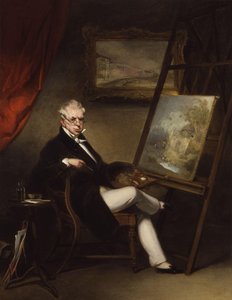
ジョージ・チナリー
1774 - 1852 , イギリス
アーティスト情報
- Artistic Movement Or Style: オリエンタリズム、肖像画
- Artists Or Movements Influenced By This Artist: ['林過']
- Date Of Birth: 1774年1月5日
- Date Of Death: 1852年5月30日
- Full Name: ジョージ・チナリー
- Nationality: イギリス
- Notable Artworks:
- 自画像 (1825)
- マカオ
- 6人の人物の肖像研究
- ミント伯 第1代ギルバート・エリオット
- Place Of Birth: イギリス、ロンドン
関連記事

Raja Ravi Varma: Bridging Tradition & Modernity in 19th-Century Indian Art
Explore the life & art of Raja Ravi Varma, a pioneer who fused European techniques with Indian iconography. Discover his iconic paintings, lasting legacy, and influence on modern Indian art at OriginalUniqueArt.

Sir George Clausen: Capturing Edwardian Life & British Impressionism's Nuances
Explore the luminous world of Sir George Clausen, a leading British Impressionist painter. Discover his captivating scenes of Edwardian life, rural England & poignant war art. Learn about his legacy and find high-quality reproductions at OriginalUniqueArt.
George Hayter: Portraiture, Power & Victorian Society's Canvas
Explore the life & work of George Hayter, Queen Victoria’s Principal Painter. Discover his iconic Victorian portraits, historical masterpieces, and lasting impact on British art history. Learn more at OriginalUniqueArt.

ジョルジュ・ブラック傑作25選:革新的なキュビスムの世界と装飾への誘い
ジョルジュ・ブラックの傑作25選。キュビスムを代表する画家、その革新的な色彩と技法に迫ります。名画から知られざる逸品まで、美術史に残る作品群をOriginalUniqueArt.comで鑑賞。お部屋を彩るアートプリントも多数ご用意。今すぐオンラインでコレクションをご覧ください。

ジョルジュ・スーラ傑作25選:光と色彩の科学が織りなす芸術の世界|OriginalUniqueArt
ジョルジュ・スーラの傑作25選。点描画の光と色彩、印象派から新印象派へ—OriginalUniqueArtで美術史を紐解き、リビングやダイニングを彩る高品質なアートプリントを見つけましょう。セーラ作品集をオンラインで鑑賞ください。