

 設置イメージを確認
 送る
送る シェア
シェア
 詳細情報
詳細情報 ガイドを表示

 画像をダウンロード
 似ている作品
 X線調査
X線調査 スライドショー
 統計情報
統計情報A Woman Seated at a Window
 Acrylic On Canvas
- WallArt
- Dutch Golden Age
 1660
1660 28.0 x 23.0 cm
 メトロポリタン美術館
 続きを読む
続きを読む
手描き油彩複製画
当社のアーティストが、お客様のご希望のサイズと額縁に合わせて、キャンバスに手描きで制作する油彩画です。 ( プリント版に切り替え デジタル画像販売へ切り替え)




P118B $10

P118H $10

P118W $10

P438Z $10

P508JH $12

P508YH $12

P805H $10

P805Z $10

P919BZ $10

P919G $10

P919XJ $10

P959ZH $10

P968JZ $12

W106C $8

W218G $10

W218JH $8

W218Y $10

W307PJ $10

W316G $10

W316PJ $8

W316Y $10

W398PJ $8

W4111J $10

W500HY $15

W500JH $15

W692G $12

W849H $8

W940BG $15

W953PJ $8




作品のオリジナル比率に合わせた、当店の規定サイズからお選びください。

特定のフレームやスペースに合わせて、ご希望のサイズをご入力いただけます。選択されたサイズが元の画像の比率と異なる場合、アートワークをトリミングするか、手描きで要素を追加して絵画を拡張いたします。デジタルモックアップ を制作し、制作開始前にご確認(承認)をいただきます。
画面上のプレビューは、実際のトリミングや拡張を正確に反映しているものではありません。最終的な構図は、モックアップによってのみ正確にご確認いただけます。
カスタムサイズもご利用いただけますが、元の比率を維持するためには、あらかじめ用意されたリストからサイズを選択することをお勧めいたします。
ご注文後、OriginalUniqueArt.com チームより詳細な指示をお送りするとともに、仕上がりイメージ(モックアップ)をご提供いたします。


 ガラスオプションは、110cm未満のサイズでのみご利用いただけます。

A Woman Seated at a Window
再現技法
複製画サイズ一覧
-


合計金額
$ 300
A Window Into Domestic Tranquility: Gabriel Metsu’s “A Woman Seated at a Window”
Gabriel Metsu's "A Woman Seated at a Window," painted circa 1660, stands as a quintessential example of Dutch Golden Age genre painting—a niche-piece meticulously crafted to capture the subtle beauty and contemplative spirit of everyday life. More than just a depiction of a woman indoors, this artwork is laden with symbolic resonance, reflecting prevailing artistic sensibilities and humanist ideals of the era. Gerrit Dou’s influence is palpable in Metsu's masterful illusionistic technique, mirroring the architectural form of a window recess—a stylistic choice that elevates the scene beyond mere representation into an immersive experience for the viewer.Composition & Illusionism: The Art of Mimicking Reality
The painting’s composition immediately draws attention to its central figure – a woman gracefully posed at a windowsill bathed in diffused light. Metsu skillfully employs linear perspective, creating depth within the room and guiding the eye towards the focal point. Supporting this central element are carefully arranged objects—a bowl brimming with fruit, scattered books, and a grapevine climbing upwards—each contributing to the overall atmosphere of serene domesticity. The arched window frame itself reinforces this illusionistic effect, harking back to Dou’s pioneering use of nisstuk format, where artists aimed to convincingly reproduce architectural spaces as if they were actual windows.Color Palette & Texture: Subtle Harmonies and Precise Rendering
The color palette is restrained yet impactful, dominated by muted browns and blacks that establish a grounding backdrop for the scene. However, Metsu introduces warmer hues—primarily reds and yellows within the fruit bowl—and splashes of blue-green from the grapevine, creating visual interest without overwhelming the viewer’s gaze. Crucially, Metsu demonstrates exceptional brushwork, achieving smooth transitions between light and shadow and meticulously rendering textures – from the folds of the woman's dress to the delicate surface of the fruit. This dedication to realism underscores the artist’s commitment to capturing not just what is seen but also how it feels.Symbolism: Beyond Appearance—Psalm 128 and The New Eve
“A Woman Seated at a Window” transcends its visual beauty through layered symbolism rooted in biblical references. The apple held by the woman serves as an allusion to “The New Eve,” representing Mary, symbolizing fertility and divine grace – a motif prevalent in Dutch art during this period. Simultaneously, the birdcage and hearth evoke images of happiness and comfort, echoing Psalm 128’s blessing upon those who cultivate their homes with diligence. These elements collectively convey a humanist vision of domestic life as a cornerstone of spiritual fulfillment.Concluding Impression: A Legacy of Quiet Elegance
Gabriel Metsu's “A Woman Seated at a Window” remains an enduring testament to the Dutch Golden Age’s artistic prowess—a masterpiece that continues to inspire admiration for its meticulous realism, subtle symbolism, and evocative portrayal of human experience. Its quiet elegance speaks volumes about the era’s preoccupation with portraying everyday life with dignity and grace, cementing Metsu's place as one of the most celebrated artists of his time.アーティストについて
生誕と初期の芸術的探求
1629年、オランダのライデンに生まれたガブリエル・メッツュは、その生涯を芸術的な探求と革新に捧げました。メッツュの作品は、豊かな芸術的産出で知られる黄金時代オランダ精神を体現しています。彼の父、ジャック・メッツュはエノール地方出身のタペストリー職人であり画家でもあり、その多様な芸術的背景がガブリエルの初期における様々な技法への関心を育んだと考えられます。ライデンでの生活を通して、彼は多様な文化的影響を受けました。芸術的キャリアと様式
メッツュのキャリアは、特定の様式や技法に固執せず、幅広い表現を追求したことで特徴づけられます。歴史画、静物画、肖像画、風俗画など、様々なジャンルの作品を手がけました。彼の作品の中で日付が確認されているのはわずか14点であり、その創作過程には多くの謎が残されています。初期の作品にはレンブラント・ファン・レインの影響が見られ、特に光と色彩の使い方に顕著です。1655年のアムステルダムへの移住は、メッツュの様式に大きな転換をもたらし、より家庭内部や風俗画に重点を置くようになりました。ミヒール・ファン・ムッシャーやヨースト・ファン・ヘールの育成を通して、彼は芸術コミュニティへの貢献を示しました。象徴性と日常の描写
メッツュの絵画には、若い女性、市場の風景、老人が頻繁に登場し、当時の一般的な寓意を取り入れています。鶏売りはその代表的な例であり、彼の象徴主義を巧みに表現しています。彼は日常生活の中に潜む隠された意味や教訓を描き出すことに長けていました。メッツュは単なる現実の描写にとどまらず、鑑賞者に深い考察を促すような作品を生み出しました。主要な作品と遺産
病気の子供 (1664年頃)は、フェルメールへのメッツュの敬意を示す作品として知られています。また、ヒンロペン家像は、風俗画と肖像画を融合させた傑作であり、彼の卓越した技術と芸術的センスが光ります。これらの作品を通して、メッツュは当時の社会や人々の生活様式を鮮やかに描き出しました。博物館コレクションと歴史的意義
メッツュの作品は、アムステルダム国立美術館をはじめとする様々な美術館に所蔵されています。彼の芸術とその影響についてさらに深く知るためには、他の黄金時代オランダの画家たちの作品も合わせて鑑賞することをお勧めします。ガブリエル・メッツュの生涯と芸術は、オランダ黄金時代の革新的な精神を象徴するものであり、西洋美術史において重要な位置を占めています。彼の作品は、これからも多くの人々に感動を与え続けるでしょう。
ガブリエル・メツ
1629 - 1667 , オランダ
アーティスト情報
- Artistic Movement Or Style: オランダ黄金時代絵画
- Artists Or Movements Influenced By This Artist:
- ミヒール・ファン・ムッシャー
- ヨースト・ファン・ヘール
- Artists Who Influenced This Artist:
- レンブラント・ファン・レイン
- ヨハネス・フェルメール
- Date Of Birth: 1629年
- Date Of Death: 1667年
- Full Name: ガブリエル・メツ
- Nationality: オランダ人
- Notable Artworks:
- 病気の子供
- 家禽売り
- ヒンロペン家の肖像
- Place Of Birth (City And Country): ライデン、オランダ
関連記事

Golden Age Reflections: Dutch Baroque Painting & Cultural Innovation
Explore the Dutch Golden Age of painting! Discover key artists like Vermeer & ter Borch, their innovative techniques, and the rich cultural context behind these Baroque masterpieces. Learn about collecting & appreciating this iconic art period.

黄金世紀の巨匠たち:バロック絵画が彩る10選|OriginalUniqueArt
オランダ黄金時代の10大傑作を紐解く!レンブラント、フェルメール…バロック絵画の魅力と時代背景を深く探求。OriginalUniqueArtで、至高のアートコレクションと空間演出のヒントを見つけよう。高品質なアートプリントで、お部屋を華やかに。
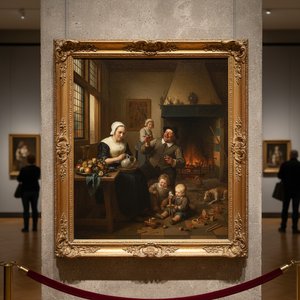
Genre Painting: A Window into Daily Life & Societal Values of the Dutch Golden Age
Explore the captivating world of Dutch Golden Age genre painting! Discover realistic depictions of daily life, masterful artists like Ostade & Metsu, and hidden symbolism. Learn about this influential art movement with OriginalUniqueArt.
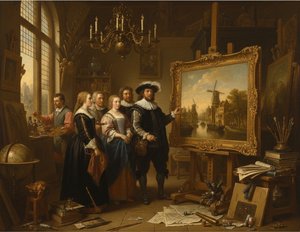
Illuminating Innovation: Exploring the Dutch Golden Age of Painting
Explore the Dutch Golden Age of painting with OriginalUniqueArt. Discover Rembrandt, Vermeer & other Masters. Learn about key characteristics, iconic artworks, and lasting influence. Expert insights for collectors & enthusiasts.
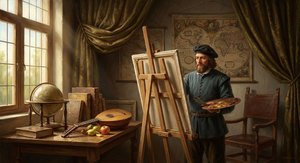
Illuminating Realism: Exploring the Dutch Golden Age of Painting (1600-1700)
Explore the Dutch Golden Age of painting (1600-1700) with OriginalUniqueArt. Discover Rembrandt, Vermeer & other masters. Learn about techniques, history & find museum-quality reproductions.
