手描き複製画を注文する
 詳細を表示







































 いずれかの辺が105 cm(約41インチ)を超えるアートワークまたは複製画の場合、フレームは分解されたキットの状態でお届けいたします。この方法は、輸送中の破損を防ぎ、安全に配送するために採用しております。


Evening Wind: A Portrait of Quiet Contemplation
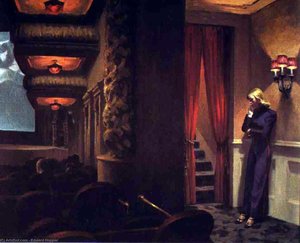
Edward Hopper’s “Evening Wind,” executed in 1930, stands as a quintessential emblem of American Modernism—a deceptively simple image brimming with psychological depth and masterful artistic execution. More than just a depiction of a woman kneeling beside a bed, it's an exploration of solitude, vulnerability, and the unspoken narratives that reside within domestic spaces during the Jazz Age.
- Composition & Perspective: The photograph’s central focus is undeniably the figure seated near the bed. Hopper employs a slightly elevated viewpoint, subtly inviting the viewer into a voyeuristic gaze upon this intimate scene. This perspective emphasizes the woman's isolation and reinforces the feeling of observation—a hallmark of Hopper’s signature style.
- Technique & Material: Crafted primarily through drypoint etching or engraving, “Evening Wind” showcases Hopper’s meticulous attention to detail. The process involved meticulously transferring an image onto a metal plate (typically copper or zinc), etching lines with needle tools, and subsequently applying ink before printing onto paper—a technique that guarantees exceptional tonal control and textural nuance.
- Color Palette & Lighting: Stripped down to a monochrome grayscale scheme, the artwork prioritizes form and tonal contrast. Shades of gray ranging from deep blacks to pale whites dominate the canvas, mirroring the subdued atmosphere of the scene and highlighting Hopper’s masterful manipulation of light and shadow. The unseen source of illumination casts dramatic shadows, accentuating contours and creating a palpable sense of depth.
- Symbolism & Emotional Impact: Beyond its formal qualities, “Evening Wind” resonates with profound symbolic significance. The billowing sheets serve as potent metaphors for emotional turbulence—representing unrest and perhaps hinting at inner turmoil. Simultaneously, the woman’s posture embodies vulnerability and contemplation, prompting viewers to ponder themes of introspection and longing.
- Historical Context: Produced during a period marked by rapid urbanization and societal shifts, “Evening Wind” reflects the anxieties and uncertainties inherent in the burgeoning modern world. Hopper's work aligns with Expressionist tendencies, prioritizing emotional resonance over literal representation—a deliberate choice that captures the essence of human experience amidst the impersonal backdrop of urban life.
“Evening Wind” transcends mere visual aesthetics; it’s a window into Hopper’s artistic vision and his ability to distill complex emotions into a single, unforgettable image. Its enduring appeal lies in its capacity to evoke contemplation and resonate with viewers who appreciate the subtle beauty of understated realism.
Q&A
「Evening Wind」は、Contemporary Realismを代表する有名な作品でしょうか?
Contemporary Realism運動において、「Evening Wind」はIconicの知名度を誇ります。
「Evening Wind」にはどのような主題があり、どのような雰囲気を感じさせますか?
エドワード・ホッパー作「Evening Wind」は、solitude, femininity, interior space, bedtime, darkness, light contrast, domesticity, vulnerabilityを描き出し、Calmな情緒を湛えています。主題と雰囲気が相まって、作品の物語を形作っています。
エドワード・ホッパー作「Evening Wind」にはどのような主題が描かれていますか?
エドワード・ホッパー作「Evening Wind」の描画内容:solitude, femininity, interior space, bedtime, darkness, light contrast, domesticity, vulnerability
この絵画の詳細を見る
 設置イメージを表示

 シェアする
 シェアする
 詳細を見る
 ガイドを表示


 ダウンロード
 似ている作品
 X線調査
 スライドショーを表示
 Q&A
 統計情報