Contemporary Realism
Evening Wind (エドワード・ホッパー)
エドワード・ホッパー (1882–1967)による作品『Evening Wind』 Contemporary Realism運動に属しています。 Etchingで制作されています。
- Etching

 設置イメージを表示

 手描き油彩画
 シェアする
 シェアする
 解説シート


 ダウンロード
 似ている作品
 X線調査
 スライドショーを表示
 Q&A

 統計情報
Evening Windの概要
- 作品名
- Evening Wind
- 作家
- エドワード・ホッパー (1882–1967)
- 生年
- アッパー・ナイアック, アメリカ合衆国
- 技法
- Etching
- 制作年代
- Modern
- 主題
- solitude, femininity, interior space, bedtime, darkness, light contrast
Evening Windには何が描かれていますか?
Identification of Evening Wind by Edward Hopper
The scene unfolds in 1930, a moment frozen in the quietude of Evening Wind. Edward Hopper captures a singular instance of stillness, presenting a portrait of quiet contemplation that feels as though it is happening right now, just beyond the reach of the viewer. The air seems to hold its breath as the subject settles into a private, internal world.
In this work, Edward Hopper focuses on the weight of a single, unspoken thought. The composition centers on a woman, her presence defined by a sense of vulnerability and the soft, restless movement of fabric. It is a study of the human condition caught in a pause, where the external world recedes to make room for the gravity of the individual experience.
Composition and Visual Elements
The scene unfolds from a slightly elevated perspective, as if the viewer is looking down into a private, quiet moment. At the heart of this arrangement, a figure sits kneeling near the edge of a bed. The composition relies on a striking interplay of geometry and movement. Strong vertical lines rise from the bedpost, anchoring the space with a sense of structural permanence. These rigid, upright forms clash against the fluid, contrasting curves of the figure's body and the billowing fabric of the sheets.
A dynamic tension pulls at the eye, caught between the unyielding verticality of the furniture and the restless, sweeping motion of the draped cloth. Behind the woman, the world falls away into a dark, undefined space. This void pushes the subject forward, heightening the sense of isolation within the room. The arrangement directs all attention to the central figure, making the stillness of the woman feel heavy against the sudden, outward surge of the linens.
Technique and Material Details
The artist works with a steady hand, pressing a needle tool into a metal plate to etch fine, decisive lines. This process of drypoint etching or engraving requires a meticulous touch to transfer the image onto the surface, which is typically composed of copper or zinc. Every stroke of the needle carves a path for the ink, preparing the plate for the moment of contact with paper. There is a rhythmic precision in how these marks are laid down, capturing the subtle textures of the scene through sheer physical effort.
Once the plate is prepared, ink is applied across the surface, settling into the grooves and depressions created by the tool. The printing process pulls this ink onto the paper, revealing a world of tonal nuance. To build depth and define the forms of the woman and the billowing fabric, the artist employs extensive hatching and cross-hatching. These dense networks of fine lines create the illusion of shadow and light, allowing the eye to perceive volume and texture where there is only ink and paper. The interplay of these marks gives the sheets a sense of movement and the shadows a palpable weight.
Color Palette and Lighting Effects
The scene unfolds within a strict monochrome grayscale scheme. There is no color to distract the eye, only a deliberate arrangement of light and shadow. Shades of gray stretch from the deepest, ink-like blacks to the palest, most fragile whites. This limited range forces the viewer to focus on the essential architecture of the moment, emphasizing the heavy texture of the fabric and the sharp contours of the room. Every tonal shift defines a shape or a surface, making the interplay of light feel tangible.
An unseen source of illumination cuts through the stillness, casting dramatic shadows that stretch across the space. This light creates a sharp, heavy contrast between the bright highlights and the dark, receding corners. The way the light hits the billowing sheets and the figure's form gives the composition a sense of volume and depth. It is a study in how darkness can define a space just as clearly as the light itself, carving out a sense of presence within the quiet, shadowed interior.
Subject Matter and Emotional Themes
A private moment unfolds in the stillness of a room, centered on a woman kneeling beside a bed. She exists in a state of quiet contemplation, her posture revealing a profound sense of vulnerability. Around her, the sheets billow outward, caught in an unseen movement that suggests a sudden, restless energy. These shifting fabrics act as metaphors for an internal emotional turbulence, mirroring a spirit that cannot find rest even in the sanctuary of a domestic space.
The atmosphere carries a heavy weight of quiet melancholy. There is a palpable sense of solitude here, as if the air itself is thick with unspoken thoughts. The scene invites a feeling of longing, pulling the viewer into a space defined by introspection and the heavy silence of a life lived in the margins of the everyday. One wonders what occupies her mind in this solitary hour, as the shadows deepen around her figure.
Related Works by Edward Hopper
The artist's earlier explorations reveal a steady gaze that began long before this intimate moment. In 1903, an Edward Hopper Self-Portrait captures a younger version of the man who would eventually master the art of stillness. By 1912, the work squam light shows a developing eye for the way illumination interacts with its surroundings. These early pieces hint at the profound ability to find meaning in the quietude of a single scene.
Other works from his career echo the themes of solitude and the subtle tension of human presence. In Night on the El Train, a sense of silence settles between figures, much like the unspoken narratives found in domestic interiors. The artist also turned his attention to simpler, more direct subjects, such as the nautical scene in The Catboat. Each piece reflects a persistent interest in the intersection of physical space and the private, internal experiences of those caught within it.
Evening Windの高解像度画像
Protected by copyright: these files are for personal reference, not a licence to republish.
エドワード・ホッパー, Evening Wind.
Evening Windに関するよくあるご質問
エドワード・ホッパー作「Evening Wind」 の技法(画材)は何ですか?
エドワード・ホッパー作「Evening Wind」の技法はEtchingです。複製画は、この技法の質感や風合いを再現することを目指しています。
エドワード・ホッパー作「Evening Wind」にはどのような主題が描かれていますか?
「Evening Wind」に描かれている主題はsolitude, femininity, interior space, bedtime, darkness, light contrast, domesticity, vulnerabilityです。
「Evening Wind」はパブリックドメインですか?
エドワード・ホッパー作「Evening Wind」は著作権の保護対象ですです。このステータスは、作品画像の複製に関する規定を定めたものです。
「Evening Wind」の作者は誰ですか?
「Evening Wind」の作者はエドワード・ホッパーです。この作品はエドワード・ホッパーの名でカタログに登録されています。
「Evening Wind」はどの様式に属していますか?
エドワード・ホッパー作「Evening Wind」はContemporary Realismに属しています。このムーブメントは、本作の様式的な背景を形作るものです。
Evening Windは、エドワード・ホッパーのキャリアにおけるどの時期の作品にあたりますか?
「Evening Wind」は、エドワード・ホッパーの画業におけるMature Periodに属します。この分類は、作品をアーティストの作風の変遷に関連付けるものです。
エドワード・ホッパー作「Evening Wind」 の著作権状況の根拠を教えてください。
エドワード・ホッパー作「Evening Wind」は著作権の保護対象ですです。著作権の保護期間は、1967年に亡くなった作家の没年から起算されます。
「Evening Wind」は、エドワード・ホッパーのテーマやスタイルとどのように結びついているのでしょうか?
「Evening Wind」はエドワード・ホッパーによるContemporary Realismの作品であり、その描かれたテーマにはrealism, psychological depth, urban isolation, domestic tranquility, hopper’s signature styleが含まれます。
「Evening Wind」は、エドワード・ホッパーが繰り返し描いてきた主題の中でどのような位置を占めているのでしょうか?
エドワード・ホッパーの代表的なテーマであるrealism, psychological depth, urban isolation, domestic tranquility, hopper’s signature styleにおいて、「Evening Wind」はsolitude, femininity, interior space, bedtime, darkness, light contrast, domesticity, vulnerabilityに独自の焦点を当てています。
アーティスト エドワード・ホッパー について
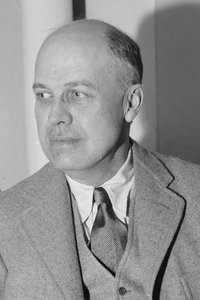
1882–1967, アメリカ合衆国
エドワード・ホッパー
アメリカン・シーンの静寂 エドワード・ホッパーは、アメリカ合衆国のアップ・ナイアックに生を受けました。彼の幼少期は、世界をじっと見つめる観察眼を養う日々であり、その習慣は、日付と署名が丁寧に記された子供時代のスケッチから始まっていました。両親は現実的な選択肢として商業イラストレーターの道を勧めましたが、彼の情熱は純粋芸術へと向かっていました。彼はニューヨーク・スクール・オブ・アートに入学し、ウィリアム・メリット・チェイスやロバート・ヘンリーに師事します。この修行時代は、世界を飾らず、ありのままに描き出すために必要な技術的習熟を彼に授けました。彼はパリで出会った印象派のような、刹那的な筆致を追い求めることはありませんでした。むしろ、群衆の動きよりも、ある瞬間に漂う静止した時間を尊ぶ、独自の視座を築き上げたのです。 彼の作品の多くは、日常的な風景に焦点を当てています。家々、ダイナー、オフィス、そしてホテルの客室。彼は余分な細部を削ぎ落とすことで、その情景の根底にある感情的な真実をあぶり出そうとしました。1925年の傑作線路脇の家では、シンプルな構図の中に、神秘性と孤独感が漂っています。彼は光と影を、単に部屋を説明するための道具としてではなく、情緒を醸成するための手段として用いました。壁に落ちる影の精密な描写や、窓に差し込む光の在り方は、被写体の心理状態を伝える彼独自の言語となったのです。 光と都市の内部空間 空間に差し込む光の在り方は、彼の絵画における中心的な登場人物といえます。1942年の『夜警(Nighthawks)』では、深夜のダイナーから漏れる強烈な蛍光灯の光が、人影のない都市の街路の暗闇を切り裂いています。店内にいる人々は、物理的には近くにありながらも、互いに断絶し、それぞれの思索の中に沈み込んでいるように見えます。こうした、混雑した都市の中にありながら感じる匿名性は、彼の繰り返される重要なテーマとなりました。彼は、公共の場にいながらにして孤独であるという緊張感を捉え、その感覚はオートマットや『小さな街のオフィス』といった作品の中に深く共鳴しています。彼は、人工的な光が夜の自然な暗闇とどのように交錯するかに、深い関心を寄せていたのです。 妻のジョセフィン・ニビソン・ホッパーは、彼の傍らに常に寄り添う存在でした。彼女自身も芸術家であり、しばしば彼のモデルを務めました。彼女の存在感は、彼が描く多くの女性像のキャラクター形成の中に息づいています。二人は質素な生活を送り、夏をニューイングランドで過ごすことも多く、それが彼が描く風景にも影響を与えました。田舎から都市に至るまで、エドワード・ホッパーが描くアメリカの風景は、しばしばある種の荒涼とした空虚さを強調します。それが『ガソリンスタンド』(1940年)の道端の施設であれ、ホテルの静かな一室であれ、主題は常に、物理的な場所と、個人の内面的な経験が交差する地点にあるのです。 観察が遺したもの ホッパーの影響は、映画や文学といった視覚言語の領域にまで及んでいます。構図を通じて心理的な緊張感を生み出す彼の卓越した能力は、イメージを通じて物語を語る手法を研究する多くの人々に注目されてきました。彼の作品は、現在も世界中の主要な美術館に収蔵されており、ホイットニー美術館やボストンのボストン美術館といった名だたるコレクションの一部となっています。彼は壮大な歴史的物語を描こうとしたのではありません。日常の静かな片隅に題材を見出し、ありふれた窓や通り過ぎる見知らぬ誰かを、人間存在の探求へと昇華させたのです。彼の作品は、今なお、人々の間に存在する「静寂」を問い続けています。
エドワード・ホッパーのその他の作品
 夜の客、シカゴ美術館所蔵1942
 オートマット(小)
 線路脇の家1925
 ニューヨーク・ムービー1939
Evening Windに関するエッセイ
 Norwegian artworks of the 1920sNorwegian 1920s art by Edvard Munch and Nikolai Astrup defines an era of expressionism. View the full collection online at OriginalUniqueAr…
 エドワード・ホッパー傑作25選:アメリカの孤独と光影の世界 | OriginalUniqueArtエドワード・ホッパーの傑作25選。アメリカ絵画を代表するモダンアート、孤独と光影の世界を紐解きます。名画「Nighthawks」や「ハウス・バイ・ザ・レールロード」など、美術史に残る作品群をOriginalUniqueArtで高品質複製画としてお楽しみください。インテリアに深み…
 The Incised Line: A Technical and Historical Study of Intaglio PrintmakingMaster the technical nuances of intaglio, from engraving to mezzotint. Explore the history of the recessed line now.