
 プレビュー
プレビュー
 プリントを購入
 シェアする
シェアする シェアする
シェアする
 詳細を見る
詳細を見る

 ダウンロード
 似ている作品
 X線調査
X線調査 スライドショー
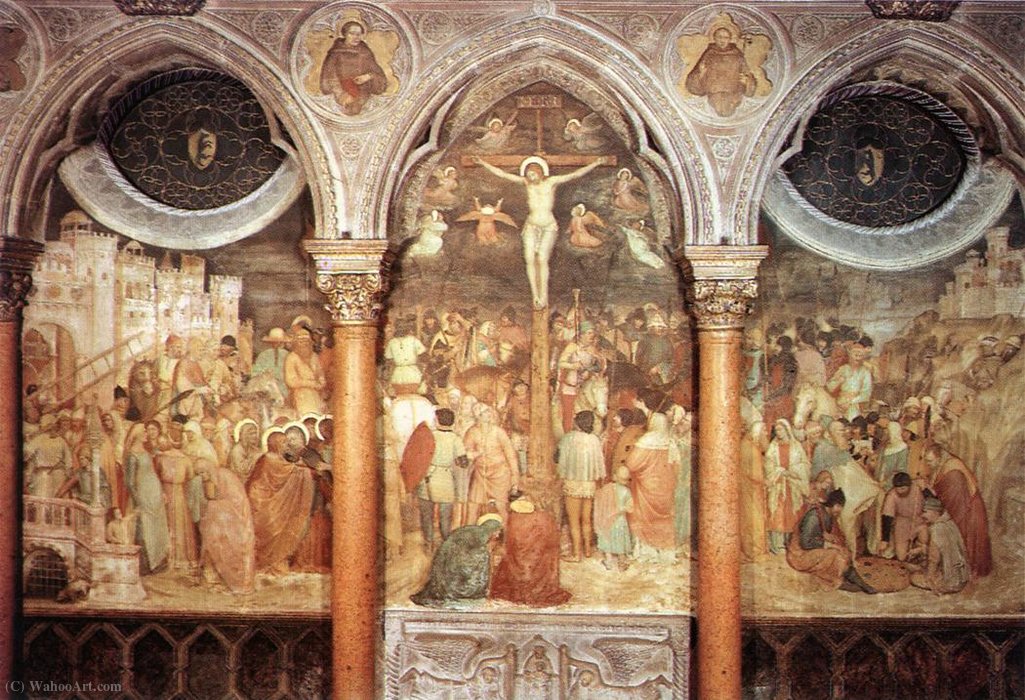
Crucifixion

 詳細を見る
詳細を見る
オンラインプレビューをはるかに凌ぐ、高解像度で鮮明なデジタル画像をご購入いただけます。
各ファイルは、社内の専門家が高度なツールと熟練した手作業によるレタッチを用いて、細心の注意を払って準備されています。すべての画像において、卓越した鮮明度、正確な色彩再現性、そして繊細なディテールを保証いたします。
最終ファイルは、プロフェッショナルな編集・印刷環境ですぐにご利用いただけるよう最適化された状態で、72時間以内にメールにてお届けいたします。これは、一流のデザインスタジオ、出版社、ギャラリーから信頼されているものと同等の品質です。
デジタル画像のご注文に付随する特典
高品質なデジタル画像配信を、確かな品質で。
OriginalUniqueArt.com を選ぶことは、単に画像を手に入れることではありません。それは、プロの手によって精密に仕上げられ、満足保証が付いた高品質なデジタルアートワークを受け取ることを意味します。ご注文いただいた際に自動的に付随する内容は、以下の通りです:

メールですぐにお届け
ご注文から72時間以内に、高解像度のデジタル画像ファイルがメールでお手元に届きます。すぐにそのままご利用いただけます。

AI技術で最適化されたデジタルファイル
お客様の作品は、高度なAIツールと専門家による手作業の編集を組み合わせてプロフェッショナルに最適化されており、細部のディテール、鮮明さ、そして正確な色再現性を最大限に引き出しています。

一生涯無料の再送サービス
ファイルを誤って削除したり、紛失してしまったりしましたか?ご安心ください。いつでも無料で再送いたします。

輸入手数料は一切かかりません
関税や手数料、配送料を気にすることなく、お気に入りのアートワークをすぐにお楽しみいただけます。デジタルダウンロードは常に免税です。

色彩再現の保証
プロ仕様のツールとカラーマネジメント技術を用いることで、デジタル画像が元の色を最大限に忠実に再現することを保証いたします。

60日間満足保証
ご購入いただいたデジタル画像にご満足いただけない場合は、60日以内であれば、修正または100%の返金(理由を問う必要はありません)をさせていただきます。

100% 返金保証
ご満足いただけない場合は、デジタルファイルを受け取ってから60日以内であれば、理由を問わず全額返金いたします。

まとめ買い割引
3枚購入で10%OFF - 5枚購入で15%OFF - 10枚以上購入で20%OFF。クリエイティブなプロジェクト、ギャラリー、エージェンシーに最適です。
作家の略歴
The Master of Veronese Gothic: The Life and Legacy of Altichiero da Zevio
In the twilight of the fourteenth century, as the rigid structures of the Byzantine tradition began to soften under the influence of a new, more humanistic vision, there emerged a painter whose brushwork would define the soul of the Veronese School. Altichiero da Zevio, born near the quiet town of Zevio in Verona around 1330, was not merely a chronicler of sacred events but a pioneer of the Venetian Gothic style. While the biographical shadows surrounding his early years remain somewhat dense, the vibrant frescoes he left behind act as a luminous window into his creative spirit. Scholars often trace the lineage of his genius back to Florence, suggesting that he breathed the same artistic air as Giotto. This connection, likely forged through an intimate study of Giotto’s pupils like Taddeo Gaddi, allowed Altichiero to infuse his work with a profound sense of volume, weight, and narrative clarity that was revolutionary for his time.
The evolution of Altichiero’s artistry is best understood through his monumental contributions to the civic and religious landscapes of Verona and Padua. His early ascent to prominence was marked by the prestigious commission for the Sala del Podestà within the della Scala palace. Here, around 1364, he embarked on an ambitious cycle depicting scenes from Josephus's Wars of the Jews. This project was far more than a decorative endeavor; it was a masterclass in historical storytelling. Through these frescoes, Altichiero demonstrated an uncanny ability to organize complex, multi-layered compositions, transforming cold stone walls into theatrical stages where history and drama converged. His mastery of the narrative fresco established him as a premier storyteller of the Trecento, capable of guiding the viewer's eye through intricate battle scenes and emotional confrontations with seamless grace.
A Symphony of Color and Devotion in Padua
As his reputation expanded beyond the borders of Verona, Altichiero’s journey led him to the intellectual and artistic heart of Padua. It was here that his collaboration with Jacopo d'Avanzi reached its zenith, producing some of the most breathtaking examples of late Gothic art in existence. In the chapel of Saint James at the Basilica of Sant’Antonio, the duo breathed life into the hagiography of Saint James the Elder. These works are characterized by a unique visual dynamism, where religious iconography is wedded to an emerging interest in naturalism and emotional depth. The frescoes do not merely depict saints; they inhabit a world of palpable atmosphere, where the drapery of robes and the expressions of the faithful suggest a reality that is both divine and deeply human.
Perhaps even more intimate is his contribution to the Oratorio di San Giorgio. Often whispered about in the same breath as the Scrovegni Chapel, this small, sacred space serves as a testament to Altichiero’s ability to scale his monumental vision down to a poignant, personal level. Working within this family mausoleum, he and his workshop created a vibrant tapestry of devotion that continues to transport modern visitors back to the dawn of the Renaissance. His work in Padua represents a crucial bridge in art history—a moment where the decorative elegance of the Gothic era began to embrace the structural innovations and psychological complexity that would soon define the Italian Renaissance.
The Enduring Echo of a Venetian Pioneer
Though Altichiero da Zevio passed away around 1390, his influence did not fade with his final breath. He left behind a legacy etched into the very architecture of Northern Italy, providing a foundation upon which future generations of Venetian and Veronese painters would build. His significance lies in his role as a transitional figure; he took the inherited language of the Middle Ages and began to rewrite it with a new vocabulary of space, movement, and human emotion. To study Altichiero is to witness the slow, beautiful metamorphosis of European art, moving away from the static icons of the past toward a more breathing, living world.
The enduring importance of his oeuvre can be summarized through several key artistic pillars:
- Narrative Innovation: His ability to transform historical and biblical texts into sweeping, cinematic fresco cycles.
- Stylistic Synthesis: The successful blending of Florentine Giottesque naturalism with the decorative elegance of the Venetian Gothic.
- Architectural Integration: A profound mastery of using fresco to expand the perceived space of chapels and civic halls.
- Foundational Legacy: Establishing the Veronese School as a distinct and powerful force in the Italian artistic landscape.

altichiero da zevio
1330 - 1390 , Italy
プロフィール概要
- Artistic Movement Or Style: Gothic Art
- Artists Or Movements Influenced By This Artist: Veronese School
- Artists Who Influenced This Artist: Giotto
- Date Of Birth: c. 1330
- Date Of Death: c. 1390
- Full Name: Altichiero da Zevio
- Nationality: Italian
- Notable Artworks:
- Scenes from the Life of St James
- Crucifixion
- Adoration of the Magi
- Place Of Birth: Zoveo bei Verona, Italy

