Anteprima in scala reale
 Invia
Invia Condividi
 Dettagli opera
 Guida
Guida

 Scarica
 Simili
 Radiografia
 Slideshow
 Q&A
Q&A Statistiche
Forest Interior in Autumn


 Espandi i dettagli
Giclée / Stampe d'arte
Stampa giclée o su tela di qualità museale, con produzione rapida e diverse opzioni di finitura. ( Acquista il dipinto realizzato a mano Passa all'immagine digitale)




P118B €10

P118H €10

P118W €10

P438Z €10

P508JH €12

P508YH €12

P805H €10

P805Z €10

P919BZ €10

P919G €10

P919XJ €10

P959ZH €10

P968JZ €12

W106C €8

W218G €10

W218JH €8

W218Y €10

W307PJ €10

W316G €10

W316PJ €8

W316Y €10

W398PJ €8

W4111J €10

W500HY €15

W500JH €15

W692G €12

W849H €8

W940BG €15

W953PJ €8




Scegli tra le nostre dimensioni predefinite, che rispettano le proporzioni originali dell'opera d'arte.

Inserisci la larghezza e l'altezza desiderate, per adattarle alla tua cornice o alla tua parete. Una stampa può essere solo ritagliata, mai resa più grande dell'immagine originale; pertanto, un formato con una forma differente comporterà la perdita di una parte dell'opera. Ti invieremo un mockup digitale da approvare prima di procedere con la stampa. L'immagine mostrata in questa pagina non rappresenta il ritaglio reale — solo il mockup lo mostra.
Consegna in tutto il mondo () in 2 settimane invece delle normali 4/5 settimane. (31 Ottobre)

Spedizione espressa gratuita in tutto il mondo

Tela in lino di alta qualità

Assicurazione completa sulla spedizione

Garanzia di rimborso dei dazi doganali

Garanzia di fedeltà cromatica assoluta

Politica di reso entro 100 giorni (solo per difetti di fabbricazione)

Garanzia di rimborso al 100%

Offerta per acquisti multipli
 L'opzione vetro è disponibile solo per dimensioni inferiori a 110 cm

Forest Interior in Autumn
Giclée / Stampe d'arte
Dimensioni riproduzione
-


Prezzo finale calcolato
€ 71
A Tapestry of Autumnal Splendor
To gaze upon William Trost Richards' Forest Interior in Autumn is to step through a veil into a moment suspended between seasons—a breathtaking immersion into the heart of nature’s magnificent transition. This painting does more than merely depict woods; it captures the very breath of fall itself. The air seems thick with the scent of decaying leaves and damp earth, while the light filters through the canopy in shafts of liquid gold. Richards masterfully orchestrates a scene where every element, from the vibrant crimson foliage to the gentle murmur of the stream, contributes to an overwhelming sense of serene grandeur.
The Artistry of Observation: Technique and Detail
Richards’ approach to landscape painting is marked by a commitment to meticulous observation, a hallmark that distinguishes his work within the tradition of American landscape art. While the emotional resonance of the scene speaks to Romantic sensibilities, the execution reveals an almost scientific fidelity to detail. Observe how the artist renders the texture of bark on the foreground trees, or the delicate scattering of fallen leaves upon the forest floor. The composition itself is a study in balance; the central stream acts as a visual artery, drawing the eye deeper into the painting's depths, while the varied placement of trees creates a natural rhythm that guides the viewer’s gaze effortlessly from the immediate foreground to the hazy distance.
Historical Echoes and Emotional Resonance
Created in 1865, this work emerges from a period when American artists were deeply engaged with defining a national identity through its unparalleled natural beauty. For Richards, nature was not just a backdrop; it was a subject worthy of profound study. The inclusion of the solitary figure near the center adds a poignant human element. This person is not merely placed within the scene; they are absorbed by it, serving as an emotional anchor for the viewer—a silent witness to the cyclical beauty that both comforts and reminds us of time's passage. Autumn, in art, has always symbolized change, maturity, and beautiful decay.
Bringing the Forest Home: For Collectors and Designers
For those who seek to infuse a space with the timeless poetry of the wilderness, a reproduction of this piece offers an unparalleled opportunity. The warm palette—the deep reds, burnt oranges, and rich umbers—possesses an inherent warmth that can transform any room, whether it be a formal drawing-room or a cozy study nook. Its enduring appeal lies in its perfect marriage of vibrant color and profound tranquility. Owning this artwork is not just acquiring a painting; it is curating a permanent portal to the quiet majesty of an autumn day in the American woods.
Domande e risposte
William Trost Richards, autore di "Forest Interior in Autumn", è conosciuto con altri nomi?
Altri nomi registrati per William Trost Richards, autore di "Forest Interior in Autumn", includono W. Trost Richards.
Che posto occupa "Forest Interior in Autumn" all'interno della produzione artistica di William Trost Richards?
All'interno della produzione di William Trost Richards, "Forest Interior in Autumn" si inserisce nello stile Hudson River School, affiancandosi ai temi di hudson river school influence, nature's beauty captured vividly, meticulous detail focus, american landscape tradition.
È disponibile una scheda informativa su "Forest Interior in Autumn" di William Trost Richards per gli studenti?
La pagina Schede didattiche di "Forest Interior in Autumn" di William Trost Richards offre una scheda informativa stampabile su due fogli: l'opera d'arte con la sua tabella identificativa, una linea temporale decennale che la colloca nel periodo di vita dell'artista, altre opere dello stesso autore, la tavolozza dei colori misurata e citazioni pronte da copiare in quattro stili diversi.
Biografia dell'artista
Primi anni e formazione
William Trost Richards, un importante artista paesaggista americano, nacque il 14 novembre 1833 a Filadelfia, Pennsylvania. Tra il 1850 e il 1855, studiò part-time con l'artista tedesco Paul Weber mentre lavorava come progettista e illustratore di lavori in metallo ornamentale.Carriera artistica
La sua prima esposizione pubblica fu parte di una mostra a New Bedford, Massachusetts, organizzata dall'artista Albert Bierstadt nel 1858. Nel 1862, fu eletto membro onorario della National Academy of Design e accademico nel 1871. Richards trascorse gli estati sulla costa orientale per sei anni dopo il suo ritorno da un viaggio di un anno in Europa nel 1866.Opere notevoli e stile
Richards produsse molte opere acclamate, tra cui vedute acquerellate delle White Mountains, diverse delle quali si trovano ora nella collezione del Metropolitan Museum of Art. Le sue opere sono oggi esposte in molti importanti musei americani, tra cui la National Gallery, il Saint Louis Art Museum e lo Smithsonian American Art Museum. Lo stile di Richards è caratterizzato da resoconti fattuali meticolosi, rifiutando l'approccio romanticizzato di altri pittori della Hudson River School. Le sue vedute delle White Mountains sono quasi fotografiche nel loro realismo.Eredità
La figlia di William Trost Richards, Anna Richards Brewster, divenne anch'essa una pittrice. Le opere di Richards si possono trovare in vari musei, tra cui quelli menzionati sopra e il Thyssen-Bornemisza Museum e il Crystal Bridges Museum of American Art. Date importanti: * 14 novembre 1833: nato a Filadelfia, Pennsylvania * 1862: eletto membro onorario della National Academy of Design * 1871: eletto accademico * 8 novembre 1905: deceduto a Newport, Rhode Island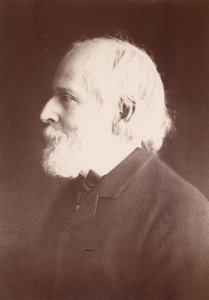
William Trost Richards
1833 - 1905 , Stati Uniti d'America
Dettagli rapidi
- Artisti Influenti:
- Paul Weber
- Albert Bierstadt
- Data Di Nascita: 14 novembre 1833
- Luogo Di Nascita: Filadelfia, USA
- Movimento Artistico: Hudson River School
- Nazionalità: Americana
- Nome Completo: William Trost Richards
- Opere Notevoli: ['Lago Avernus']
- Stile Artistico: Realismo, Watercolor
Articoli correlati
Capturing the American Spirit: A Journey Through Iconic Landscapes and the Legacy of the Hudson River School
Explore the profound beauty of American art history. From the Hudson River School to iconic landscapes, discover a curated journey through the masterpieces that defined a nation's spirit and the enduring legacy of American Romanticism.

Wild & Untamed: The High-Impact Energy of American Romanticism and the Hudson River School
Experience the raw power of American Romanticism. Explore the high-impact energy of the Hudson River School through premium, hand-painted oil reproductions that capture the sublime beauty and untamed spirit of the American wilderness for discerning collectors.
I 10 Capolavori della Scuola del Fiume Hudson: Arte, Storia e Decorazioni Raffinate
Esplora i 10 capolavori della Scuola del Fiume Hudson: Cole, Church e Bierstadt. Scopri la storia, le tecniche e l'emozione di questi iconici paesaggi americani. Trova riproduzioni artistiche di alta qualità su OriginalUniqueArt.com!
Epic Landscapes & Wild Nature: The Power of the Hudson River School's Sublime Artistry
Explore the breathtaking power of the Hudson River School. Journey through epic American landscapes, from Thomas Cole's sublime vistas to Luminist light, and discover how these timeless masterpieces continue to inspire modern collectors and art lovers worldwide.

The Sublime Landscape: Exploring the Hudson River School Movement
Explore the captivating world of the Hudson River School! Discover the history, artists, and defining characteristics of this iconic American art movement. Learn about Romanticism's influence & find inspiration for your collection.