 Anteprima in scala reale
 Condividi
 Condividi
 Dettagli
 Guida stampabile

 Scarica
 Articoli simili
 Radiografia
 Slideshow
 Statistiche
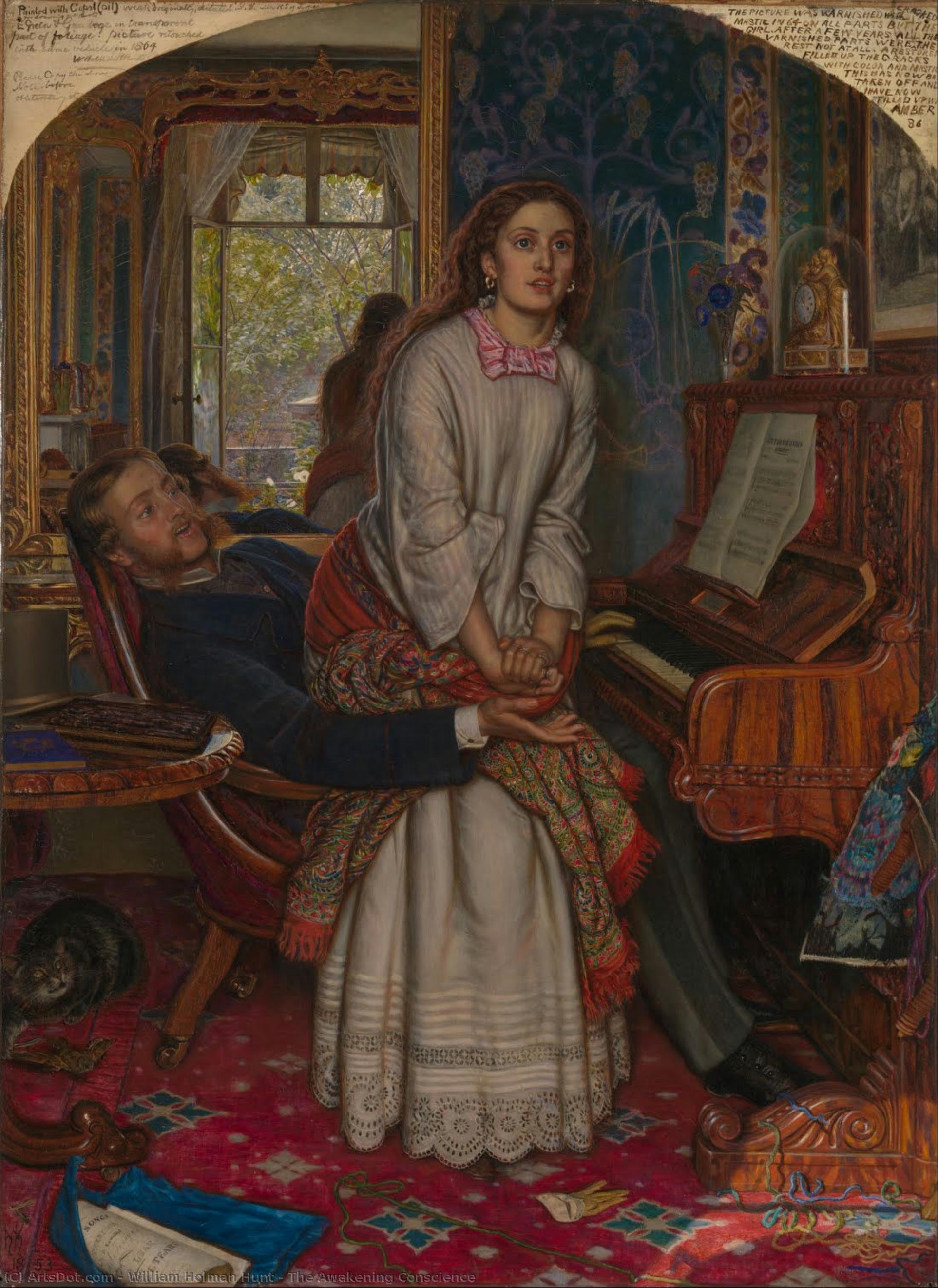
The Awakening Conscience
 Oil On Canvas
- WallArt
- Pre-Raphaelite Brotherhood
 1853
1853 55.0 x 76.0 cm
 Tate Britain
 Leggi tutto
Riproduzione a olio fatta a mano
Olio su tela dipinto a mano nelle tue dimensioni e con la tua cornice, realizzato su ordinazione dai nostri artisti. ( Passa alle stampe Passa all'immagine digitale)




P118B €10

P118H €10

P118W €10

P438Z €10

P508JH €12

P508YH €12

P805H €10

P805Z €10

P919BZ €10

P919G €10

P919XJ €10

P959ZH €10

P968JZ €12

W106C €8

W218G €10

W218JH €8

W218Y €10

W307PJ €10

W316G €10

W316PJ €8

W316Y €10

W398PJ €8

W4111J €10

W500HY €15

W500JH €15

W692G €12

W849H €8

W940BG €15

W953PJ €8




Scegli tra le nostre dimensioni predefinite, che rispettano le proporzioni originali dell'opera d'arte.

Inserisci la larghezza e l'altezza di cui hai bisogno, per adattarle alla tua cornice o alla tua parete. Trattandosi di un'opera dipinta a mano, in caso di dimensioni con una forma differente, l'artista può dipingere un po' più oltre i bordi dell'immagine o ritagliare leggermente — la scelta spetta a te. Ti invieremo un mockup digitale da approvare prima che la pittura abbia inizio. L'immagine mostrata in questa pagina non rappresenta il risultato reale — solo il mockup lo fa.
Dopo l'ordine, il team di OriginalUniqueArt.com contatterà il cliente via e-mail per ricevere le istruzioni e fornirà un'anteprima del mockup
Consegna in tutto il mondo () in 3/4 settimane anziché nelle normali 5 settimane. (22 Ottobre). Nessun compromesso sulla qualità.

Spedizione espressa gratuita in tutto il mondo

Tela in lino di alta qualità

Assicurazione completa sulla spedizione

Garanzia di rimborso dei dazi doganali

Garanzia di perfetta fedeltà cromatica

Politica di reso entro 100 giorni (solo per difetti di fabbricazione)

Garanzia di rimborso al 100%

Sconto per acquisti multipli
 L'opzione vetro è disponibile solo per dimensioni inferiori a 110 cm

The Awakening Conscience
Tecnica di riproduzione
Dimensioni della riproduzione
-


Prezzo totale
€ 263
The Awakening Conscience: A Victorian Portrait of Moral Reckoning
William Holman Hunt’s “The Awakening Conscience,” painted in 1853, isn't merely a depiction of a clandestine rendezvous; it’s a meticulously crafted tableau of moral crisis and spiritual awakening, a profound exploration of Victorian sensibilities. This oil-on-canvas masterpiece transcends the conventions of portraiture, offering a window into the anxieties and aspirations of a society grappling with rapid social change and burgeoning religious introspection. Hunt, a founding member of the Pre-Raphaelite Brotherhood, deliberately eschewed the polished idealism of academic art, instead embracing a radical commitment to realism, symbolism, and emotional truth – qualities powerfully evident in this arresting work.
A Scene of Disquiet: Narrative and Composition
At first glance, the painting presents a seemingly straightforward domestic scene: a woman, identified as a fallen woman, sits in the lap of her lover within a lavishly furnished room. However, Hunt’s genius lies in layering multiple narratives and symbolic elements that quickly unravel this initial impression. The setting itself—a recently decorated apartment filled with new furniture, an elaborate tapestry, and gleaming objects—immediately signals a disruption of established order and a transgression against Victorian ideals of domesticity. The woman's posture, initially relaxed, subtly shifts as she turns her head towards the window, drawing the viewer’s eye to the stark contrast between the interior world of temptation and the promise of redemption represented by the vibrant spring garden visible beyond.
- The Lover: Represents worldly indulgence and a source of moral corruption.
- The Woman: Embodies vulnerability, regret, and the potential for spiritual rebirth.
- The Room: Symbolizes the artificiality and superficiality of a life lived outside of genuine faith.
- The Window: Represents an escape from earthly constraints and a pathway to moral awakening.
Symbolism Woven into Reality: Details of Moral Weight
Hunt’s meticulous attention to detail is paramount, imbuing the painting with layers of symbolic meaning. The discarded items scattered around the room—a broken glove, a top hat, a partially finished tapestry—speak volumes about wasted opportunities and shattered dreams. The clock concealed beneath glass serves as a potent reminder of time slipping away, while the music on the piano – Thomas Moore’s “Oft in the Stilly Night” – echoes the woman's lost innocence and longing for a simpler past. The presence of various objects—bells, marigolds, and a star—further reinforces the painting’s moral weight, suggesting both warning and hope. Notably, the mirror reflects not just the room but also the garden outside, emphasizing the allure of a life beyond earthly constraints.
Pre-Raphaelite Vision: Light, Color, and Emotional Resonance
“The Awakening Conscience” is a quintessential example of Pre-Raphaelite aesthetics. Hunt employed rich, saturated colors—deep indigoes, vibrant reds, and luminous greens—to create an intensely atmospheric effect. The use of light is particularly significant; it streams dramatically through the window, illuminating the woman’s face and casting long shadows across the room, highlighting the contrast between darkness and enlightenment. The painting's meticulous detail, achieved through painstaking brushwork and a commitment to naturalistic representation, reflects the Pre-Raphaelites’ desire to capture the beauty and complexity of the world with unprecedented accuracy. The overall effect is one of heightened emotional intensity, inviting viewers to contemplate the profound questions of morality, redemption, and the human condition.
This painting continues to resonate today as a powerful meditation on personal responsibility, spiritual yearning, and the enduring struggle between earthly desires and moral conscience. Reproductions offer a remarkable opportunity to experience the depth and complexity of Hunt’s vision, bringing this poignant portrait into any space with an appreciation for art's ability to provoke thought and inspire reflection.
Domande e risposte
A quale fase dello sviluppo di William Holman Hunt appartiene "The Awakening Conscience"?
"The Awakening Conscience" appartiene al Mature Period della carriera di William Holman Hunt. Questa classificazione riconduce l'opera all'evoluzione dell'artista.
Quale tecnica è stata utilizzata per "The Awakening Conscience" di William Holman Hunt?
La tecnica utilizzata per "The Awakening Conscience" di William Holman Hunt è Oil On Canvas. Le riproduzioni mirano a restituire l'aspetto di questa tecnica.
Quale emozione trasmette "The Awakening Conscience" di William Holman Hunt?
"The Awakening Conscience" di William Holman Hunt trasmette un tono emotivo Melancholic.
Biografia dell'artista
Primi anni e carriera
William Holman Hunt, nato a Londra il 2 aprile 1827, fu un pittore inglese di spicco, noto soprattutto per essere uno dei fondatori della Confraternita Preraffaellita, un gruppo che mirava a rivitalizzare l'arte enfatizzando l'osservazione dettagliata del mondo naturale.Opere significative e stile
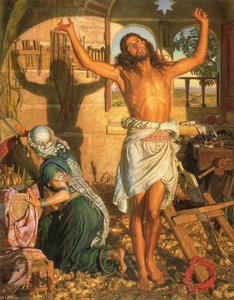
I dipinti di Holman Hunt sono caratterizzati da una grande attenzione ai dettagli, colori vivaci e un simbolismo elaborato. Tra le sue opere più importanti ricordiamo:- The Light of the World (1851-1853), ora nella cappella del Keble College, Oxford, Inghilterra
- The Hireling Shepherd (1851), una scena della vita rurale moderna
- The Awakening Conscience, che mostra il suo successo iniziale con scene naturalistiche intense
- The Scapegoat, The Finding of the Saviour in the Temple e The Shadow of Death, dipinti durante i suoi viaggi nella Terra Santa alla ricerca di materiale topografico ed etnografico accurato.
Vita personale e anni successivi
Hunt si sposò due volte: prima con Fanny Waugh, che pose come modella per diverse sue opere, tra cui Isabella and the Pot of Basil; dopo la sua morte, scolpì il suo monumento funebre a Fiesole. Il suo secondo matrimonio fu con Edith, sorella di Fanny, un legame celebrato all'estero a causa delle leggi britanniche che vietavano il matrimonio con la sorella della moglie defunta. Gli ultimi anni di Hunt furono segnati da una progressiva perdita della vista, che lo costrinse ad abbandonare la pittura. Completò le sue ultime opere importanti con l'assistenza del suo assistente, Edward Robert Hughes. Morì il 7 settembre 1910 e fu sepolto nella cattedrale di San Paolo a Londra.Eredità
Hunt pubblicò un'autobiografia nel 1905 e venne nominato membro dell'Ordine al Merito da Re Edoardo VII nello stesso anno. La sua vita personale è stata successivamente documentata nel libro di Diana Holman-Hunt, My Grandfather, His Life and Loves. La sua influenza sull'arte vittoriana e sul movimento preraffaellita rimane significativa, con opere che continuano ad essere ammirate per la loro bellezza, complessità simbolica e attenzione al dettaglio.
William Holman Hunt
1827 - 1910 , United Kingdom
Informazioni rapide
- Artisti Che Hanno Influenzato Questo Artista:
- John Everett Millais
- Dante Gabriel Rossetti
- Artisti O Movimenti Influenzati Da Questo Artista:
- Estetismo
- Simbolismo
- Data Di Morte: 7 settembre 1910
- Data Di Nascita: 2 aprile 1827
- Luogo Di Nascita: Cheapside, Regno Unito
- Movimento Artistico O Stile: Preraffaelliti
- Nazionalità: Britannico
- Nome Completo: William Holman Hunt
- Opere Notevoli:
- The Light of the World
- Il pastore mercenario
- La Coscienza Risvegliata
- The Scapegoat
Articoli correlati

Dante Gabriel Rossetti: I 25 Capolavori che Definiscono un Maestro del Simbolismo
Esplora i 25 capolavori di Dante Gabriel Rossetti, pittore preraffaellita simbolo del romanticismo vittoriano. Scopri storie, tecniche e colori unici delle sue opere più famose. Trova riproduzioni d'arte di alta qualità per la tua casa su OriginalUniqueArt.com

I Preraffaelliti: Ribellione Estetica e Dettaglio Narrativo nell'Inghilterra Vittoriana
Esplora il movimento preraffaellita con OriginalUniqueArt. Analisi approfondite di Millais, Rossetti e Hunt, tecniche innovative e l'impatto rivoluzionario sull'arte vittoriana. Scopri la bellezza e i dettagli narrativi delle opere più iconiche.
The Pre-Raphaelite Brotherhood: Rebellion, Romance & Medieval Revival
Explore the captivating world of the Pre-Raphaelite Brotherhood! Discover their rebellious spirit, iconic masterpieces & lasting influence on art history. Learn about Rossetti, Millais & more.
The Pre-Raphaelite Brotherhood: Reclaiming Beauty, Nature, and Truth in Victorian Art History
Explore the revolutionary Pre-Raphaelite Brotherhood. Discover how these visionary artists rejected academic tradition to reclaim beauty, nature, and truth through luminous detail and literary depth in Victorian art history.

Pre-Raphaelite Romanticism: A Guide to Vivid Detail and Medieval Beauty in Victorian Art
Explore the vivid detail and medieval beauty of Pre-Raphaelite Romanticism. Discover the history of masters like Rossetti and Millais through our expert guide to Victorian art, perfect for collectors and professionals seeking authentic, museum-quality reproductions.