Anteprima in scala reale
 Invia
Invia Condividi
 Dettagli opera

 Scarica immagine
 Simili
 Radiografia
 Slideshow
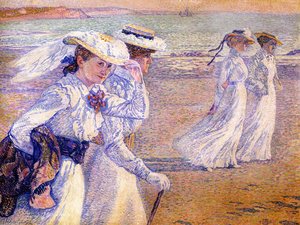
Octave Maus Reading
 Oil On Canvas
- WallArt
- Post-Impressionism
 1883
1883- 19th Century
 55.0 x 38.0 cm
 Musée d’Ixelles
 Espandi i dettagli
Giclée / Stampe d'arte
Stampa giclée o su tela di qualità museale, con produzione rapida e diverse opzioni di finitura. ( Acquista il dipinto realizzato a mano Acquista immagine)




P118B $10

P118H $10

P118W $10

P438Z $10

P508JH $12

P508YH $12

P805H $10

P805Z $10

P919BZ $10

P919G $10

P919XJ $10

P959ZH $10

P968JZ $12

W106C $8

W218G $10

W218JH $8

W218Y $10

W307PJ $10

W316G $10

W316PJ $8

W316Y $10

W398PJ $8

W4111J $10

W500HY $15

W500JH $15

W692G $12

W849H $8

W940BG $15

W953PJ $8




Scegli tra le nostre dimensioni predefinite, che rispettano le proporzioni originali dell'opera d'arte.

È possibile inserire dimensioni personalizzate per adattare l'opera a una cornice o a uno spazio specifico. Se la dimensione selezionata non corrisponde alle proporzioni dell'immagine originale, procederemo al ritaglio dell'opera o all'estensione dell'immagine con un bordo specchiato o a tinta unita. Un mockup digitale ti verrà inviato per approvazione prima dell'inizio della produzione.
Si prega di notare che l'anteprima a schermo non riflette il ritaglio o l'estensione effettivi. Solo il mockup mostrerà accuratamente la composizione finale.
Sebbene siano disponibili dimensioni personalizzate, si raccomanda di selezionare una dimensione dall'elenco predefinito per preservare le proporzioni originali.
Consegna in tutto il mondo () in 2 settimane invece delle normali 4/5 settimane. (27 Agosto)

Spedizione espressa gratuita in tutto il mondo

Tela in lino di alta qualità

Assicurazione completa sulla spedizione

Garanzia di rimborso dei dazi doganali

Garanzia di fedeltà cromatica

Politica di reso entro 60 giorni (solo per difetti di fabbricazione)

Garanzia di rimborso al 100%

Offerta per acquisti multipli
 L'opzione vetro è disponibile solo per dimensioni inferiori a 110 cm

Octave Maus Reading
Giclée / Stampe d'arte
Dimensioni riproduzione
-


Prezzo totale calcolato
$ 80
Octave Maus Reading: A Portrait of Quiet Contemplation by Theo van Rysselberghe
Theo van Rysselberghe’s 1883 painting, “Octave Maus Reading,” is more than just a portrait; it's an invitation to pause and observe the profound beauty of stillness. Housed within the Musée d'Ixelles in Brussels, this oil on canvas offers a glimpse into the private world of a gentleman lost in thought, rendered with the artist’s signature blend of realism and evocative light. Measuring 55 x 38 cm, the painting immediately draws the viewer in with its serene atmosphere and meticulous attention to detail.
- Subject Matter: The central figure, Octave Maus, is depicted seated comfortably in a chair, absorbed in reading – whether a book or newspaper remains subtly ambiguous. This simple act of reading becomes imbued with significance, representing intellectual pursuit, introspection, and the quiet pleasures of solitude.
- Technique & Style: Van Rysselberghe’s masterful use of warm earth tones—ochres, browns, and muted reds—creates a sense of deep comfort and tranquility. His brushwork is delicate yet precise, allowing light to softly illuminate the subject's face and clothing, contributing to the painting’s overall feeling of intimacy. The artist’s approach aligns perfectly with his post-impressionist style, prioritizing emotional resonance over strict representation.
Historical Context & Artistic Influences
Created during a period of significant artistic transition – bridging the late 19th century and the dawn of the 20th – “Octave Maus Reading” reflects the evolving tastes of the time. Van Rysselberghe, influenced by Impressionism’s focus on light and color, and Neo-Impressionism's use of complementary hues, sought to capture not just a likeness but also an emotional state. His Belgian artistic training at the Academy of Ghent under Theo Canneel provided him with a solid foundation in traditional realism, which he then skillfully adapted to his own unique vision. The inclusion of details like the dining table and scattered books adds depth to the scene, suggesting a space of intellectual engagement and leisurely contemplation – a common theme within Belgian artistic circles of the era.
Symbolism & Emotional Impact
Beyond its realistic depiction, “Octave Maus Reading” possesses a subtle symbolic weight. The act of reading itself is laden with meaning, representing knowledge, escape, and perhaps even a yearning for something beyond the immediate present. The carefully arranged background – the two chairs, the clock, and the scattered books – contributes to the painting’s sense of order and tranquility, reinforcing the feeling of peaceful contemplation. Van Rysselberghe's ability to evoke such a profound emotional response through seemingly simple subject matter is a testament to his artistic skill and sensitivity.
Owning a Piece of Art History
Handmade oil painting reproductions of “Octave Maus Reading” are now available from OriginalUniqueArt.com, offering art lovers the opportunity to bring this captivating post-impressionist masterpiece into their homes or offices. These meticulously crafted reproductions capture not only the visual details but also the emotional essence of Van Rysselberghe’s original work. Whether you're a seasoned collector, an interior designer seeking a touch of timeless elegance, or simply someone who appreciates beautiful art, this reproduction provides a unique and accessible way to experience the legacy of Theo van Rysselberghe.
Biografia dell'artista
**Primi anni e formazione**
Theo van Rysselberghe, figura di spicco della scena artistica europea alla fine del XIX secolo, nacque il 23 novembre 1862 a Gand, in Belgio, da una famiglia borghese francofona. Iniziò il suo percorso artistico sotto la guida di Theo Canneel all'Accademia di Gand e successivamente studiò all’Académie Royale des Beaux-Arts di Bruxelles dal 1879.**Evoluzione artistica e influenze**
Il primo lavoro di van Rysselberghe, come Ritratto con pipa (1880), era caratterizzato da colori cupi, che riflettevano la tradizione realista belga dell'epoca. Tuttavia, il suo dipinto Bambino in una radura del bosco (1880) segnò una rottura con questo stile e un primo passo verso l’impressionismo. I suoi successivi viaggi in Marocco (1882-1888) influenzarono significativamente la sua opera, come si può notare in Ciabattino arabo (1882), Ragazzo arabo (1882) e Guardia in riposo (1883).**Fondazione de Les XX e opere significative**
In qualità di co-fondatore del circolo artistico belga Les XX il 28 ottobre 1883, van Rysselberghe svolse un ruolo fondamentale nella scena artistica europea. La sua opera Fantasia araba (1884), un dipinto esotico di grandi dimensioni, è la sua opera più conosciuta di questo periodo, che mostra la sua ossessione per la luce.- Opere chiave:
- Donna spagnola (1881)
- Donna sivigliana (1882)
- Abraham Sicsu, interprete a Tangeri (1884)
**Eredità e collezioni museali**
L'eredità di van Rysselberghe può essere vista in varie collezioni museali, tra cui il Museum voor Schone Kunsten di Gand (Belgio), che ospita diverse delle sue opere, come Una lettura e lo schizzo Autoritratto con pipa. La sua influenza sullo sviluppo del neoimpressionismo in Europa è innegabile.- Collezioni museali:
- Museo del Lussemburgo (Francia) - che presenta Pointe-Saint-Pierre, Saint-Tropez
- La collezione di Theo van Rysselberghe su OriginalUniqueArt
**Conclusione**
Theo van Rysselberghe, pittore neoimpressionista belga, ha lasciato un segno indelebile nella scena artistica europea. La sua evoluzione artistica, influenzata dai suoi viaggi e dalle interazioni con altri artisti, ha dato vita a uno stile unico che continua ad affascinare il pubblico. Esplora altre sue opere e la sua eredità su OriginalUniqueArt.
Theo van Rysselberghe
1862 - 1926 , Belgio
Dati rapidi
- Artistic Movement Or Style: Neoimpressionismo, Puntinismo
- Artists Or Movements Influenced By This Artist:
- Jan Toorop
- Piet Mondrian
- Artists Who Influenced This Artist:
- Georges Seurat
- Paul Signac
- Frans Hals
- Date Of Birth: 23 novembre 1862
- Date Of Death: 13 dicembre 1926
- Full Name: Theo van Rysselberghe
- Nationality: Belga
- Notable Artworks:
- Arcobaleno
- Donna Spagnola
- Sevillan Woman
- Arabian Street Cobbler
- Place Of Birth (City And Country): Gand, Belgio
Articoli correlati
The Soul of Impressionism: Why Oil on Canvas Captures Eternal Light and Timeless Emotion
Discover the enchanting alchemy of Impressionism. Explore how the mastery of oil on canvas, through glazing and impasto, captures eternal light and emotion. Perfect for lovers of Monet and Van Gogh seeking the profound depth of hand-painted fine art.

I 10 Capolavori Post-Impressionisti che Hanno Rivoluzionato l'Arte e la Decorazione d'Interni
Esplora i 10 capolavori del Post-Impressionismo con Van Gogh, Monet e Cézanne. Scopri le storie dietro questi dipinti iconici e lasciati ispirare per la tua decorazione d'interni. Stampe su tela di alta qualità su !

Oil on Canvas: A Historical & Technical Exploration of a Timeless Artistic Medium
Explore the rich history & enduring techniques of oil painting on canvas. Discover the science behind its longevity, conservation practices, and contemporary relevance. Expert insights for art enthusiasts.

The Enduring Legacy of Oil on Canvas: Technique, History & Aesthetic Impact
Explore the rich history & techniques of oil painting – from Renaissance masters to Impressionism. Discover pigments, layering methods, and why this timeless medium endures. Expert insights for artists & art enthusiasts.

Rembrandt van Rijn: I 25 Capolavori Immortali da Ammirare | OriginalUniqueArt
Esplora i 25 capolavori di Rembrandt van Rijn, da 'La Ronda di Notte' ai suoi intensi autoritratti. Scopri la storia, le tecniche e l'arte barocca del maestro olandese. Riproduzioni di alta qualità su OriginalUniqueArt.com.