Anteprima in scala reale
 Condividi
 Condividi
 Dettagli

 Scarica immagine
 Articoli simili
 Radiografia
 Slideshow
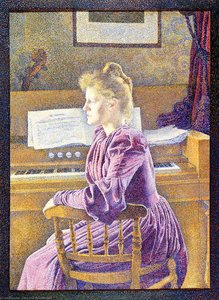
Maria Sèthe all'armonium
 Acrilico su tela
- Opere da parete
- Neoimpressionismo
 1891
1891 118.0 x 84.0 cm
 Koninklijk Museum voor Schone Kunsten
 Leggi tutto
Riproduzione a olio fatta a mano
Olio su tela dipinto a mano nelle tue dimensioni e con la tua cornice, realizzato su ordinazione dai nostri artisti. ( Ordina stampa Acquista download)




P118B $10

P118H $10

P118W $10

P438Z $10

P508JH $12

P508YH $12

P805H $10

P805Z $10

P919BZ $10

P919G $10

P919XJ $10

P959ZH $10

P968JZ $12

W106C $8

W218G $10

W218JH $8

W218Y $10

W307PJ $10

W316G $10

W316PJ $8

W316Y $10

W398PJ $8

W4111J $10

W500HY $15

W500JH $15

W692G $12

W849H $8

W940BG $15

W953PJ $8




Scegli tra le nostre dimensioni predefinite, che rispettano le proporzioni originali dell'opera d'arte.

È possibile inserire dimensioni personalizzate per adattare l'opera a una cornice o a uno spazio specifico. Se la dimensione selezionata non corrisponde alle proporzioni dell'immagine originale, provvederemo a ritagliare l'opera o a estendere il dipinto con elementi aggiuntivi dipinti a mano. Un mockup digitale ti sarà inviato per approvazione prima dell'inizio della produzione.
Si prega di notare che l'anteprima a schermo non riflette il ritaglio o l'estensione effettivi. Solo il mockup mostrerà accuratamente la composizione finale.
Sebbene siano disponibili dimensioni personalizzate, consigliamo di selezionare una dimensione dall'elenco predefinito per preservare le proporzioni originali.
Dopo l'ordine, il team di OriginalUniqueArt.com contatterà il cliente via e-mail per le istruzioni e fornirà un'anteprima del mockup
Consegna in tutto il mondo () in 3/4 settimane anziché nelle normali 5 settimane. (17 Agosto). Nessun compromesso sulla qualità.

Spedizione espressa gratuita in tutto il mondo

Tela in lino di alta qualità

Assicurazione completa sulla spedizione

Garanzia di rimborso dei dazi doganali

Garanzia di fedeltà cromatica dell'originale

Politica di reso entro 60 giorni (solo per difetti di fabbricazione)

Garanzia di rimborso al 100%

Sconto per acquisti multipli
 L'opzione vetro è disponibile solo per dimensioni inferiori a 110 cm

Maria Sèthe all'armonium
Tecnica di riproduzione
Dimensioni della riproduzione
-


Prezzo totale
$ 300
Descrizione dell'opera
Maria Sèthe at the Harmonium - A Neo-Impressionist Portrait of Quiet Reflection
The painting Maria Sèthe at the Harmonium by Theo van Rysselberghe stands as a testament to the burgeoning fascination with light and color that characterized the late 1890s European art scene. Created in 1891, this oil on canvas masterpiece—measuring 118 x 84 cm—currently resides at the Koninklijk Museum voor Schone Kunsten (Antwerp, Belgium)—captures a moment of serene contemplation within a domestic interior. It’s more than just a depiction; it's an exploration of mood and atmosphere achieved through Van Rysselberghe’s groundbreaking technique: Pointillism.The Technique of Light – Pointillism Embodied
Theo van Rysselberghe, a Belgian artist deeply influenced by Impressionism yet decisively forging his own path, pioneered the use of Pointillism—a method championed by Georges Seurat and Paul Signac—to revolutionize painting. Unlike blending colors on canvas, Pointillist painters apply tiny dots of pure pigment alongside each other, allowing the viewer’s eye to optically blend them together. This seemingly simple process demands immense precision and patience, resulting in an astonishingly luminous surface that mimics the way sunlight scatters across surfaces. In Maria Sèthe at the Harmonium, Van Rysselberghe meticulously renders the woman's dress with countless dots of muted hues—primarily ochre and mauve—creating a subtle shimmer that conveys warmth and sophistication. The harmonium itself is similarly treated, emphasizing its tonal qualities rather than attempting to represent it realistically.A Domestic Scene Steeped in Symbolism
The setting of Maria Sèthe at the Harmonium contributes significantly to the painting’s symbolic resonance. The room exudes a comforting ambiance—characterized by a chair positioned near the instrument and several books adorning shelves—suggesting an intellectual pursuit alongside domestic tranquility. A vase containing flowers adds a touch of vibrancy against the muted backdrop, symbolizing beauty and freshness amidst quiet contemplation. More profoundly, the woman seated at the harmonium embodies introspection and artistic expression. The posture—slightly bowed, gaze upward—communicates a sense of absorption in music and thought—a common motif in Neo-Impressionist art reflecting an interest in psychological states.Historical Context – Les XX and the Pursuit of Modern Aesthetics
Maria Sèthe at the Harmonium emerged during the formative years of “Les XX” (“The Twenty”), a Belgian avant-garde group that challenged traditional artistic conventions and championed new aesthetic ideals. Founded in 1893, Les XX sought to liberate painting from academic constraints—embracing Impressionism’s focus on capturing fleeting moments of light and color while simultaneously experimenting with innovative techniques like Pointillism. Theo van Rysselberghe's work exemplifies this spirit of experimentation—demonstrating a willingness to push boundaries and redefine what constituted “beauty” in the modern era. It stands as an enduring reminder that art can serve not only as representation but also as exploration of emotion and perception.Emotional Impact – Tranquility and Contemplation Captured
Ultimately, Maria Sèthe at the Harmonium succeeds in conveying a palpable sense of tranquility and contemplation. The painting’s subdued palette—combined with its meticulous attention to detail—creates an immersive experience for the viewer—inviting them into the woman's inner world. It speaks to a desire for stillness amidst the bustle of daily life—a yearning for moments of quiet reflection and artistic inspiration. Like many Neo-Impressionist paintings, it prioritizes feeling over factual accuracy—capturing the essence of human emotion through masterful manipulation of color and light—leaving an indelible impression on anyone who encounters its luminous surface.Biografia dell'artista
**Primi anni e formazione**
Theo van Rysselberghe, figura di spicco della scena artistica europea alla fine del XIX secolo, nacque il 23 novembre 1862 a Gand, in Belgio, da una famiglia borghese francofona. Iniziò il suo percorso artistico sotto la guida di Theo Canneel all'Accademia di Gand e successivamente studiò all’Académie Royale des Beaux-Arts di Bruxelles dal 1879.**Evoluzione artistica e influenze**
Il primo lavoro di van Rysselberghe, come Ritratto con pipa (1880), era caratterizzato da colori cupi, che riflettevano la tradizione realista belga dell'epoca. Tuttavia, il suo dipinto Bambino in una radura del bosco (1880) segnò una rottura con questo stile e un primo passo verso l’impressionismo. I suoi successivi viaggi in Marocco (1882-1888) influenzarono significativamente la sua opera, come si può notare in Ciabattino arabo (1882), Ragazzo arabo (1882) e Guardia in riposo (1883).**Fondazione de Les XX e opere significative**
In qualità di co-fondatore del circolo artistico belga Les XX il 28 ottobre 1883, van Rysselberghe svolse un ruolo fondamentale nella scena artistica europea. La sua opera Fantasia araba (1884), un dipinto esotico di grandi dimensioni, è la sua opera più conosciuta di questo periodo, che mostra la sua ossessione per la luce.- Opere chiave:
- Donna spagnola (1881)
- Donna sivigliana (1882)
- Abraham Sicsu, interprete a Tangeri (1884)
**Eredità e collezioni museali**
L'eredità di van Rysselberghe può essere vista in varie collezioni museali, tra cui il Museum voor Schone Kunsten di Gand (Belgio), che ospita diverse delle sue opere, come Una lettura e lo schizzo Autoritratto con pipa. La sua influenza sullo sviluppo del neoimpressionismo in Europa è innegabile.- Collezioni museali:
- Museo del Lussemburgo (Francia) - che presenta Pointe-Saint-Pierre, Saint-Tropez
- La collezione di Theo van Rysselberghe su OriginalUniqueArt
**Conclusione**
Theo van Rysselberghe, pittore neoimpressionista belga, ha lasciato un segno indelebile nella scena artistica europea. La sua evoluzione artistica, influenzata dai suoi viaggi e dalle interazioni con altri artisti, ha dato vita a uno stile unico che continua ad affascinare il pubblico. Esplora altre sue opere e la sua eredità su OriginalUniqueArt.
Theo van Rysselberghe
1862 - 1926 , Belgio
Informazioni rapide
- Artistic Movement Or Style: Neoimpressionismo, Puntinismo
- Artists Or Movements Influenced By This Artist:
- Jan Toorop
- Piet Mondrian
- Artists Who Influenced This Artist:
- Georges Seurat
- Paul Signac
- Frans Hals
- Date Of Birth: 23 novembre 1862
- Date Of Death: 13 dicembre 1926
- Full Name: Theo van Rysselberghe
- Nationality: Belga
- Notable Artworks:
- Arcobaleno
- Donna Spagnola
- Sevillan Woman
- Arabian Street Cobbler
- Place Of Birth (City And Country): Gand, Belgio
Articoli correlati
Van Gogh: Le 25 Opere Più Iconiche per Amare l'Arte e Arredare con Stile
Esplora le 25 opere più iconiche di Van Gogh: dai Girasoli alla Notte Stellata. Scopri la storia, lo stile e i colori che hanno reso Vincent van Gogh un maestro dell'arte moderna. Trova riproduzioni di alta qualità su OriginalUniqueArt.com.

Théo van Rysselberghe: Luce, Colore e Innovazione nel Pointillismo Belga
Esplora la vita e l'opera di Théo van Rysselberghe, pioniere del pointillismo belga. Approfondisci le sue tecniche innovative, il ruolo in Les XX e l'influenza sull'arte moderna. Scopri i capolavori di questo artista straordinario.

Rembrandt van Rijn: I 25 Capolavori Immortali da Ammirare | OriginalUniqueArt
Esplora i 25 capolavori di Rembrandt van Rijn, da 'La Ronda di Notte' ai suoi intensi autoritratti. Scopri la storia, le tecniche e l'arte barocca del maestro olandese. Riproduzioni di alta qualità su OriginalUniqueArt.com.
The Science of Light: Decoding the Optical Precision of Neo-Impressionism
Explore the scientific brilliance of Neo-Impressionism. Discover how masters like Georges Seurat revolutionized art through optical mixing, color theory, and the precision of Pointillism to capture the true essence of light.
Theo van Doesburg e il Neoplasticismo: Pionieri dello Stijl e l'Evoluzione dell'Astrattismo
Esplora il rivoluzionario movimento De Stijl e l'influenza di Theo van Doesburg sul Neoplasticismo. Analisi approfondita, storia, principi e impatto sull'arte moderna.