Anteprima in scala reale
 Invia
Invia Condividi
 Dettagli opera
 Guida
Guida

 Scarica
 Simili
 Radiografia
 Slideshow
 Q&A
Q&A Statistiche
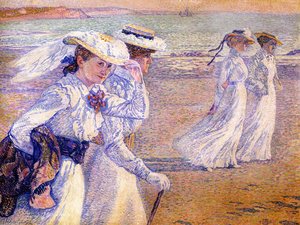
Maria Sèthe all'armonium

- 118.0 x 84.0 cm


 Espandi i dettagli
Giclée / Stampe d'arte
Stampa giclée o su tela di qualità museale, con produzione rapida e diverse opzioni di finitura. ( Acquista il dipinto realizzato a mano Passa all'immagine digitale)




P118B €10

P118H €10

P118W €10

P438Z €10

P508JH €12

P508YH €12

P805H €10

P805Z €10

P919BZ €10

P919G €10

P919XJ €10

P959ZH €10

P968JZ €12

W106C €8

W218G €10

W218JH €8

W218Y €10

W307PJ €10

W316G €10

W316PJ €8

W316Y €10

W398PJ €8

W4111J €10

W500HY €15

W500JH €15

W692G €12

W849H €8

W940BG €15

W953PJ €8




Scegli tra le nostre dimensioni predefinite, che rispettano le proporzioni originali dell'opera d'arte.

Inserisci la larghezza e l'altezza desiderate, per adattarle alla tua cornice o alla tua parete. Una stampa può essere solo ritagliata, mai resa più grande dell'immagine originale; pertanto, un formato con una forma differente comporterà la perdita di una parte dell'opera. Ti invieremo un mockup digitale da approvare prima di procedere con la stampa. L'immagine mostrata in questa pagina non rappresenta il ritaglio reale — solo il mockup lo mostra.
Consegna in tutto il mondo () in 2 settimane invece delle normali 4/5 settimane. (1 Novembre)

Spedizione espressa gratuita in tutto il mondo

Tela in lino di alta qualità

Assicurazione completa sulla spedizione

Garanzia di rimborso dei dazi doganali

Garanzia di fedeltà cromatica assoluta

Politica di reso entro 100 giorni (solo per difetti di fabbricazione)

Garanzia di rimborso al 100%

Offerta per acquisti multipli
 L'opzione vetro è disponibile solo per dimensioni inferiori a 110 cm

Maria Sèthe all'armonium
Giclée / Stampe d'arte
Dimensioni riproduzione
-


Prezzo finale calcolato
€ 71
A Symphony of Light and Stillness
In the quiet corners of late nineteenth-century European art, few works capture the delicate intersection of domestic peace and intellectual depth as poignantly as Théo van Rysselberghe’s 1891 masterpiece, Maria Sèthe at the Harmonium. This oil on canvas is far more than a mere portrait; it is an immersive experience that invites the viewer into a moment of profound, silent contemplation. The scene depicts a woman, Maria Sèthe, seated before the harmonium, her gaze drifting upward as if caught in the middle of a musical thought or a sudden, beautiful realization. There is a palpable sense of stillness in the room, an atmosphere where time seems to slow down, allowing the soft light of a Belgian afternoon to dance across the surfaces of a private, scholarly sanctuary.
The setting itself tells a story of a life enriched by both art and intellect. Surrounded by the comforting presence of books and the gentle touch of nature provided by a vase of flowers, the room exudes a sophisticated yet cozy ambiance. For the discerning collector or interior designer, this painting offers a unique emotional anchor—a piece that brings a sense of tranquility, warmth, and cultured refinement to any space. It is an artwork that does not demand attention through loud colors or dramatic action, but rather earns it through a subtle, luminous grace that rewards prolonged observation.
The Magic of the Pointillist Dot
To look closely at this work is to witness the revolutionary spirit of Neo-Impressionism. Van Ryssebheghe, heavily inspired by the groundbreaking methods of Georges Seurat and Paul Signac, employs the technique of Pointillism to breathe life into the canvas. Rather than traditional blending, the artist meticulously applies tiny, distinct dots of pure pigment side by side. This scientific approach to color relies on the viewer's eye to perform an optical blend, creating a shimmering, vibrating effect that mimics the true behavior of light. In Maria Sèthe at the Harmonium, this technique is used to extraordinary effect; the woman’s dress, rendered in muted ochre and mauve, seems to catch a subtle, internal glow, while the textures of the wooden instrument and the surrounding shadows possess a luminous depth that feels almost tactile.
This painstaking method requires immense patience and precision, resulting in a surface that feels alive with energy despite the subject's outward stillness. The way the light scatters across the scene—simulating the soft diffusion of sunlight through a window—creates a sense of atmosphere that is both ethereal and grounded. For those seeking a high-quality reproduction, capturing this specific optical vibration is essential, as it is the very soul of the painting, transforming a static domestic scene into a breathing, luminous window into the past.
A Legacy of Elegance for the Modern Interior
Beyond its technical brilliance, the painting serves as a bridge between the traditional realism of the Academy and the modern fascination with light and perception. Van Rysselberghe’s ability to infuse a portrait with such symbolic resonance—suggesting an intellectual pursuit through the presence of books and a musical soul through the harmonium—makes this work a timeless addition to any curated collection. It embodies a period of European history where the domestic sphere was a site of profound cultural cultivation.
Integrating a reproduction of this masterpiece into a contemporary interior design scheme offers an opportunity to introduce narrative depth and historical prestige. Whether placed in a sunlit reading nook or as a focal point in a formal living area, the painting’s soft palette and serene subject matter provide a calming influence. It is an ideal choice for those who appreciate art that speaks of quiet sophistication, offering a sophisticated touch of Belgian Neo-Impressionism that remains as captivating today as it was in 1891.
Domande e risposte
"Maria Sèthe all'armonium" di Theo van Rysselberghe è un'opera dai toni chiari o scuri?
La luminosità di "Maria Sèthe all'armonium" di Theo van Rysselberghe è registrata come luminoso, con una luminanza di Luminosità media.
Quali stati d'animo ed emozioni si fondono in "Maria Sèthe all'armonium"?
L'atmosfera che traspare da "Maria Sèthe all'armonium" di Theo van Rysselberghe è Sereno, e il suo tono emotivo è Riflessivo.
In che modo il soggetto di "Maria Sèthe all'armonium" si relaziona ai temi abituali di Theo van Rysselberghe?
Tra i temi ricorrenti di Theo van Rysselberghe - esplorazione della luce, stile neoimpressionista, contemplazione musicale, eredità dell'artista, armonia simbolica - "Maria Sèthe all'armonium" pone un particolare accento su armonium, donna, pianoforte, interno, musica, luce, colore.
Biografia dell'artista
**Primi anni e formazione**
Theo van Rysselberghe, figura di spicco della scena artistica europea alla fine del XIX secolo, nacque il 23 novembre 1862 a Gand, in Belgio, da una famiglia borghese francofona. Iniziò il suo percorso artistico sotto la guida di Theo Canneel all'Accademia di Gand e successivamente studiò all’Académie Royale des Beaux-Arts di Bruxelles dal 1879.**Evoluzione artistica e influenze**
Il primo lavoro di van Rysselberghe, come Ritratto con pipa (1880), era caratterizzato da colori cupi, che riflettevano la tradizione realista belga dell'epoca. Tuttavia, il suo dipinto Bambino in una radura del bosco (1880) segnò una rottura con questo stile e un primo passo verso l’impressionismo. I suoi successivi viaggi in Marocco (1882-1888) influenzarono significativamente la sua opera, come si può notare in Ciabattino arabo (1882), Ragazzo arabo (1882) e Guardia in riposo (1883).**Fondazione de Les XX e opere significative**
In qualità di co-fondatore del circolo artistico belga Les XX il 28 ottobre 1883, van Rysselberghe svolse un ruolo fondamentale nella scena artistica europea. La sua opera Fantasia araba (1884), un dipinto esotico di grandi dimensioni, è la sua opera più conosciuta di questo periodo, che mostra la sua ossessione per la luce.- Opere chiave:
- Donna spagnola (1881)
- Donna sivigliana (1882)
- Abraham Sicsu, interprete a Tangeri (1884)
**Eredità e collezioni museali**
L'eredità di van Rysselberghe può essere vista in varie collezioni museali, tra cui il Museum voor Schone Kunsten di Gand (Belgio), che ospita diverse delle sue opere, come Una lettura e lo schizzo Autoritratto con pipa. La sua influenza sullo sviluppo del neoimpressionismo in Europa è innegabile.- Collezioni museali:
- Museo del Lussemburgo (Francia) - che presenta Pointe-Saint-Pierre, Saint-Tropez
- La collezione di Theo van Rysselberghe su OriginalUniqueArt
**Conclusione**
Theo van Rysselberghe, pittore neoimpressionista belga, ha lasciato un segno indelebile nella scena artistica europea. La sua evoluzione artistica, influenzata dai suoi viaggi e dalle interazioni con altri artisti, ha dato vita a uno stile unico che continua ad affascinare il pubblico. Esplora altre sue opere e la sua eredità su OriginalUniqueArt.
Theo van Rysselberghe
1862 - 1926 , Belgio
Dettagli rapidi
- Artistic Movement Or Style: Neoimpressionismo, Puntinismo
- Artists Or Movements Influenced By This Artist:
- Jan Toorop
- Piet Mondrian
- Artists Who Influenced This Artist:
- Georges Seurat
- Paul Signac
- Frans Hals
- Date Of Birth: 23 novembre 1862
- Date Of Death: 13 dicembre 1926
- Full Name: Theo van Rysselberghe
- Nationality: Belga
- Notable Artworks:
- Arcobaleno
- Donna Spagnola
- Sevillan Woman
- Arabian Street Cobbler
- Place Of Birth (City And Country): Gand, Belgio
Articoli correlati

Luce e Ombra: i 25 capolavori più incredibili di Rembrandt
Scopri i 25 capolavori di Rembrandt tra luce e ombra. Esplora la collezione su OriginalUniqueArt.com per riproduzioni da museo d'eccellenza.
Theo van Doesburg e il Neoplasticismo: Pionieri dello Stijl e l'Evoluzione dell'Astrattismo
Esplora il rivoluzionario movimento De Stijl e l'influenza di Theo van Doesburg sul Neoplasticismo. Analisi approfondita, storia, principi e impatto sull'arte moderna.

Théo van Rysselberghe: Luce, Colore e Innovazione nel Pointillismo Belga
Esplora la vita e l'opera di Théo van Rysselberghe, pioniere del pointillismo belga. Approfondisci le sue tecniche innovative, il ruolo in Les XX e l'influenza sull'arte moderna. Scopri i capolavori di questo artista straordinario.
The Science of Light: Decoding the Optical Precision of Neo-Impressionism
Explore the scientific brilliance of Neo-Impressionism. Discover how masters like Georges Seurat revolutionized art through optical mixing, color theory, and the precision of Pointillism to capture the true essence of light.

I 10 Capolavori Post-Impressionisti che Hanno Rivoluzionato l'Arte e la Decorazione d'Interni
Esplora i 10 capolavori del Post-Impressionismo con Van Gogh, Monet e Cézanne. Scopri le storie dietro questi dipinti iconici e lasciati ispirare per la tua decorazione d'interni. Stampe su tela di alta qualità su !