
 Anteprima in scala reale
 Invia
Invia Condividi
 Dettagli opera
 Guida
Guida

 Scarica
 Simili
 Radiografia
 Slideshow
 Q&A
Q&A Statistiche
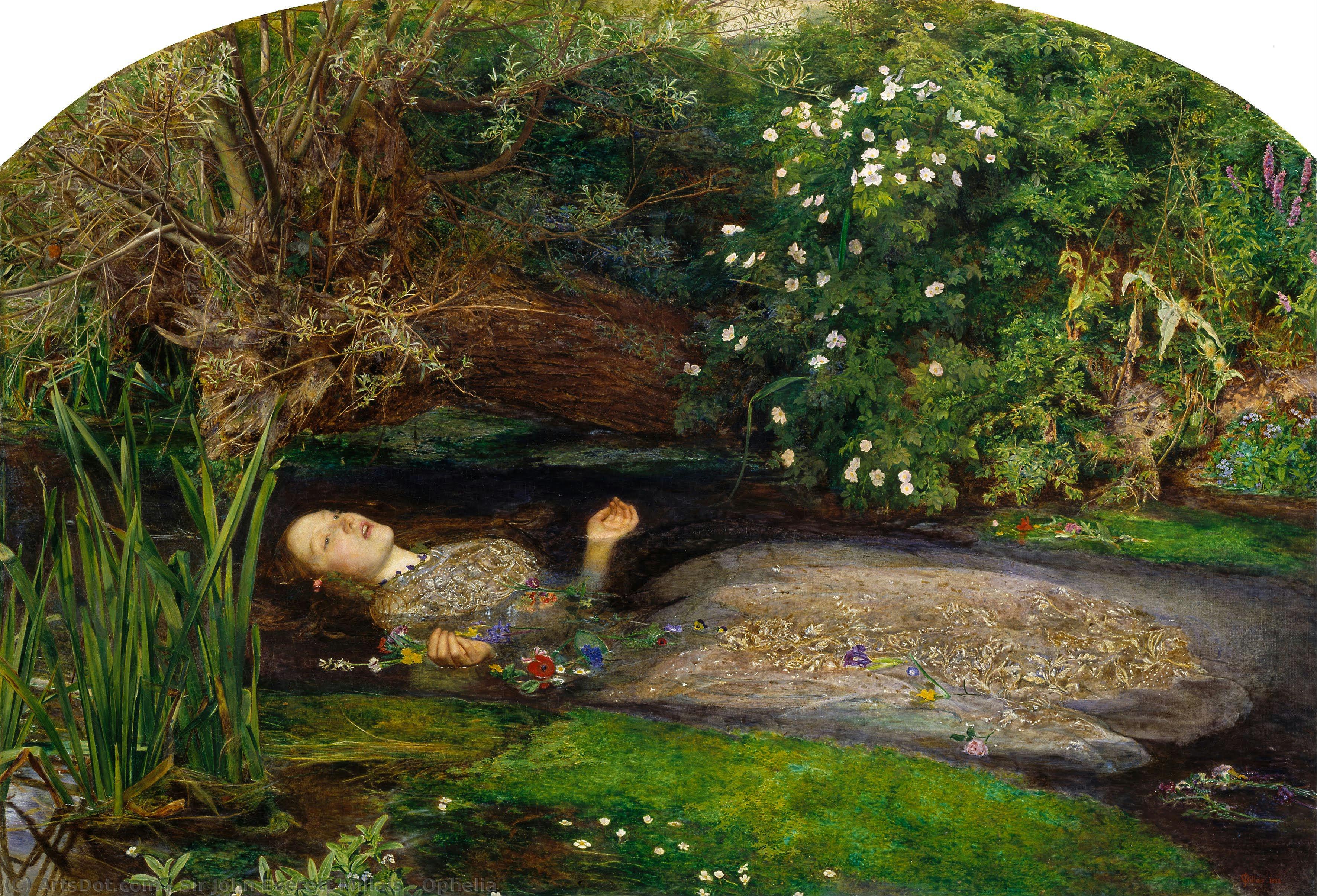
Ophelia
 Olio su tela
- Opere da parete
- Preraffaellita
 1851
1851 11.0 x 76.0 cm
 Tate Britain
 Espandi i dettagli
Ottieni un file pronto per la stampa che supera di gran lunga l'anteprima web. Ogni immagine digitale in vendita proviene da un master ad alta risoluzione del nostro archivio — con una larghezza solitamente compresa tra 5.000 e 15.000 pixel — permettendoti di stampare in grande formato, ritagliare con precisione o riprodurre dettagli minuziosi in totale sicurezza.
Nessun file lascia il nostro studio senza essere stato elaborato. Un esperto digitale verifica la corrispondenza dei colori con il dipinto originale e li corregge se necessario, per poi migliorarne la nitidezza e i dettagli attraverso strumenti di fotoritocco professionale — mantenendo sempre fedeltà alla pennellata e allo stile dell'artista. Il risultato è un'immagine che appare come il dipinto stesso, e non come una scansione filtrata.
L'approvazione avviene prima della conclusione dell'ordine: il nostro esperto invierà l'immagine via e-mail entro 72 ore per la tua revisione. Non sei soddisfatto? Puoi richiedere modifiche o correzioni, oppure un rimborso qualora la qualità non dovesse soddisfare le tue aspettative.
Questa è la qualità su cui fanno affidamento editori, studi di design, gallerie e stamperie.
Immagine Digitale
Scarica un file ad alta risoluzione per uso personale, per la stampa e per progetti creativi. ( Passa alle stampe Acquista il dipinto realizzato a mano)
Incluso in ogni ordine di immagini digitali
Consegna digitale professionale e garantita
Quando scegli OriginalUniqueArt.com, non riceverai solo un'immagine: riceverai un'opera d'arte digitale professionalmente ottimizzata, realizzata con la massima precisione e accompagnata da una garanzia di soddisfazione. Ecco tutto ciò che include il tuo ordine, automaticamente:

Consegna rapida via email
Riceverai il file dell'immagine digitale ad alta risoluzione via email entro 72 ore dall'ordine, pronto per un uso immediato.

File digitale ottimizzato dall'IA
La tua opera d'arte viene ottimizzata professionalmente attraverso l'uso di strumenti avanzati di intelligenza artificiale e una revisione manuale, garantendo il massimo livello di dettaglio, nitidezza e accuratezza cromatica.

Riconsegna gratuita a vita
Hai eliminato o perso accidentalmente il tuo file? Non preoccuparti: te lo invieremo di nuovo in qualsiasi momento, gratuitamente.

Nessun costo di importazione, mai
Goditi la tua opera d'arte istantaneamente senza costi doganali, dazi o spese di spedizione: i download digitali sono sempre esenti da tasse.

Garanzia di fedeltà cromatica
Garantiamo che la tua immagine digitale rifletta i colori originali con la massima fedeltà, grazie all'uso di strumenti professionali e a una gestione accurata del colore.

Garanzia soddisfatti o rimborsati 100 giorni
Se non sei soddisfatto della tua immagine digitale, la revisioneremo o ti rimborseremo il 100% entro 100 giorni, senza domande.

Garanzia di rimborso al 100%
Non sei soddisfatto? Ricevi un rimborso completo entro 100 giorni dal ricevimento del tuo file digitale, senza dover fornire spiegazioni.

Sconti per ordini multipli
Acquista 3 immagini, risparmia il 10% - Acquista 5, risparmia il 15% - Acquista 10+, risparmia il 20%. Ideale per progetti creativi, gallerie e agenzie.
A Frozen Moment of Melancholy: Millais’s “Ophelia”
Sir John Everett Millais's "Ophelia," painted in 1851–52, isn’t merely a depiction of a tragic Shakespearean scene; it’s an immersive experience—a meticulously crafted tableau of sorrow and beauty that continues to captivate viewers over a century and a half later. This iconic Pre-Raphaelite masterpiece transcends its literary source, becoming a profound meditation on loss, innocence, and the poignant surrender to nature's embrace. The painting immediately draws the eye with its luminous palette and astonishing level of detail, inviting the viewer into a world both idyllic and profoundly mournful.
Millais’s genius lies not just in his technical skill—though that is undeniably remarkable—but in his ability to evoke an atmosphere of palpable grief. He achieved this through a radical departure from conventional artistic practices for the time, choosing to paint *en plein air* (outdoors) and working directly from nature. This commitment to realism, coupled with the Pre-Raphaelite Brotherhood’s fascination with medieval and Renaissance art, resulted in a work that feels simultaneously ancient and utterly contemporary. The scene unfolds along the Hogsmill River near Ewell, Surrey, where Millais meticulously recreated the landscape, capturing the dappled sunlight filtering through the foliage and the shimmering reflections on the water's surface.
The Figure of Despair
At the heart of “Ophelia” is her figure—a young woman reclining gracefully in the stream, her expression a mixture of serene acceptance and heartbreaking resignation. Elizabeth Siddall, Millais’s model for Ophelia, endured an extraordinary ordeal to achieve this portrayal. For weeks, she posed submerged in a bathtub filled with cold water, draped in heavy velvet robes to simulate the chill of the river. This dedication to realism extended beyond mere appearance; it was a deliberate attempt to capture the physical sensation of drowning—a testament to Millais’s commitment to portraying the subject matter with unflinching honesty.
The details surrounding Siddall's posing are particularly poignant, revealing the demanding nature of Pre-Raphaelite art production. The discomfort she experienced led to a severe illness, requiring medical attention and ultimately shaping the painting’s atmosphere of vulnerability. Millais’s careful observation of her posture, the delicate drape of her gown, and the subtle expression on her face all contribute to the overwhelming sense of tragedy.
Symbolism Woven into the Scene
“Ophelia” is rich in symbolic detail, each element carefully chosen to deepen the narrative’s emotional resonance. The flowers scattered around her—violets, pansies, poppies, willow branches, and daisies—are not merely decorative; they carry specific meanings rooted in Victorian symbolism. Violets represent faithfulness and modesty, while poppies symbolize death and sleep. The willow branch, a traditional symbol of mourning, drapes over the riverbank, mirroring Ophelia’s descent into sorrow. Even the arrangement of the flowers suggests a deliberate composition—a visual representation of her fragmented thoughts and memories.
The inclusion of a silver casket, partially submerged in the water, further reinforces the theme of loss and remembrance. It is a relic from her past, a symbol of her shattered engagement and the world she has lost. The presence of a small mouse nestled amongst the embroidery on the table adds an unexpected layer of detail—a reminder of mortality and the fragility of life.
A Legacy of Beauty and Sorrow
“Ophelia” remains one of the most celebrated paintings in the Pre-Raphaelite canon, admired for its technical brilliance, emotional depth, and enduring power. It’s a work that invites repeated viewing—each encounter revealing new layers of meaning and nuance. Beyond its artistic merit, “Ophelia” has become an iconic image of female vulnerability and tragic beauty, frequently referenced in literature, film, and popular culture. Its depiction of a young woman surrendering to the embrace of nature continues to resonate with viewers today, serving as a poignant reminder of the ephemeral nature of life and the enduring power of art to capture both its splendor and its sorrow.
Reproductions of “Ophelia” offer an accessible way to experience this masterpiece firsthand. Whether displayed in a grand salon or a cozy study, this evocative image will undoubtedly spark conversation and inspire contemplation for years to come.
Domande e risposte
Quale stato d'animo esprime "Ophelia" di Sir John Everett Millais all'interno di Preraffaellita?
"Ophelia" trasmette un tono emotivo Malinconico all'interno del movimento Preraffaellita.
Quale emozione e quale stato d'animo trasmette "Ophelia" di Sir John Everett Millais?
L'atmosfera che traspare da "Ophelia" di Sir John Everett Millais è Sognante e intimo, e il suo tono emotivo è Malinconico.
Che livello di saturazione hanno i colori di "Ophelia" di Sir John Everett Millais?
La tavolozza di "Ophelia" presenta una saturazione Saturazione morbida e bilanciata.
Biografia dell'artista
La Vita e l'Educazione di Sir John Everett Millais
Sir John Everett Millais, un rinomato pittore e illustratore inglese, nacque l'8 giugno 1829 a Southampton, in Inghilterra. Fin da bambino prodigio, divenne lo studente più giovane ad entrare alle Royal Academy Schools all’età di undici anni.La Fondazione della Fratellanza Preraffaellita
Nel settembre del 1848, Sir John Everett Millais, insieme a William Holman Hunt e Dante Gabriel Rossetti, fondò la Fratellanza Preraffaellita nella sua casa di famiglia in Gower Street, Londra. Questo movimento mirava a rivivere lo stile del primo Rinascimento italiano.Opere Principali
Alcune delle opere più notevoli di Sir John Everett Millais includono:- Cristo nella casa di suoi genitori (1849-1850), un'opera controversa che presentava la sua realistica rappresentazione di una famiglia umile.
- Un Ugonotto (1851-1852), che raffigurava una giovane coppia sul punto di essere separata a causa dei conflitti religiosi.
- Ofelia (1851-1852), un dipinto che mostrava le sue superfici pittoriche dense ed elaborate, spesso concentrandosi sulla bellezza e la complessità del mondo naturale.
- Mariana (1850-1851), basata sull'opera teatrale Misura per Misura di William Shakespeare e sulla poesia omonima di Alfred, Lord Tennyson.
Influenze e Sviluppo Successivo
Le opere successive di Sir John Everett Millais furono influenzate da sua moglie, Effie, che era stata precedentemente sposata con il critico John Ruskin. Il suo stile si evolse verso una forma più ampia di realismo, inizialmente condannato da Ruskin ma successivamente riconosciuto come un contributo significativo al mondo dell'arte.Musei e Collezioni
Alcune opere di Sir John Everett Millais possono essere ammirate in vari musei, tra cui:- Tate Britain, Londra, che espone L'Ordine del Rilascio (1853) e Ofelia (1852).
- Ashmolean Museum, Oxford, che espone Il ritorno della colomba alla cattedra (1851).
Eredità
L'eredità di Sir John Everett Millais si estende oltre la sua arte. Fu un pioniere del movimento preraffaellita e una figura significativa nello sviluppo dell'arte britannica.- Scopri di più su Sir John Everett Millais su OriginalUniqueArt.com.
- Esplora la Fratellanza Preraffaellita e la sua influenza sull'arte britannica su Wikipedia.

Sir John Everett Millais
1829 - 1896 , Regno Unito
Informazioni essenziali
- Artisti Influenti:
- William Holman Hunt
- Dante Gabriel Rossetti
- Artisti Influenzati:
- Movimento Estetico
- Simbolismo
- Data Di Nascita: 8 giugno 1829
- Luogo Di Nascita: Southampton, Regno Unito
- Movimento Artistico: Preraffaellismo
- Nazionalità: Britannico
- Nome Completo: Sir John Everett Millais
- Opere Notevoli:
- Cristo nella casa dei genitori
- Un Ugonotto
- Ofelia
- Mariana