

 Anteprima in scala reale
 Condividi
 Condividi
 Dettagli
 Guida
Guida

 Scarica
 Articoli simili
 Radiografia
 Slideshow
 Statistiche
Cymon and Iphigenia


 Leggi tutto
Giclée / Stampe d'arte
Stampa giclée o su tela di qualità museale, con produzione rapida e diverse opzioni di finitura. ( Ordina la riproduzione dipinta a mano Passa all'immagine digitale)




P118B $10

P118H $10

P118W $10

P438Z $10

P508JH $12

P508YH $12

P805H $10

P805Z $10

P919BZ $10

P919G $10

P919XJ $10

P959ZH $10

P968JZ $12

W106C $8

W218G $10

W218JH $8

W218Y $10

W307PJ $10

W316G $10

W316PJ $8

W316Y $10

W398PJ $8

W4111J $10

W500HY $15

W500JH $15

W692G $12

W849H $8

W940BG $15

W953PJ $8




Scegli tra le nostre dimensioni predefinite, che rispettano le proporzioni originali dell'opera d'arte.

È possibile inserire dimensioni personalizzate per adattare l'opera a una cornice o a uno spazio specifico. Se la dimensione selezionata non corrisponde alle proporzioni dell'immagine originale, procederemo al ritaglio dell'opera o all'estensione dell'immagine con un bordo specchiato o a tinta unita. Un mockup digitale ti verrà inviato per approvazione prima dell'inizio della produzione.
Si prega di notare che l'anteprima a schermo non riflette il ritaglio o l'estensione effettivi. Solo il mockup mostrerà accuratamente la composizione finale.
Sebbene siano disponibili dimensioni personalizzate, si raccomanda di selezionare una dimensione dall'elenco predefinito per preservare le proporzioni originali.
Consegna in tutto il mondo () in 2 settimane invece delle normali 4/5 settimane. (21 Settembre)

Spedizione espressa gratuita in tutto il mondo

Tela in lino di alta qualità

Assicurazione completa sulla spedizione

Garanzia di rimborso dei dazi doganali

Garanzia di perfetta fedeltà cromatica

Politica di reso entro 100 giorni (solo per difetti di fabbricazione)

Garanzia di rimborso al 100%

Sconto per acquisti multipli
 L'opzione vetro è disponibile solo per dimensioni inferiori a 110 cm

Cymon and Iphigenia
Giclée / Stampe d'arte
Dimensioni della riproduzione
-


Prezzo totale
$ 80
A Vision of Classical Romance: The Allure of Cymon and Iphigenia
In the grand tapestry of Victorian art, few works capture the delicate intersection of mythic tragedy and breathtaking beauty as masterfully as Sir Frederic Lord Leighton’s Cymon and Iphigenia. Painted in 1884, this monumental oil on canvas serves as a window into a world where classical antiquity meets the heightened emotionality of the late nineteenth century. The scene, inspired by John Dryden's poem "The Cock and the Fox," invites the viewer into a private, hushed moment of discovery. As Cymon encounters the sleeping Iphigenia, the painting transcends mere illustration, becoming an evocative study of vulnerability, desire, and the profound stillness that precedes a life-altering realization.
Leighton, a titan of the Academic style, utilizes his immense technical prowess to breathe life into this legendary encounter. The composition is anchored by the serene presence of Iphigenia, resting in a state of peaceful repose. Her form, rendered with an exquisite attention to the softness of skin and the graceful contours of the human figure, embodies the Pre-Raphaelite influence that Leighton so elegantly refined. The room itself—a cozy, intimate sanctuary featuring the warm glow of a fireplace and the organic touch of a tree branch—creates a sense of domestic tranquility that contrasts beautifully with the epic, mythological weight of the characters' identities.
Mastery of Light and the Victorian Aesthetic
The true magic of this masterpiece lies in Leighton’s sophisticated use of light and shadow. Through a meticulous application of oil paint, he creates a sense of three-dimensional depth that draws the observer into the very atmosphere of the chamber. The lighting is not merely functional but deeply symbolic; it bathes the sleeping figure in a soft, ethereal glow, highlighting the purity of her form while casting gentle shadows that lend mystery to the corners of the room. This interplay of light creates a painterly texture that feels both smooth and richly layered, a hallmark of Leighton’s ability to convey complex emotions through subtle tonal shifts.
For the discerning collector or interior designer, Cymon and Iphigenia offers more than just visual splendor; it provides an emotional anchor for a space. The color palette, characterized by muted tones and soft, harmonious hues, possesses a calming effect that makes it an ideal centerpiece for sophisticated environments. Whether placed in a sunlit gallery or a moody, classically appointed study, the painting radiates a sense of timelessness. It is a work that does not shout for attention but rather commands it through its quiet dignity and the profound serenity it imparts to any room it inhabits.
A Timeless Legacy for the Modern Collector
Owning a piece of this magnitude is an opportunity to connect with the pinnacle of British Academic excellence. The historical significance of Leighton’s work—his ability to revitalize classical themes for a modern audience—ensures that Cymon and Iphigenia remains as relevant today as it was in 1884. For those seeking to surround themselves with art that tells a story of profound human connection, a high-quality reproduction offers a way to bring this much of history and grace into the contemporary home.
To possess such a work is to hold a fragment of the Victorian era's most romantic ideals. It serves as a constant reminder of the beauty found in stillness and the transformative power of a single, captured moment. As an investment in aesthetic atmosphere, this painting stands as a testament to the enduring power of classical storytelling and the unmatched skill of one of history's greatest masters.
Biografia dell'artista
La Vita e l'Educazione di Sir Frederic Lord Leighton
Sir Frederic Lord Leighton, pittore, disegnatore e scultore britannico rinomato, nacque il 3 dicembre 1830 a Scarborough, nel Regno Unito. La sua famiglia godeva di una notevole ricchezza, derivante dalla carriera del suo nonno come medico dei zar russi, che gli permise di dedicarsi alle arti senza preoccupazioni finanziarie. Ricevette la sua prima educazione presso l'University College School di Londra e successivamente affinò le sue abilità artistiche nel continente europeo sotto la guida di Eduard von Steinle e Giovanni Costa. All’età di 17 anni, incontrò il filosofo Arthur Schopenhauer a Francoforte, immortalando il suo ritratto in una matita e gouache – l'unico studio a figura intera conosciuto di Schopenhauer realizzato dal vivo.L'Ascesa Artistica e lo Stile
I viaggi di Leighton influenzarono profondamente la sua opera. Lunghi periodi trascorsi a Roma, Parigi e altre città europee plasmarono il suo stile artistico, caratterizzato da soggetti storici, biblici e classici in un’impronta accademica. La sua capacità di catturare movimento ed energia è evidente in opere come *Clytie 1* (156 x 137 cm, Leighton House Museum), un esempio magistrale di academicismo su tela. La scultura *Athlete Wrestling with a Python* (1888-1891) in marmo bianco, segnò l'inizio di una rinascita nella scultura britannica contemporanea, definita come "New Sculpture". Leighton rappresentò la Gran Bretagna alla Grande Esposizione di Parigi del 1900, consolidando la sua reputazione come artista di spicco.Influenze e Sviluppo Artistico
Leighton fu influenzato da una vasta gamma di artisti e movimenti artistici. Il suo stile si evolse gradualmente, combinando elementi del Neoclassicismo con un'attenzione per il dettaglio e la resa naturalistica che anticipava l’estetismo. Studiò le opere degli antichi maestri italiani e francesi, tra cui Ingres e Delacroix, assorbendo le loro tecniche e i loro principi compositivi. La sua capacità di fondere elementi classici con un'interpretazione romantica lo rese unico nel panorama artistico vittoriano. La sua opera *Cimabue’s Celebrated Madonna is Carried in Procession through the Streets of Florence* dimostra la sua abilità nell'ambientare scene storiche con grande accuratezza e atmosfera, prefigurando l'estetica dei Preraffaelliti.Eredità e Vita Privata
Leighton rimase scapolo per tutta la vita, circondato da voci riguardanti la sua vita privata, tra cui speculazioni su un figlio illegittimo con una delle sue modelle e potenziali relazioni omosessuali. Queste affermazioni non sono supportate da fonti primarie. La relazione con il poeta Henry William Greville, incontrato a Firenze nel 1856, è ben documentata, ma la natura del loro legame rimane oggetto di dibattito. La sua eredità artistica si estende oltre le sue opere pittoriche; Leighton fu un pioniere nella scultura britannica e il suo stile influenzò generazioni di artisti successivi. La sua casa-museo a Londra, Leighton House Museum, testimonia la sua passione per l'arte e la cultura, offrendo una finestra sulla vita e sul lavoro di questo straordinario artista.Opere Chiave e Riconoscimenti
Riconoscimenti: Leighton fu insignito di numerosi premi e onorificenze durante la sua carriera, tra cui la nomina a Sir nel 1878 e al titolo di Baronetto nel 1886. Nel 1896, divenne il primo Lord Leighton, un titolo che si estinse alla sua morte lo stesso anno. Fu anche Presidente della Royal Academy dal 1896 fino alla sua scomparsa.
Sir Frederic Lord Leighton
1830 - 1896 , Regno Unito
Informazioni rapide
- Artisti Influenti:
- Eduard von Steinle
- Giovanni Costa
- Ingres
- Artisti Influenzati: ['New Sculpture britannica']
- Data Di Nascita: 3 dicembre 1830
- Luogo Di Nascita: Scarborough, Regno Unito
- Movimento Artistico: Academicismo, Pre-Raffaellita
- Nazionalità: Britannico
- Nome Completo: Sir Frederic Lord Leighton
- Opere Notevoli:
- Athlete Wrestling with a Python
- Clytie 1
- Invocazione
Articoli correlati
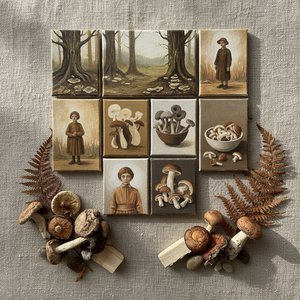
I 10 Dipinti Più Famosi nei Toni del Fungo: Arte, Storia e Decorazioni Raffinate
Esplora i 10 dipinti più iconici nei toni del fungo, dai capolavori rinascimentali all'impressionismo. Scopri la storia degli artisti e lasciati ispirare per decorazioni artistiche uniche. Acquista riproduzioni di alta qualità su !
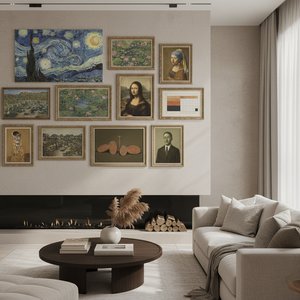
I 10 Dipinti Più Famosi nei Tonalità di Terra: Arte e Stile per la Tua Casa
Esplora i 10 dipinti più iconici nelle tonalità di terra! Scopri la storia, gli artisti e le tecniche dietro capolavori classici come Monet e Rembrandt. Trova riproduzioni d'arte di alta qualità per decorare casa con stile su .

Oil on Canvas: A Historical & Technical Exploration of a Timeless Artistic Medium
Explore the rich history & enduring techniques of oil painting on canvas. Discover the science behind its longevity, conservation practices, and contemporary relevance. Expert insights for art enthusiasts.

The Enduring Legacy of Oil on Canvas: Technique, History & Aesthetic Impact
Explore the rich history & techniques of oil painting – from Renaissance masters to Impressionism. Discover pigments, layering methods, and why this timeless medium endures. Expert insights for artists & art enthusiasts.
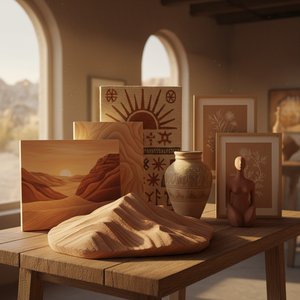
I 10 Dipinti Più Famosi dai Tonalità Sabbia: Arte, Storia e Decorazioni Raffinate
Esplora i 10 dipinti più iconici dominati da tonalità sabbia e colori terra. Scopri la storia, gli artisti e le tecniche dietro questi capolavori senza tempo. Trova riproduzioni artistiche di alta qualità per decorare casa con .


