

 Anteprima in scala reale
 Condividi
 Condividi
 Dettagli
 Guida
Guida

 Scarica
 Articoli simili
 Radiografia
 Slideshow
 Statistiche
La Madonna in Trono (dettaglio)
 Tempera su tavola
- Proto-Rinascimentale
 1285
1285- Tardo Medioevo
 48.0 x 39.0 cm
 Galleria degli Uffizi
 Leggi tutto
Riproduzione a olio fatta a mano
Olio su tela dipinto a mano nelle tue dimensioni e con la tua cornice, realizzato su ordinazione dai nostri artisti. ( Passa alle stampe Passa all'immagine digitale)




P118B $10

P118H $10

P118W $10

P438Z $10

P508JH $12

P508YH $12

P805H $10

P805Z $10

P919BZ $10

P919G $10

P919XJ $10

P959ZH $10

P968JZ $12

W106C $8

W218G $10

W218JH $8

W218Y $10

W307PJ $10

W316G $10

W316PJ $8

W316Y $10

W398PJ $8

W4111J $10

W500HY $15

W500JH $15

W692G $12

W849H $8

W940BG $15

W953PJ $8




Scegli tra le nostre dimensioni predefinite, che rispettano le proporzioni originali dell'opera d'arte.

È possibile inserire dimensioni personalizzate per adattare l'opera a una cornice o a uno spazio specifico. Se la dimensione selezionata non corrisponde alle proporzioni dell'immagine originale, provvederemo a ritagliare l'opera o a estendere il dipinto con elementi aggiuntivi dipinti a mano. Un mockup digitale ti sarà inviato per approvazione prima dell'inizio della produzione.
Si prega di notare che l'anteprima a schermo non riflette il ritaglio o l'estensione effettivi. Solo il mockup mostrerà accuratamente la composizione finale.
Sebbene siano disponibili dimensioni personalizzate, consigliamo di selezionare una dimensione dall'elenco predefinito per preservare le proporzioni originali.
Dopo l'ordine, il team di OriginalUniqueArt.com contatterà il cliente via e-mail per ricevere le istruzioni e fornirà un'anteprima del mockup
Consegna in tutto il mondo () in 3/4 settimane anziché nelle normali 5 settimane. (21 Settembre). Nessun compromesso sulla qualità.

Spedizione espressa gratuita in tutto il mondo

Tela in lino di alta qualità

Assicurazione completa sulla spedizione

Garanzia di rimborso dei dazi doganali

Garanzia di perfetta fedeltà cromatica

Politica di reso entro 100 giorni (solo per difetti di fabbricazione)

Garanzia di rimborso al 100%

Sconto per acquisti multipli
 L'opzione vetro è disponibile solo per dimensioni inferiori a 110 cm

La Madonna in Trono (dettaglio)
Tecnica di riproduzione
Dimensioni della riproduzione
-


Prezzo totale
$ 300
A Glimpse Into Divine Majesty: Cimabue’s *Madonna in Majesty* (Detail)
This exquisite detail from Cimabue's *Madonna in Majesty*, painted in 1285, offers a captivating window into the transition between Byzantine tradition and the burgeoning Renaissance. Measuring just 48 x 39 cm, this panel – currently housed at the prestigious Galleria degli Uffizi in Florence – belies its small size with an immense artistic power and historical significance. It represents one of the most important achievements of Proto-Renaissance painting, marking a decisive step away from the stylized conventions of Byzantine art towards a more naturalistic aesthetic that would soon dominate Italian painting.Subject & Composition
The fragment focuses on a portion of the larger composition depicting the Virgin Mary enthroned as Queen of Heaven, holding the Christ Child. While a detail, it encapsulates the core elements of the full work: *the Madonna’s serene dignity and the nascent humanity emerging in her portrayal*. The close-up allows for an intimate appreciation of Cimabue's delicate brushwork and his attempt to imbue his figures with greater realism than was typical of the Italo-Byzantine style. Notice how the artist begins to suggest volume through subtle shading, a departure from the flatter, more stylized depictions prevalent at the time. The red background provides a rich contrast, enhancing the luminosity of the figures. This deliberate choice of color underscores the importance of Mary’s role as mediator between God and humanity—a theme that would become central to Christian iconography throughout the subsequent centuries.Style &; Technique
Cimabue masterfully employed tempera on panel – *a technique demanding precision and patience*. Tempera’s quick-drying nature required artists to work swiftly and deliberately, building up layers of pigment to achieve depth and detail. The style is firmly rooted in the Italo-Byzantine tradition, characterized by its gold backgrounds, elongated figures, and formalized drapery. However, Cimabue subtly introduces elements that foreshadow the Renaissance: *a greater emphasis on naturalistic proportions and a more emotive quality in the faces of his subjects*. Observe how the artist skillfully renders the folds of Mary’s robe—a hallmark of Byzantine art—yet achieves a level of textural complexity that anticipates the innovations of Giotto and subsequent masters. The luminous gold leaf, painstakingly applied to the throne and drapery, symbolizes divine majesty and elevates the entire composition beyond mere representation.Historical Context &; Artistic Innovation
Created during a period of significant cultural and artistic change, this work reflects the late 13th century’s growing interest in humanism—a trend that would soon propel Western art into its transformative Renaissance phase. Cimabue (born Cenni di Pepo) was instrumental in breaking away from the rigid conventions of Byzantine art. He paved the way for artists like Giotto, often considered the father of Renaissance painting. *His willingness to experiment with form and expression marked a pivotal moment in Western art history*. He wasn’t merely replicating established styles; he was actively evolving them—a characteristic that distinguishes him from his predecessors and establishes him as a pioneer of artistic innovation. The influence of Byzantine iconography is undeniable, yet Cimabue's subtle refinements demonstrate an emerging desire for greater naturalism and psychological depth.Symbolism &; Emotional Impact
The image is rich in religious symbolism. The Madonna, as Queen of Heaven, represents divine grace and maternal love—themes that resonated deeply with medieval piety. Her regal pose and the Christ Child symbolize salvation and redemption. *The use of gold signifies divinity and eternity*. Beyond its theological meaning, the detail evokes a sense of reverence and spiritual contemplation. Consider how Cimabue captures Mary’s gaze—direct yet gentle—inviting viewers into a moment of quiet devotion. The artist's masterful rendering of facial expressions conveys emotion—a crucial element absent from earlier Byzantine portraits—and foreshadows the humanist preoccupation with psychological realism that would characterize the Renaissance.For Collectors &; Interior Designers
A reproduction of this *Madonna in Majesty* detail offers a timeless elegance to any space. Its rich colors and refined composition complement both traditional and contemporary interiors. The artwork’s historical significance adds intellectual depth, making it a conversation starter and a testament to discerning taste. Consider framing this piece with ornate gold detailing to echo the original's splendor or opting for a minimalist approach to highlight its inherent beauty. It would be particularly striking in a chapel or meditation room—a space where one seeks inspiration from the sublime artistry of the past.Biografia dell'artista
rottura dello stile italo-bizantino
Cimabue, nato intorno al 1240 e morto nel 1302, fu un influente pittore e progettista di mosaici italiano da Firenze, noto anche come Cenni di Pepo. Pioniere nella rottura dello stile italo-bizantino, Cimabue è celebrato per aver introdotto proporzioni e sfumature più realistiche nel suo lavoro, segnando un significativo passaggio verso il realismo nell'arte medievale.vita giovanile e formazione
Si sa poco della vita giovanile di Cimabue. Una fonte che racconta la sua carriera è Giorgio Vasari’s Le Vite dei più eccellenti pittori, scultori e architetti, ma la sua accuratezza è incerta. Nacque a Firenze e morì a Pisa. Secondo lo storico dell'arte Pietro Tosca, il primo lavoro attribuito a Cimabue, la crocifissione nella chiesa di San Domenico in Arezzo, risale intorno al 1270 e mostra un'uscita dallo stile bizantino.opere notevoli
* Maestà (originariamente esposta nella chiesa di San Francesco a Pisa, ora al Louvre): quest'opera stabilì uno stile seguito successivamente da numerosi artisti, tra cui Duccio di Buoninsegna nella sua Rucellai Madonna (erroneamente attribuita in passato a Cimabue). * Flagellazione (Frick Collection): un dipinto di bottega che forse è attribuibile a un periodo leggermente successivo. * Mosaici per il Battistero di Firenze (ora in gran parte restaurato): ora in cattivo stato a causa dell'ossidazione dei colori più brillanti.influenza e eredità
L'arte di Cimabue ha svolto un ruolo cruciale nella transizione dal bizantino a rappresentazioni più realistiche nella pittura italiana, e la sua influenza su artisti successivi è stata profonda. Le sue opere, caratterizzate da un mix di tecniche tradizionali e innovative, segnano un importante capitolo nella storia dell'arte, colmando il divario tra gli stili medievale e rinascimentale.- visualizza le opere di Cimabue su https://OriginalUniqueArt.com/@/cimabue
- esplora di più il movimento dell'arte trecentesca su https://OriginalUniqueArt.com/@@/a@d3cpph
- leggi la biografia di Cimabue su Wikipedia a https://en.wikipedia.org/wiki/cimabue

Cimabue
1240 - 1302 , Italia
Informazioni rapide
- Artisti Influenti: ['Tradizione bizantina']
- Artisti Influenzati: ['Giotto di Bondone']
- Data Di Nascita: c. 1240
- Luogo Di Nascita: Firenze, Italia
- Movimento Artistico: Italo-Bizantino, Proto-Rinascimento
- Nazionalità: Italiana
- Nome Completo: Giovanni Cimabue
- Opere Notevoli:
- Maestà
- Flagellazione di Cristo
- Crocifissione (Arezzo)
Articoli correlati
I 25 Capolavori della Galleria degli Uffizi: Arte Rinascimentale per la Tua Casa
Esplora i 25 capolavori della Galleria degli Uffizi a Firenze! Scopri la storia di Botticelli, Leonardo e Raffaello. Trova riproduzioni artistiche di alta qualità per decorare casa con stile su OriginalUniqueArt.com.
Divine Love: A Curated Guide to the Most Iconic Madonna and Child Masterpieces in Art History
Embark on a sophisticated journey through art history with our curated guide to the most iconic Madonna and Child masterpieces. Discover the profound beauty, theological depth, and enduring legacy of these sacred Renaissance treasures.
I 10 Capolavori che Definirono il Proto-Rinascimento: Arte e Decorazioni Raffinate
Esplora i 10 capolavori del Proto-Rinascimento con OriginalUniqueArt.com! Scopri Cimabue, Giotto e Duccio di Buoninsegna: arte medievale, affreschi italiani e simbolismo senza tempo. Trova riproduzioni di alta qualità per la tua casa. Esplora la collezione online!
Raffaello Sanzio: I 25 Capolavori Immortali dell'Arte Rinascimentale | OriginalUniqueArt
Esplora i 25 capolavori immortali di Raffaello Sanzio, il maestro del Rinascimento italiano. Scopri la storia, le tecniche e l'emozione dietro dipinti iconici come 'La Scuola di Atene'. Trova riproduzioni d'arte di alta qualità per decorare casa tua su OriginalUniqueArt.com.
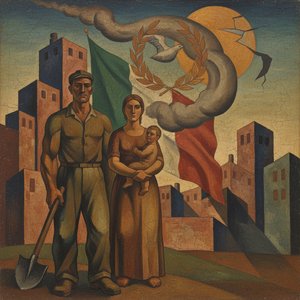
Mario Sironi: Poesia dell'Identità Italiana tra Simbolismo e Commento Sociale nel Novecento
Esplora la poetica di Mario Sironi e il suo ruolo chiave nel Novecento Italiano. Analisi approfondita del simbolismo, dell'impegno sociale e dell'influenza della Metafisica sulla sua arte. Scopri l'eredità di questo maestro italiano.


