 Anteprima in scala reale
 Invia
Invia Condividi
 Dettagli opera

 Scarica immagine
 Simili
 Radiografia
 Slideshow
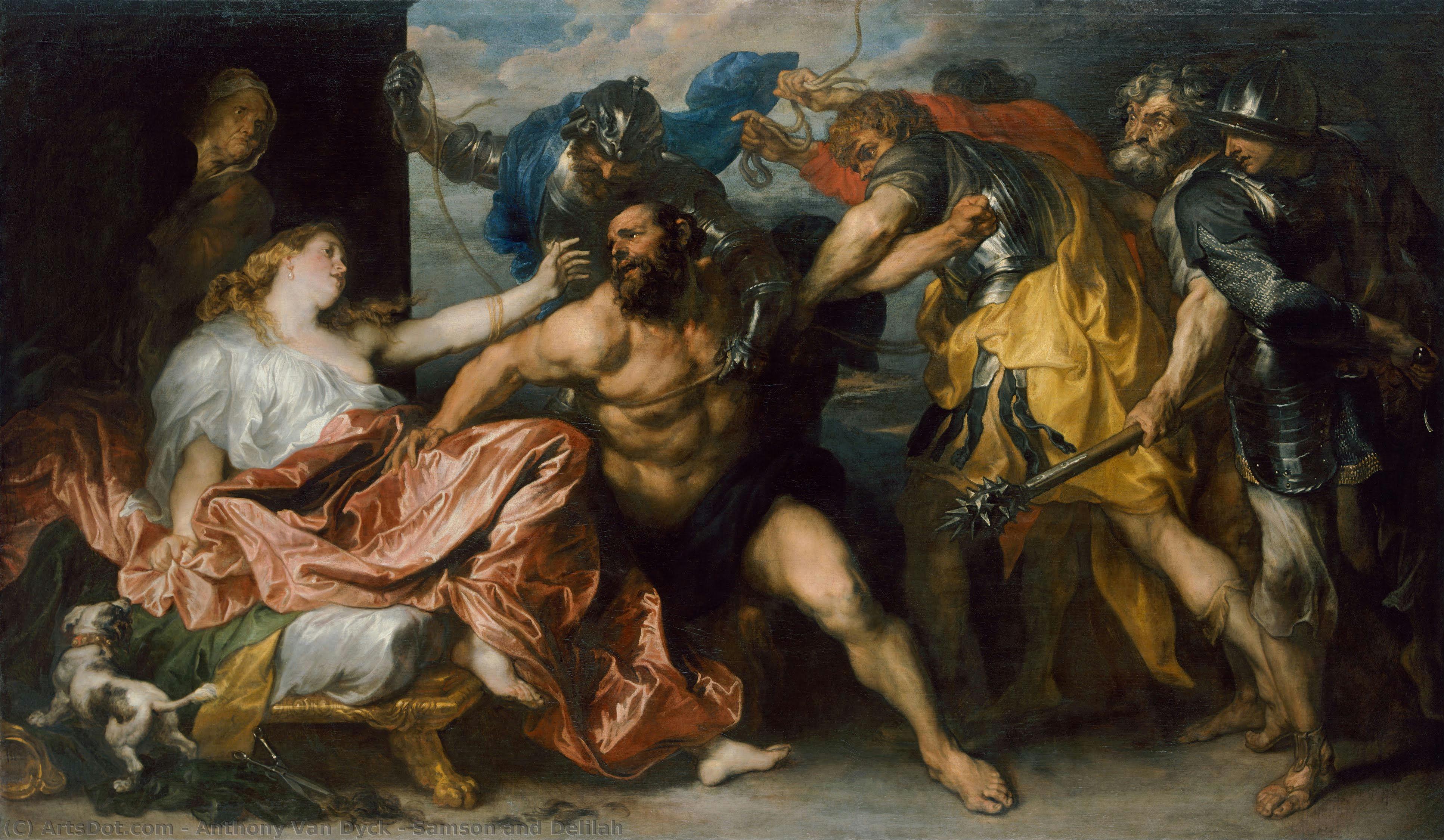
Samson and Delilah
 Oil On Canvas
- WallArt
- Baroque
 1630
1630- Early Modern
 2540.0 x 1460.0 cm
 Kunsthistorisches Museum
 Espandi i dettagli
Giclée / Stampe d'arte
Stampa giclée o su tela di qualità museale, con produzione rapida e diverse opzioni di finitura. ( Acquista il dipinto realizzato a mano Acquista immagine)




P118B $10

P118H $10

P118W $10

P438Z $10

P508JH $12

P508YH $12

P805H $10

P805Z $10

P919BZ $10

P919G $10

P919XJ $10

P959ZH $10

P968JZ $12

W106C $8

W218G $10

W218JH $8

W218Y $10

W307PJ $10

W316G $10

W316PJ $8

W316Y $10

W398PJ $8

W4111J $10

W500HY $15

W500JH $15

W692G $12

W849H $8

W940BG $15

W953PJ $8




Scegli tra le nostre dimensioni predefinite, che rispettano le proporzioni originali dell'opera d'arte.

È possibile inserire dimensioni personalizzate per adattare l'opera a una cornice o a uno spazio specifico. Se la dimensione selezionata non corrisponde alle proporzioni dell'immagine originale, procederemo al ritaglio dell'opera o all'estensione dell'immagine con un bordo specchiato o a tinta unita. Un mockup digitale ti verrà inviato per approvazione prima dell'inizio della produzione.
Si prega di notare che l'anteprima a schermo non riflette il ritaglio o l'estensione effettivi. Solo il mockup mostrerà accuratamente la composizione finale.
Sebbene siano disponibili dimensioni personalizzate, si raccomanda di selezionare una dimensione dall'elenco predefinito per preservare le proporzioni originali.
Consegna in tutto il mondo () in 2 settimane invece delle normali 4/5 settimane. (3 Settembre)

Spedizione espressa gratuita in tutto il mondo

Tela in lino di alta qualità

Assicurazione completa sulla spedizione

Garanzia di rimborso dei dazi doganali

Garanzia di fedeltà cromatica

Politica di reso entro 60 giorni (solo per difetti di fabbricazione)

Garanzia di rimborso al 100%

Offerta per acquisti multipli
 L'opzione vetro è disponibile solo per dimensioni inferiori a 110 cm

Samson and Delilah
Giclée / Stampe d'arte
Dimensioni riproduzione
-


Prezzo totale calcolato
$ 80
A Moment Suspended in Treachery
In the grand tapestry of the Flemish Baroque, few moments capture the tension between divine strength and human frailty as poignantly as Sir Anthony van Dyck’s Samson and Delilah. Executed around 1630, this masterpiece does not merely recount a biblical episode; it invites the viewer into a claustrophobic, high-stakes drama where every shadow holds a secret. The scene centers on the pivotal instant of betrayal: Samson, the legendary figure of immense power, sits in a state of vulnerable repose, while Delilah, driven by a complex mixture of resolve and perhaps a lingering remorse, prepares to sever the very source of his strength—his hair. It is a tableau of deceptive stillness, where the air seems heavy with the impending loss of liberty and the weight of a broken covenant.
Van Dyck’s technical mastery is on full display through his sophisticated use of chiaroscuro. The dramatic interplay of light and shadow does more than define the physical forms; it sculpts the psychological landscape of the characters. Light spills across the textures of the scene—the soft sheen of skin, the heavy weight of luxurious fabrics, and the intricate strands of hair—creating a luminous quality that is a hallmark of his style. By employing a pyramidal composition, Van Dyck directs our gaze inward toward the central interaction, ensuring that the emotional gravity of the encounter remains the undisputed heart of the work. The background, reminiscent of the expansive landscapes favored by his mentor Peter Paul Rubens, provides a breathtaking contrast to the intimate, almost suffocating intensity of the foreground drama.
Symbolism and the Baroque Soul
Beyond the literal narrative of the Book of Judges, this painting serves as a profound meditation on the human condition. The figures are laden with symbolic weight, representing the eternal struggle between faith and doubt, and strength and vulnerability. Samson’s physical prowess is rendered secondary to his emotional exposure; he is a titan brought low not by a sword, but by trust. Delilah, often portrayed in art as a mere temptress, is given here a more nuanced, psychological depth, embodying the devastating consequences of pride and the complexity of desire. Even the peripheral elements, such as the presence of watchful dogs or the sturdy furniture, ground this celestial tragedy in a tangible, earthly reality that resonates with any observer.
For the discerning collector or interior designer, a reproduction of this caliber offers more than just visual splendor; it provides a focal point of intellectual and emotional depth. The painting’s rich palette and dramatic lighting make it an extraordinary addition to a curated space, capable of commanding attention in a formal study, a grand salon, or a sophisticated gallery wall. It is a piece that invites long periods of contemplation, offering new layers of meaning with every glance. To possess such a work is to bring a fragment of the Golden Age of Flemish art into the modern home, celebrating a period where art was used to explore the very limits of the human spirit.
Biografia dell'artista
A Flemish Master at the Courts of Europe
Sir Anthony van Dyck, born in Antwerp in 1599, emerged as one of the most celebrated and influential portraitists of the Baroque era. His life, though tragically cut short at just forty-two years old, was a whirlwind of artistic exploration and prestigious commissions that took him from his native Flanders to Italy and ultimately to the heart of the English court. From an early age, van Dyck displayed remarkable talent, entering Hendrick van Balen’s workshop as a young apprentice and quickly absorbing the prevailing styles of the time. However, it was his association with Peter Paul Rubens – not merely as a student but as a collaborator – that truly shaped his artistic foundation. He learned from Rubens' dynamic compositions, rich color palettes, and masterful handling of light and shadow, yet van Dyck soon began to forge his own distinct path, one characterized by an elegance and refinement that would become his signature.Italian Sojourns and the Birth of a Style
The years van Dyck spent in Italy, beginning around 1621, proved pivotal in his artistic development. He resided primarily in Genoa, where he found favor among the city’s aristocratic families. It was here that he began to cultivate the sophisticated style for which he would become renowned – a style marked by graceful poses, luxurious fabrics, and an almost palpable sense of nobility. Unlike the robust energy often found in Rubens' work, van Dyck’s Italian portraits exude a refined composure, capturing not just physical likeness but also the inner character and social standing of his sitters. During this period, he embarked on his *Iconography*, a series of meticulously rendered portrait etchings featuring prominent figures of his time – artists, scholars, and rulers alike. This project showcased his exceptional technical skill and established him as a leading printmaker. These etchings weren’t simply records; they were carefully constructed images designed to immortalize the subjects and convey their status and intellect. He experimented with new techniques and absorbed influences from Venetian masters like Titian, adapting them to his own aesthetic vision.The King's Painter: Van Dyck in England
In 1632, van Dyck received an invitation that would forever alter his career trajectory – a summons from Charles I of England to become the court painter. This appointment marked a turning point, not only for van Dyck but also for English portraiture. He arrived in London with a considerable reputation and quickly became indispensable to the king, tasked with creating images that projected an aura of power, majesty, and divine right. Van Dyck’s portraits of Charles I are particularly noteworthy; he moved away from the stiff, formal representations favored by earlier artists, instead portraying the king as a dynamic, charismatic leader. He employed innovative techniques – dramatic lighting, sweeping gestures, and carefully chosen backgrounds – to create images that were both visually stunning and politically charged. His influence extended beyond the royal family, shaping the visual culture of the English aristocracy for generations to come. He revolutionized portrait painting by prioritizing psychological insight alongside physical accuracy, establishing a new standard for artistic excellence.Legacy and Enduring Influence
Van Dyck's untimely death in 1641 robbed the art world of a prodigious talent, but his legacy endures to this day. His impact on English portraiture is immeasurable; he established a standard of elegance and sophistication that subsequent artists would strive to emulate. He was recognized as one of the foremost painters of his time, celebrated for his mastery of technique and his ability to convey emotion through visual representation. His works continue to captivate audiences with their beauty, elegance, and enduring psychological depth. The Balbi Children, Charles I in Three Positions, and countless other masterpieces stand as testaments to his genius, ensuring that Sir Anthony van Dyck remains one of the most celebrated artists of the Baroque period. His influence can still be seen today in fashion, photography, and contemporary portraiture, a testament to the timeless appeal of his art.
Sir Anthony van Dyck
1599 - 1641 , Belgio
Dati rapidi
- Artistic Movement Or Style: Baroque
- Artists Who Influenced This Artist: ['Peter Paul Rubens']
- Date Of Birth: March 22, 1599
- Full Name: Sir Anthony van Dyck
- Nationality: Flemish
- Notable Artworks:
- Portrait of a Woman
- Charles I in Three Positions
- Place Of Birth: Antwerp, Belgium
Articoli correlati

Sir Anthony van Dyck: Ritratto di Corte e Formazione dell'Identità Barocca
Esplora l'arte di Anthony van Dyck, il maestro del ritratto barocco. Analisi approfondita delle sue opere italiane e inglesi, l'influenza di Tiziano e la sua eredità nella storia dell'arte. Scopri i segreti della pittura di corte.

Rembrandt van Rijn: I 25 Capolavori Immortali da Ammirare | OriginalUniqueArt
Esplora i 25 capolavori di Rembrandt van Rijn, da 'La Ronda di Notte' ai suoi intensi autoritratti. Scopri la storia, le tecniche e l'arte barocca del maestro olandese. Riproduzioni di alta qualità su OriginalUniqueArt.com.
The Grandeur of Baroque Portraiture: Power, Emotion & Artistic Innovation
Explore the grandeur of Baroque portraiture! Discover Rubens, Van Dyck & the masters of 17th-century art. Uncover symbolism, techniques & lasting influence. Expert insights for collectors and enthusiasts.

I 10 Capolavori Barocchi che Hanno Definito un'Epoca | Arte e Decorazioni di Lusso
Esplora i 10 capolavori barocchi di Caravaggio, Bernini e Rembrandt che hanno rivoluzionato l'arte. Scopri storie, tecniche e colori iconici. Trova riproduzioni d'arte di alta qualità per la tua casa su !

I 10 Capolavori del Barocco Olandese che Hanno Definito un'Epoca | OriginalUniqueArt
Esplora i 10 capolavori del Barocco olandese con OriginalUniqueArt. Scopri Rembrandt, Vermeer e altri maestri. Quadri antichi, luce intensa e storie affascinanti per decorare la tua casa con arte di qualità museale. Esplora la collezione online!