Anteprima in scala reale
 Invia
Invia Condividi
 Dettagli opera
 Guida
Guida

 Scarica
 Simili
 Radiografia
 Slideshow
 Statistiche
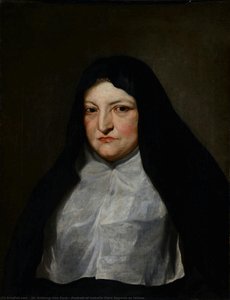
Autoritratto
 Olio su tela
- Arte da parete
- Barocco
 1621
1621- Età Moderna
 82.0 x 70.0 cm
 Pinacoteca dell'Antica
 Espandi i dettagli
Riproduzione a olio fatta a mano
Olio su tela dipinto a mano nelle tue dimensioni e con la tua cornice, realizzato su ordinazione dai nostri artisti. ( Passa alle stampe Passa all'immagine digitale)




P118B €10

P118H €10

P118W €10

P438Z €10

P508JH €12

P508YH €12

P805H €10

P805Z €10

P919BZ €10

P919G €10

P919XJ €10

P959ZH €10

P968JZ €12

W106C €8

W218G €10

W218JH €8

W218Y €10

W307PJ €10

W316G €10

W316PJ €8

W316Y €10

W398PJ €8

W4111J €10

W500HY €15

W500JH €15

W692G €12

W849H €8

W940BG €15

W953PJ €8




Scegli tra le nostre dimensioni predefinite, che rispettano le proporzioni originali dell'opera d'arte.

Inserisci la larghezza e l'altezza desiderate, per adattarle alla tua cornice o alla tua parete. Trattandosi di un'opera dipinta a mano, in caso di dimensioni con un formato differente, l'artista può estendere leggermente il dipinto oltre i bordi dell'immagine o ritagliare una piccola parte — la scelta spetta a te. Ti invieremo un mockup digitale da approvare prima che la realizzazione abbia inizio. L'immagine mostrata in questa pagina non rappresenta il risultato finale — solo il mockup lo fa.
Dopo l'ordine, il team di OriginalUniqueArt.com contatterà il cliente via e-mail per ricevere le istruzioni e fornirà un'anteprima del mockup
Consegna in tutto il mondo () in 3/4 settimane anziché nelle normali 5 settimane. (26 Ottobre). Nessun compromesso sulla qualità.

Spedizione espressa gratuita in tutto il mondo

Tela in lino di alta qualità

Assicurazione completa sulla spedizione

Garanzia di rimborso dei dazi doganali

Garanzia di fedeltà cromatica assoluta

Politica di reso entro 100 giorni (solo per difetti di fabbricazione)

Garanzia di rimborso al 100%

Offerta per acquisti multipli
 L'opzione vetro è disponibile solo per dimensioni inferiori a 110 cm

Autoritratto
Tecnica di riproduzione
Dimensioni riproduzione
-


Prezzo finale calcolato
€ 263
Una Finestra sulla Dignità Rinascimentale
Nel suo autoritratto del 1621, Sir Anthony van Dyck presenta molto più di una semplice riflessione dei propri tratti; egli offre una profonda meditazione sull'identità e sulle ambizioni nascenti di una stella in ascesa. L'artista ritrae se stesso in una posa formale e imponente, seduto contro uno sfondo scuro e atmosferico che serve a proiettare la sua presenza verso lo spettatore. Questo uso deliberato del chiaroscuro—la magistrale manipolazione di luce e ombra—crea una luminosità drammatica sul suo volto e sulla sua veste, assicurando che il suo sguardo diventi il punto focale della composizione. Vi è un'indiscutibile aura di sicurezza in quest'opera, come se Van Dyck non stesse semplicemente documentando la propria somiglianza, ma stesse attivamente costruendo la persona di un gentiluomo sofisticato.
La tecnica impiegata qui è una testimonianza dell'extraordinaria abilità dell'artista con l'olio su tela. La sua pennellata meticolosa raggiunge un livello di dettaglio sorprendente, catturando le sottili texture della pelle e il pesante, lussuoso panneggio dei suoi abiti. Il modo in cui la luce danza sul bordo dorato della sua veste nera suggerisce una ricchezza tattile che invita l'occhio a soffermarsi. Attraverso questa esecuzione precisa, Van Dyck dimostra una profonda comprensione dell'anatomia e dell'interazione tra luce e ombra, conferendo al ritratto un senso di profondità e dinamismo tipico dello stile Barocco.
Simbolismo e l'Anima dell'Artista
Oltre la maestria fisica dell'opera si cela un ricco arazzo di simbolismo, progettato per trasmettere status e introspezione. Il cielo scuro o lo sfondo funge da elemento che va oltre la semplice componente atmosferica; esso simboleggia uno spazio di profonda contemplazione, rispecchiando lo sguardo interiore dell'artista stesso. All'interno di questo regno d'ombra, il bordo dorato del suo abbigliamento funge da segno sottile ma potente di prestigio e posizione sociale, riflettendo il legame di Van Dyck con i circoli aristocratici che avrebbe successivamente contribuito a definire. Persino i toni caldi presenti nei suoi capelli e nella sua barba sono intenzionali, trasmettendo un senso di maturità e saggezza che rafforza il messaggio del ritratto di una dignitosa auto-rappresentazione.
Per il collezionista o l'interior designer, questa riproduzione offre un impatto emotivo evocativo. Osservare quest'opera significa entrare in un momento di quieta contemplazione, connettendosi con un artista alle prese con le complessità del proprio scopo e del proprio posto nel mondo. È un pezzo che porta un senso di peso storico e profondità intellettuale in qualsiasi spazio, agendo come un elemento di conversazione che celebra il potere duraturo della ritrattistica nel trasmettere l'emozione umana e lo spirito indomabile dell'individuo.
Domande e risposte
Quali sono la tecnica e lo stile di "Autoritratto"?
"Autoritratto" di Sir Anthony van Dyck unisce la tecnica Olio su tela allo stile Barocco. La tecnica e il movimento definiscono la realizzazione e l'estetica dell'opera.
Come posso scoprire opere d'arte simili a "Autoritratto" di Sir Anthony van Dyck?
Le opere simili a "Autoritratto" di Sir Anthony van Dyck sono raccolte nella pagina Opere simili dell'opera.
"Autoritratto" di Sir Anthony van Dyck è un dipinto, un disegno o una stampa?
"Autoritratto" di Sir Anthony van Dyck è classificato come Arte da parete. La categoria descrive la tipologia di opera d'arte dell'originale.
Biografia dell'artista
A Flemish Master at the Courts of Europe
Sir Anthony van Dyck, born in Antwerp in 1599, emerged as one of the most celebrated and influential portraitists of the Baroque era. His life, though tragically cut short at just forty-two years old, was a whirlwind of artistic exploration and prestigious commissions that took him from his native Flanders to Italy and ultimately to the heart of the English court. From an early age, van Dyck displayed remarkable talent, entering Hendrick van Balen’s workshop as a young apprentice and quickly absorbing the prevailing styles of the time. However, it was his association with Peter Paul Rubens – not merely as a student but as a collaborator – that truly shaped his artistic foundation. He learned from Rubens' dynamic compositions, rich color palettes, and masterful handling of light and shadow, yet van Dyck soon began to forge his own distinct path, one characterized by an elegance and refinement that would become his signature.Italian Sojourns and the Birth of a Style
The years van Dyck spent in Italy, beginning around 1621, proved pivotal in his artistic development. He resided primarily in Genoa, where he found favor among the city’s aristocratic families. It was here that he began to cultivate the sophisticated style for which he would become renowned – a style marked by graceful poses, luxurious fabrics, and an almost palpable sense of nobility. Unlike the robust energy often found in Rubens' work, van Dyck’s Italian portraits exude a refined composure, capturing not just physical likeness but also the inner character and social standing of his sitters. During this period, he embarked on his *Iconography*, a series of meticulously rendered portrait etchings featuring prominent figures of his time – artists, scholars, and rulers alike. This project showcased his exceptional technical skill and established him as a leading printmaker. These etchings weren’t simply records; they were carefully constructed images designed to immortalize the subjects and convey their status and intellect. He experimented with new techniques and absorbed influences from Venetian masters like Titian, adapting them to his own aesthetic vision.The King's Painter: Van Dyck in England
In 1632, van Dyck received an invitation that would forever alter his career trajectory – a summons from Charles I of England to become the court painter. This appointment marked a turning point, not only for van Dyck but also for English portraiture. He arrived in London with a considerable reputation and quickly became indispensable to the king, tasked with creating images that projected an aura of power, majesty, and divine right. Van Dyck’s portraits of Charles I are particularly noteworthy; he moved away from the stiff, formal representations favored by earlier artists, instead portraying the king as a dynamic, charismatic leader. He employed innovative techniques – dramatic lighting, sweeping gestures, and carefully chosen backgrounds – to create images that were both visually stunning and politically charged. His influence extended beyond the royal family, shaping the visual culture of the English aristocracy for generations to come. He revolutionized portrait painting by prioritizing psychological insight alongside physical accuracy, establishing a new standard for artistic excellence.Legacy and Enduring Influence
Van Dyck's untimely death in 1641 robbed the art world of a prodigious talent, but his legacy endures to this day. His impact on English portraiture is immeasurable; he established a standard of elegance and sophistication that subsequent artists would strive to emulate. He was recognized as one of the foremost painters of his time, celebrated for his mastery of technique and his ability to convey emotion through visual representation. His works continue to captivate audiences with their beauty, elegance, and enduring psychological depth. The Balbi Children, Charles I in Three Positions, and countless other masterpieces stand as testaments to his genius, ensuring that Sir Anthony van Dyck remains one of the most celebrated artists of the Baroque period. His influence can still be seen today in fashion, photography, and contemporary portraiture, a testament to the timeless appeal of his art.
Sir Anthony van Dyck
1599 - 1641 , Belgio
Dettagli rapidi
- Artistic Movement Or Style: Baroque
- Artists Who Influenced This Artist: ['Peter Paul Rubens']
- Date Of Birth: March 22, 1599
- Full Name: Sir Anthony van Dyck
- Nationality: Flemish
- Notable Artworks:
- Portrait of a Woman
- Charles I in Three Positions
- Place Of Birth: Antwerp, Belgium
Articoli correlati

The Enduring Legacy of Oil on Canvas: Technique, History & Aesthetic Impact
Explore the rich history & techniques of oil painting – from Renaissance masters to Impressionism. Discover pigments, layering methods, and why this timeless medium endures. Expert insights for artists & art enthusiasts.

Rembrandt van Rijn: I 25 Capolavori Immortali da Ammirare | OriginalUniqueArt
Esplora i 25 capolavori di Rembrandt van Rijn, da 'La Ronda di Notte' ai suoi intensi autoritratti. Scopri la storia, le tecniche e l'arte barocca del maestro olandese. Riproduzioni di alta qualità su OriginalUniqueArt.com.
Sir Anthony van Dyck: Ritratto di Corte e Formazione dell'Identità Barocca
Esplora l'arte di Anthony van Dyck, il maestro del ritratto barocco. Analisi approfondita delle sue opere italiane e inglesi, l'influenza di Tiziano e la sua eredità nella storia dell'arte. Scopri i segreti della pittura di corte.

Oil on Canvas: A Historical & Technical Exploration of a Timeless Artistic Medium
Explore the rich history & enduring techniques of oil painting on canvas. Discover the science behind its longevity, conservation practices, and contemporary relevance. Expert insights for art enthusiasts.

Flemish Baroque: The Ultimate Masterclass in Dramatic Light, Opulent Detail, and Visual Impact
Discover the breathtaking drama of Flemish Baroque art. Explore the mastery of Rubens and Van Dyck through an expert lens, focusing on chiaroscuro, opulent detail, and the emotional intensity that defines this legendary era of visual impact.