 Anteprima in scala reale
 Condividi
 Condividi
 Dettagli

 Scarica immagine
 Articoli simili
 Radiografia
 Slideshow
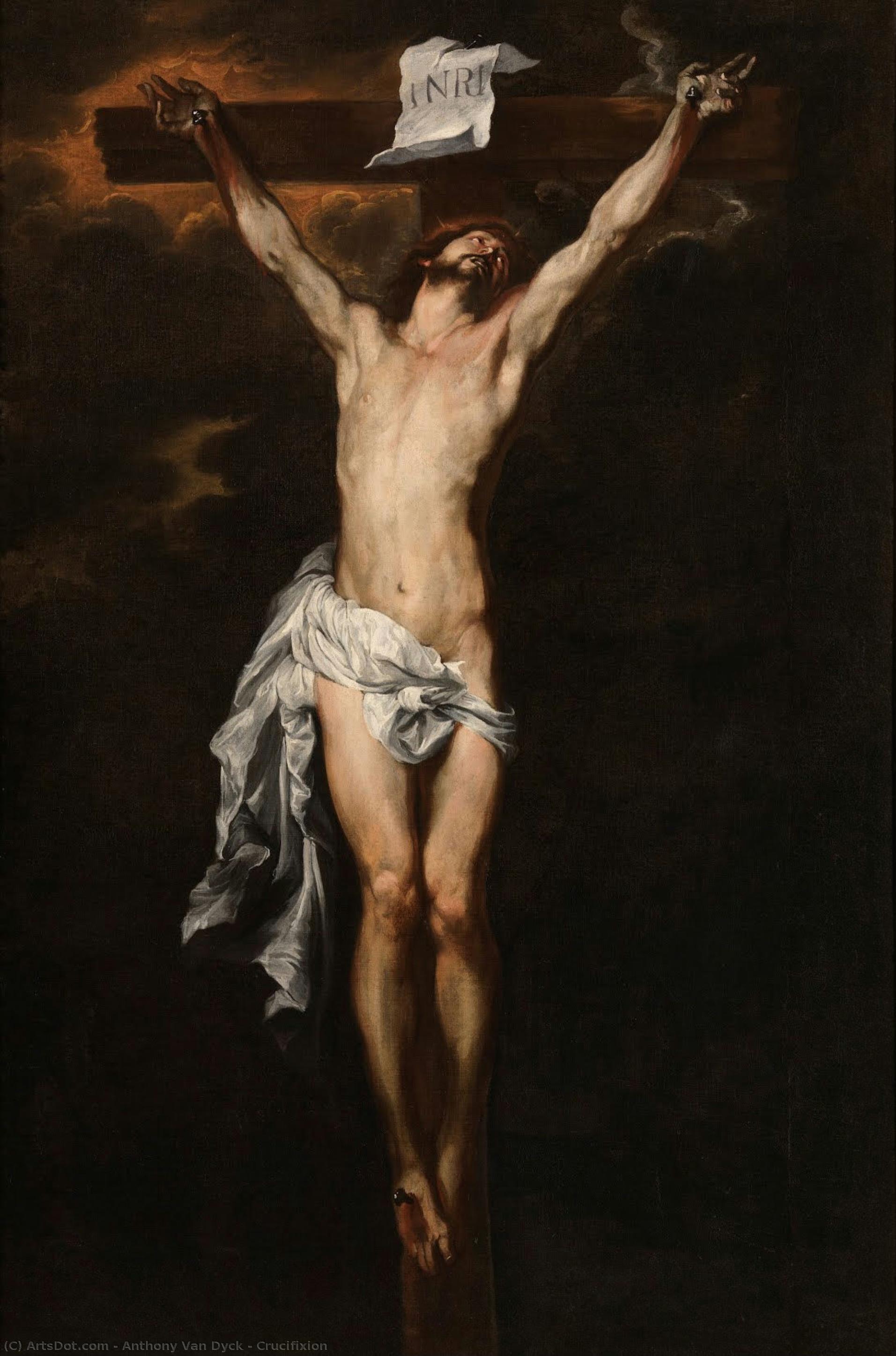
Crucifixion


 Leggi tutto
Giclée / Stampe d'arte
Stampa giclée o su tela di qualità museale, con produzione rapida e diverse opzioni di finitura. ( Ordina la riproduzione dipinta a mano Acquista download)




P118B $10

P118H $10

P118W $10

P438Z $10

P508JH $12

P508YH $12

P805H $10

P805Z $10

P919BZ $10

P919G $10

P919XJ $10

P959ZH $10

P968JZ $12

W106C $8

W218G $10

W218JH $8

W218Y $10

W307PJ $10

W316G $10

W316PJ $8

W316Y $10

W398PJ $8

W4111J $10

W500HY $15

W500JH $15

W692G $12

W849H $8

W940BG $15

W953PJ $8




Scegli tra le nostre dimensioni predefinite, che rispettano le proporzioni originali dell'opera d'arte.

È possibile inserire dimensioni personalizzate per adattare l'opera a una cornice o a uno spazio specifico. Se la dimensione selezionata non corrisponde alle proporzioni dell'immagine originale, procederemo al ritaglio dell'opera o all'estensione dell'immagine con un bordo specchiato o a tinta unita. Un mockup digitale ti verrà inviato per approvazione prima dell'inizio della produzione.
Si prega di notare che l'anteprima a schermo non riflette il ritaglio o l'estensione effettivi. Solo il mockup mostrerà accuratamente la composizione finale.
Sebbene siano disponibili dimensioni personalizzate, si raccomanda di selezionare una dimensione dall'elenco predefinito per preservare le proporzioni originali.
Consegna in tutto il mondo () in 2 settimane invece delle normali 4/5 settimane. (20 Agosto)

Spedizione espressa gratuita in tutto il mondo

Tela in lino di alta qualità

Assicurazione completa sulla spedizione

Garanzia di rimborso dei dazi doganali

Garanzia di fedeltà cromatica dell'originale

Politica di reso entro 60 giorni (solo per difetti di fabbricazione)

Garanzia di rimborso al 100%

Sconto per acquisti multipli
 L'opzione vetro è disponibile solo per dimensioni inferiori a 110 cm

Crucifixion
Giclée / Stampe d'arte
Dimensioni della riproduzione
-


Prezzo totale
$ 80
Descrizione del pezzo
Crucifixion by Sir Anthony van Dyck
Sir Anthony van Dyck’s *Crucifixion*, completed circa 1630, stands as a monumental testament to Baroque artistry and theological contemplation. Initially commissioned for the Convent of the Récollets in Lille during his second Antwerp period—a time marked by collaboration with Rubens—the painting swiftly transcended its initial purpose to become an emblem of Christian faith and artistic innovation.
- Subject Matter: The scene depicts Jesus Christ crucified on a cross, meticulously rendered with profound emotional depth. Alongside the central figure is Mary Magdalene, positioned prominently on the left side, embodying compassion and sorrow; Saint John the Evangelist appears at the upper right corner, symbolizing unwavering devotion.
- Style & Technique: Van Dyck’s masterful brushwork—characterized by a velvety smoothness achieved through layering thin glazes—captures the dramatic tension of the crucifixion with unparalleled precision. The artist skillfully employs chiaroscuro, manipulating light and shadow to heighten the emotional impact and imbue the composition with palpable realism.
- Historical Context: Executed during Van Dyck’s formative years in Antwerp and subsequently revisited during his London engagement, *Crucifixion* reflects the prevailing artistic currents of its time—namely, the influence of Venetian masters like Titian and Tintoretto. It embodies the Baroque fascination with grandeur, emotion, and spiritual fervor.
- Symbolism: The painting’s iconography is rich in symbolic references. The three mourners—Mary Magdalene, Saint John, and Mary—wear garments bearing distinct colors—gold, red, and blue—representing divine light, passion, and humanity respectively. Beneath the cross rests Adam's skull, symbolizing the Fall from Paradise and reminding viewers of mortality.
- Emotional Impact: *Crucifixion* transcends mere visual representation; it evokes profound contemplation on themes of suffering, redemption, and faith. The artist’s expressive portrayal of Jesus’s agony compels viewers to confront existential questions about human existence and divine compassion.
This magnificent artwork resides in the Louvre Museum, where its luminous colors and masterful execution continue to inspire admiration and scholarly debate. Reproductions of *Crucifixion* offer an exceptional opportunity to experience the sublime beauty and spiritual resonance of Baroque art firsthand.
Biografia dell'artista
A Flemish Master at the Courts of Europe
Sir Anthony van Dyck, born in Antwerp in 1599, emerged as one of the most celebrated and influential portraitists of the Baroque era. His life, though tragically cut short at just forty-two years old, was a whirlwind of artistic exploration and prestigious commissions that took him from his native Flanders to Italy and ultimately to the heart of the English court. From an early age, van Dyck displayed remarkable talent, entering Hendrick van Balen’s workshop as a young apprentice and quickly absorbing the prevailing styles of the time. However, it was his association with Peter Paul Rubens – not merely as a student but as a collaborator – that truly shaped his artistic foundation. He learned from Rubens' dynamic compositions, rich color palettes, and masterful handling of light and shadow, yet van Dyck soon began to forge his own distinct path, one characterized by an elegance and refinement that would become his signature.Italian Sojourns and the Birth of a Style
The years van Dyck spent in Italy, beginning around 1621, proved pivotal in his artistic development. He resided primarily in Genoa, where he found favor among the city’s aristocratic families. It was here that he began to cultivate the sophisticated style for which he would become renowned – a style marked by graceful poses, luxurious fabrics, and an almost palpable sense of nobility. Unlike the robust energy often found in Rubens' work, van Dyck’s Italian portraits exude a refined composure, capturing not just physical likeness but also the inner character and social standing of his sitters. During this period, he embarked on his *Iconography*, a series of meticulously rendered portrait etchings featuring prominent figures of his time – artists, scholars, and rulers alike. This project showcased his exceptional technical skill and established him as a leading printmaker. These etchings weren’t simply records; they were carefully constructed images designed to immortalize the subjects and convey their status and intellect. He experimented with new techniques and absorbed influences from Venetian masters like Titian, adapting them to his own aesthetic vision.The King's Painter: Van Dyck in England
In 1632, van Dyck received an invitation that would forever alter his career trajectory – a summons from Charles I of England to become the court painter. This appointment marked a turning point, not only for van Dyck but also for English portraiture. He arrived in London with a considerable reputation and quickly became indispensable to the king, tasked with creating images that projected an aura of power, majesty, and divine right. Van Dyck’s portraits of Charles I are particularly noteworthy; he moved away from the stiff, formal representations favored by earlier artists, instead portraying the king as a dynamic, charismatic leader. He employed innovative techniques – dramatic lighting, sweeping gestures, and carefully chosen backgrounds – to create images that were both visually stunning and politically charged. His influence extended beyond the royal family, shaping the visual culture of the English aristocracy for generations to come. He revolutionized portrait painting by prioritizing psychological insight alongside physical accuracy, establishing a new standard for artistic excellence.Legacy and Enduring Influence
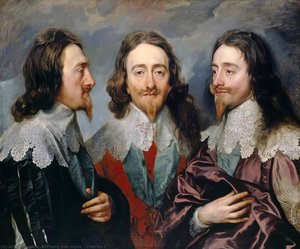
Van Dyck's untimely death in 1641 robbed the art world of a prodigious talent, but his legacy endures to this day. His impact on English portraiture is immeasurable; he established a standard of elegance and sophistication that subsequent artists would strive to emulate. He was recognized as one of the foremost painters of his time, celebrated for his mastery of technique and his ability to convey emotion through visual representation. His works continue to captivate audiences with their beauty, elegance, and enduring psychological depth. The Balbi Children, Charles I in Three Positions, and countless other masterpieces stand as testaments to his genius, ensuring that Sir Anthony van Dyck remains one of the most celebrated artists of the Baroque period. His influence can still be seen today in fashion, photography, and contemporary portraiture, a testament to the timeless appeal of his art.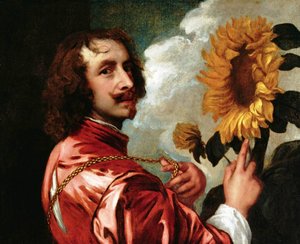
Sir Anthony van Dyck
1599 - 1641 , Belgio
Informazioni rapide
- Artistic Movement Or Style: Baroque
- Artists Who Influenced This Artist: ['Peter Paul Rubens']
- Date Of Birth: March 22, 1599
- Full Name: Sir Anthony van Dyck
- Nationality: Flemish
- Notable Artworks:
- Portrait of a Woman
- Charles I in Three Positions
- Place Of Birth: Antwerp, Belgium
Articoli correlati
Van Gogh: Le 25 Opere Più Iconiche per Amare l'Arte e Arredare con Stile
Esplora le 25 opere più iconiche di Van Gogh: dai Girasoli alla Notte Stellata. Scopri la storia, lo stile e i colori che hanno reso Vincent van Gogh un maestro dell'arte moderna. Trova riproduzioni di alta qualità su OriginalUniqueArt.com.
Sir Anthony van Dyck: Ritratto di Corte e Formazione dell'Identità Barocca
Esplora l'arte di Anthony van Dyck, il maestro del ritratto barocco. Analisi approfondita delle sue opere italiane e inglesi, l'influenza di Tiziano e la sua eredità nella storia dell'arte. Scopri i segreti della pittura di corte.

Rembrandt van Rijn: I 25 Capolavori Immortali da Ammirare | OriginalUniqueArt
Esplora i 25 capolavori di Rembrandt van Rijn, da 'La Ronda di Notte' ai suoi intensi autoritratti. Scopri la storia, le tecniche e l'arte barocca del maestro olandese. Riproduzioni di alta qualità su OriginalUniqueArt.com.
Giclée Prints: Archival Quality & Aesthetic Nuances for the Discerning Collector
Explore the world of giclée prints with OriginalUniqueArt. Learn about archival quality, aesthetic nuances & investment potential. Expert guidance for discerning art collectors seeking museum-quality reproductions and lasting value.
The Grandeur of Baroque Portraiture: Power, Emotion & Artistic Innovation
Explore the grandeur of Baroque portraiture! Discover Rubens, Van Dyck & the masters of 17th-century art. Uncover symbolism, techniques & lasting influence. Expert insights for collectors and enthusiasts.