Dimensione testo

() ·

Un dipinto creato per te, a mano

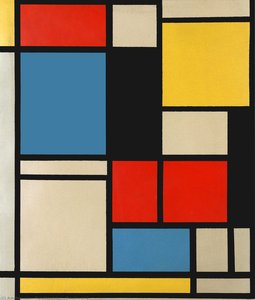
Composizione III blu e giallo

Riproduzione a olio fatta a mano

Olio su tela dipinto a mano nelle tue dimensioni e con la tua cornice, realizzato su ordinazione dai nostri artisti. ( Passa alle stampe Passa all'immagine digitale)

Descrizione del reperto

Scopri la maestosità della composizione III blu e giallo di Piet Mondrian: un manifesto dell'astrattismo neo-plastico che celebra l'equilibrio armonioso tra colori primari e linee nere.

Biografia dell'artista

Esplora l'arte di Piet Mondrian (1872-1944), un pioniere dell'arte astratta e del movimento De Stijl. Scopri i suoi iconici dipinti geometrici, lo stile Neoplasticismo e la sua duratura influenza sul design moderno, sull'architettura e sull'arte del XX secolo.

da ·

Capitolo 1

Di che dimensioni dovrebbe essere?

Scorri per cambiare la dimensione; l'immagine a sinistra mostra la cornice nella sua larghezza reale. Le proporzioni dell'originale vengono mantenute.

Formato standard
su misura
CM
INCH

Scegli tra le nostre dimensioni predefinite, che rispettano le proporzioni originali dell'opera d'arte.

larghezza
altezza

Inserisci la larghezza e l'altezza desiderate, per adattarle alla tua cornice o alla tua parete. Trattandosi di un'opera dipinta a mano, in caso di dimensioni con un formato differente, l'artista può estendere leggermente il dipinto oltre i bordi dell'immagine o ritagliare una piccola parte — la scelta spetta a te. Ti invieremo un mockup digitale da approvare prima che la realizzazione abbia inizio. L'immagine mostrata in questa pagina non rappresenta il risultato finale — solo il mockup lo fa.

Capitolo 2

Come desideri che venga consegnato?

Scegli il tipo di bordo per la tela tesa

Scegli la tua cornice

Corner sample of the WhiteWrap canvas edge finish, stretched on legno massello bars
Bianco €1
Corner sample of the BlurSideWrap canvas edge finish, stretched on legno massello bars
Bordi sfumati €1
Corner sample of the ExtendedWrap canvas edge finish, stretched on legno massello bars
Bordi estesi €1
Corner sample of the P118B picture frame: polistirene stampato, 5 cm wide and 3 cm thick
P118B €10
Corner sample of the P118H picture frame: polistirene stampato, 5 cm wide and 3 cm thick
P118H €10
Corner sample of the P118W picture frame: polistirene stampato, 5 cm wide and 3 cm thick
P118W €10
Corner sample of the P438Z picture frame: polistirene stampato, 5.5 cm wide and 3.5 cm thick
P438Z €10
Corner sample of the P508JH picture frame: polistirene stampato, 7 cm wide and 3.5 cm thick
P508JH €12
Corner sample of the P508YH picture frame: polistirene stampato, 7 cm wide and 3.5 cm thick
P508YH €12
Corner sample of the P805H picture frame: polistirene stampato, 5 cm wide and 3.5 cm thick
P805H €10
Corner sample of the P805Z picture frame: polistirene stampato, 5 cm wide and 3.5 cm thick
P805Z €10
Corner sample of the P919BZ picture frame: polistirene stampato, 7 cm wide and 3.5 cm thick
P919BZ €10
Corner sample of the P919G picture frame: polistirene stampato, 7 cm wide and 3.5 cm thick
P919G €10
Corner sample of the P919XJ picture frame: polistirene stampato, 7 cm wide and 3.5 cm thick
P919XJ €10
Corner sample of the P959ZH picture frame: polistirene stampato, 5 cm wide and 3 cm thick
P959ZH €10
Corner sample of the P968JZ picture frame: polistirene stampato, 6 cm wide and 4 cm thick
P968JZ €12
Corner sample of the W106C picture frame: legno massello, 5 cm wide and 3 cm thick
W106C €8
Corner sample of the W218G picture frame: legno massello, 5 cm wide and 3 cm thick
W218G €10
Corner sample of the W218JH picture frame: legno massello, 5 cm wide and 3 cm thick
W218JH €8
Corner sample of the W218Y picture frame: legno massello, 5 cm wide and 3 cm thick
W218Y €10
Corner sample of the W307PJ picture frame: legno massello, 6 cm wide and 3 cm thick
W307PJ €10
Corner sample of the W316G picture frame: legno massello, 6 cm wide and 3 cm thick
W316G €10
Corner sample of the W316PJ picture frame: legno massello, 6 cm wide and 3 cm thick
W316PJ €8
Corner sample of the W316Y picture frame: legno massello, 6 cm wide and 3 cm thick
W316Y €10
Corner sample of the W398PJ picture frame: legno massello, 5 cm wide and 3 cm thick
W398PJ €8
Corner sample of the W4111J picture frame: legno massello, 6.5 cm wide and 3.5 cm thick
W4111J €10
Corner sample of the W500HY picture frame: legno massello, 7 cm wide and 5 cm thick
W500HY €15
Corner sample of the W500JH picture frame: legno massello, 7 cm wide and 5 cm thick
W500JH €15
Corner sample of the W692G picture frame: legno massello, 8 cm wide and 4 cm thick
W692G €12
Corner sample of the W849H picture frame: legno massello, 5 cm wide and 3 cm thick
W849H €8
Corner sample of the W940BG picture frame: legno massello, 7.5 cm wide and 4.5 cm thick
W940BG €15
Corner sample of the W953PJ picture frame: legno massello, 6 cm wide and 3.5 cm thick
W953PJ €8
Corner sample of the H24-GOLD picture frame: legno intagliato e gessato, 10 cm wide and 6 cm thick
H24-GOLD €30
Corner sample of the H24-SILVER picture frame: legno intagliato e gessato, 10 cm wide and 6 cm thick
H24-SILVER €30
Corner sample of the H36-GOLD picture frame: legno intagliato e gessato, 15 cm wide and 6.5 cm thick
H36-GOLD €45
Corner sample of the H36-SILVER picture frame: legno intagliato e gessato, 15 cm wide and 6.5 cm thick
H36-SILVER €45
Anteprima cornice
Con cornice

Cornice: . Dimensioni complessive con cornice: .

Capitolo 3

Chi lo dipinge, e dovrebbe cambiare qualcosa?

Esempi di ciò che può essere modificato: Sostituire il volto con la foto del cliente; Aggiungere un animale domestico (ad es. sostituire il gatto con un cane); Inserire un messaggio nascosto nello sfondo; Cambiare il paesaggio o gli elementi dello sfondo.
Dopo l'ordine, il team di OriginalUniqueArt.com invierà un'e-mail al cliente per le istruzioni e fornirà un'anteprima del mockup

Consegna in tutto il mondo () in 3/4 settimane anziché nelle normali 5 settimane. (4 Novembre). Nessun compromesso sulla qualità.

Capitolo 4

Le ultime rifiniture

Una targhetta, come quella di un museo?

Dettagli della targhetta in bronzo inciso

This elegant plaque features the artist's name and the title of the artwork, finely engraved for a timeless presentation.

It is made from bronze with a refined, elegant finish. The text is precisely laser-engraved for a sharp and permanent result. Measuring 9x2 cm, the plaque is compact yet easy to read. It's built to be durable and scratch-resistant, offering a professional, museum-quality look. Mounting is simple thanks to the included adhesive backing.

Dettagli della targhetta in acrilico trasparente

The plaque includes essential engraved details such as the artist's name, the title of the artwork, the date it was created, the type of media used-like oil on canvas or watercolor-a brief description of the piece, and a QR code that links to the complete artwork information.

It is crafted from clear acrylic, offering a sleek, modern appearance. The text is UV-engraved in black to ensure strong visual contrast. With a size of 10x15 cm, it ensures optimal readability. It comes equipped with two metal hooks for secure wall mounting. The plaque is designed to be weather-resistant, making it suitable for various environments, and it includes interactive features that work seamlessly with smartphone scanning.

Dettagli della targhetta in acrilico nero

This elegant plaque includes engraved information such as the artist's name, the title of the artwork, the date it was created, the type of media used (like oil on canvas or watercolor), a short description of the artwork, and a QR code for quick access to more information.

The plaque itself is made from refined black acrylic with a premium finish. The text is laser-engraved in white for high contrast and readability. Its size is 10x15 cm, designed to be easy to read. It comes with two metal hooks for professional mounting. The design is sleek and fits any interior style. It is also weather-resistant and durable, with built-in digital integration for mobile compatibility.

Una vernice protettiva?

Quando ti serve?

Capitolo 5

Il tuo dipinto, esattamente come lo hai ordinato

Composizione III blu e giallo

Tecnica di riproduzione

Dimensioni riproduzione

-

Artisti di alto livello

Maggiore dettaglio, finezza e tempi di produzione dedicati

-

Cornice per riproduzione

-

-

Per opere d'arte o riproduzioni con un lato superiore a 105 cm (circa 41 pollici), la cornice verrà spedita in forma di kit smontato. Questo metodo garantisce una consegna sicura e previene danni durante il trasporto.

Montaggio professionale richiesto - non è un prodotto fai-da-te.
Il kit deve essere assemblato e la tela tesa da un esperto cornice professionista, utilizzando colla per legno (non inclusa), una pinza per tendere la tela e morsetti per mantenere i listelli in squadra durante l'asciugatura della colla. Un montaggio errato o una tensione non uniforme della tela possono danneggiare permanentemente l'opera d'arte e non sono coperti dalla nostra garanzia.

  • Tutte le barre in legno massello sono incluse, tagliate con precisione alle dimensioni corrette.

  • Da assemblare con le viti fornite e con la colla per legno per gli incastri degli angoli, che non è inclusa e dovrà essere reperita dal vostro corniceio.

  • Sono necessari strumenti professionali non inclusi: una pinza tendicanvas (tenditore) e dei morsetti per mantenere i listelli in squadra durante l'asciugatura della colla.

Importante:
Gli incastri d'angolo richiedono colla per legno, i listelli devono essere mantenuti in posizione con dei morsetti finché la colla non è completamente asciutta, e il tensionamento della tela sulla cornice assemblata richiede una pinza per tendere la tela. Nessuno di questi strumenti è incluso nel kit. Si prega di consultare un incorniciatore professionista esperto prima di ordinare questa misura.

Didascalia

-

-

Vernice protettiva

Vernice lucida (esalta i colori, protegge da luce e umidità)

-

Personalizza la mia opera

Esempi di personalizzazione: sostituire il volto con una foto del cliente; aggiungere un animale domestico (ad esempio, sostituire un gatto con un cane); inserire un messaggio nascosto nello sfondo; cambiare il paesaggio o gli elementi dello sfondo.

-

Consegna rapida

Consegna in tutto il mondo () in 3/4 settimane anziché nelle normali 5 settimane. (4 Novembre). Nessun compromesso sulla qualità.

-

Spedizione espressa

Spedizione in tutto il mondo () in 5 settimane. (11 Novembre).

Spedizione inclusa

Prezzo finale calcolato

€ 267

Prezzo totale € 267

L'opzione vetro è disponibile solo per dimensioni inferiori a 110 cm

Incluso in ogni ordine

  • Spedizione espressa gratuita in tutto il mondo
  • Tela in lino di alta qualità
  • Assicurazione completa sulla spedizione
  • Garanzia di rimborso dei dazi doganali
  • Garanzia di fedeltà cromatica assoluta
  • Politica di reso entro 100 giorni (solo per difetti di fabbricazione)
  • Garanzia di rimborso al 100%
  • Offerta per acquisti multipli

A Symphony of Balance: Deconstructing Piet Mondrian’s Composition III Blue and Yellow

Piet Mondrian's Composition III blue and yellow is not merely a painting; it is a visual manifesto, a distillation of artistic principles that would come to define an era. Emerging from the vibrant currents of early 20th-century abstraction, this work embodies the core tenets of Neoplasticism – a style Mondrian himself championed as a pathway towards universal harmony. The canvas presents a rigorously structured grid of black lines, dividing the space into rectangles filled with primary colors: bold reds, serene blues, and luminous yellows, punctuated by areas of pure white. It’s a deceptively simple arrangement that belies a profound intellectual and spiritual quest.

From Naturalism to Neo-Plasticism: A Journey of Artistic Refinement

To truly appreciate Composition III blue and yellow, one must understand the artistic evolution of Piet Mondrian. Born in Amersfoort, Netherlands, in 1872, Mondrian initially trained as a teacher while simultaneously pursuing his passion for art. His early works were steeped in naturalism, reflecting the Dutch landscape tradition – windmills, fields, and rivers rendered with Impressionistic brushstrokes. However, this representational phase was merely a stepping stone. A pivotal move to Paris in 1912 exposed him to the radical ideas of Cubism, igniting a period of intense experimentation. Mondrian began deconstructing forms, dismantling traditional perspective, and gradually reducing his palette. This journey led him towards an increasingly abstract aesthetic, culminating in the birth of Neoplasticism around 1917.

The Language of Abstraction: Geometry, Color, and Spiritual Resonance

Neoplasticism, as Mondrian envisioned it, was not simply about creating aesthetically pleasing arrangements. It was a philosophical system aimed at expressing underlying spiritual truths through the purest possible visual language. The horizontal and vertical lines, he believed, represented opposing forces – masculine and feminine, static and dynamic – achieving equilibrium when perfectly balanced. The primary colors were chosen for their inherent energy and clarity, devoid of any emotional or representational baggage. White, representing nothingness, served as a crucial element, allowing the colors to breathe and resonate. In Composition III blue and yellow, these elements coalesce into a harmonious whole, inviting contemplation on themes of order, balance, and the search for universal beauty. The seemingly random placement of colored rectangles is, in fact, meticulously calculated to achieve a dynamic equilibrium, a visual rhythm that captivates the eye and soothes the soul.

A Lasting Legacy: Mondrian’s Influence on Modern Design

The impact of Piet Mondrian extends far beyond the realm of painting. His aesthetic principles have profoundly influenced countless artists, architects, and designers throughout the 20th and 21st centuries. From furniture design to fashion, the clean lines, geometric forms, and primary color palettes characteristic of Neoplasticism continue to inspire contemporary creations. Composition III blue and yellow stands as a testament to Mondrian’s enduring vision – a belief in the power of abstraction to transcend the material world and connect us to something deeper, more universal. Owning a reproduction of this iconic work is not merely acquiring a beautiful object; it's embracing a legacy of artistic innovation and philosophical inquiry.

  • Artist: Piet Mondrian
  • Birth Year: 1872
  • Death Year: 1944
  • Birth City: Amersfoort
  • Birth Country: Netherlands

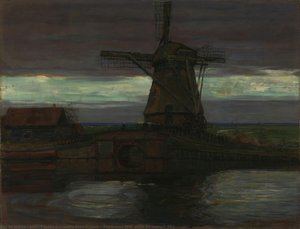
Mondrian’s artistic path was not one of immediate revelation but a gradual unfolding. His early life was steeped in tradition; his uncle, Frits Mondriaan, was already an established painter, and this familial connection initially steered him towards landscape painting. These formative works, reminiscent of the Hague School and Dutch Impressionism – pieces like *The Red Mill* – reveal a young artist diligently studying nature, mastering technique, yet subtly searching for something beyond mere representation.

  • Early Works: Landscape Paintings (Hague School & Impressionism)
  • Notable Piece: *The Red Mill*

To truly appreciate Composition III blue and yellow, one must understand the artistic evolution of Piet Mondrian. He began deconstructing forms, dismantling traditional perspective, and gradually reducing his palette. This journey led him towards an increasingly abstract aesthetic, culminating in the birth of Neoplasticism around 1917.

  • Influence of Cubism: Experimentation with Deconstructing Forms
  • Transition to Abstraction: Reduction of Palette

Neoplasticism, as Mondrian envisioned it, was not simply about creating aesthetically pleasing arrangements. It was a philosophical system aimed at expressing underlying spiritual truths through the purest possible visual language. The horizontal and vertical lines, he believed, represented opposing forces – masculine and feminine, static and dynamic – achieving equilibrium when perfectly balanced.

  • Philosophical Basis: Equilibrium Through Opposing Forces
  • Symbolism: Horizontal & Vertical Lines Represent Masculine & Feminine

The primary colors were chosen for their inherent energy and clarity, devoid of any emotional or representational baggage. White, representing nothingness, served as a crucial element, allowing the colors to breathe and resonate.

  • Color Palette: Bold Reds, Serene Blues & Luminous Yellows
  • White's Role: Represents Nothingness & Allows Color Resonance

In Composition III blue and yellow, these elements coalesce into a harmonious whole, inviting contemplation on themes of order, balance, and the search for universal beauty.

  • Overall Composition: Dynamic Equilibrium
  • Emotional Impact: Soothes The Soul

The seemingly random placement of colored rectangles is, in fact, meticulously calculated to achieve a dynamic equilibrium, a visual rhythm that captivates the eye and soothes the soul.

  • Placement Calculation: Precise Geometric Arrangement
  • Visual Rhythm: Captivates The Eye

The impact of Piet Mondrian extends far beyond the realm of painting. His aesthetic principles have profoundly influenced countless artists, architects, and designers throughout the 20th and 21st centuries.

  • Influence on Design: Furniture & Fashion

Owning a reproduction of this iconic work is not merely acquiring a beautiful object; it's embracing a legacy of artistic innovation and philosophical inquiry.

Domande e risposte

Quali tecnica e stile caratterizzano "Composizione III blu e giallo" di Piet Mondrian?

"Composizione III blu e giallo" di Piet Mondrian unisce la tecnica Acrilico su tela allo stile Neoplasticismo. La tecnica e il movimento definiscono la realizzazione e l'estetica dell'opera.

A quale periodo appartiene "Composizione III blu e giallo" di Piet Mondrian?

"Composizione III blu e giallo" di Piet Mondrian risale al periodo Età Moderna, epoca che ne definisce il contesto storico.

Chi ha creato "Composizione III blu e giallo" e in quale stile è realizzato?

L'opera "Composizione III blu e giallo" è opera di Piet Mondrian e appartiene al movimento Neoplasticismo.

Maggiori informazioni su questo dipinto

Anteprima in scala reale Anteprima in AR Passa alle stampe Passa all'immagine digitale Invia
Dettagli opera Guida Aggiungi ai preferiti Scarica Simili Radiografia Slideshow Domande e risposte Statistiche

In numeri

  • 29cornici tra cui scegliere
  • dimensioni standard, nelle proprie proporzioni
  • 5settimane per la realizzazione e la consegna
Piet Mondrian

Piet Mondrian

1872 - 1944, Paesi Bassi

Informazioni rapide su Piet Mondrian

  • Artisti Influenti:
    • Hague School
    • Impressionismo
    • Pointillism
    • Fauvismo
    • Cubismo
  • Artisti Influenzati:
    • Color Field painting
    • Abstract Expressionism
    • Minimalismo
  • Data Di Nascita: 7 marzo 1872
  • Luogo Di Nascita: Amersfoort, Paesi Bassi
  • Movimento Artistico: De Stijl, Neoplasticismo
  • Nazionalità: Olandese
  • Nome Completo: Piet Mondrian
  • Opere Notevoli:
    • Composition with Red, Yellow and Blue
    • Broadway Boogie Woogie
    • Tableau no. 2 Composition no. V
    • Rhythm of Black Lines

Biografia dell'artista

**primi anni di vita e carriera nei Paesi Bassi (1872-1911)**

pieter cornelis mondriaan, noto dopo il 1911 come piet mondrian, era un pittore e teorico dell'arte olandese nato il 7 marzo 1872 ad Amersfoort, nei Paesi Bassi. Iniziò la sua carriera come insegnante di istruzione primaria mentre praticava la pittura, inizialmente nello stile impressionista olandese della scuola di Haarlem.
  • Le sue opere giovanili, caratterizzate da paesaggi naturalistici, possono essere viste in dipinti come the red mill e trees in moonrise, esposte al kunstmuseum den haag.
  • La ricerca di mondrian per uno stile personale lo portò a esplorare vari movimenti artistici, tra cui il puntinismo e il fauvismo.
  • La sua prima mostra nel 1893 segnò l'inizio della sua carriera prolifica.

**l'evoluzione dello stile di mondrian**

da figurativo all'astratto la direzione artistica di mondrian si è spostata verso uno stile sempre più astratto, culminando in una forma non rappresentativa che chiamò neoplasticismo. Questa 'arte plastica pura' mirava a creare 'bellezza universale', limitando il suo vocabolario formale ai colori primari (rosso, blu e giallo), ai valori (nero, bianco e grigio) e alle direzioni (orizzontali e verticali).

**eredità e influenza**

l'eredità di mondrian si estende oltre il suo lavoro stesso, influenzando stili e movimenti importanti come la pittura a campo colorato, l'espressionismo astratto e il minimalismo. Lo storico dell'arte stephen bayley ha notato che mondrian è diventato un totem per tutto ciò che il modernismo voleva essere.
  • Esplora altri lavori di mondrian su OriginalUniqueArt.com.
  • Impara sul movimento de stijl e sulla sua influenza sull'arte moderna su wikipedia.
  • Scopri altri artisti influenti come vincent van gogh e il loro impatto sul mondo dell'arte.

**opere chiave ed esposizioni**

* piet mondrian: apple blossom (cubismo) (visualizza su OriginalUniqueArt.com) * piet mondrian: still life with vase of spices ii (cubismo) (visualizza su OriginalUniqueArt.com) * piet mondrian: passionflower (73 x 48 cm, kunstmuseum den haag, post impressionism, watercolor) (visualizza su OriginalUniqueArt.com)

Informazioni rapide

  • Year: 1929
  • Artistic style: Neo-Plasticism
  • Notable elements or techniques: Geometric abstraction; Black lines; Primary colors
  • Medium: Oil on canvas
  • Influences: Cubism
  • Subject or theme: Balance; Harmony; Order