 Anteprima in scala reale
 Condividi
 Condividi
 Dettagli
 Guida stampabile

 Scarica
 Articoli simili
 Radiografia
 Slideshow
 Statistiche
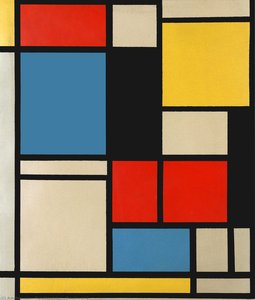
Composizione III blu e giallo


 Leggi tutto
Riproduzione a olio fatta a mano
Olio su tela dipinto a mano nelle tue dimensioni e con la tua cornice, realizzato su ordinazione dai nostri artisti. ( Passa alle stampe Passa all'immagine digitale)




P118B €10

P118H €10

P118W €10

P438Z €10

P508JH €12

P508YH €12

P805H €10

P805Z €10

P919BZ €10

P919G €10

P919XJ €10

P959ZH €10

P968JZ €12

W106C €8

W218G €10

W218JH €8

W218Y €10

W307PJ €10

W316G €10

W316PJ €8

W316Y €10

W398PJ €8

W4111J €10

W500HY €15

W500JH €15

W692G €12

W849H €8

W940BG €15

W953PJ €8




Scegli tra le nostre dimensioni predefinite, che rispettano le proporzioni originali dell'opera d'arte.

Inserisci la larghezza e l'altezza di cui hai bisogno, per adattarle alla tua cornice o alla tua parete. Trattandosi di un'opera dipinta a mano, in caso di dimensioni con una forma differente, l'artista può dipingere un po' più oltre i bordi dell'immagine o ritagliare leggermente — la scelta spetta a te. Ti invieremo un mockup digitale da approvare prima che la pittura abbia inizio. L'immagine mostrata in questa pagina non rappresenta il risultato reale — solo il mockup lo fa.
Dopo l'ordine, il team di OriginalUniqueArt.com contatterà il cliente via e-mail per ricevere le istruzioni e fornirà un'anteprima del mockup
Consegna in tutto il mondo () in 3/4 settimane anziché nelle normali 5 settimane. (23 Ottobre). Nessun compromesso sulla qualità.

Spedizione espressa gratuita in tutto il mondo

Tela in lino di alta qualità

Assicurazione completa sulla spedizione

Garanzia di rimborso dei dazi doganali

Garanzia di perfetta fedeltà cromatica

Politica di reso entro 100 giorni (solo per difetti di fabbricazione)

Garanzia di rimborso al 100%

Sconto per acquisti multipli
 L'opzione vetro è disponibile solo per dimensioni inferiori a 110 cm

Composizione III blu e giallo
Tecnica di riproduzione
Dimensioni della riproduzione
-


Prezzo totale
€ 264
A Symphony of Balance: Deconstructing Piet Mondrian’s Composition III Blue and Yellow
Piet Mondrian's Composition III blue and yellow is not merely a painting; it is a visual manifesto, a distillation of artistic principles that would come to define an era. Emerging from the vibrant currents of early 20th-century abstraction, this work embodies the core tenets of Neoplasticism – a style Mondrian himself championed as a pathway towards universal harmony. The canvas presents a rigorously structured grid of black lines, dividing the space into rectangles filled with primary colors: bold reds, serene blues, and luminous yellows, punctuated by areas of pure white. It’s a deceptively simple arrangement that belies a profound intellectual and spiritual quest.
From Naturalism to Neo-Plasticism: A Journey of Artistic Refinement
To truly appreciate Composition III blue and yellow, one must understand the artistic evolution of Piet Mondrian. Born in Amersfoort, Netherlands, in 1872, Mondrian initially trained as a teacher while simultaneously pursuing his passion for art. His early works were steeped in naturalism, reflecting the Dutch landscape tradition – windmills, fields, and rivers rendered with Impressionistic brushstrokes. However, this representational phase was merely a stepping stone. A pivotal move to Paris in 1912 exposed him to the radical ideas of Cubism, igniting a period of intense experimentation. Mondrian began deconstructing forms, dismantling traditional perspective, and gradually reducing his palette. This journey led him towards an increasingly abstract aesthetic, culminating in the birth of Neoplasticism around 1917.
The Language of Abstraction: Geometry, Color, and Spiritual Resonance
Neoplasticism, as Mondrian envisioned it, was not simply about creating aesthetically pleasing arrangements. It was a philosophical system aimed at expressing underlying spiritual truths through the purest possible visual language. The horizontal and vertical lines, he believed, represented opposing forces – masculine and feminine, static and dynamic – achieving equilibrium when perfectly balanced. The primary colors were chosen for their inherent energy and clarity, devoid of any emotional or representational baggage. White, representing nothingness, served as a crucial element, allowing the colors to breathe and resonate. In Composition III blue and yellow, these elements coalesce into a harmonious whole, inviting contemplation on themes of order, balance, and the search for universal beauty. The seemingly random placement of colored rectangles is, in fact, meticulously calculated to achieve a dynamic equilibrium, a visual rhythm that captivates the eye and soothes the soul.
A Lasting Legacy: Mondrian’s Influence on Modern Design
The impact of Piet Mondrian extends far beyond the realm of painting. His aesthetic principles have profoundly influenced countless artists, architects, and designers throughout the 20th and 21st centuries. From furniture design to fashion, the clean lines, geometric forms, and primary color palettes characteristic of Neoplasticism continue to inspire contemporary creations. Composition III blue and yellow stands as a testament to Mondrian’s enduring vision – a belief in the power of abstraction to transcend the material world and connect us to something deeper, more universal. Owning a reproduction of this iconic work is not merely acquiring a beautiful object; it's embracing a legacy of artistic innovation and philosophical inquiry.
- Artist: Piet Mondrian
- Birth Year: 1872
- Death Year: 1944
- Birth City: Amersfoort
- Birth Country: Netherlands
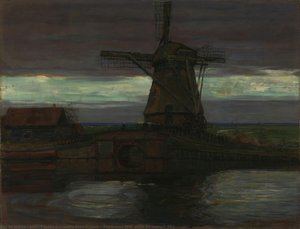
Mondrian’s artistic path was not one of immediate revelation but a gradual unfolding. His early life was steeped in tradition; his uncle, Frits Mondriaan, was already an established painter, and this familial connection initially steered him towards landscape painting. These formative works, reminiscent of the Hague School and Dutch Impressionism – pieces like *The Red Mill* – reveal a young artist diligently studying nature, mastering technique, yet subtly searching for something beyond mere representation.
- Early Works: Landscape Paintings (Hague School & Impressionism)
- Notable Piece: *The Red Mill*
To truly appreciate Composition III blue and yellow, one must understand the artistic evolution of Piet Mondrian. He began deconstructing forms, dismantling traditional perspective, and gradually reducing his palette. This journey led him towards an increasingly abstract aesthetic, culminating in the birth of Neoplasticism around 1917.
- Influence of Cubism: Experimentation with Deconstructing Forms
- Transition to Abstraction: Reduction of Palette
Neoplasticism, as Mondrian envisioned it, was not simply about creating aesthetically pleasing arrangements. It was a philosophical system aimed at expressing underlying spiritual truths through the purest possible visual language. The horizontal and vertical lines, he believed, represented opposing forces – masculine and feminine, static and dynamic – achieving equilibrium when perfectly balanced.
- Philosophical Basis: Equilibrium Through Opposing Forces
- Symbolism: Horizontal & Vertical Lines Represent Masculine & Feminine
The primary colors were chosen for their inherent energy and clarity, devoid of any emotional or representational baggage. White, representing nothingness, served as a crucial element, allowing the colors to breathe and resonate.
- Color Palette: Bold Reds, Serene Blues & Luminous Yellows
- White's Role: Represents Nothingness & Allows Color Resonance
In Composition III blue and yellow, these elements coalesce into a harmonious whole, inviting contemplation on themes of order, balance, and the search for universal beauty.
- Overall Composition: Dynamic Equilibrium
- Emotional Impact: Soothes The Soul
The seemingly random placement of colored rectangles is, in fact, meticulously calculated to achieve a dynamic equilibrium, a visual rhythm that captivates the eye and soothes the soul.
- Placement Calculation: Precise Geometric Arrangement
- Visual Rhythm: Captivates The Eye
The impact of Piet Mondrian extends far beyond the realm of painting. His aesthetic principles have profoundly influenced countless artists, architects, and designers throughout the 20th and 21st centuries.
- Influence on Design: Furniture & Fashion
Owning a reproduction of this iconic work is not merely acquiring a beautiful object; it's embracing a legacy of artistic innovation and philosophical inquiry.
Domande e risposte
I colori di "Composizione III blu e giallo" appaiono intensi o delicati?
L'intensità cromatica di "Composizione III blu e giallo" è Vivace. L'intensità descrive quanto appaiano marcati i colori.
Quale dimensione di stampa si consiglia per "Composizione III blu e giallo" di Piet Mondrian?
Per "Composizione III blu e giallo", si consiglia un formato di stampa Grande formato. Sono disponibili altri formati con le stesse proporzioni.
Posso visualizzare un'anteprima di "Composizione III blu e giallo" di Piet Mondrian prima di ordinare?
È disponibile un'anteprima di "Composizione III blu e giallo" di Piet Mondrian nella pagina Anteprima dell'opera.
Biografia dell'artista
**primi anni di vita e carriera nei Paesi Bassi (1872-1911)**
pieter cornelis mondriaan, noto dopo il 1911 come piet mondrian, era un pittore e teorico dell'arte olandese nato il 7 marzo 1872 ad Amersfoort, nei Paesi Bassi. Iniziò la sua carriera come insegnante di istruzione primaria mentre praticava la pittura, inizialmente nello stile impressionista olandese della scuola di Haarlem.- Le sue opere giovanili, caratterizzate da paesaggi naturalistici, possono essere viste in dipinti come the red mill e trees in moonrise, esposte al kunstmuseum den haag.
- La ricerca di mondrian per uno stile personale lo portò a esplorare vari movimenti artistici, tra cui il puntinismo e il fauvismo.
- La sua prima mostra nel 1893 segnò l'inizio della sua carriera prolifica.
**l'evoluzione dello stile di mondrian**
da figurativo all'astratto la direzione artistica di mondrian si è spostata verso uno stile sempre più astratto, culminando in una forma non rappresentativa che chiamò neoplasticismo. Questa 'arte plastica pura' mirava a creare 'bellezza universale', limitando il suo vocabolario formale ai colori primari (rosso, blu e giallo), ai valori (nero, bianco e grigio) e alle direzioni (orizzontali e verticali).- Esempi di questo stile possono essere visti in dipinti come composition with yellow patch (46 x 46 cm, neoplasticismo, olio su tela).
- Il lavoro di mondrian ha avuto un'enorme influenza sull'arte del XX secolo, influenzando non solo la pittura astratta ma anche il design, l'architettura e la moda.
**eredità e influenza**
l'eredità di mondrian si estende oltre il suo lavoro stesso, influenzando stili e movimenti importanti come la pittura a campo colorato, l'espressionismo astratto e il minimalismo. Lo storico dell'arte stephen bayley ha notato che mondrian è diventato un totem per tutto ciò che il modernismo voleva essere.- Esplora altri lavori di mondrian su OriginalUniqueArt.com.
- Impara sul movimento de stijl e sulla sua influenza sull'arte moderna su wikipedia.
- Scopri altri artisti influenti come vincent van gogh e il loro impatto sul mondo dell'arte.
**opere chiave ed esposizioni**
* piet mondrian: apple blossom (cubismo) (visualizza su OriginalUniqueArt.com) * piet mondrian: still life with vase of spices ii (cubismo) (visualizza su OriginalUniqueArt.com) * piet mondrian: passionflower (73 x 48 cm, kunstmuseum den haag, post impressionism, watercolor) (visualizza su OriginalUniqueArt.com)
Piet Mondrian
1872 - 1944 , Paesi Bassi
Informazioni rapide
- Artisti Influenti:
- Hague School
- Impressionismo
- Pointillism
- Fauvismo
- Cubismo
- Artisti Influenzati:
- Color Field painting
- Abstract Expressionism
- Minimalismo
- Data Di Nascita: 7 marzo 1872
- Luogo Di Nascita: Amersfoort, Paesi Bassi
- Movimento Artistico: De Stijl, Neoplasticismo
- Nazionalità: Olandese
- Nome Completo: Piet Mondrian
- Opere Notevoli:
- Composition with Red, Yellow and Blue
- Broadway Boogie Woogie
- Tableau no. 2 Composition no. V
- Rhythm of Black Lines
Articoli correlati

Astrazione Geometrica: 10 Capolavori che Hanno Definito un Movimento Artistico
Esplora i 10 capolavori dell'Astrazione Geometrica: Mondrian, Malevich e Kandinsky rivoluzionano l'arte moderna. Scopri la storia, i colori e le tecniche di questi movimenti iconici. Stampe d'arte di alta qualità su OriginalUniqueArt.com!
Piet Mondrian: Deconstructing Reality – A Study of Neo-Plasticism & Universal Harmony
Esplora il rivoluzionario mondo di Piet Mondrian e del Neoplasticismo. Analisi approfondite delle sue opere più iconiche, l'influenza di 'De Stijl' e la ricerca dell'armonia universale nell'arte astratta.

Beyond Form & Color: Geometric Abstraction's Evolution in 20th/21st Century Art
Explore the evolution of geometric abstraction from Cubism to contemporary art. Discover key artists like Malevich & Mondrian, investment insights, and expert collecting advice at OriginalUniqueArt.

Kandinsky: I 25 Capolavori che Hanno Rivoluzionato l'Arte Moderna | OriginalUniqueArt
Esplora i 25 capolavori di Wassily Kandinsky, pioniere dell'arte astratta. Scopri la storia, il significato e le tecniche dietro ogni dipinto iconico. Trova riproduzioni d'arte di alta qualità per decorare la tua casa su OriginalUniqueArt.com.

I 10 Dipinti Più Famosi Dominati dal Blu Ardesia: Storia, Arte e Decorazioni Raffinate
Esplora i 10 dipinti più iconici dominati dal blu ardesia! Scopri la storia, gli artisti e le tecniche dietro capolavori impressionisti e moderni. Trova riproduzioni artistiche di alta qualità per decorare casa con .